
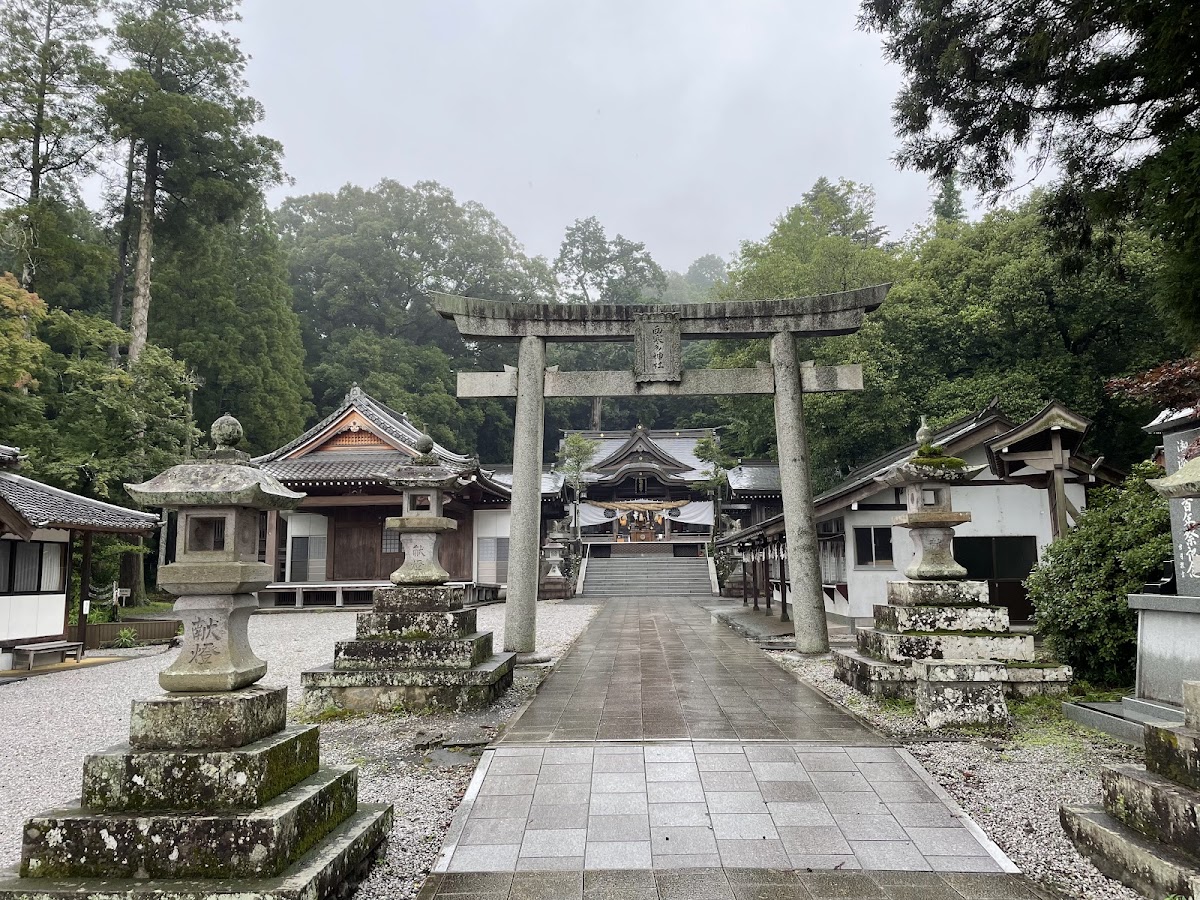
Complete Guide to Sasamuta Shrine | History, Wisteria Viewing Season, Goshuin (Shrine Seal), and Access Information
Sasamuta Shrine, located in Oita City, Oita Prefecture, is a venerable shrine boasting a history of over 1700 years as the Ichinomiya (first-ranked shrine) of Bungo Province. Ancient wisteria trees, over 450 years old, adorn the shrine grounds, making it a famous wisteria viewing spot that attracts many visitors every May. This article comprehensively introduces information you should know before visiting Sasamuta Shrine, including its history, highlights, festivals, goshuin (shrine seal), and access methods.
What is Sasamuta Shrine? | History and Status of Bungo Ichinomiya
Sasamuta Shrine is a Shikinaisha (Grand Shrine) and, as the Ichinomiya of Bungo Province, holds the second highest status in Oita Prefecture after Usa Jingu Shrine. Its former shrine rank was Kokuhei Chusha (National Shrine of the Second Rank), and it is currently designated as a Beppyo Jinja (Special Shrine) by the Association of Shinto Shrines.
History and Origin of the Shrine
The founding of Nishikanta Shrine dates back to April of the 9th year of Emperor Ojin’s reign (278 AD). It is said to have begun when Takeuchi no Sukune, following an imperial command, built a palace on the mountaintop of Nishikanta-yama (present-day Hongu-yama). Later, in March of the 15th year of Oei (1408 AD), the shrine was moved to its current location by Otomo no Chikayo, the 10th generation of the Otomo clan, where it remains today.
The current shrine, located at the northern foot of Hongu-yama (elevation 607.5m), originally considered the Hongu Shrine, which was located near the summit of Hongu-yama, as its main shrine (original shrine), and is considered a place associated with Empress Jingu.
Deities and Divine Virtues
The deities enshrined at Nishikanta Shrine are believed to bestow divine virtues such as family safety, business prosperity, and abundant harvests. It has long been revered by the local people as the guardian shrine of Bungo Province. This shrine has been deeply revered by successive provincial governors and samurai, and is particularly known for its close ties to the Otomo clan.
Highlights of the Shrine Grounds | Cultural Properties and Sacred Space
The grounds of Nishikanta Shrine offer numerous points of interest, creating a sacred space where history and nature harmonize.
Mannenbashi Bridge (Prefectural Designated Tangible Cultural Property)
The Mannenbashi Bridge, a stone bridge spanning the Kanda River at the entrance to the shrine, is an arch bridge built in 1862 during the late Edo period. Simple yet powerful, its arched form is truly magnificent, and it is designated as an Oita Prefecture Designated Tangible Cultural Property. As the first cultural property welcoming visitors, its historical value is highly regarded.
Jinko (City Designated Tangible Cultural Property)
Located west of the main hall, the Jinko (storehouse) is a raised-floor building characterized by its log-cabin style construction, and is designated as an Oita City Designated Tangible Cultural Property. As a building for storing the shrine’s treasures and sacred objects, it is a valuable example of traditional architectural techniques that are still preserved today.
Main Hall and Worship Hall
The imposing shrine buildings exude a solemn presence that reflects the status of the Ichinomiya (first-ranked shrine) of Bungo Province. The entire grounds are enveloped in a tranquil atmosphere, providing peace of mind to visitors.
Items Associated with Otomo Sorin
Nishikanta Shrine houses seals and other items said to have been used by Otomo Sorin, a daimyo known as a Christian lord of Bungo Province. These are preserved as valuable cultural assets that tell the history of Bungo Province and the Otomo clan during the Sengoku period.
Wisteria of Nishikanta Shrine | A 450-Year-Old Natural Monument
Nishikanta Shrine is widely known as one of the leading wisteria viewing spots in Oita Prefecture.
Characteristics of Nishikanta’s Wisteria
The wisteria on the shrine grounds is 450 years old and was designated a natural monument by Oita City in 1974. A single wisteria tree, with a trunk circumference of approximately 230 cm, spreads its branches over an area of about 350 square meters (24 meters east-west, 15 meters north-south). When in full bloom, the entire shrine grounds are bathed in a delicate purple hue. The flower clusters can reach over a meter in length, and their sweet and tangy fragrance captivates visitors.
Best Time to See Wisteria
The best time to see the wisteria at Nishikanta Shrine is typically from late April to early May. During this period, the “Wisteria Festival” is held, attracting many worshippers and tourists.
Wisteria Festival
Every May, the “Wisteria Festival” is held, featuring various events alongside wisteria viewing. Spending time beneath the fully bloomed wisteria allows visitors to feel the arrival of spring and the beauty of nature. It’s also a popular photo spot, offering breathtaking scenery perfect for creating photo galleries.
Hongu Shrine (Okumiya) | The Origin of Nishikanta Shrine
Located near the summit of Mt. Hongu, Hongu Shrine is an important sacred site as the Okumiya (main shrine) of Nishikanta Shrine.
Visiting Hongu Shrine
Even after Nishikanta Shrine was relocated to its current location in 1408 (Oei 15), the shrine building at the old site continued to be worshipped as the Okumiya, and remains so to this day. Climbing the mountain trail up Mt. Hongu, you will reach Hongu Shrine near the summit.
Ishimine-den (Iwakura)
Hongu Shrine has an Iwakura (sacred rock) called “Ishimine-den,” which is over 10 meters tall and is said to be the site of ancient rituals. This massive rock has long been an object of worship as a sacred place where gods descend. The view from Mt. Hongu is also magnificent, offering a panoramic view of the Bungo region.
Festivals and Prayers | Annual Events and Prayers
Nishikanta Shrine holds various festivals throughout the year.
Main Annual Festivals
- New Year’s Day Festival: Prayers for happiness in the new year
- Spring Grand Festival: Prayers for a bountiful harvest with the arrival of spring
- Wisteria Festival (May): A festival coinciding with the blooming of wisteria
- Summer Purification Ceremony: A Shinto ritual to purify oneself of sins and impurities accumulated over the past six months
- Autumn Grand Festival: A ceremony to express gratitude for the bountiful autumn harvest
- Year-End Purification Ceremony: A ceremony to purify oneself of sins and impurities accumulated over the past year
Types of Prayers
Nishikanta Shrine accepts the following types of prayers:
- Family safety
- Business development and prosperity
- Traffic safety
- Protection from evil and misfortune
- Success in examinations and academic achievement
- Safe childbirth and first shrine visit for a newborn
- Shichi-Go-San (7-5-3) festival
- Shinto Wedding Ceremony
Those wishing to request prayers should contact the shrine office in advance (TEL: 097-569-4182).
Goshuin (Shrine Seal) and Other Items | A Memento of Your Visit
About Goshuin
Nishikanta Shrine offers goshuin as proof of your visit. The dignified goshuin, befitting Bungo Ichinomiya (the first shrine of Bungo Province), can be obtained at the shrine office if you bring your goshuincho (seal book). Special goshuin may be offered during the wisteria season.
Items and Amulets
The shrine office on the grounds offers various amulets, talismans, and ema (votive tablets). Amulets are available to fulfill various wishes, such as family safety, traffic safety, and academic success.
Shinto Wedding Ceremony | Traditional Wedding
Nishikanta Shrine offers traditional Shinto wedding ceremonies. You can celebrate this important milestone in a solemn atmosphere within the dignified shrine building of Bungo Ichinomiya. During wisteria season, weddings with the full bloom of wisteria as a backdrop are very popular. Those wishing to hold their wedding ceremony should contact the shrine office as soon as possible.
Access and Parking Information
Basic Information
Location: 1644 Kanda, Oita City, Oita Prefecture
Phone Number: 097-569-4182
Visiting Hours: Grounds are freely accessible (Shrine office is open from 9:00 to 17:00)
Access by Car
- Approximately 20 minutes by car from Oita IC on the Oita Expressway
- Approximately 25 minutes by car from JR Oita Station
- Free parking available on the grounds (approximately 50 spaces for regular cars)
- During wisteria season, crowds are expected, so early visits are recommended.
Access by Public Transportation
- By bus from JR Oita Station
- Get off at the Kanda bus stop (Oita Bus), approximately 5 minutes on foot
- By taxi, approximately 25 minutes from JR Oita Station
Nearby Attractions
The following tourist spots are located near Nishi-Kanda Shrine:
- Mount Hongu: Popular as a hiking and climbing course
- Oita City Museum of Art: Approximately 15 minutes by car
- Takasakiyama Natural Zoological Garden: Approximately 30 minutes by car
- Oita Marine Palace Aquarium “Umitamago”: Approximately 35 minutes by car
Manners and Enjoyment of Visiting a Shrine
Etiquette for Visiting a Shrine
- Bow before passing through the torii gate: As a sign of respect before entering the sacred area
- Purify yourself at the water basin: Left hand → Right hand → Mouth → Left hand
- Walk along the edge of the path: The center is the path for the gods
- Etiquette at the main hall: Two bows, two claps, one bow
Points to Note When Strolling Through the Shrine Grounds
The shrine grounds are rich in nature, and you can enjoy the scenery of each season. Especially outside of the wisteria season, beautiful scenery unfolds during the fresh green season and the autumn foliage season. You can stroll through the grounds slowly and calm your mind in the tranquil atmosphere.
Regarding Photography
Photography is generally permitted on the shrine grounds, but consideration is required during festivals and Shinto wedding ceremonies. Please also observe proper etiquette and avoid disturbing other visitors.
Nishikanta Shrine as a Power Spot
Nishikanta Shrine is known as one of Oita Prefecture’s leading power spots. The shrine grounds, with a history of over 1700 years, are said to be filled with sacred energy dating back to ancient times, attracting many visitors seeking purification of the mind and improved luck.
In particular, the Hongu Shrine on Mount Hongu has a sacred rock formation believed to be the site of ancient rituals and is revered as a powerful power spot. It is a place where you can refresh both mind and body in a tranquil environment surrounded by nature.
Regarding Shinto Funerals
Nishikanta Shrine also conducts Shinto funeral ceremonies. Through a solemn ritual in accordance with Shinto tradition, the deceased is sent to the gods. Consultations regarding Shinto funerals are accepted at the shrine office.
The Four Seasons of Nishikanta Shrine
Spring (March-May)
The most vibrant season, with the wisteria in full bloom. From late April to early May, the shrine grounds are dyed a pale purple and filled with a sweet fragrance. The Wisteria Festival is held, attracting many worshippers.
Summer (June-August)
The fresh greenery is beautiful, and the shrine grounds are covered in deep green. During the Summer Purification Ceremony, rituals such as passing through a ring of reeds are performed to purify oneself of sins and impurities accumulated over the past six months.
Autumn (September-November)
The season of beautiful autumn leaves. The Autumn Grand Festival is held, offering thanks for the bountiful harvest. The trees on the shrine grounds change color, creating a peaceful atmosphere suitable for worship.
Winter (December-February)
New Year’s rituals, such as the Year-End Purification Ceremony and the New Year’s Day Festival, continue throughout the year. In the crisp winter air, worshippers visit to pray for happiness in the new year.
Summary | Recommendation for Visiting Nishikanta Shrine
Nishikanta Shrine is a representative shrine of Oita Prefecture, serving as the Ichinomiya (first-ranked shrine) of Bungo Province with a history of over 1700 years. It is also famous for its 450-year-old wisteria tree, attracting many worshippers every May. The shrine grounds contain cultural assets such as the Mannenbashi Bridge and the Shinko (treasure house), and the Honmiya Shrine on Mount Honmiya offers a glimpse into ancient rituals.
You can pray for various things such as family safety, business prosperity, and protection from evil. Shinto weddings and funerals are also held here. It is easily accessible from Oita city center, and there are many tourist attractions nearby.
Nishikanta Shrine offers a valuable experience of peaceful worship amidst the beautiful nature of the four seasons and its historical grounds, allowing you to connect with traditional Japanese culture. When you visit Oita, be sure to stop by. You will be able to experience the sacred atmosphere of the temple grounds and feel firsthand the prestige and history of Bungo Ichinomiya (the first shrine of Bungo Province).


