Ibara Sumiyoshi Shrine (Osaka Prefecture) Complete Guide | History, Benefits, Goshuin (Shrine Seal), and Access Information
Ibara Sumiyoshi Shrine, located in Kujo, Nishi-ku, Osaka City, is a venerable shrine with a history of approximately 400 years. Despite its location in the heart of the city, it maintains a tranquil sacred space and is affectionately known locally as “Kujo no Sumiyoshi-san.” This article provides detailed information useful for visitors, including the history, benefits, goshuin (shrine seal), highlights of the grounds, annual events, and access methods.
About Ibara Sumiyoshi Shrine
Ibara Sumiyoshi Shrine is a shrine located at 1-1-17 Kujo, Nishi-ku, Osaka City, Osaka Prefecture, and was founded in 1624 (Kanei 1). While conveniently located about a 5-minute walk from Kujo Station on the Osaka Metro Chuo Line and Hanshin Namba Line, its lush grounds offer a healing space that allows you to forget the hustle and bustle of the city.
Known locally as “Kujo no Sumiyoshi-san” by the parishioners, it has long been revered as a deity of health, longevity, good fortune, safe childbirth, and fertility.
History and Origins of Ibaraki Sumiyoshi Shrine
Founding History
Ibaraki Sumiyoshi Shrine was founded in 1624 (Kanei 1). It is said to have begun when a man named Kosai Tetsuun, who was developing Kujo Island, invited the four deities of Sumiyoshi from Sumiyoshi Taisha Shrine.
Kujo Island was a newly developed rice field area in the early Edo period. Because the shrine was founded alongside the development of this area, Ibaraki Sumiyoshi Shrine can be considered a historical witness to the development of Kujo Island. Since then, it has served as the tutelary shrine of Kujo Village, Nishinari District, Settsu Province, and has become the center of faith for the local residents.
War Damage and Reconstruction
A major turning point in the history of Ibaraki Sumiyoshi Shrine was the Great Osaka Air Raid of March 1945. The fires of this conflict completely destroyed the shrine buildings and other structures within the grounds.
However, thanks to the strong faith and passion for reconstruction of the local residents, the shrine buildings were rebuilt in 1965, and further reconstruction was completed in 1971. The current shrine buildings were constructed at that time and feature an unusual two-story design.
Ibaraki Sumiyoshi Shrine in the Modern Era
After post-war reconstruction, Ibaraki Sumiyoshi Shrine continues to function as a center of local faith. In the rapidly developing Nishi Ward of Osaka City, it remains a valuable shrine preserving history and tradition, attracting not only local residents but also many worshippers.
Deities and Benefits
Deities
The deities enshrined at Ibaraki Sumiyoshi Shrine are the four Sumiyoshi gods.
- Sokotsutsu-no-Mikoto
- Nakatsutsu-no-Mikoto
- Uwatsutsu-no-Mikoto
- Okinagatarashihime-no-Mikoto (Empress Jingu)
These deities are the same as those enshrined at Sumiyoshi Taisha Shrine and are known as gods of maritime safety and protection of navigation, but they are also believed to offer a variety of other benefits.
Main Benefits
Ibaraki Sumiyoshi Shrine is believed to offer the following benefits:
Protection from Illness and Longevity
You can pray for protection from illness and misfortune, and for a long and healthy life.
Safe Childbirth and Fertility
This shrine has long been revered as a deity for safe childbirth and fertility, attracting many pregnant women and couples hoping for children.
Family Safety
You can pray for the health and happiness of all family members.
Business Prosperity
You can pray for the development and success of your business.
Exorcism and Good Fortune
Many visitors come to pray for protection from misfortune during their unlucky years and for improved luck.
Highlights of the Shrine Grounds
Unique Two-Story Shrine
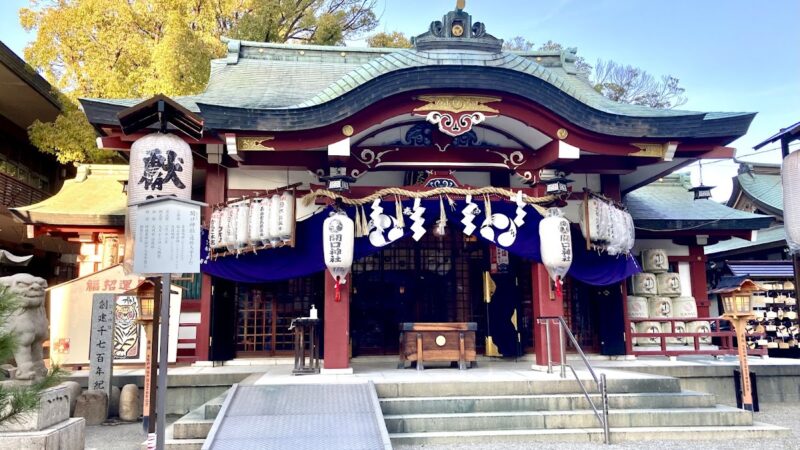
The most distinctive feature of Ibaraki Sumiyoshi Shrine is its two-story structure. The first floor houses the shrine office and gift shop, while the second floor contains the worship hall and main sanctuary—a rare configuration.
This structure is a clever way to utilize the limited space in an urban area while still maintaining a sacred space. Visitors ascend the stairs to the worship hall on the second floor, offering a slightly elevated view of the shrine grounds. ### Vivid Vermilion Shrine
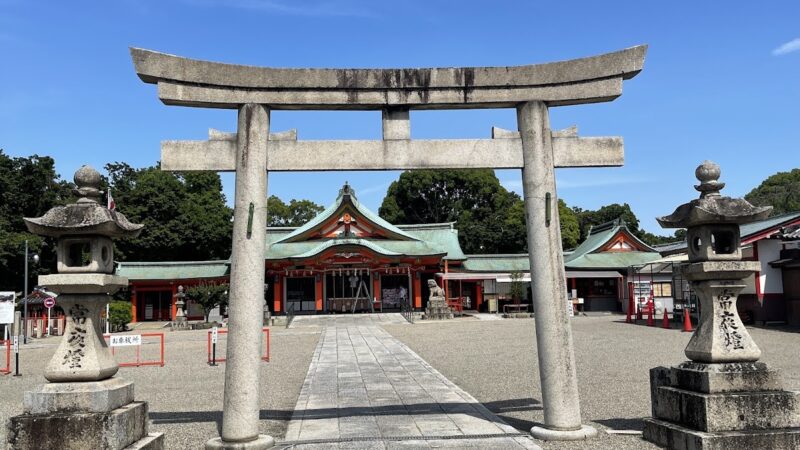
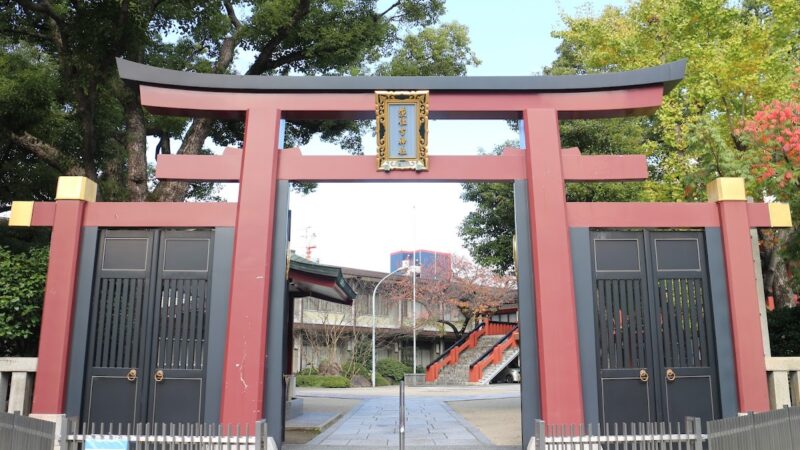
The shrine buildings of Ibaraki Sumiyoshi Shrine are painted in a vibrant vermilion (red), creating a beautiful contrast with the blue sky and green trees. Especially during cherry blossom season, the combination of pink cherry blossoms and the red shrine is magnificent, attracting many visitors who come to take photographs.
Subsidiary Shrines
The following subsidiary shrines are located within the grounds of Ibaraki Sumiyoshi Shrine:
Ichikishima-hime Shrine
This shrine enshrines Ichikishima-hime no Mikoto and is believed to bring blessings for artistic improvement, beauty, and matchmaking.
Tamateru Inari Shrine
This shrine enshrines Inari, the god of rice and rice, and is believed to bring blessings for business prosperity, abundant harvests, and family safety.
By visiting these subsidiary shrines as well, you can receive a wider range of blessings.
Lush Green Grounds
Despite being located on a main street, the shrine grounds are a tranquil sacred space overflowing with greenery. Surrounded by trees, the grounds are like an oasis in the city, offering peace of mind to visitors.
About Goshuin (Shrine Seals)
Issuance of Goshuin
Goshuin are available at Ibaraki Sumiyoshi Shrine. They are available at the reception on the first floor, and many people receive them as a memento of their visit.
The goshuin features the calligraphy of “Ibaraki Sumiyoshi Shrine” and the shrine’s seal. It is characterized by a simple yet powerful calligraphy style.
Points to Note When Receiving a Goshuin (Shrine Stamp)
- Please receive your Goshuin after completing your prayers.
- It is recommended to bring your Goshuincho (stamp book).
- Please visit during the reception hours of the Goshuin office.
- Please prepare a donation (a donation of your choice) (generally around 300-500 yen).
Annual Events and Festivals
Ibaraki Sumiyoshi Shrine holds various festivals and events throughout the year.
Annual Grand Festival
The Annual Grand Festival, held every autumn, is the most important festival of Ibaraki Sumiyoshi Shrine. Local parishioners gather, and Shinto rituals such as the portable shrine procession take place.
New Year’s Visit
Many worshippers visit the shrine for their first visit of the new year. It is bustling with people praying for safety and well-being throughout the year.
Setsubun Festival
The Setsubun Festival is held in February, featuring events such as bean-throwing.
Other Events
- Shichi-Go-San (7-5-3) Ceremony
- Summer Purification Ceremony (June 30th)
- Year-End Purification Ceremony (December 31st)
Seasonal Shinto rituals are held as well.
About the Parishioner Area
The parishioner area of Ibaraki Sumiyoshi Shrine is the area centered around Kujo, Nishi-ku, Osaka City. Specifically, the following areas are within the parishioner area:
- Kujo 1-chome to 3-chome
- Surrounding areas
Residents of the parishioner area consider Ibaraki Sumiyoshi Shrine their tutelary shrine and perform life-changing rituals such as first shrine visits, Shichi-Go-San, exorcisms, and ground-breaking ceremonies at the shrine.
Access and Transportation Information
Access by Train
Ibaraki Sumiyoshi Shrine is easily accessible by public transportation.
Osaka Metro Chuo Line/Hanshin Namba Line “Kujo Station”
- Approximately 5 minutes on foot from Exit 6 (approx. 400m)
- The most easily accessible station
Osaka Metro Chuo Line “Awaza Station”
- Approximately 10 minutes on foot
JR Loop Line “Bentencho Station”
- Approximately 15 minutes on foot
Access by Car
Hanshin Expressway
- Approximately 5 minutes from the Hanshin Expressway Route 1 Loop Line “Namba Exit”
- Approximately 5 minutes from the Hanshin Expressway Route 1 Loop Line “Shinanbashi Exit”
Parking Information
Ibaraki Sumiyoshi Shrine has parking spaces for visitors, but the number of spaces is limited. There are also coin-operated parking lots in the surrounding area, so please consider using them during busy times.
On days when congestion is expected, such as New Year’s Day or festivals, we recommend using public transportation.
Visiting Information
Basic Information
- Address: 1-1-17 Kujo, Nishi-ku, Osaka City, Osaka Prefecture 550-0027
- Phone Number: 06-6582-2211
- Visiting Hours: Open 24 hours (Shrine office open only during the day)
- Admission Fee: Free
Shrine Office Hours
The shrine office, where you can receive Goshuin (stamps) and amulets, is usually open from 9:00 AM to around 5:00 PM. However, these hours may change due to religious ceremonies or events, so it is recommended to call ahead to confirm if you wish to receive them.
Visiting Etiquette
When visiting a shrine, please observe the following basic etiquette.
- Bow before the torii gate: Bow before entering the shrine grounds.
- Purify yourself at the water basin: Purify your left hand, right hand, and mouth in that order.
- Avoid the center of the approach: The center of the approach is considered the path for the gods.
- Two bows, two claps, one bow: Perform the correct rituals when praying in front of the main hall.
- Be quiet on the shrine grounds: Be mindful that this is a sacred place.
Nearby Tourist Attractions
The following tourist attractions are located near Ibaraki Sumiyoshi Shrine:
Kujo Shopping Street
A lively shopping street within walking distance of Ibaraki Sumiyoshi Shrine. It retains a traditional atmosphere while featuring a variety of shops.
Osaka Dome (Kyocera Dome Osaka)
An Osaka landmark located about a 15-minute walk away. It hosts professional baseball games, concerts, and other events.
Namba Area
Osaka’s representative entertainment district, located a few minutes by train from Kujo Station. Enjoy shopping and dining.
Prayers and Rituals at Ibaraki Sumiyoshi Shrine
About Prayers
Ibaraki Sumiyoshi Shrine accepts various prayers.
- Prayer for Safe Childbirth: Generally performed on the Day of the Dog in the 5th month of pregnancy.
- First Shrine Visit: Reporting the birth of the baby to the gods and praying for healthy growth.
- Shichi-Go-San Ceremony: Celebrating the child’s growth and praying for future health.
- Prayer for Protection from Evil: Praying for protection from evil during the unlucky year and for good fortune.
- Family Safety: Praying for the health and happiness of all family members.
- Business Prosperity: Praying for the development of the business.
- Traffic Safety: Blessing of the car, etc.
If you wish to have a prayer performed, we recommend making a reservation by phone in advance.
Groundbreaking Ceremony and Ridgepole Raising Ceremony
We also perform ceremonies related to construction. For new construction or renovations, it is possible for a Shinto priest to visit the site and perform ground-breaking ceremonies or roof-raising ceremonies.
The Charm of Ibaraki Sumiyoshi Shrine
A Tranquil Sanctuary in the City
The greatest charm of Ibaraki Sumiyoshi Shrine is that, despite being located in the heart of Osaka City, stepping onto the shrine grounds reveals a tranquil sanctuary. The lush green grounds provide a healing space that allows you to forget the hustle and bustle of everyday life.
A Faith Rooted in the Community
For approximately 400 years, Ibaraki Sumiyoshi Shrine has been the local tutelary shrine, attracting the faith of residents. Affectionately known as “Sumiyoshi-san of Kujo,” it plays a central role in the local community.
Easy Access
Its convenient location, approximately a 5-minute walk from Kujo Station, is another attractive feature. The ease of visiting while sightseeing or shopping is a major advantage for modern worshippers.
Beauty in Every Season
The shrine grounds, displaying different expressions in each season—cherry blossoms in spring, lush greenery in summer, vibrant autumn leaves, and a tranquil atmosphere in winter—offer a fresh and moving experience no matter how many times you visit.
Visitor Voices
Visitors to Ibaraki Sumiyoshi Shrine have shared the following comments:
“It’s conveniently located near Kujo Station. Despite being a shrine in the city, the grounds are quiet and peaceful.”
“The red shrine building is very beautiful, especially during cherry blossom season.”
“You can feel the atmosphere of a shrine loved by the local people.”
“The two-story shrine building is unusual and impressive.”
“I was able to receive a Goshuin (shrine stamp), and the staff were very polite and helpful.”
Summary
Ibaraki Sumiyoshi Shrine is a shrine with a history of approximately 400 years, located in Kujo, Nishi-ku, Osaka City. Since its founding in 1624, Ibaraki Sumiyoshi Shrine has been affectionately known as “Kujo no Sumiyoshi-san” as the local tutelary shrine, attracting deep devotion as a deity of health, longevity, good fortune, safe childbirth, and fertility.
Although it was completely destroyed by fire during the war, it was rebuilt thanks to the passion of the local residents, and is now known as a shrine with a rare two-story main hall. Despite facing a main street, the lush grounds offer a tranquil space in the heart of the city, and its convenient location, just a 5-minute walk from Kujo Station, is another attractive feature.
Ibaraki Sumiyoshi Shrine can be visited for various occasions, from life rituals such as New Year’s visits, Shichi-Go-San (a traditional rite of passage for children), and exorcisms, to daily prayers. When you visit Osaka, be sure to stop by. The time spent quietly offering prayers in this sacred place steeped in history and tradition will surely be a memorable experience.
We also recommend visiting the subsidiary shrines, Ichikishimahime Shrine and Tamateru Inari Shrine, and receiving their Goshuin (shrine stamps). Enjoy a visit to a shrine steeped in approximately 400 years of history, while taking in the beautiful scenery of each season.