Complete Guide to Tosa Inari Shrine (Osaka Prefecture) | History and Highlights of the Birthplace of Mitsubishi and a Famous Cherry Blossom Spot
Tosa Inari Shrine, located in Kitahorie, Nishi-ku, Osaka City, has its origins in the Tosa Domain’s storehouse during the Edo period and is still deeply revered as the guardian deity of the Mitsubishi Group. Known as a famous cherry blossom viewing spot, it is an urban oasis where history and nature harmonize. This article provides a detailed explanation of Tosa Inari Shrine’s history, highlights, and access methods.
History and Origins of Tosa Inari Shrine
Origins of its Founding and the Tosa Domain’s Storehouse
The exact founding date of Tosa Inari Shrine is unknown, but it is believed to have originated from a guardian shrine that had long been located within the Tosa Domain’s (present-day Kochi Prefecture) Osaka storehouse, which was established on the banks of the Nagahori River during the Edo period.
A “kurayashiki” was a facility established in Osaka by each feudal domain to store and sell tribute rice and local products. The Tosa Domain’s kurayashiki occupied a vast area in what is now the Kitahorie area of Nishi Ward, Osaka City. Tosa Inari Shrine is said to have been established as the guardian deity of this domain’s residence, with a divided spirit invited from Fushimi Inari Taisha in Kyoto.
Even back then, ordinary townspeople were allowed to visit, and it was a beloved presence in the community. This shares a similar history with Tosa Inari (Misaki Shrine) in Kawaramachi, Kyoto.
The Meiji Restoration and the Connection with Iwasaki Yataro
An essential aspect of the history of Tosa Inari Shrine is its deep connection with Iwasaki Yataro, the founder of the Mitsubishi zaibatsu (conglomerate).
After the Meiji Restoration, the Tosa Domain’s warehouse became unnecessary due to the abolition of the feudal domains and the establishment of prefectures. In 1871 (Meiji 4), it was sold from the Tosa Domain to Tsukumo Shokai (later Mitsubishi Corporation), run by Yataro Iwasaki. Yataro Iwasaki established his residence and business base on this site.
A stone monument marking the “Former Iwasaki Family Residence Site” has been relocated to the shrine grounds, commemorating the former location of Yataro Iwasaki’s residence. It was here that Yataro Iwasaki expanded his business, primarily in shipping, laying the foundation for the later Mitsubishi zaibatsu (financial conglomerate). Tosa Inari Shrine is truly the birthplace of the Mitsubishi Group.
Historical Connection to the Sakai Incident
Tosa Inari Shrine is also connected to the Sakai Incident, which occurred in 1868 (Meiji 1). The Sakai Incident was an international incident in which Tosa samurai killed and injured French sailors. Eleven Tosa samurai committed seppuku (ritual suicide) to take responsibility for the incident.
Because the Tosa samurai involved in this incident were staying at the Tosa Domain’s storehouse, Tosa Inari Shrine has witnessed the turbulent history from the end of the Edo period to the Meiji Restoration.
Changes Since the Modern Era
During the Meiji era, it was ranked as a local shrine and positioned as an important shrine in the region. Even after the war, its relationship with the Mitsubishi Group companies continued, and even today, it is considered the guardian deity of the Mitsubishi Group, with employees of the group companies visiting to pay their respects.
The three diamonds (Mitsubishi mark), the symbol of the Mitsubishi Group, can be seen on the shrine office and stone fence within the grounds, reflecting its deep connection with Mitsubishi.
Deities and Benefits
Main Deity
The main deity of Tosa Inari Shrine is Ukanomitama-no-Okami, the Inari god. Inari is widely worshipped as the god of abundant harvests, business prosperity, and industrial development.
Benefits
Tosa Inari Shrine is believed to offer the following benefits:
- Business Prosperity & Success: As the birthplace of the Mitsubishi zaibatsu, many visitors pray for business success.
- Industrial Development: The inherent benefit of Inari.
- Abundant Harvest: Prosperity of agriculture and the food industry.
- Good Fortune & Prosperity: General good fortune benefits.
Especially due to its connection with the Mitsubishi Group, it attracts many business executives and business people, and is known as a power spot for business prosperity and success.
Highlights of the Shrine Grounds
Shrine Building and Crest
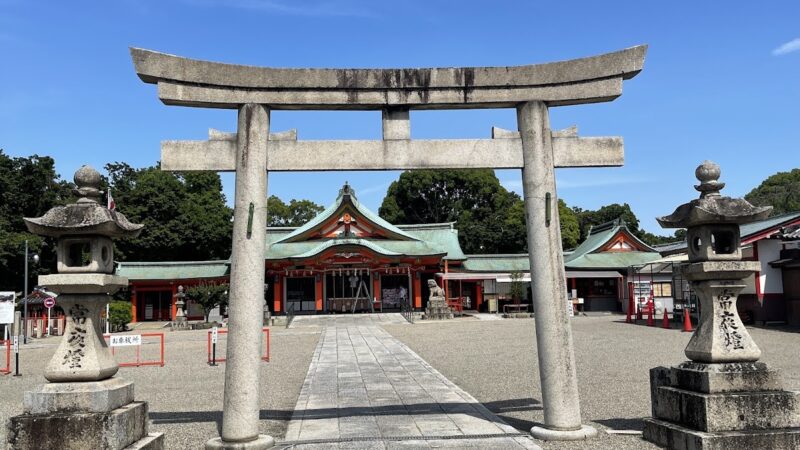
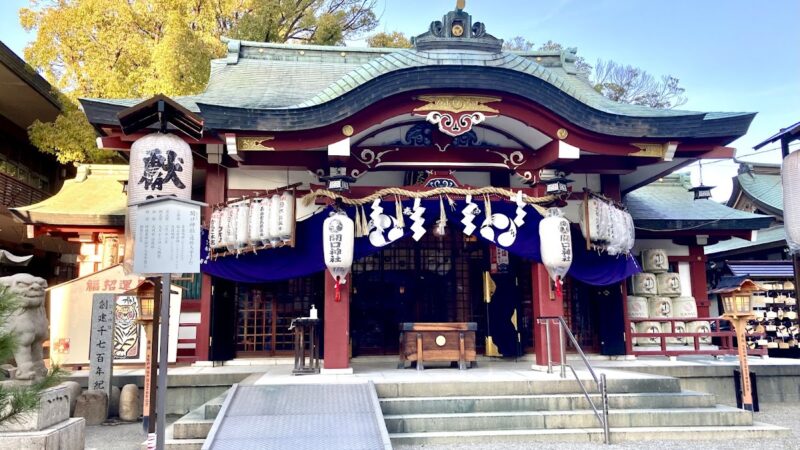
Tosa Inari Shrine’s building exudes a tranquil atmosphere despite its urban location. The shrine building displays the unique crest of Inari shrines, allowing visitors to appreciate the beauty of traditional shrine architecture.
Stone Monument at the Former Residence of the Iwasaki Family
The most important historical site on the temple grounds is the stone monument marking the former residence of the Iwasaki family. Originally located on an adjacent plot of land, this monument marked the site of the residence of Iwasaki Yataro and was later moved to the temple grounds. As a historical monument marking the birthplace of the Mitsubishi Group, it attracts many visitors.
Haiku Monument of Kikaku
Within the temple grounds is a haiku monument dedicated to Takarai Kikaku, a haiku poet from the Edo period. Erected in 1851, it bears the inscription: “Morning star, cherry blossoms uncertain, mountain quince.” This is a valuable cultural asset indicating that Tosa Inari Shrine has long been known as a famous cherry blossom viewing spot.
Stone Fence and Three Diamonds
The stone fence surrounding the temple grounds is inscribed with the names of the various Mitsubishi Group companies and the Three Diamonds logo. The stone fences donated by leading Japanese companies such as Mitsubishi Heavy Industries, Mitsubishi Corporation, and Mitsubishi UFJ Bank at this shrine testify to its status as the guardian deity of the Mitsubishi Group.
Shrine Office
At the shrine office, you can receive Goshuin (shrine stamps) and amulets. The three-diamond mark can also be seen on the shrine office building, reflecting the deep connection with Mitsubishi. Be sure to get a Goshuin when you visit.
Tosa Inari Shrine as a Famous Cherry Blossom Spot
A Famous Cherry Blossom Spot Since the Edo Period
Tosa Inari Shrine has been known as a famous cherry blossom spot since the Edo period, and was particularly famous for the beauty of its cherry blossoms at night. Approximately 100 Somei Yoshino cherry trees are planted in the shrine grounds and the adjacent Tosa Park, creating a magnificent tunnel of cherry blossoms in spring.
Night Cherry Blossom Event
Every year, from late March to early April, coinciding with the cherry blossom season, the “Night Cherry Blossom Event” is held for about 10 days. The cherry blossoms, illuminated at night, create a magical beauty, attracting both locals and tourists. Despite being in the heart of the city, it’s a popular hidden gem for enjoying the cherry blossoms in peace.
Integration with Tosa Park
Tosa Park, adjacent to the shrine, was developed from a portion of the former Tosa Domain’s storehouse grounds. The integrated space of the park and shrine is especially beautiful during cherry blossom season, serving as a local gathering place.
Access Information
Location
Address: 4-9-7 Kitahorie, Nishi-ku, Osaka City, Osaka Prefecture 550-0014
Access by Train
The Osaka Metro is the most convenient way to reach Tosa Inari Shrine.
- Osaka Metro Sennichimae Line/Nagahori Tsurumi-ryokuchi Line “Nishi-Nagahori Station”: Approximately 5 minutes on foot (nearest station)
- Osaka Metro Yotsubashi Line “Yotsubashi Station”: Approximately 8 minutes on foot
- Osaka Metro Midosuji Line “Shinsaibashi Station”: Approximately 12 minutes on foot
Access from Nishi-Nagahori Station is the most convenient; you will arrive immediately after heading north from Exit 2.
Access by Car and Parking
There is no dedicated parking lot for the shrine, so we recommend using public transportation when visiting. If you are visiting by car, please use a nearby coin parking lot.
Visiting Hours
While you can generally visit the shrine grounds freely, there may be limited hours for receiving Goshuin (shrine stamps) at the shrine office, so we recommend checking in advance.
Nearby Tourist Spots
Horie/Kita-Horie Area
Kita-Horie, where Tosa Inari Shrine is located, is a popular area lined with stylish cafes and shops. After visiting the shrine, you can also enjoy exploring the surrounding area.
Amerikamura
Amerikamura, located within walking distance, is a popular Osaka spot known as a hub of youth culture. It’s home to vintage clothing stores, cafes, and live music venues.
Shinsaibashi/Namba
Shinsaibashi and Namba, two of Osaka’s leading shopping and entertainment districts, are also within walking distance. You can enjoy shopping and dining.
Annual Events and Festivals
New Year’s Visit
As the birthplace of the Mitsubishi Group, many worshippers, including Mitsubishi Group employees, visit the shrine for their first shrine visit of the year. A distinctive feature is the presence of business representatives praying for business prosperity and success.
Annual Festivals
Various festivals are held throughout the year, but it is recommended to inquire at the shrine office for detailed dates.
Goshuin (Shrine Seal) Information
You can receive a Goshuin at Tosa Inari Shrine. It is available at the shrine office, but since staff may be absent, it is recommended to contact them in advance if you want to be sure to receive one.
The Goshuin (temple/shrine stamp) includes the shrine’s name and the date of visit, along with the shrine’s seal. You can bring your own Goshuincho (stamp book) or receive a pre-printed Goshuin from the shrine.
Current Relationship with the Mitsubishi Group
Tosa Inari Shrine still holds a special position as the guardian deity of the Mitsubishi Group. Mitsubishi Group companies regularly visit the shrine to pray for the safety and development of their businesses.
The three-diamond mark seen throughout the shrine grounds indicates that this shrine is not merely a historical site, but a living place of faith. This connection between a corporation and a shrine is a fascinating example in the history of Japanese business.
Manners and Precautions for Visiting a Shrine
Basic Worship Etiquette
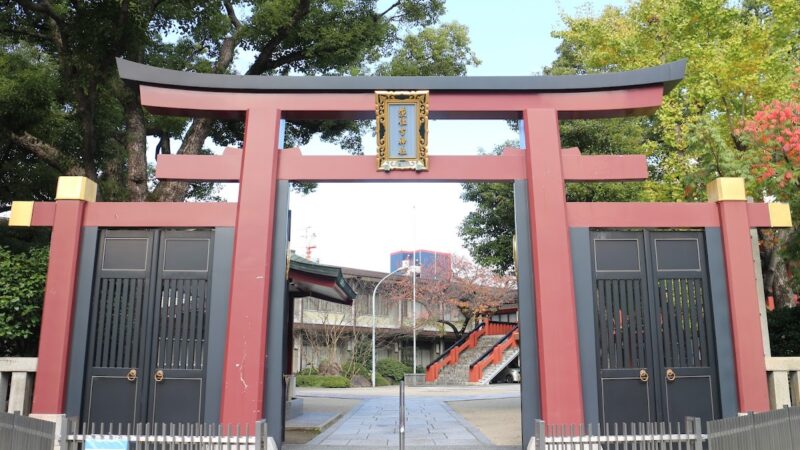
- Bow before passing through the torii gate.
- Cleanse your hands and mouth at the water basin.
- Bow twice, clap twice, and bow once in front of the main hall.
- Make your wish quietly in your heart.
Photography
Photography is generally permitted on the shrine grounds, but please be considerate of other worshippers. It is considered good manners to refrain from taking photos inside the shrine buildings.
Crowds During Cherry Blossom Season
The shrine is crowded during cherry blossom season, especially during the night cherry blossom viewing events. If you want to visit at a leisurely pace, it is best to choose a less crowded time, such as weekday mornings.
Summary of the Charms of Tosa Inari Shrine
Tosa Inari Shrine is a shrine with three major attractions: its historical background as the guardian shrine of the Tosa Domain’s storehouse during the Edo period, its importance as the birthplace of the Mitsubishi Group, and its beauty as a famous cherry blossom viewing spot.
Located in the heart of Osaka’s city center, Kitahorie in Nishi Ward, Tosa Inari Shrine maintains a tranquil atmosphere, a precious place where history and modernity coexist. It’s a beloved shrine for a diverse range of people, including those praying for business success, tourists interested in history, and locals enjoying the cherry blossoms.
When visiting Osaka, be sure to stop by Tosa Inari Shrine and experience the spirit of Japan’s modernization in the very place where Yataro Iwasaki built his business foundation. In spring, during cherry blossom season, you can also enjoy the beauty of this renowned cherry blossom viewing spot, a tradition dating back to the Edo period.
Despite its convenient location just a 5-minute walk from Nishinagahori Station, Tosa Inari Shrine offers a respite from the hustle and bustle of the city. As one of Osaka’s three major Inari shrines and the guardian deity of the Mitsubishi Group, it will undoubtedly continue to attract the faith of many.