Hattori Tenjin Shrine (Toyonaka City, Osaka Prefecture) Complete Guide | Benefits, Access, and Festival Information for the God of Feet
Hattori Tenjin Shrine, located in Hattori Motomachi, Toyonaka City, Osaka Prefecture, is a historic shrine visited by worshippers from all over the Kansai region as the “God of Feet.” Its origins lie in the anecdote of the healing of Sugawara no Michizane’s foot ailment during the Heian period, and today it is revered by soccer players, marathon runners, and many others seeking foot health. This article provides a detailed introduction to Hattori Tenjin Shrine, including its history, benefits, highlights within the grounds, festival information, and access methods.
What is Hattori Tenjin Shrine? | An Ancient Toyonaka Shrine Known as the God of Feet
Hattori Tenjin Shrine is located at 1-2-17 Hattori Motomachi, Toyonaka City, Osaka Prefecture, and its official name is “Hattori Tenjin Shrine.” Its former shrine rank was a village shrine, and it is affectionately known locally as “Hattori no Tenjin-san.” Located in a prime location, approximately a 2-minute walk from Hattori Tenjin Station on the Hankyu Takarazuka Line, Hattori Tenjin Shrine attracts many worshippers from the northern Osaka area, including Ibaraki, Takatsuki, and Minoo.
Upon entering the shrine grounds, the first thing that catches the eye is a giant geta (wooden clog) sculpture. This large geta symbolizes Hattori Tenjin Shrine’s status as the “god of feet,” and it’s a popular spot for social media photos.
Main Deities and Divine Virtues
Hattori Tenjin Shrine primarily enshrines two deities:
Sugawara no Michizane
A scholar and politician of the Heian period, he is known nationwide as the god of learning. In this area, he is particularly revered for his divine virtue of healing foot ailments.
Sukunahikona no Mikoto
Known as the god of medicine and health, he is believed to grant blessings for foot health and healing from illness.
The combination of these two deities is believed to grant a wide range of blessings at Hattori Tenjin Shrine, including not only the healing of foot ailments, but also academic success, good health, recovery from illness, and financial and business prosperity.
History of Hattori Tenjin Shrine | The Origin of Sugawara no Michizane and the Healing of Foot Illnesses
Hattori Tenjin Shrine’s founding dates back to the early 10th century. Its origins are intertwined with a moving anecdote involving Sugawara no Michizane.
The Legend of Sugawara no Michizane’s Healing of Foot Illnesses
In 901 (Engi 1), Sugawara no Michizane, having lost a political struggle, was exiled from Kyoto to Dazaifu (present-day Fukuoka Prefecture). During his long journey, while passing through this area (present-day Hattori, Toyonaka City), Michizane was suddenly struck by severe foot pain, rendering him unable to move.
In desperation, Michizane earnestly prayed for the healing of his foot ailment at a small shrine in the area. Miraculously, the pain in his feet completely subsided, and he was able to continue his journey safely to Dazaifu.
This miraculous event became famous, and the local people built a shrine to enshrine Michizane and Sukunahikona-no-Mikoto. This is considered the beginning of Hattori Tenjin Shrine. Since then, it has attracted worshippers as the “Shrine of Feet,” and to this day, many visitors come to pray for the health of their feet.
Developments since the Meiji Era
During the Meiji era, it was designated a village shrine and developed into a central shrine in the region. In 1898 (Meiji 31), a part of the Noh stage built at the Osaka Museum (now the Osaka Chamber of Commerce and Industry) was later relocated to this shrine, demonstrating its deep connection to Osaka’s cultural heritage.
In 1977 (Showa 52), the mirror room of the Noh stage, which was relocated from Osaka Tenmangu Shrine via Hattori Sumiyoshi Shrine, remains on the shrine grounds as a protective structure for the ancestral spirits, and it also possesses value as a historical building.
The Benefits of Hattori Tenjin Shrine | From Foot Health to Sports Improvement
Hattori Tenjin Shrine is believed to offer a variety of benefits due to its long history. While it is particularly famous for its benefits related to feet, it also offers a wide range of other divine blessings.
Healing of Foot Illnesses and Foot Health
The most famous benefit is the healing of foot ailments. People from all over Japan visit the shrine to pray for recovery from all kinds of foot-related illnesses and injuries, such as foot injuries, sprains, fractures, joint pain, and bunions. Many elderly people also visit regularly to maintain healthy legs and feet.
Sports Improvement and Enhanced Performance
Currently, the shrine enjoys strong devotion from people involved in sports and arts that utilize the feet, such as soccer players, marathon runners, track and field athletes, and ballet dancers. J-League players and professional athletes sometimes visit secretly, making it a sacred place to pray for success in foot-related sports.
Prayer for Academic Success and Passing Exams
As this shrine enshrines Sugawara no Michizane, it also offers blessings for academic success. Many students and those preparing for qualification exams visit to pray for success, and the shrine is especially crowded during exam season.
Prayer for Health and Recovery from Illness
Since Sukunahikona-no-Mikoto is the god of medicine, the shrine is also believed to offer blessings for health beyond just the feet, and for recovery from illness. Many visitors pray for the health of their families.
Good Fortune and Business Prosperity
Because “feet” have important meanings in business, such as “customer traffic” and “going out of business,” many business owners and shopkeepers visit to pray for business prosperity and improved financial fortune.
Highlights on the Shrine Grounds | Zori-do (Sandal Hall), Foot-Stepping Stone, Giant Geta (Wooden Sandals)
The grounds of Hattori Tenjin Shrine are dotted with unique worship spots related to feet. Each has its own meaning, making them must-visit places during your visit.
Main Shrine
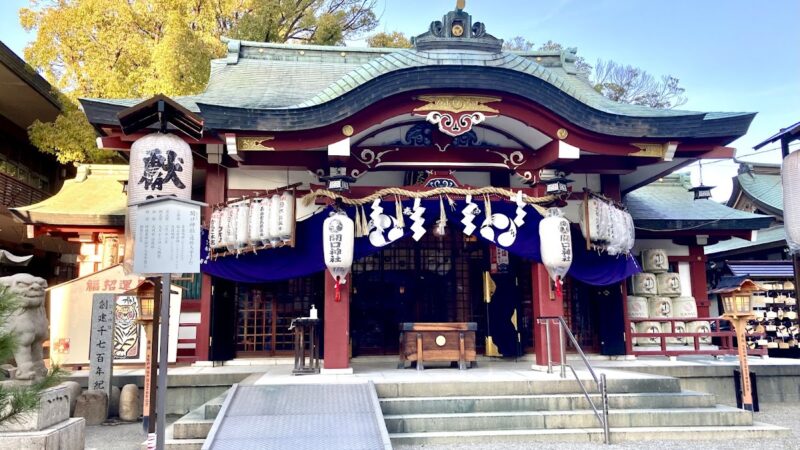
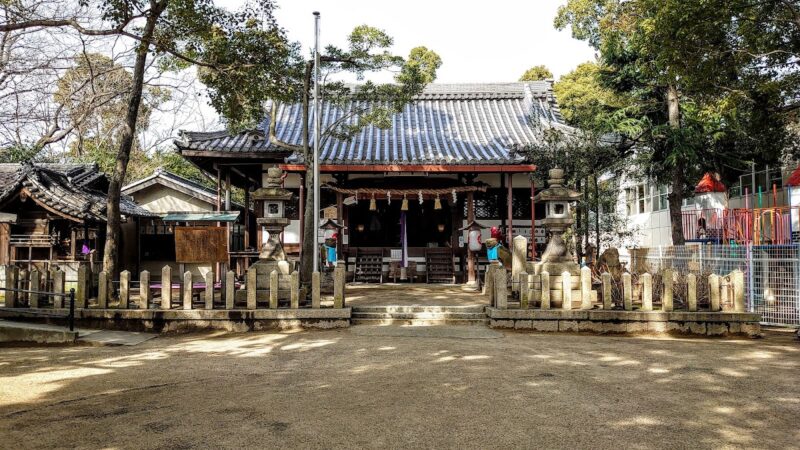
Located in the center of the shrine grounds, the main shrine is a sacred place dedicated to Sugawara no Michizane and Sukunahikona no Mikoto. Built in the traditional style of shrine architecture, it exudes a solemn atmosphere. When visiting, first offer your respectful prayers at the main shrine using the two bows, two claps, and one bow ritual.
Zori-do (Sandal Hall)
Within the shrine grounds is a special building called the “Zori-do.” Here, numerous sandals and shoes donated by people whose foot ailments have been cured are enshrined. The custom of donating sandals as a token of gratitude for having one’s wishes granted has continued since ancient times, and in modern times, sports shoes and soccer cleats are also donated.
Foot-Stepping Stone Prayer Pedestal
Within the shrine grounds is a special stone called the “Foot-Stepping Stone.” It is believed that stepping on this stone allows one to pray for foot health, and many worshippers place their feet on it and offer prayers. It is also said to stimulate pressure points on the soles of the feet, and is popular for its health-promoting effects.
Giant Geta (Japanese clog) Sculpture
Near the entrance to the shrine grounds, there is a giant geta sculpture, about the height of a person. This large geta is a beloved symbol of Hattori Tenjin Shrine and a popular spot for commemorative photos. Many visitors post photos of it on social media, and it is attracting attention from younger generations as well.
Ancestral Shrine Covering
The Ancestral Shrine Covering is a building of historical value. This building was originally part of a Noh stage built at the Osaka Museum in 1898 (Meiji 31), moved to Osaka Tenmangu Shrine in 1927 (Showa 2), and then moved to this shrine via Hattori Sumiyoshi Shrine in 1977 (Showa 52). It was used as the mirror room of the Noh stage and is a valuable architectural heritage from the Meiji period.
Hattori Foot Festival | A Grand Annual Festival
The biggest event at Hattori Tenjin Shrine is the “Hattori Foot Festival,” held every year in late September. This festival is held with a unique concept: expressing gratitude for our feet, learning about them, and praying for their health.
Hattori Foot Festival Details
The Hattori Foot Festival is usually held over two days, from September 26th to 27th (scheduled for the same dates in 2026). Various events are held on the temple grounds during the festival.
Foot Health Consultation Corner
Medical professionals and specialists offer consultations on foot health. This is a valuable opportunity to easily discuss foot problems.
Foot Shape Measurement and Foot Pressure Measurement
You can experience foot shape measurement and foot pressure distribution measurement using the latest equipment. You can scientifically learn about the condition of your feet.
Dedication Events
Sometimes, dedication performances or matches are held by athletes and entertainers.
Stalls and Food Pedestrians
Local specialty foods and festival food stalls line the streets, creating a lively and festive atmosphere.
Best Time to Visit
While the Hattori Ashi Festival period is particularly crowded with many visitors, if you prefer a quieter atmosphere, weekday mornings are recommended. The New Year’s season (January 1st-3rd) and exam season (January-February) are also busy, so those who wish to visit at a leisurely pace should consider visiting at a different time.
Access to Hattori Tenjin Shrine | How to Get There by Train and Car
Hattori Tenjin Shrine is located in the heart of Toyonaka City, Osaka Prefecture, and is easily accessible by public transportation.
Access by Train
Approximately 2 minutes on foot from Hattori Tenjin Station on the Hankyu Takarazuka Line
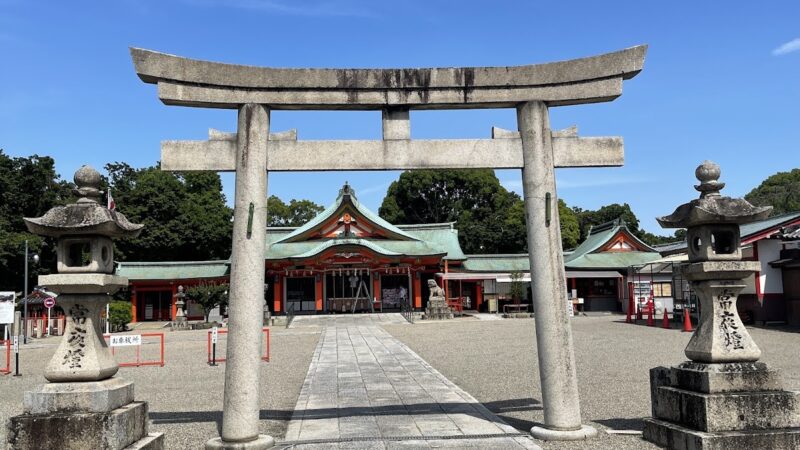
This is the easiest route to access. After exiting the ticket gate at Hattori Tenjin Station, head east, and you will immediately see the torii gate of Hattori Tenjin Shrine. As the station is named after the shrine, access from the station is excellent.
From Osaka Umeda Station, take the Hankyu Takarazuka Line for approximately 15 minutes and get off at Hattori Tenjin Station. Accessible from Takarazuka area in Hyogo Prefecture.
Access by Car
Approximately 6 minutes from Hanshin Expressway “Toyonaka Minami IC”
After exiting the Hanshin Expressway Route 11 Ikeda Line at the Toyonaka Minami Interchange, drive on local roads for approximately 6 minutes to arrive.
Parking Information
A dedicated parking lot is available on the shrine grounds. However, it may be full during festivals and New Year’s visits, so please use nearby coin-operated parking lots in such cases.
Address and Contact Information
Address: 1-2-17 Hattorimotomachi, Toyonaka City, Osaka Prefecture 561-0851
Phone Number: 06-6862-5022
Official Website: https://hattoritenjingu.or.jp/
How to Visit Hattori Tenjingu Shrine and Information on Amulets and Goshuin (Shrine Seals)
Etiquette for Visiting
Visiting Hattori Tenjingu Shrine follows the same etiquette as for any other shrine.
- Bow before passing through the torii gate.
- Cleanse your hands and mouth at the water basin.
- Offer your donation in front of the main shrine.
- Pray with two bows, two claps, and one bow.
- Pray at the sandal hall and foot-stepping stone.
- When leaving, turn around and bow after passing through the torii gate.
Amulets and Items Offered
Hattori Tenjin Shrine offers special amulets related to feet.
Foot Amulet
An amulet to protect the health of your feet; many people carry it inside their shoes.
Sports Amulet
An amulet for people who play sports such as soccer or marathon.
Academic Achievement Amulet
An amulet for academic success and passing exams, associated with Sugawara no Michizane.
Health Amulet
An amulet for praying for overall health.
Goshuin (Shrine Seal)
Hattori Tenjin Shrine also offers Goshuin (shrine seals). The goshuin (stamp) is available at the shrine office, and the offering fee is usually around 300 yen. You can bring your own goshuincho (stamp book) or purchase one on the day. Limited edition goshuin may also be available, so it’s a good idea to check the official website for the latest information.
Hankyu Three Tenjin Pilgrimage | Pilgrimage Route Including Hattori Tenjin Shrine
Hattori Tenjin Shrine is known as one of the shrines on the “Hankyu Three Tenjin Pilgrimage.” The Hankyu Three Tenjin Pilgrimage is a popular pilgrimage route visiting three Tenjin shrines located along the Hankyu Railway line.
The Three Shrines of the Hankyu Three Tenjin Pilgrimage
- Tsunashiki Tenjin Shrine (Kobe City) – Tenjin Shrine of Hyogo Prefecture
- Hattori Tenjin Shrine (Toyonaka City) – Tenjin Shrine of Osaka Prefecture
- Takatsuki Tenjin Shrine (Takatsuki City) or Nakayamadera Tenmangu Shrine (Takarazuka City) – Varies by region
Visiting all three shrines is believed to bring greater blessings, and the number of worshippers undertaking the Three Tenjin Pilgrimage on weekends is increasing. Since it’s possible to visit all three efficiently using the Hankyu Railway lines, a day trip is entirely feasible.
Recommended Tourist Spots Around Hattori Tenjin Shrine
When visiting Hattori Tenjin Shrine, you can also enjoy nearby tourist spots.
Hattori Ryokuchi Park
This is a large urban park located about 15 minutes from Hattori Tenjin Station. The vast grounds include the Japan Folk House Museum, a riding center, tennis courts, and an outdoor music hall, making it a popular spot for families. Enjoy the beauty of nature throughout the seasons.
Toyonaka City Cultural Arts Center
This is the cultural center of Toyonaka City, hosting concerts, plays, and other events. It’s within walking distance of Hattori Tenjin Station, offering a variety of cultural experiences.
Senrigawa Embankment (Airplane Photography Spot)
Toyonaka City is close to Itami Airport, and the Senrigawa Embankment is a nationally famous photography spot where you can see airplanes taking off and landing up close. It’s a bit of a distance from Hattori Tenjin Station, but it’s a must-visit for airplane enthusiasts.
Recommended Gourmet Food Around Hattori Tenjin Shrine
After visiting the shrine, enjoy the local cuisine around Hattori Tenjin Station.
Takoyaki Shop
Just a one-minute walk east from Hattori Tenjin Station, you’ll find a popular local takoyaki shop. Enjoy Osaka’s famous takoyaki at a reasonable price of 270 yen for 6 pieces. Perfect for a light snack after visiting the shrine.
Local Cuisine in the Shopping Street
Around Hattori Tenjin Station, there’s a traditional shopping street dotted with restaurants beloved by locals. With a variety of establishments including ramen shops, set meal restaurants, and cafes, you’ll have no trouble finding lunch or dinner.
Japanese Confectionery Shops
Purchasing souvenirs from local Japanese confectionery shops is a great way to commemorate your visit. You’ll find shops selling seasonal and specialty sweets.
Annual Events and Festivals at Hattori Tenjin Shrine
Hattori Tenjin Shrine holds various events throughout the year.
Main Annual Events
January 1st-3rd: Hatsumode (First Shrine Visit of the New Year)
Many people visit for New Year’s prayers. They pray for healthy feet and a safe year.
January-February: Exam Season
The shrine is bustling with students praying to Sugawara no Michizane, the god of learning, for success in their exams.
February: Setsubun Festival
Traditional events such as bean-throwing are held.
Late September: Hattori Foot Festival
This is the largest event of the year, held grandly over two days.
November: Shichi-Go-San
Shichi-Go-San visits are held to pray for the healthy growth of children.
December 31st: New Year’s Eve/Joya-sai Festival
Joya-sai (New Year’s Eve festival) is held to conclude the year.
Frequently Asked Questions about Hattori Tenjin Shrine
Q1: What are the visiting hours for Hattori Tenjin Shrine?
The grounds of Hattori Tenjin Shrine are generally open 24 hours a day, but the shrine office is usually open from 9:00 AM to around 5:00 PM. If you wish to receive amulets or Goshuin (shrine stamps), it is recommended to visit during these hours.
Q2: Is there parking available?
Yes, there is a parking lot for visitors on the shrine grounds. However, it may be full during busy periods such as New Year’s Day or the Hattori Foot Festival. In that case, please use nearby coin-operated parking lots. Since it’s easily accessible by train, using public transportation is recommended.
Q3: What should I offer after my foot ailment is cured?
Traditionally, people offer straw sandals or shoes to the Zori-do (sandal hall). Nowadays, many people offer their sports shoes or soccer cleats. You can also write a message of gratitude on an ema (votive tablet) and offer it.
Q4: Can I purchase amulets by mail?
Some shrines offer mail order, but please contact the shrine directly for details. The phone number is 06-6862-5022. It is considered preferable to receive the amulet in person whenever possible.
Q5: Is the Hattori Foot Festival held on the same dates every year?
It is generally held on September 26th and 27th every year, but the dates may change from year to year. Please check the official website or contact the shrine directly for the latest information.
Q6: Can I bring my pet to the shrine?
Generally, it is discouraged to bring pets to shrines. In the case of Hattori Tenjin Shrine, it is recommended to check with the shrine in advance regarding bringing pets onto the grounds.
Q7: Can I visit in a wheelchair?
For details on accessibility within the shrine grounds, please contact the shrine directly. As it is a shrine dedicated to the god of feet, many people with mobility issues visit, so accommodations are likely in place.
Summary | Pray for healthy feet and good fortune at Hattori Tenjin Shrine
Hattori Tenjin Shrine is a historic shrine in Toyonaka City, Osaka Prefecture, with a history of over 1100 years as the “god of feet.” Beginning with the anecdote of Sugawara no Michizane’s recovery from a foot ailment, it now attracts worshippers from a wide range of people, including soccer players, marathon runners, sports enthusiasts, and elderly people praying for healthy feet.
Within the shrine grounds, there are unique worship spots related to feet, such as a sandal hall, foot-stepping stones, and giant geta (wooden clogs), offering a special experience unlike any other shrine. The Hattori Foot Festival, held annually in late September, is a rare national festival where people give thanks for their feet and pray for their health, attracting many visitors.
Access is very convenient, just a 2-minute walk from Hattori Tenjin Station on the Hankyu Takarazuka Line, making it easily accessible from northern Osaka and throughout the Kansai region. It’s also known as one of the three Tenjin shrines visited on the Hankyu line, allowing visitors to enjoy it along with nearby tourist attractions and local cuisine.
Foot health is linked to overall health. Those praying for recovery from foot ailments or injuries, success in sports, academic achievement, or simply wanting to prioritize their daily health should definitely visit Hattori Tenjin Shrine and receive the blessings of its historical deities.