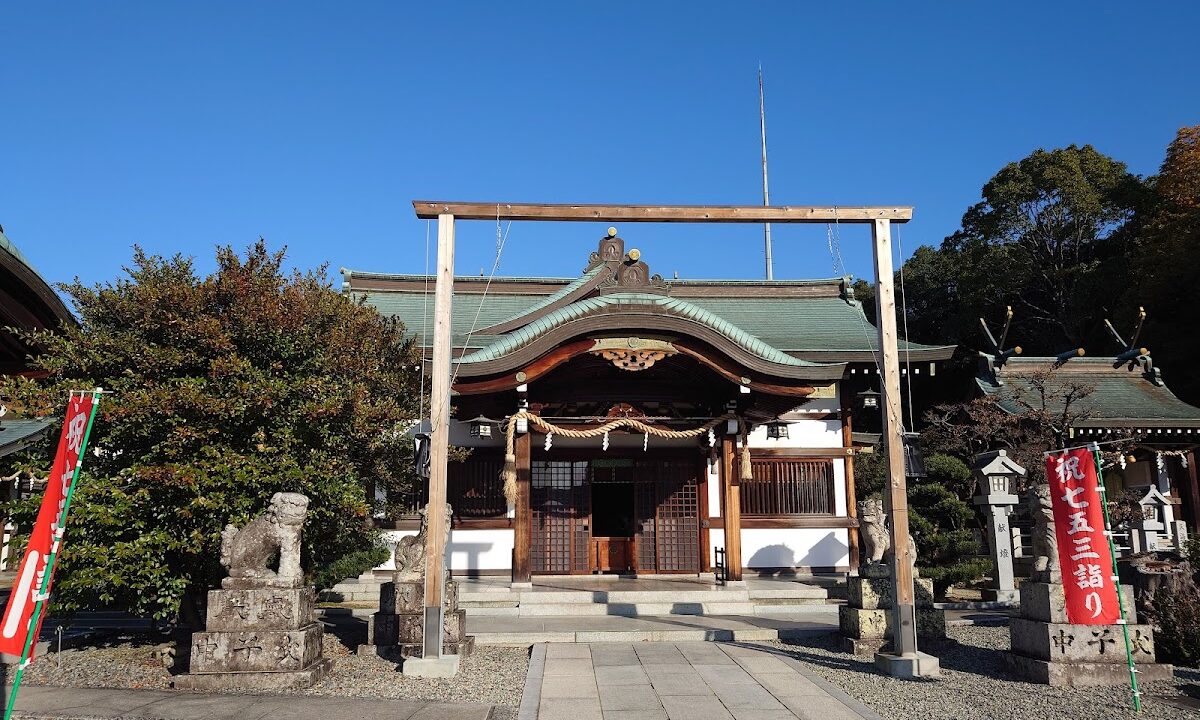
Inatsuhiko Shrine (Minoh City, Osaka Prefecture) | Complete Guide to the Shikinaisha Shrine: Goshuin (Shrine Seal), History, and Access
Inatsuhiko Shrine is a historic shrine located in Ishimaru, Minoh City, Osaka Prefecture. It is listed in the Engishiki Jinmyocho (a list of shrines compiled in the Heian period) as “Inatsuhiko Shrine, two shrines,” and has long been affectionately known locally as “Kayano no Omiya” or “Kayano no Omiya-san.” Despite being located in a quiet residential area, stepping onto the shrine grounds envelops you in a solemn atmosphere. It is a place of tranquility where people can pray peacefully amidst lush greenery, and serves as a spiritual haven for the local community.
Basic Information about Inatsuhiko Shrine
Location: 2-10-1 Ishimaru, Minoh City, Osaka Prefecture 562-0027
Deities Enshrined:
- Inatsuhiko-no-Okami
- Inatsuhime-no-Okami
Shrine Rank: Shikinaisha (Settsu Province, Toyoshima District), Former Village Shrine
Common Name: Kayano-no-Omiya, Kayano-no-Omiya-san
Former Name: Gozu Tenno-sha (Gozu Tenno-sha)
Nearest Station: Kita-Osaka Kyuko Railway/Osaka Monorail “Senri-Chuo Station”, Hankyu Senri Line “Kita-Senri Station”
About the Enshrined Deities
Inatsuhiko Shrine enshrines two deities: Inatsuhiko-no-Okami and Inatsuhime-no-Okami. The Engishiki Jinmyocho (a list of shrines compiled in the Heian period) clearly states “Inatsuhiko Shrine, two deities,” and these two deities are thought to correspond to Inatsuhiko-no-kami and Inatsuhime-no-kami, respectively.
There are various theories about the origin of the name “Inatsu,” but it is believed to be related to ancient place names or clan names, and the deities have been worshipped as gods who pioneered and protected this region. As a male and female deity, they are worshipped as a married couple, and are believed to bestow blessings such as matchmaking, family safety, and abundant harvests.
From the medieval period onward, it was worshipped as Gozu Tenno Shrine and was revered as a god of protection against epidemics and misfortune. Following the separation of Shinto and Buddhism in the Meiji era, the shrine reverted to its current name, maintaining its status as an ancient shrine listed in the Engishiki.
History of Inatsuhiko Shrine
Ancient History
While the exact founding date of Inatsuhiko Shrine is unclear, its inclusion in the Engishiki Jinmyocho (Register of Shrines) compiled in 927 AD as “Inatsuhiko Shrine, two shrines, Toyoshima District, Settsu Province” indicates that it was already a prestigious shrine recognized by the imperial court during the mid-Heian period.
Being listed as a Shikinaisha (shrine listed in the Engishiki) signifies that it was a shrine of great importance in the Ritsuryo state of the time and was the object of national worship. Toyoshima District in Settsu Province corresponds to the area from northern Osaka Prefecture to southeastern Hyogo Prefecture, suggesting that the shrine played a significant role in the development and cultivation of this region.
Changes in the Medieval Period
During the medieval period, influenced by the syncretism of Shinto and Buddhism, it came to be worshipped as a shrine dedicated to Gozu Tenno. Gozu Tenno was widely worshipped as a god who wards off epidemics, and it is said that many worshippers visited the shrine, especially during the summer epidemic season. The name “Gozu Tenno-sha” is also sometimes seen during this period.
From Early Modern to Modern Times
During the Edo period, it was revered by the local people as the tutelary deity of Kayano Village and was affectionately known as “Kayano no Omiya.” It held an important position in the community, playing a central role in village festivals and annual events.
Following the Meiji-era separation of Shinto and Buddhism, the shrine reverted to its original name, Inatsuhiko Shrine, from the Gozu Tenno faith, and was ranked as a village shrine. Even after the abolition of the shrine ranking system after the war, it has continued to uphold its history as a Shikinaisha (a shrine listed in the Engishiki) and its role as the local tutelary deity.
Inatsuhiko Shrine in the Present Day
While the Ishimaru area of present-day Minoh City has developed into a quiet residential area, Inatsuhiko Shrine maintains its lush grounds and is cherished as a spiritual center for the local people. Many worshippers visit the shrine for important life events such as New Year’s Day, Shichi-Go-San (a traditional rite of passage for children), and exorcisms, making it a beloved shrine deeply rooted in the community.
Highlights of the Shrine Grounds
Spacious Grounds
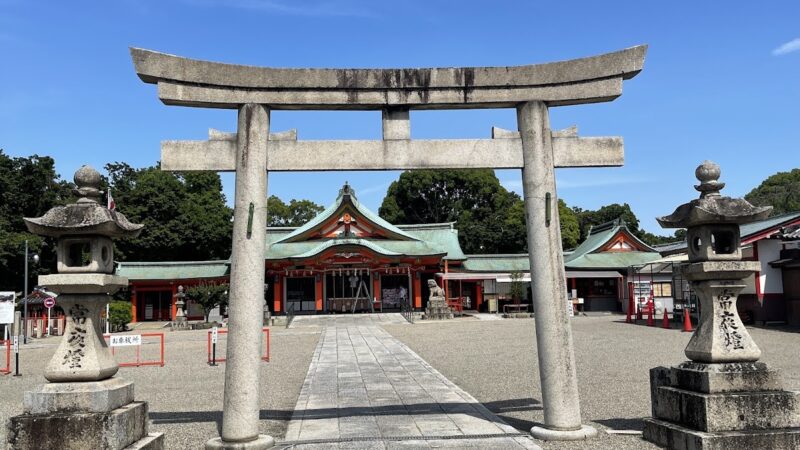
The grounds of Inatsuhiko Shrine are quite spacious, and despite being located in a residential area of an urban center, it retains abundant nature. As you proceed along the approach to the shrine, a tranquil space surrounded by trees unfolds, allowing you to forget the hustle and bustle of everyday life.
The grounds also have a large parking lot, accommodating many worshippers. While usually quiet, the grounds become bustling with people during festivals and New Year’s.
Komainu (Guardian Dogs) and Stone Sculptures
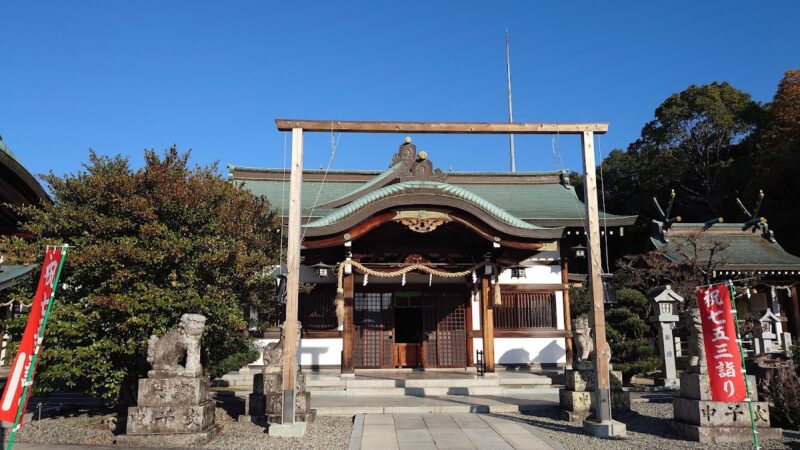
Several komainu (guardian dog statues) are placed throughout the grounds, each representing a different era and style. The stone sculptures are so numerous that some worshippers describe them as “lots of komainu.” These guardian lion-dogs and stone lanterns are testaments to faith that have been offered over the ages, and are valuable cultural assets that tell the story of the shrine’s history.
Main Hall and Worship Hall
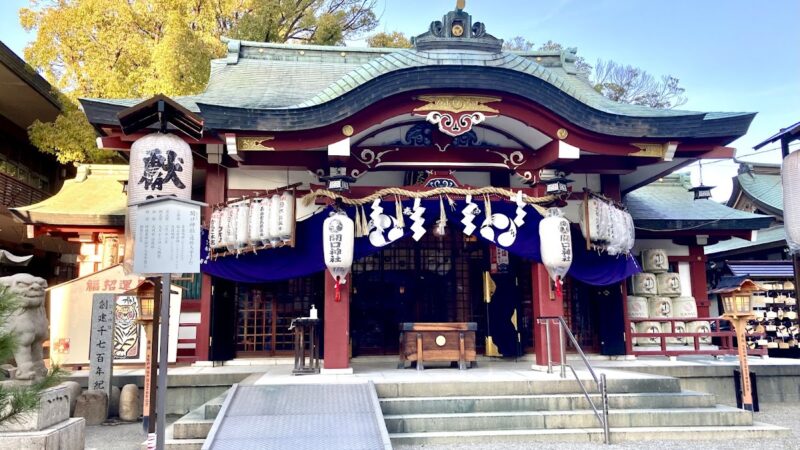
The main hall is built in the traditional style of shrine architecture, and together with the worship hall, it exudes a solemn atmosphere. Although located in a residential area, stepping onto the grounds feels like entering a different world—a sacred space unfolds.
Subsidiary Shrines
Small subsidiary shrines are also enshrined around the main hall, allowing visitors to pray for various divine blessings. They are interesting as they demonstrate the diversity of local beliefs.
About Goshuin (Shrine Seals)
Inatsuhiko Shrine offers goshuin (shrine seals). The shrine’s name is unique and beautiful, and some visitors say they came to worship because they liked the name.
The goshuin features the shrine’s name, “Inatsuhiko Shrine,” and the date written in ink, along with the shrine’s seal. It is a carefully crafted goshuin that reflects the shrine’s status as a Shikinaisha (a shrine listed in the Engishiki, an ancient Japanese legal code).
Goshuin (Shrine Seal) Reception Hours and Location
Goshuin (shrine seal) reception hours are during the shrine office’s opening hours. It is recommended to check before visiting. Since staff may be absent, it’s best to inquire in advance if you want to be sure to receive a goshuin.
About Goshuincho (Shrine Seal Books)
Regarding the availability of original goshuincho, it is recommended to check upon your visit. As this is a historically significant shrine listed in the Engishiki (ancient Japanese legal code), it would be a good idea to bring a goshuincho as a memento of your visit.
Annual Events and Festivals
At Inatsuhiko Shrine, various festivals and events are held throughout the year.
Main Annual Events
- New Year’s Day Festival: The most important festival to welcome the new year
- Setsubun Festival: Prayers for protection from evil and for good fortune
- Spring Grand Festival: A festival celebrating the arrival of spring
- Summer Purification Ceremony: A Shinto ritual to cleanse away the sins and impurities accumulated over the past six months
- Autumn Grand Festival: The most grand festival to give thanks for the harvest
- Shichi-Go-San Festival: A visit to celebrate the growth of children
- Year-End Purification Ceremony: A Shinto ritual to cleanse away the sins and impurities accumulated over the past year
The Autumn Grand Festival, in particular, is an important local event and attracts many worshippers.
Access and Transportation Information
Access by Train
From Senri-Chuo Station on the Kita-Osaka Kyuko Railway and Osaka Monorail:
- Take a Hankyu Bus and get off at the Ishimaru bus stop, then walk for approximately 5 minutes.
- Take a taxi for approximately 10 minutes.
From Kita-Senri Station on the Hankyu Senri Line:
- Walk for approximately 20 minutes.
- Take a Hankyu Bus and get off at the Ishimaru bus stop, then walk for approximately 5 minutes.
Access by Car
From Osaka City:
- Head north on Shin-Midosuji (National Route 423) towards Senri-Chuo.
- Approximately 30 minutes (may vary depending on traffic conditions).
Using the Meishin Expressway:
- Approximately 20 minutes from Ibaraki IC or Suita IC.
Parking
A large parking lot is available on the temple grounds. While there is usually ample parking space, it may become crowded during New Year’s and festivals, so it is recommended to allow plenty of time for your visit.
Landmarks in the Surrounding Area
Located in a quiet residential area of Ishimaru, Minoh City. There are parks and schools nearby, creating a harmonious community environment. For car navigation, entering the address “2-10-1 Ishimaru, Minoh City, Osaka Prefecture” is convenient.
Manners and Points for Visiting the Shrine
Basic Etiquette for Visiting the Shrine
- Bow before passing through the torii gate: As a sign of respect before entering the sacred area.
- Purify yourself at the water basin: Purify your left hand, then your right hand, then your mouth.
- Avoid walking in the center of the path: The center is considered the path of the gods.
- Etiquette in front of the main hall: The basic procedure is two bows, two claps, and one bow.
Regarding Photography
Photography is generally permitted within the shrine grounds, but please refrain from taking pictures inside the main hall or during religious ceremonies. Remember to be considerate of other visitors.
Attire
There are no specific dress code requirements, but it is desirable to dress appropriately for a sacred place. If you are receiving prayers, slightly more formal attire is recommended.
Nearby Attractions and Tourist Spots
Minoo Falls
Minoo Falls, a representative tourist attraction of Minoo City, is about a 15-minute drive from Inatsuhiko Shrine. This beautiful waterfall, selected as one of Japan’s Top 100 Waterfalls, is especially popular with tourists during the autumn foliage season.
Katsuoji Temple
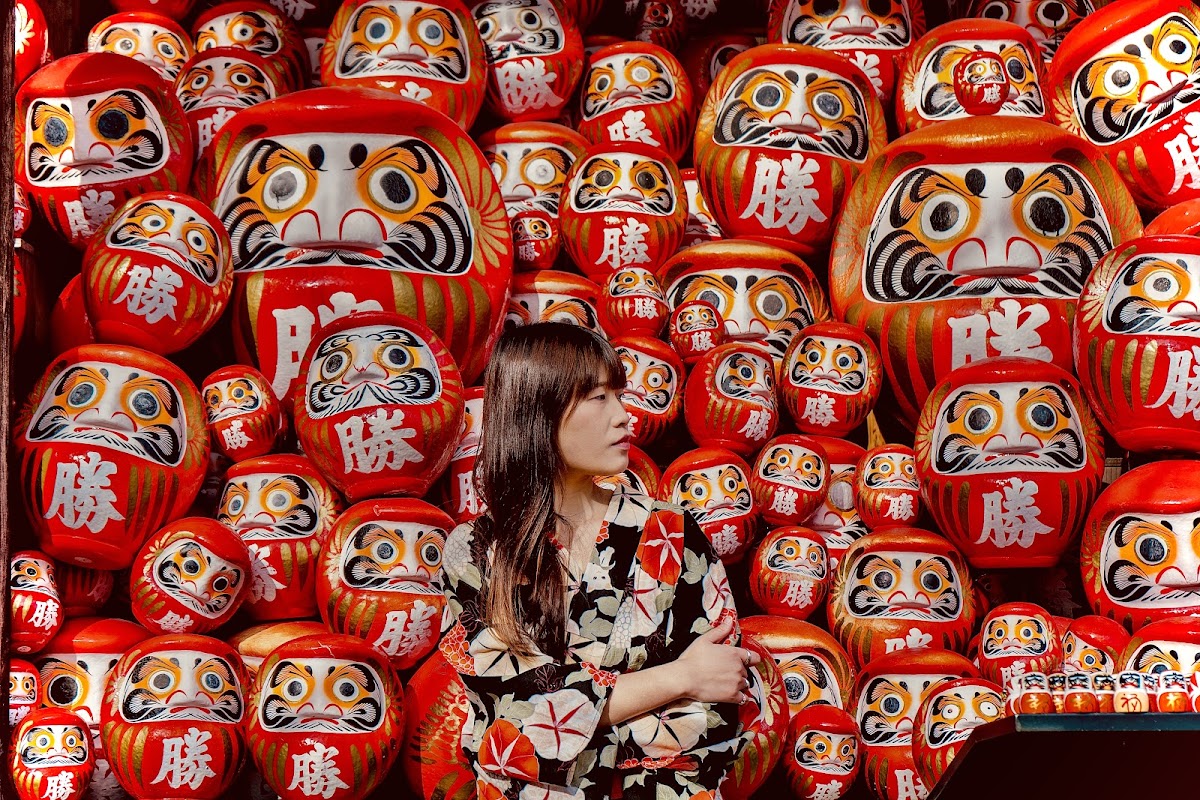
Katsuoji Temple, known for its “winning daruma dolls,” is also located in Minoo City, about a 20-minute drive away. It attracts visitors from all over Japan seeking good fortune and success.
Senri-Chuo Area
The area around the nearest Senri-Chuo Station has many shopping malls and restaurants, making it convenient for meals and shopping after your visit.
Expo Commemoration Park
Expo Commemoration Park, built on the site of the 1970 Osaka World Expo, is famous for its Tower of the Sun. Located about a 15-minute drive from Inatsuhiko Shrine, this vast site offers the opportunity to enjoy nature throughout the seasons.
The Charm of Inatsuhiko Shrine
An Oasis in the City
Despite being located in an urban residential area of Minoh City, the shrine grounds maintain a lush, tranquil space. It is a precious place where you can escape the hustle and bustle of everyday life and pray in peace.
Status as a Shikinaisha Shrine
As a Shikinaisha shrine listed in the Engishiki Jinmyocho (a list of shrines compiled in the Heian period), it is a venerable shrine with a history of over a thousand years. The faith in the gods who have protected this land since ancient times has been passed down continuously to the present day.
A Faith Rooted in the Community
Affectionately known as “Kayano no Omiya” by the local people, it is a shrine visited by many people at important life events such as New Year’s visits, Shichi-Go-San (a traditional rite of passage for children), and exorcisms. It also plays a central role in the local community.
The Charm of a Unique Shrine Name
The shrine’s name, “Inatsuhiko,” has a unique and beautiful sound that conveys an ancient atmosphere. Many people are drawn to this name and visit the shrine, and it is also popular among collectors of Goshuin (shrine stamps).
Visitor Feedback
Visitors who have actually visited Inatsuhiko Shrine have shared the following comments:
- “The grounds were spacious, and it was a quiet space that made me forget I was in the city.”
- “There were many guardian lion-dogs, and it was interesting to see that each one had a different expression.”
- “The shrine’s name is beautiful, so I came to get a Goshuin.”
- “I could feel that it is loved by the local people.”
- “The parking lot was large and convenient.”
- “I was impressed by the solemn atmosphere, which was hard to believe was in the middle of a residential area.”
What is a Shikinaisha?
Inatsuhiko Shrine holds the status of a “Shikinaisha.” A Shikinaisha is a shrine listed in the Engishiki Jinmyocho (Register of Shrines), compiled in 927 AD. It refers to a historically significant shrine recognized by the imperial court during the mid-Heian period.
Of the approximately 3,100 Shikinaisha nationwide, about 75 are located in Settsu Province (present-day northern Osaka Prefecture and southeastern Hyogo Prefecture), and Inatsuhiko Shrine is one of them. The description “two deities” indicates that it was considered important from ancient times as a shrine enshrining two gods.
Being a Shikinaisha signifies not only that it is an ancient shrine, but also that it was a highly prestigious shrine that was the object of national worship in the ancient Ritsuryo state.
Historical Background of Toyoshima District, Settsu Province
The former Toyoshima District of Settsu Province, where Inatsuhiko Shrine is located, was a region that developed as a transportation hub from ancient times. Located in the northern part of the Osaka Plain, it was an important area connecting Kyoto and Osaka.
The Toshima district has many shrines listed in the Engishiki (ancient Japanese legal code), indicating that it was a region with deep religious faith since ancient times. Inatsuhiko Shrine is also considered to be one of the shrines that played an important role in the development and cultivation of this region.
Currently, Minoh City has developed as a commuter town for Osaka, but many shrines and temples that convey ancient history remain, making it a fascinating region where history and modernity coexist.
Notes on Visiting
Visiting Hours
While the shrine grounds are generally open for free worship, the shrine office has limited opening hours. If you wish to receive a Goshuin (shrine stamp) or prayers, it is recommended to check in advance.
Crowds During Festivals
Crowds are expected during festivals such as the first three days of the New Year and the Autumn Grand Festival. If you wish to visit at a leisurely pace, it is best to choose weekdays or times outside of festivals.
Consideration for the Surrounding Environment
The area around the shrine is a residential area. Visitors should be considerate of nearby residents by avoiding noise, illegal parking, etc.
Weather Preparations
The shrine grounds are surrounded by trees, and the ground may become slippery in rainy weather. We recommend wearing appropriate footwear.
Summary
Inatsuhiko Shrine is a venerable shrine with over a thousand years of history, located in Minoh City, Osaka Prefecture. Affectionately known as “Kayano no Omiya” by the local people, it maintains a lush and tranquil atmosphere despite its urban location.
The shrine enshrines Inatsuhiko-no-Okami and Inatsuhime-no-Okami, and is believed to bestow blessings for matchmaking, family safety, and protection from evil. The spacious grounds feature numerous guardian lion-dogs and stone structures, conveying a sense of history.
With relatively convenient access and ample parking, it’s an easily accessible shrine for Osaka sightseeing. Visiting it in conjunction with nearby attractions such as Minoh Falls and Expo Commemoration Park is also recommended.
Inatsuhiko Shrine is appealing for its unique and beautiful name, its status as a Shikinaisha (a shrine listed in the Engishiki), and its warm, community-rooted atmosphere. If you’re visiting northern Osaka Prefecture, why not pay a visit? You can find peace of mind in its tranquil grounds and have a valuable experience reflecting on the history of faith that has continued for over a thousand years.