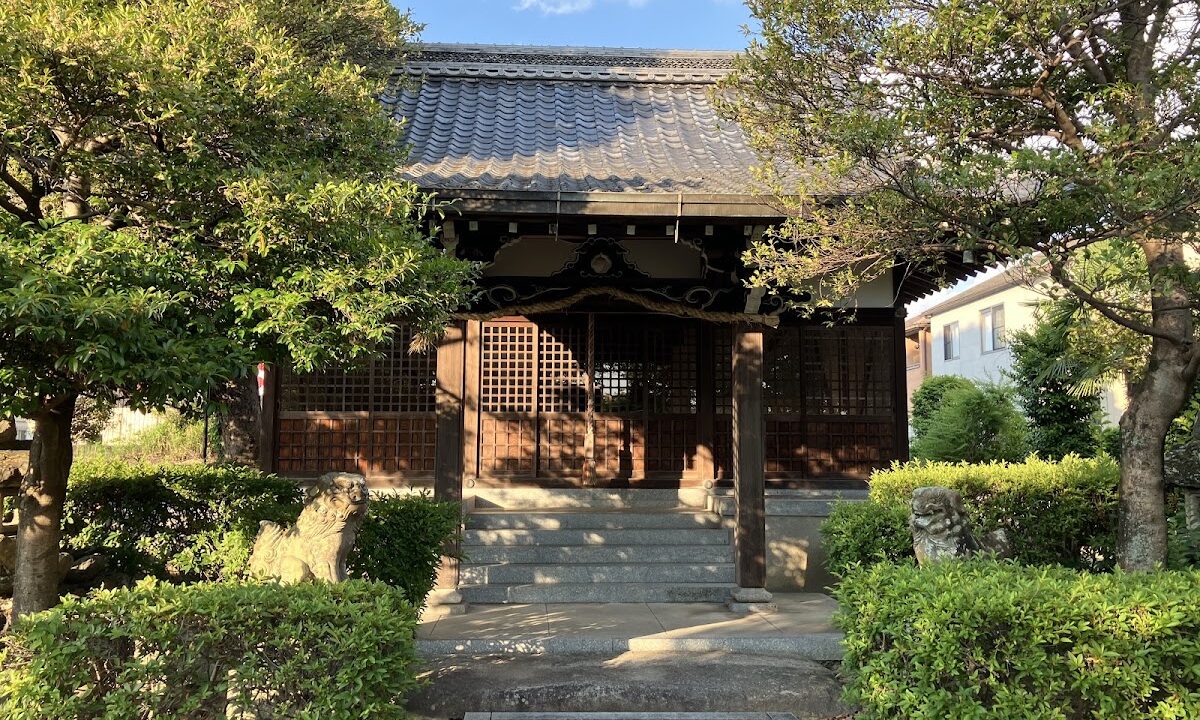
Goji Shrine (Minoh City, Osaka Prefecture) Complete Guide | Detailed Explanation of Deities, Access, and History
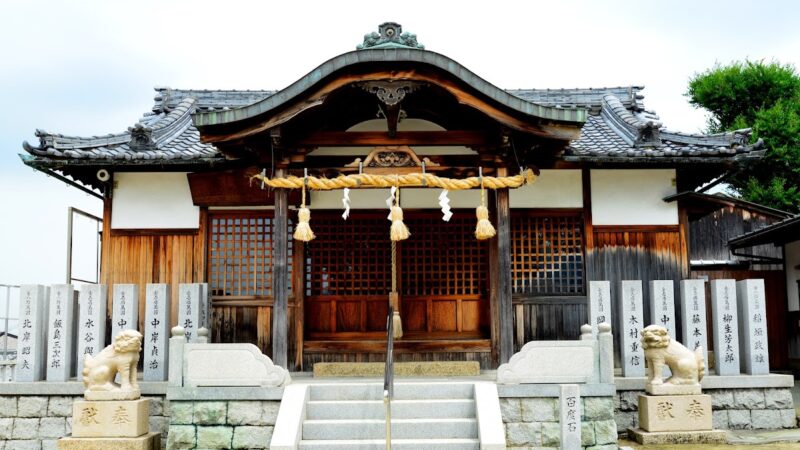
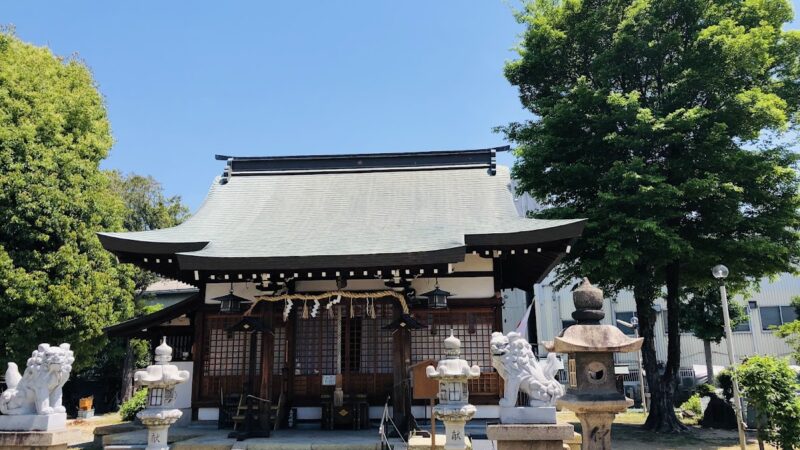
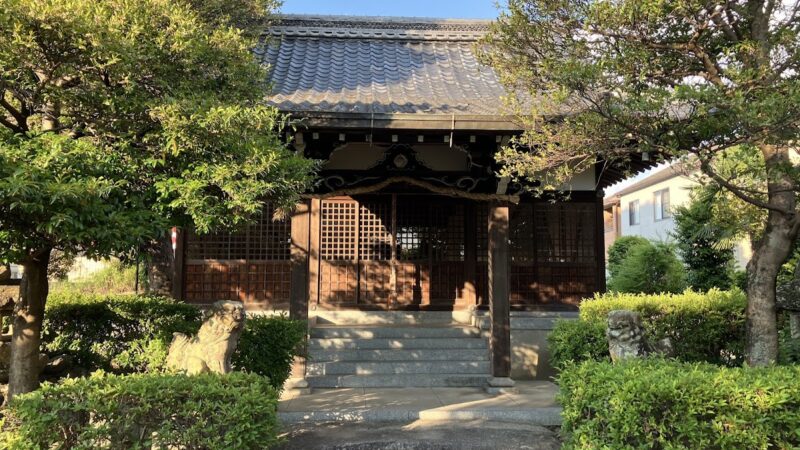
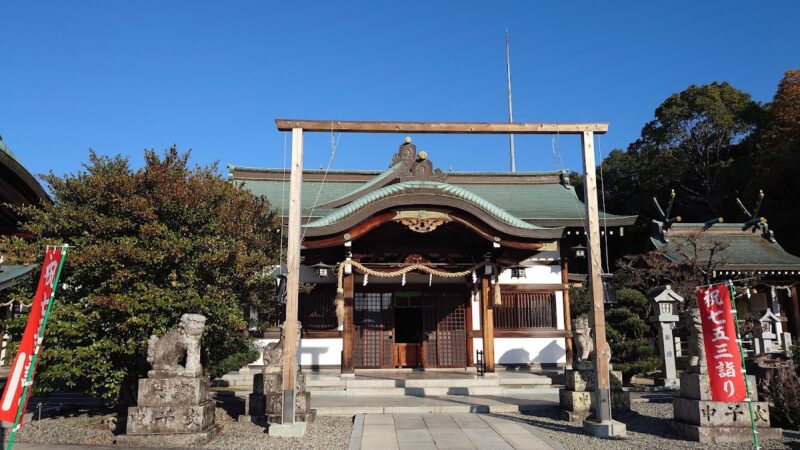
Goji Shrine, quietly nestled in the Aogaiin district of Minoh City, Osaka Prefecture, is a historic shrine long cherished by the local community. Despite being located in the increasingly urbanized Hokusetu area, it maintains a tranquil atmosphere, offering peace to visitors. This article provides a detailed introduction to Goji Shrine, including its enshrined deities, history, access methods, and surrounding area information.
What is Goji Shrine?
Goji Shrine is a shrine located at 5-4-1 Aogaiin, Minoh City, Osaka Prefecture, and is officially registered with the Osaka Prefectural Shrine Association. Pronounced “Goji Jinja,” it has long been a place of worship in the region.
Minoh City is located in the northern part of Osaka Prefecture and is a naturally rich area known for Meiji no Mori Minoh Quasi-National Park and Minoh Falls. Among these areas, the Aogoin district has developed as a residential area, and Goji Shrine is cherished as a spiritual center for the local residents.
There are various theories about the origin of the shrine’s name, “Goji,” but it is believed to be deeply connected to the region’s history and beliefs. Though small, it is a shrine deeply rooted in the community and has been passed down to the present day under the management of Kasuga Shrine.
About the Deities
Goji Shrine enshrines three deities, each possessing different divine virtues.
Yagokoro Omoikane no Mikoto
The main deity enshrined is Yagokoro Omoikane no Mikoto. This deity is known as the god of wisdom in Japanese mythology and is an important deity appearing in the Kojiki and Nihon Shoki.
When Amaterasu Omikami hid in the Amano-Iwato cave, Yagokoro Omoikane no Mikoto gathered the gods and devised a plan to lure Amaterasu Omikami out of the cave. The name “Yagokoro” means “many wisdoms,” and “Omoikane” means “possessing thoughtfulness.”
This deity is believed to bestow blessings for academic success, passing exams, and improving career prospects, and is worshipped as a god who grants wisdom and judgment.
Sanpo Kojin
Sanpo Kojin is a deity that combines Buddhism and Shintoism, and has been worshipped as the god of fire and the hearth. It is believed to bestow blessings for household safety, protection from fire, and protection from evil.
In particular, as a god who protects kitchens and hearths, it has long been an object of folk worship. It is cherished by local people as a god who protects the peace and safety of the home.
Atago Gongen
Atago Gongen is also known as a god of fire and is worshipped for its blessings of fire prevention and fire suppression. This faith, originating from Mount Atago in Kyoto, spread throughout Japan and has been revered as a deity protecting homes and communities from fire.
During the Edo period, it became particularly popular in urban areas as a “fire-preventing god,” and was widely worshipped in merchant houses and ordinary households.
With these three deities enshrined, Goji Shrine possesses diverse divine blessings, including the bestowal of wisdom, family safety, and protection from fire.
Location Information
Official Address: 5-4-1 Aogeiin, Minoh City, Osaka Prefecture 562-0025
Goji Shrine is located in the Aogeiin district in the northern part of Minoh City. This area has developed into a quiet residential area, and the area around the shrine is enveloped in a peaceful atmosphere.
The place name Aogoin has been passed down in this region for a long time. “Gaiin” is thought to be a place name related to temples, suggesting the possibility that a temple once existed in this area.
Access Methods
Goji Shrine can be accessed by both public transport and private car.
Nearest Station/Line
Hankyu Senri Line, Kita-Senri Station is the nearest station. However, the shrine is some distance from the station, so taking the bus is more convenient.
Minoh-Kayano Station (Kita-Osaka Kyuko Line/Osaka Monorail) is also accessible, but it’s about a 28-minute walk from the north exit. While it’s suitable for a stroll on a nice day, taking the bus is generally recommended.
Nearest Bus Stop/Line
Hankyu Bus “Gaiin” bus stop is very close to the shrine and is the most convenient access method.
- Take a Hankyu Bus from Kita-Senri Station
- Get off at the “Gaiin” bus stop
- A short walk from the bus stop
Bus schedules and frequency vary depending on the season and day of the week, so it is recommended to check the Hankyu Bus official website in advance.
Access by Private Car
Access by private car is possible via Shin-Midosuji (National Route 423) or the Chuo Loop Line. However, it is necessary to check in advance regarding the shrine’s dedicated parking lot. Since the surrounding area is a residential area, please avoid street parking and consider using nearby coin-operated parking lots or public transportation.
Contact Information and Managing Shrine
Goji Shrine is managed by Kasuga Shrine.
Contact Information: Kasuga Shrine (Tel: 072-729-8268)
For questions regarding worship, requests for prayers, and other inquiries about the shrine, please contact Kasuga Shrine at the above number. Reception hours are generally the same as other shrine offices, but it is recommended to confirm by phone in advance.
History and Origins of Goji Shrine
While the exact founding date of Goji Shrine is unclear due to limited historical records, it is undoubtedly a shrine deeply intertwined with the local history.
The Aogaiin district has long been a settled area, forming a community centered on agriculture. Goji Shrine is believed to have functioned as a central place of worship in this community, serving as the village’s guardian shrine.
The enshrinement of Yagokoro-Omoikane-no-Mikoto suggests a local culture that valued learning and wisdom. Furthermore, the enshrinement of Sanbo-Kojin and Atago-Gongen indicates an emphasis on practical beliefs, such as protecting the village from fire.
Despite the impact of the Meiji-era separation of Shinto and Buddhism and the shrine consolidation policy, Goji Shrine, preserved through the efforts of local people, continues to exist today as a spiritual pillar of the community.
Points to Note When Visiting
Visiting Hours
Goji Shrine is generally open to visitors at any time. However, since the shrine office may not always be staffed, those wishing to receive a Goshuin (shrine stamp) or prayers are advised to contact the managing shrine, Kasuga Shrine, in advance.
Shrine Visiting Etiquette
Please observe basic shrine visiting etiquette:
- Bow before passing through the torii gate.
- Avoid walking in the center of the path (the center is the path of the gods).
- Cleanse your hands and mouth at the purification fountain.
- Bow twice, clap twice, and bow once in front of the main hall.
- Bow once again at the torii gate when leaving.
Recommended Time to Visit
While Goji Shrine is open year-round, the following times are particularly recommended:
- New Year’s Day (Hatsumode): Pray for a safe and peaceful New Year.
- Spring: The fresh greenery is beautiful; pray for academic success in the new school year/fiscal year.
- Autumn: The autumn foliage season; visit in a calm atmosphere.
Shrine Culture of Minoh City
Besides Goji Shrine, Minoh City has many other shrines, each conveying the history and culture of the region.
Representative shrines in Minoh City include Takiyasu-ji Temple (which enshrines the first Benzaiten in Japan) and Seiko-ji Temple, and the area around Minoh Falls has long been known as a sacred site for Shugendo (mountain asceticism).
Small, community-oriented shrines like Goji Shrine have a different charm than large shrines. They are close to the local residents and preserve a form of faith that is integrated into daily life.
Nearby Attractions
When visiting Goji Shrine, you can also enjoy nearby tourist spots.
Minoh Falls
A representative tourist attraction of Minoh City, and selected as one of Japan’s Top 100 Waterfalls. It is a bit of a distance from Goji Shrine, but it is a spot you should definitely visit if you are in Minoh.
Katsuoji Temple
A Shingon Buddhist temple of the Koyasan sect, known as the “Temple of Good Fortune.” It is famous for its Daruma dolls and attracts many worshippers.
Minoo Onsen
With excellent hot spring facilities such as Minoo Kannon Temple and Minoo Onsen Spa Garden, it’s perfect for relaxation after visiting the shrine.
Connection with the Community
Goji Shrine has played various roles as a central presence in the local community. It serves as a place to deepen bonds among residents through local festivals and events.
Even today, people visit the shrine for important life events such as New Year’s prayers, Shichi-Go-San (a traditional rite of passage for children), and exorcisms, continuing to serve as a spiritual pillar for the community.
Summary
Goji Shrine is a historical shrine located in Aogaiin, Minoo City, Osaka Prefecture, with Yagokoro-Omoikane-no-Mikoto, the god of wisdom, as its main deity. Sanbo Kojin and Atago Gongen are also enshrined there, offering various divine blessings including academic success, family safety, and protection from fire.
The nearest bus stop is “Gaiin” on the Hankyu Bus line, and the shrine is managed by Kasuga Shrine. Located in the rapidly urbanizing Hokusetu area, this shrine maintains a tranquil atmosphere deeply rooted in the local community, offering peace and tranquility to its visitors.
When you visit Minoh City, be sure to stop by Goji Shrine and experience the local history and culture. The deities who bestow wisdom and peace await you.