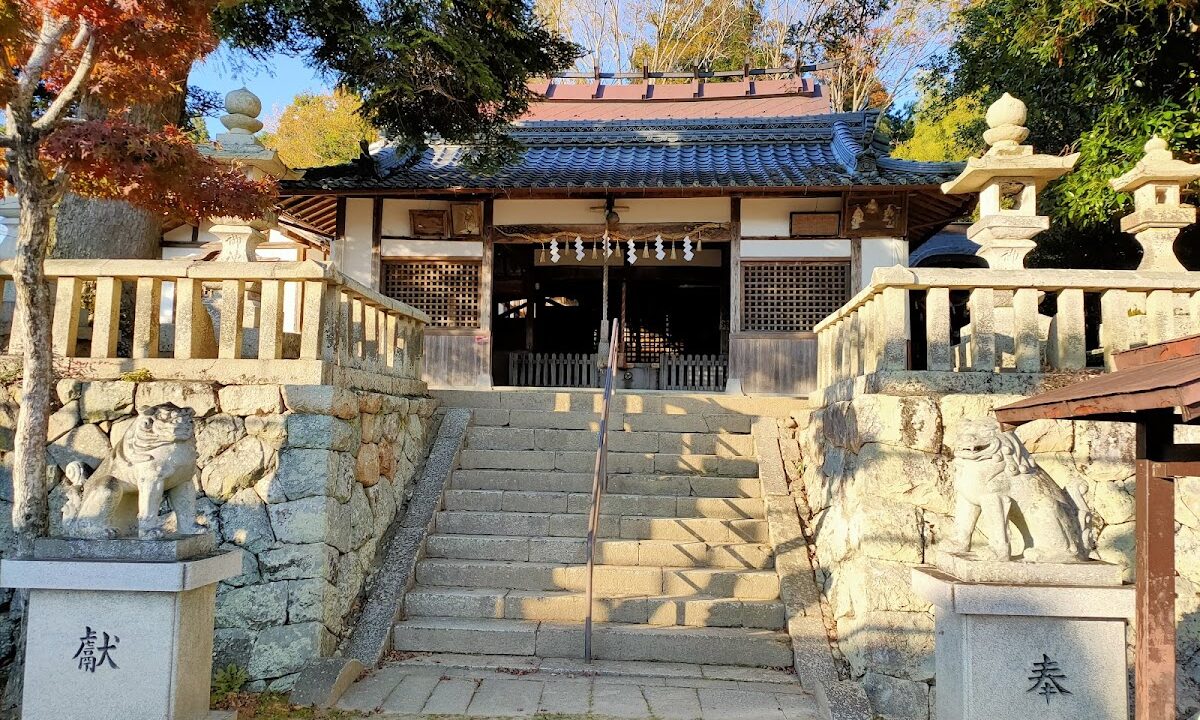
Complete Guide to Kine Shrine (Osaka Prefecture) | History, Deities, and Access Information
Kine Shrine, located in Morikami, Nose-cho, Toyono-gun, Osaka Prefecture, is a venerable shrine listed in the Engishiki (ancient Japanese legal code) dating back to the Heian period. As an ancient shrine in Nose-gun, Settsu Province, listed in the Engishiki Jinmyocho (a list of shrines compiled in the Heian period), it has long been a center of local faith. This article provides a detailed overview of Kine Shrine, including its history, enshrined deities, highlights within the grounds, and access information.
What is Kine Shrine?
Kine Shrine is located in the Morikami district of Nose-cho, in the northernmost part of Osaka Prefecture. Pronounced “Kine-jinja,” it is known as a Shikinaisha (minor shrine) listed in the Engishiki Jinmyocho. Under the modern shrine ranking system, it was ranked as a Gosha (village shrine) and has been revered as a central shrine in the region.
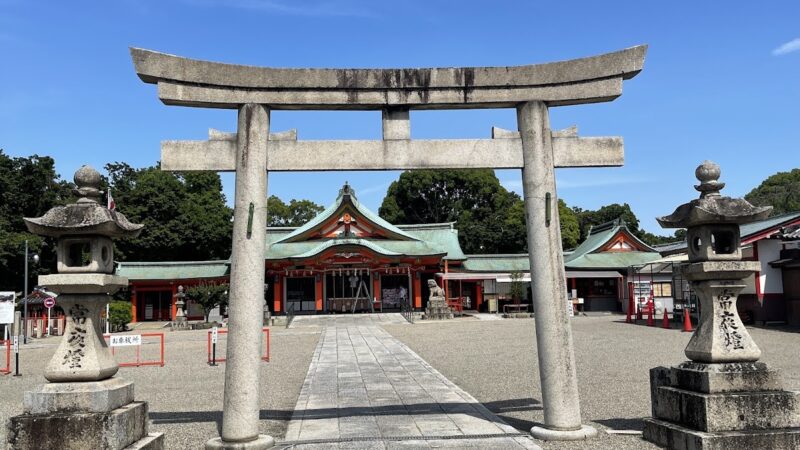
Located just north of the Morikami shopping street, it is an important shrine that conveys the history and culture of Nose to the present day. The shrine grounds are enveloped in a tranquil atmosphere, making it a precious spot for worship, far removed from the hustle and bustle of the city.
History and Origins of Kine Shrine
Founding and Ancient History
According to shrine records, Kine Shrine was founded in the first year of the Enryaku era (782 AD). It is an ancient shrine dating back to the early Heian period, boasting a history of over 1200 years. As a Shikinaisha (a shrine listed in the Engishiki Jinmyocho, completed in 927 AD) under the name “Kine Shrine, Nose District, Settsu Province,” it was a prestigious shrine recognized by the imperial court from ancient times.
A Shikinaisha is a shrine listed in the Engishiki Jinmyocho, signifying a historically significant shrine officially recognized by the imperial court at the time. While there are several Shikinaisha in Nose District, Kine Shrine has held an important position among them.
Changes from the Medieval to Early Modern Periods
A major turning point in the history of Kine Shrine was the turmoil of the Sengoku period (Warring States period). The shrine suffered damage when its buildings were destroyed by fire during an incursion by Oda Nobusumi. Oda Nobusumi was a samurai and nephew of Oda Nobunaga, and the Nose region has a history of being embroiled in warfare.
After the fire, the shrine buildings were rebuilt in 1605 (Keicho 10). In the Edo period, a large-scale restoration was carried out in 1727 (Kyoho 12), laying the foundation for the shrine as it exists today. This restoration restored the shrine’s grandeur, and it once again flourished as a center of local faith.
Developments since the Modern Era
Due to the Meiji-era reform of the shrine system, Kine Shrine was ranked as a local shrine. In 1965 (Showa 40), a shrine name marker indicating its status as an Engishiki-listed shrine was erected and still stands at the entrance to the shrine grounds. This marker is an important indicator clearly showing that Kine Shrine is an Engishiki-listed shrine.
Even today, it receives fervent devotion from local residents and is maintained as an important shrine that conveys the history and culture of Nose Town.
Deities Enshrined
Kine Shrine enshrines multiple deities. As a result of historical mergers, the following deities are enshrined:
Main Deity
Ninigi-no-Mikoto
He is the grandson of Amaterasu-Omikami and known as the protagonist of the Tenson Kōrin (descent of the heavenly grandchild) myth. As the ancestral deity of the Japanese Imperial Family, he is believed to bestow blessings of national peace, abundant harvests, and family safety.
Enshrined Deities
Kine-no-Mikoto
He is also considered the deity from whom Kine Shrine derives its name. He has been worshipped since ancient times as a deity deeply rooted in the local community.
Amenokoyane-no-Mikoto
He is the ancestral deity of the Nakatomi and Fujiwara clans and is known as the deity who recited prayers in the Ama-no-Iwato myth. He bestows blessings of learning, wisdom, and good fortune.
Tada Mitsunaka (Minamoto no Mitsunaka)
He was a military commander of the Heian period, considered the ancestor of the Seiwa Genji clan. As the founder of the Tada Genji clan, he has deep ties to the Nose region and is believed to bestow divine blessings such as long-lasting military fortune and good luck in competitions.
Highlights of the Shrine Grounds
Shrine Buildings and Architecture
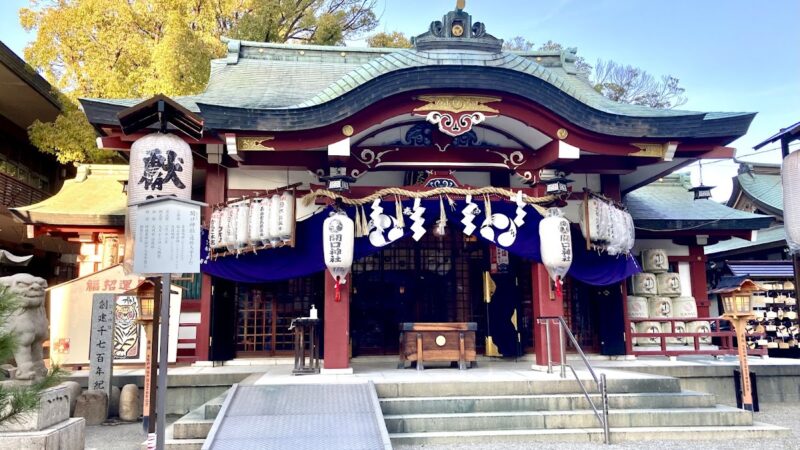
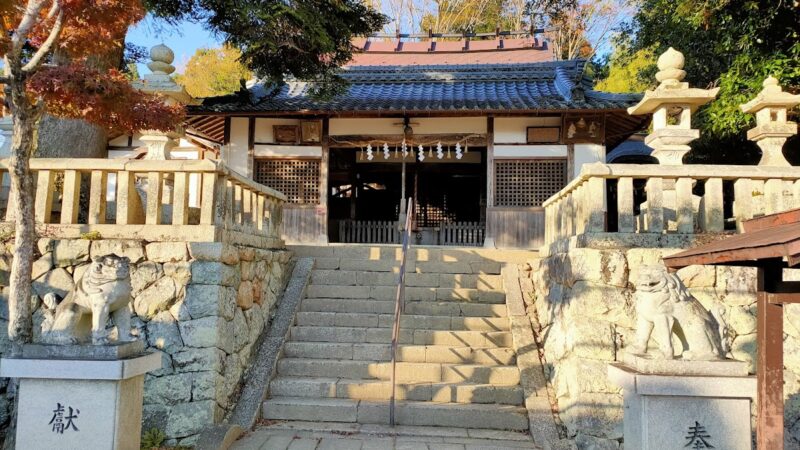
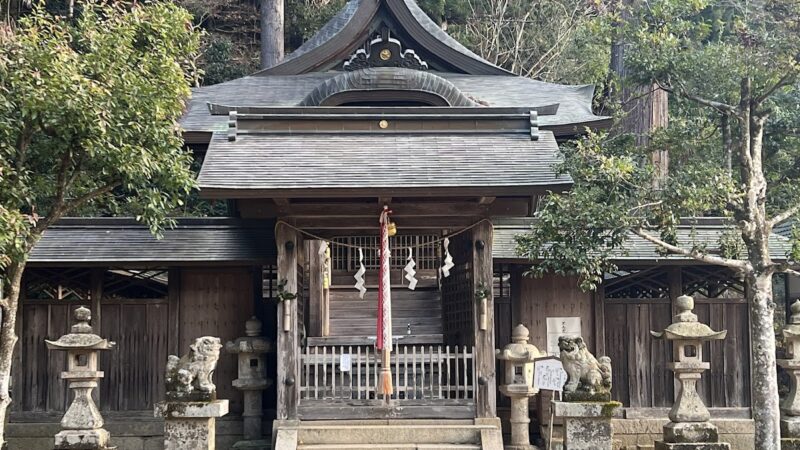
The current shrine buildings were rebuilt and restored during the Edo period, preserving the traditional style of shrine architecture. Both the main hall and the worship hall exude a sense of history, quietly welcoming visitors.
Shrine Name Marker
The shrine name marker, erected in 1965, is an important indicator that Kine Shrine is an Engishiki-listed shrine. Standing at the entrance to the grounds, this marker speaks to the shrine’s status and history.
Saigyo Hoshi’s Poetry Monument
Within the shrine grounds is a monument inscribed with a poem by Saigyo Hoshi. This monument, inscribed with two poems, is a valuable historical site demonstrating the long history of Nose and Kine Shrine as culturally significant locations. Saigyo Hoshi was a poet and monk from the late Heian period to the early Kamakura period, and it is said that he visited Nose during his travels throughout the country.
A Tranquil Atmosphere of the Shrine Grounds
Near the natural beauty of Nose Town, the grounds of Kine Shrine are enveloped in tranquility. Unlike shrines in urban areas, a major attraction is the opportunity to worship amidst lush greenery and clean air. Visitors can also enjoy the changing beauty of nature throughout the seasons.
Location
Address: 103-3 Morikami, Nose-cho, Toyono-gun, Osaka 563-0121
Kine Shrine is located in Nose Town, in the northernmost part of Osaka Prefecture, near the borders of Hyogo and Kyoto Prefectures. The Morikami district of Nose Town was once a thriving post town on the Nose Highway, and the Morikami Shopping Street still remains today. The shrine is located just north of this shopping street.
Access Methods
Kine Shrine can be accessed by both public transport and car, but since Nose Town is a remote area within Osaka Prefecture, advance planning is necessary.
Nearest Station/Line
Nose Railway Myoken Line “Myokenguchi Station”
The nearest train station is Myokenguchi Station, the terminal station of the Nose Railway Myoken Line. However, Kine Shrine is approximately 8km from the station, making walking impractical. You will need to take a bus or taxi from the station.
About Nose Railway
Nose Railway is a private railway connecting Kawanishi-Noseguchi Station to Myokenguchi Station in Kawanishi City, Hyogo Prefecture. It connects to the Hankyu Takarazuka Line at Kawanishi-Noseguchi Station, making it accessible from the Osaka Umeda area.
Nearest Bus Stop and Route
Hankyu Bus “Morikami” Bus Stop
The closest bus stop to Kini Shrine is “Morikami.” This bus stop is operated by Hankyu Bus and connects to Myokenguchi Station and various locations within Nose Town.
- Take the Hankyu Bus bound for “Nose-cho Shukuno” or “Nose no Sato” from Myokenguchi Station.
- Get off at the “Morikami” bus stop and walk for approximately 3 minutes.
Bus service is limited, so it is necessary to check the timetable in advance. Service may be particularly limited on weekends and holidays.
Access by Car
Access by car is the most convenient.
From Osaka
- From the Hanshin Expressway Ikeda Line, take the Ikeda-Kibe IC exit and head north on National Route 173 for approximately 30km (about 50 minutes).
From Kyoto
- From the Kyoto Jukan Expressway, take the Kameoka IC exit and head north on National Route 423 and Prefectural Route 604 for approximately 25km (about 45 minutes).
From Kobe
- From the Hanshin Expressway, take the Kawanishi-Kohana IC and head north on National Route 173 for approximately 25km (about 40 minutes).
Parking
There may not be dedicated parking lots around the shrine, so please consider using nearby parking spaces or public parking lots when visiting. There is limited space in the Morikami area, so please be careful.
Notes on Access
Nose Town has areas within Osaka Prefecture where cell phone signals are weak. Since car navigation and smartphone map apps may experience signal interruptions, it is recommended to check maps and understand the route in advance. Especially in mountainous areas, cell phone reception can be unstable, so it’s a good idea to carry a paper map.
Etiquette for Worship
Worship at Kine Shrine follows general shrine etiquette.
Basic Worship Etiquette
- Bow Before Passing Through the Torii Gate
Bow before entering the sacred area, standing before the torii gate.
- Walk Along the Edge of the Path
The center of the path is considered the path of the gods, so walk along the edge.
- Purify at the Water Basin
If there is a water basin, purify your left hand, then your right hand, and then your mouth.
- Worship at the Main Hall
- Place your offering.
- Ring the bell if there is one.
- Bow twice, clap twice, bow once (bowing deeply twice, clapping twice, bowing deeply once).
- Bow upon Exit
When leaving the torii gate after finishing your prayers, turn around and bow once.
Other Shrines and Temples in Nose Town
When visiting Kine Shrine, we recommend visiting other shrines and temples in Nose Town.
Nose Myokenzan (Murozan Shinnyo-ji Temple)
A representative sacred site of Nose Town and the center of Myoken worship. It enshrines Myoken Bodhisattva, the deification of the North Star, and attracts many worshippers.
Noma Shrine
An ancient shrine located in Noma, Nose Town, it is also considered a candidate for a Shikinaisha (a shrine listed in the Engishiki, an ancient Japanese legal text). It is known as a shrine associated with the Nose clan.
Imamiya Shrine
A historic shrine in Nose Town, revered as the local guardian deity.
About Nose Town
Nose Town is located at the northernmost tip of Osaka Prefecture, a mountainous town bordering Hyogo and Kyoto Prefectures. Blessed with abundant nature, it’s sometimes called “Osaka’s Karuizawa.”
History of Nose Town
In the Middle Ages, the Nose clan ruled the area, and during the Sengoku period, it had connections with powerful figures such as Oda Nobunaga, Toyotomi Hideyoshi, and Tokugawa Ieyasu. During the Edo period, it was governed as a direct territory of the shogunate and as a territory of hatamoto (direct retainers of the shogun).
Local Specialties of Nose Town
- Nose Chestnuts: Known for their large size and strong sweetness.
- Nose Rice: High-quality rice grown in clear streams.
- Nose Local Sake: Sake brewed at local breweries.
Points to Note When Visiting Kine Shrine
Best Time to Visit
Kine Shrine can be visited throughout the year, but there are particularly recommended times.
Spring (March-May): Beautiful fresh greenery and mild weather, ideal for visiting.
Autumn (October-November): Beautiful autumn foliage and the Nose chestnut harvest season.
Winter (December-February): Snowfall can occur, deepening the tranquil atmosphere. However, due to the possibility of icy roads, caution is advised when visiting in winter.
Time Required
The visit to Kine Shrine itself takes approximately 15-30 minutes. If you plan to stroll leisurely through the temple grounds and view the monuments and other sights, allow about an hour.
Combining with Nearby Facilities
Combining this with other tourist spots in Nose Town will make for a more fulfilling day.
- Nose Myokenzan: Approximately 20 minutes by car
- Nose Roadside Station (Kurino-sato): Approximately 15 minutes by car
- Nose Onsen (Hot Spring): Approximately 10 minutes by car
About Shikinaisha Shrines in Osaka Prefecture
Many Shikinaisha shrines exist in Osaka Prefecture. Shrines listed in the Engishiki Jinmyocho (a list of shrines compiled in the Heian period), such as Kine Shrine, are valuable cultural heritage sites with a history dating back to ancient times.
Shikinaisha Shrines in Settsu Province
Settsu Province (present-day northern Osaka Prefecture and southeastern Hyogo Prefecture) has numerous Shikinaisha shrines, and several are listed in Nose District alone. A “Shikinaisha pilgrimage” visiting these shrines is popular among history enthusiasts.
Osaka Prefectural Shrine Association
Kine Shrine belongs to the Osaka Prefectural Shrine Association, which, as a comprehensive organization for shrines within the prefecture, contributes to the maintenance and development of shrines. Information on various shrines within the prefecture is available on the Osaka Prefectural Shrine Association’s website.
Points to Note When Visiting
Attire
There are no specific dress code requirements, but it is desirable to wear clothing that reflects the sacred nature of the place. Since it is located in a mountainous area, comfortable shoes and clothing that allows for easy movement are recommended.
Photography
Photography is generally permitted on the shrine grounds, but there may be areas where photography is restricted, such as inside the main hall. Please be considerate of those around you when taking photographs.
Manners
- Maintain silence
- Take your trash with you
- Do not damage plants or facilities on the shrine grounds
- Be considerate of other visitors
Please observe these basic manners when visiting the shrine.
Summary
Kine Shrine, located in Nose-cho, Toyono-gun, Osaka Prefecture, is a venerable shrine with a history of over 1200 years, listed in the Engishiki (an ancient Japanese legal code). It enshrines Ninigi-no-Mikoto as its main deity, with Kino-no-Mikoto, Amenokoyane-no-Mikoto, and Tada Mitsunaka as secondary deities.
Since its founding in 782 AD, the shrine has undergone a dramatic history, including destruction by fire during an invasion by Oda Nobusumi, reconstruction in 1605, and restoration in 1727. It remains a central place of worship in Nose-cho, deeply rooted in the local community.
Within the shrine grounds, there is a marker indicating its status as an Engishiki shrine and a monument inscribed with a poem by Saigyo Hoshi, creating a tranquil atmosphere for worship. Access is convenient by bus from Myokenguchi Station on the Nose Railway, or by car, but be aware that cell phone reception may be intermittent, so prior preparation is necessary.
Located in the lush natural surroundings of the northernmost part of Osaka Prefecture, Kini Shrine offers a glimpse into ancient history. Visiting it in conjunction with other tourist attractions in Nose Town will make for a more fulfilling pilgrimage experience. Escape the hustle and bustle of the city and take this precious opportunity to connect with history and nature.