Abita Shrine (Osaka Prefecture) Complete Guide: History, Goshuin (Shrine Seal), Access, and Benefits Explained in Detail
Abita Shrine is a historic shrine located in Matsubara City, Osaka Prefecture. While deeply rooted in local faith, its history and unique charm attract many visitors. This article provides a detailed explanation of everything you need to know before visiting Abita Shrine, including its history, enshrined deities, benefits, goshuin information, and access methods.
What is Abita Shrine?
Abita Shrine is located in Abo, Matsubara City, Osaka Prefecture, and has been revered as the local guardian deity since ancient times. The name “Abita” is said to originate from the place name “Abo,” and is deeply connected to the history of this region.
The shrine grounds are enveloped in a tranquil atmosphere, making it a precious space where one can find peace of mind despite being in an urban area. It is a center of faith for local residents, and also a place visited by those interested in history and culture.
History and Origins of Abita Shrine
Origin of Founding
While there are no clear records regarding the exact founding date of Abita Shrine, it is certain that a shrine existed in this region from ancient times to the Middle Ages. As one of the ancient shrines of Kawachi Province, it has a history intertwined with the development of the region.
Connection to the Community
The Abo area of Matsubara City has long been a thriving agricultural area, and Abita Shrine has played an important role as a place to pray for abundant harvests. Furthermore, festivals praying for the safety and prosperity of the region have been passed down through generations, and it has functioned as a central presence in the local community.
Changes Since Modern Times
Even after the Meiji-era shrine consolidation policy and the social changes of the post-war period, Abita Shrine has been protected by the faith of the local people. Currently, it is carefully maintained and managed by parishioners and devotees, and traditional rituals are being passed down.
Deities and Benefits
Deities
The deities enshrined at Abita Shrine are based on the local history and beliefs. Like many local shrines, it enshrines gods who protect the land, and is believed to offer the following benefits:
Main Benefits
Abundant Harvest and Agricultural Protection
As a shrine located in an agricultural area, it has long been a place for praying for abundant harvests and successful crops.
Family Safety
As the local guardian deity, it is believed to offer protection for the peace and safety of each household.
Regional Peace and Security
As a shrine praying for the prosperity and peace of the entire region, it is believed to offer protection from disaster and contribute to the development of the region.
Protection from Misfortune and Good Fortune
Some worshippers visit the shrine to pray for protection from misfortune at important life events and for good fortune at new beginnings.
Highlights of the Shrine Grounds
Main Hall and Worship Hall
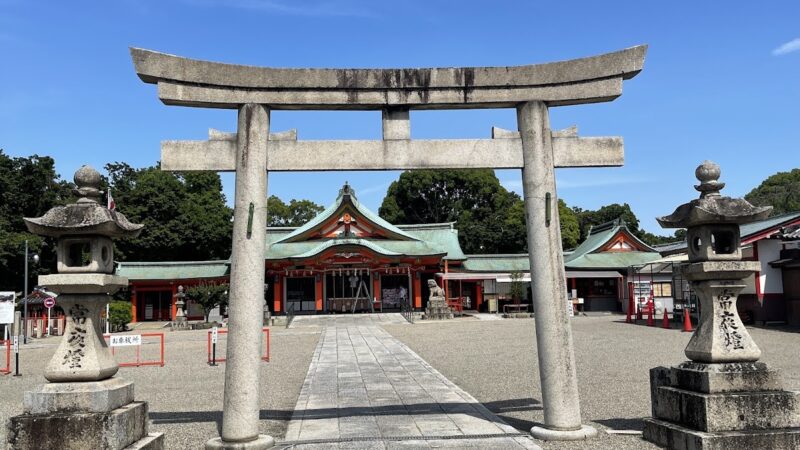
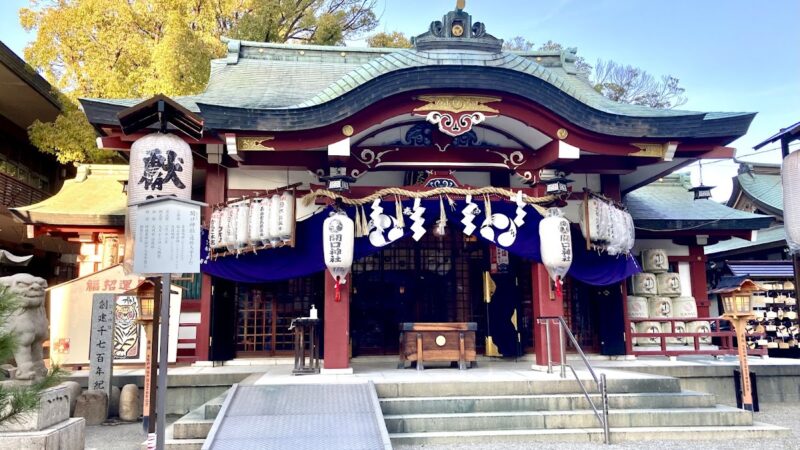
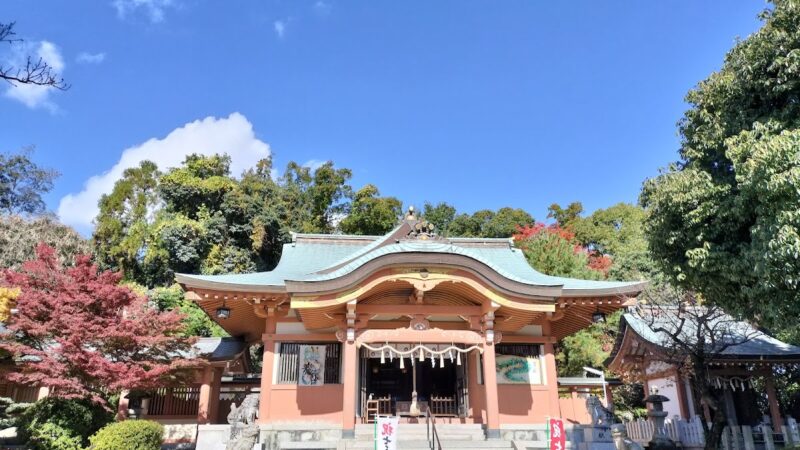
The main hall and worship hall of Abita Shrine maintain the traditional style of shrine architecture. Although not large in scale, the meticulously maintained buildings reflect the deep faith of the local people.
Atmosphere of the Shrine Grounds
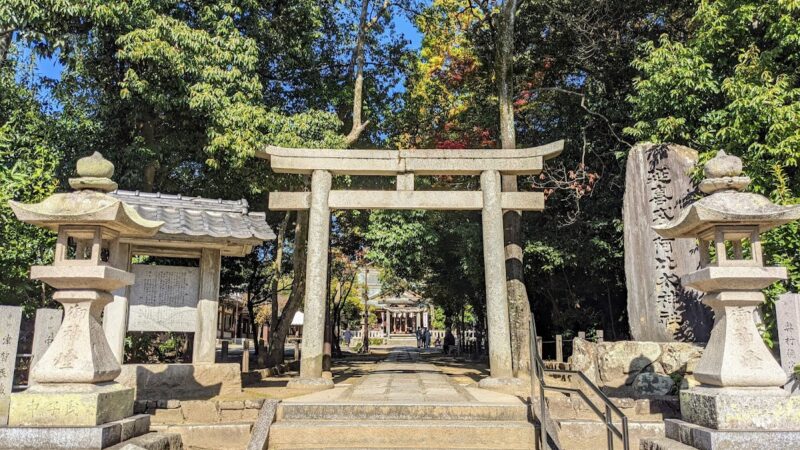
Trees are planted throughout the grounds, offering different scenery with each season. Despite being in an increasingly urbanized area, a quiet and peaceful space is maintained, allowing visitors to offer their prayers in tranquility.
Guardian Dogs and Stone Monuments
Guardian dog statues and stone monuments that tell the story of history are placed throughout the grounds. These stone structures offer insights into the history of the shrine and the faith of the local people.
Annual Events and Festivals
Grand Festival
Abita Shrine holds various festivals throughout the year. The Grand Festival, in particular, is an important event for the community, with many parishioners and local residents participating.
Seasonal Festivals
New Year’s Visit
At the start of the new year, local people visit the shrine for their first shrine visit of the year, praying for peace and happiness throughout the year.
Setsubun Festival
On the day before the beginning of spring, the Setsubun Festival is held, sometimes featuring rituals to ward off evil and invite good fortune.
Autumn Festival
During the harvest season, an autumn festival is held to give thanks for a bountiful harvest.
Goshuin (Shrine Seal) Information
Regarding the Issuance of Goshuin
We recommend checking in advance regarding the issuance of Goshuin at Abita Shrine. For smaller shrines, the office may not be open all the time, so it’s best to inquire before visiting or check local information.
Regarding Goshuincho (Shrine Seal Book)
We recommend bringing a Goshuincho if you are visiting multiple shrines. Please inquire directly with Abita Shrine regarding the availability of their own Goshuincho.
Access Methods
Location
Address: Abo, Matsubara City, Osaka Prefecture
Access by Train
Using the Kintetsu Minami-Osaka Line
The nearest station is Kawachi-Matsubara Station on the Kintetsu Minami-Osaka Line. You can access the site on foot or by bus from the station.
Walking
It takes approximately 15-20 minutes on foot from Kawachi-Matsubara Station. The route goes through a residential area.
Access by Bus
You can also use the local bus that circulates within Matsubara City. We recommend checking the nearest bus stop in advance.
Access by Car
Using the Hanshin Expressway
It takes approximately 5-10 minutes from the Matsubara IC on the Hanshin Expressway Route 14 Matsubara Line.
Parking
There may be parking spaces on the temple grounds or nearby, but the number of spaces may be limited. We recommend checking before your visit.
Manners and Etiquette for Visiting a Shrine
Basic Etiquette for Visiting a Shrine
How to Pass Through the Torii Gate
When passing through the torii gate, bow before entering the shrine grounds. Since the center of the path is considered the path of the gods, it is polite to walk along the side.
Ritual for Washing Hands
If there is a water basin for washing hands, follow these steps:
- Hold the ladle in your right hand and wash your left hand.
- Switch the ladle to your left hand and wash your right hand.
- Switch the ladle back to your right hand, receive water in your left hand, and rinse your mouth.
- Wash your left hand again.
- Hold the ladle upright and wash the handle.
Ritual for Worship
Worship using the general Shinto shrine worship method of “two bows, two claps, one bow”:
- Place your offering in the offering box.
- Ring the bell if there is one.
- Bow deeply twice.
- Clap your hands twice at chest height.
- Offer your prayer.
- Bow deeply once.
Attire for Worship
Unless you are receiving a special prayer, everyday clothes are acceptable, but clean and subdued attire is preferred. Be mindful of the sacred nature of the place and dress accordingly.
Nearby Tourist Attractions
Highlights within Matsubara City
Shibagaki Shrine
One of Matsubara City’s representative shrines, adjacent to the tomb of Emperor Hanzei. Visiting it along with Abita Shrine is recommended.
Emperor Hanzei’s Mausoleum
A large keyhole-shaped burial mound located in Matsubara City, it’s a must-see for history buffs.
Nearby Tourist Attractions
Osaka City
Matsubara City is easily accessible from central Osaka by train, making it possible to combine a visit with Osaka sightseeing.
Sakai City
Sakai City, located to the south, is home to the Mozu Kofun Group, a World Heritage Site, making it ideal for historical exploration.
How to Enjoy Visiting Abita Shrine
Spend a Quiet Time
Abitita Shrine is not a large-scale tourist shrine, so one of its charms is the opportunity for quiet worship. It offers a chance to escape the hustle and bustle of everyday life and find peace of mind.
Experiencing Local History
Learning about the history and origins of the shrine will allow you to gain a deeper understanding of the history and culture of the Abo area of Matsubara City. Learning about it in conjunction with local historical materials and records will make for a more fulfilling pilgrimage experience.
Enjoying the Changing Seasons
The trees and flowers on the shrine grounds change their appearance with each season. You can experience the beauty of each season: the fresh green of spring, the deep green of summer, the autumn foliage, and the tranquility of winter.
Points to Note When Visiting
Visiting Hours
Shrines are generally recommended to be visited during the daytime. Avoid visiting at night and visit during daylight hours.
Shrine Office Opening Hours
If you wish to receive a Goshuin (shrine stamp) or other items, it is recommended to check the shrine office’s opening hours in advance. Smaller shrines may not have offices open all the time.
Photography
Photography is generally permitted on the shrine grounds, but you should refrain from taking pictures inside the main hall or in sacred areas. Also, please be considerate of other visitors. ### Consideration for Noise
Shrines are places for quiet prayer. Please refrain from loud conversations and noisy behavior, and strive to maintain a solemn atmosphere.
Relationship between Matsubara City and Abita Shrine
Center of the Local Community
Abita Shrine plays an important role in the community of the Abo area of Matsubara City. Through festivals and events, it serves as a place to deepen the bonds among local residents.
Witness to Local History
Shrines are valuable institutions that convey the history of the region to the present day. Understanding the history of Abita Shrine also leads to understanding the history of Matsubara City.
Passing on to the Next Generation
Local people continue their efforts to pass on the traditions and faith of Abita Shrine to the next generation. Children participating in festivals provide an opportunity to learn about local culture and history.
Voices of Worshippers
Voices of Local Residents
For local parishioners and residents, Abita Shrine is an integral part of their lives and a spiritual anchor. It is a place cherished for important life events such as New Year’s visits, Shichi-Go-San (a traditional rite of passage for children), and exorcisms.
Visitor Impressions
Visitors from other regions often comment on the “quiet and peaceful atmosphere” and the “warmth of a shrine deeply rooted in the community.”
Summary: Visiting Abita Shrine
Abita Shrine is a historic local guardian shrine located in Matsubara City, Osaka Prefecture. While not a flashy tourist shrine, its deeply rooted community faith and tranquil atmosphere provide peace of mind to visitors.
Whether you visit to pray for a bountiful harvest, family safety, and community peace, to learn about local history and culture, or simply to enjoy some quiet time, Abita Shrine is a shrine that can be visited for a variety of purposes.
Its convenient location, easily accessible from Kawachi-Matsubara Station on the Kintetsu Minami-Osaka Line, makes it possible to visit on a day trip from Osaka City. Visiting this shrine along with other historical sites and shrines in Matsubara City will make for a more fulfilling historical exploration.
When you visit, please offer your prayers with sincerity, reflecting on the history and origins of the shrine. You too can find peace and tranquility in this place of worship that has been carefully preserved by the local people.
May your visit to Abita Shrine be a fruitful experience.