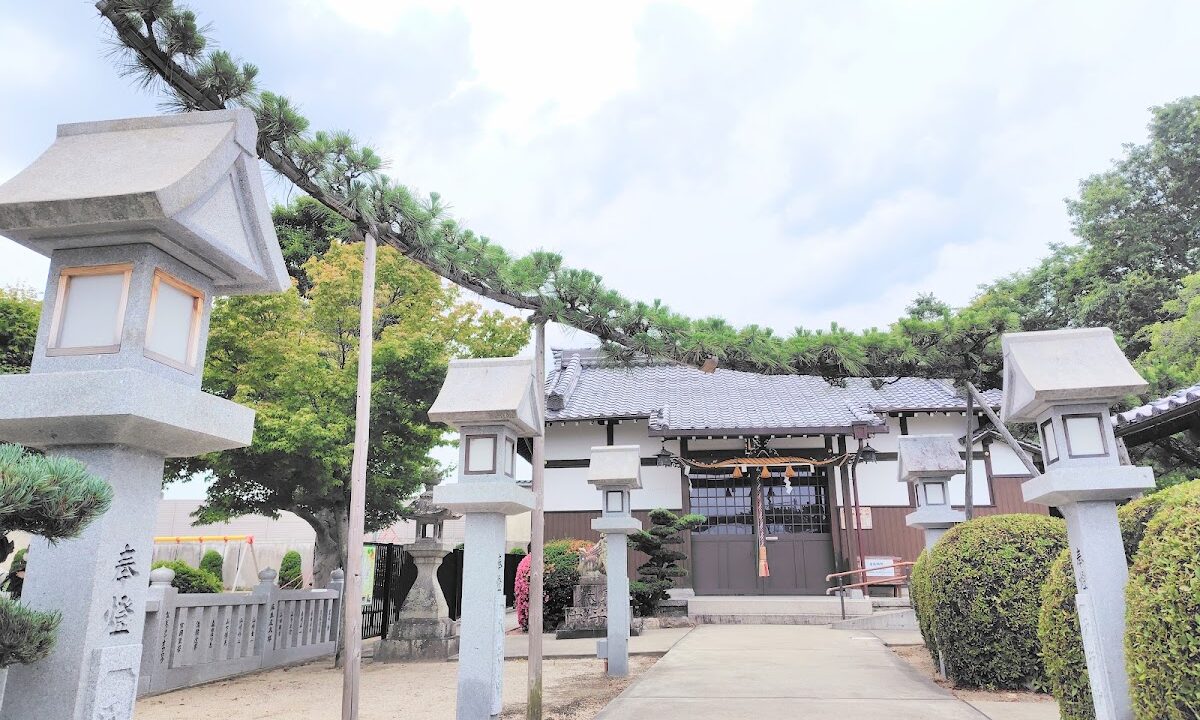
Hachiman-Taijinja Shrine (Osaka Prefecture) Complete Guide: History, Goshuin (Shrine Seal), and Access Information
Numerous shrines bearing the name “Hachiman” exist within Osaka Prefecture, each possessing its own unique history and beliefs rooted in its local community. This article provides a detailed explanation of the major Hachiman shrines in Osaka Prefecture, from their historical background to information on visiting them.
What is a Hachiman Shrine?: Deities and Background of Beliefs
Hachiman shrines enshrine Emperor Ojin (Homudawake-no-Mikoto), also known as Emperor Ojin, as their principal deity. Many Hachiman shrines also enshrine Empress Jingu (Okinagatarashihime-no-Mikoto), Emperor Ojin’s mother.
Hachiman worship has spread throughout Japan, and Hachiman shrines are located in various regions within Osaka Prefecture. Many of these shrines were founded by inviting divided spirits from Iwashimizu Hachimangu Shrine in Kyoto or Homuda Hachimangu Shrine in Habikino City, Osaka Prefecture.
Benefits of Hachiman Shrine
Hachiman Shrine has been believed to offer the following benefits since ancient times:
- Victory and Long-Lasting Military Fortune: Faith as a God of War
- National Peace and Security and Protection from Evil: Aspect as a Guardian Deity
- Child-Rearing and Safe Childbirth: Due to the enshrinement of Empress Jingu
- Abundant Harvest and Business Prosperity: As a Guardian Deity of the Region
Hachiman Shrine (Moroguchi), Tsurumi Ward, Osaka City
History and Origin
Hachiman Shrine, located at 2-4-41 Moroguchi, Tsurumi Ward, Osaka City, is a historical shrine founded in 1072 (Enkyu 4). It is said to have originated from the enshrinement of a divided spirit from Hachiman Shrine in Habikino City, Osaka Prefecture, and was initially called “Nanboku Shrine.” It was renamed “Hachiman Shrine” in 1872 (Meiji 5).
This shrine, with a history of approximately 950 years, has long been cherished as a center of faith for the local residents.
Deities Enshrined
- Hondawake-no-Mikoto
- Okinagatarashihime-no-Mikoto
Highlights of the Shrine Grounds
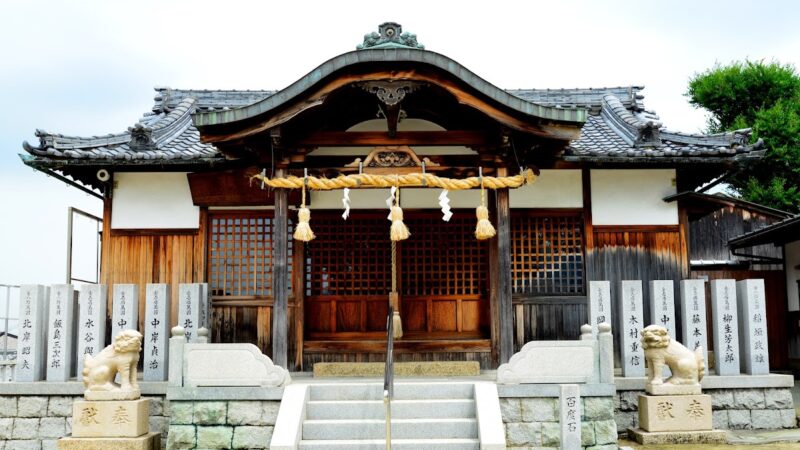
The shrine grounds are home to distinctive Naniwa-style guardian lion-dogs, known as the “Ping-Pong Eyed Naniwa Guardian Lion-Dogs.” These lion-dogs possess a style unique to the Osaka region and are of high cultural value.
The main hall has been recently renovated and presents a clean and serene appearance. Despite being located in a residential area, the shrine grounds maintain a tranquil atmosphere, offering visitors a peaceful experience.
Access Information
- Nearest Station: Approximately 10 minutes on foot from Tokuan Station on the JR Gakken Toshi Line
- Address: 2-4-41 Moroguchi, Tsurumi-ku, Osaka City, Osaka Prefecture
- Parking: Limited space available on the shrine grounds (please confirm)
Goshuin (Shrine Seal) Information
Goshuin (shrine seals) can be obtained at Hachiman Shrine (Moroguchi). While they can be handled at the shrine office, it is recommended to check the visiting hours in advance as staff may be absent. The goshuin includes the shrine name and the date of visit, and features a simple yet carefully written style.
Hachiman Shrine in Higashi-Osaka City (Morikawachi)
Basic Information and History
Hachiman Shrine, located at 2-32-1 Morikawachi-nishi, Higashi-Osaka City, is officially called “Hachiman Shrine” and is commonly known as “Morikawachi Hachiman Shrine.” It is located approximately 400m southeast of JR Hanaten Station and is worshipped as the local guardian deity.
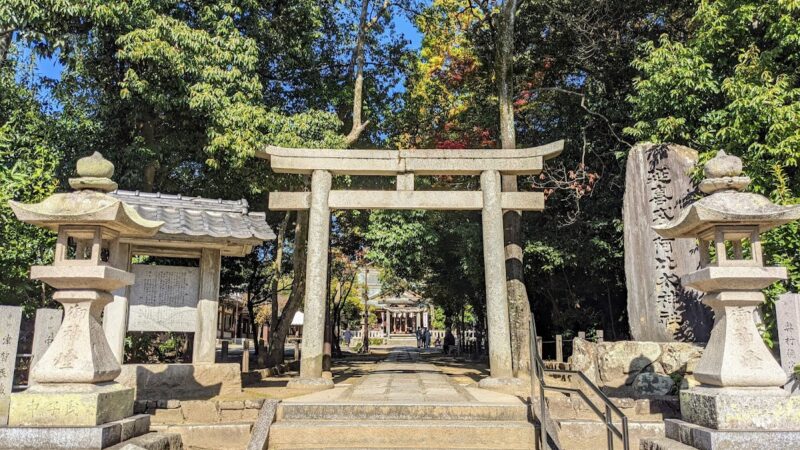
The exact founding date is unclear, but the stone structures within the grounds indicate a history dating from the mid-Edo period onward. The torii gate was erected in 1695 (Genroku 8), making it a valuable cultural asset with over 300 years of history.
Cultural Assets within the Grounds
Many stone structures from the Kyoho (1716-1736) and Tenpo (1830-1844) periods remain within the grounds, telling the story of the shrine’s history of faith since the Edo period. These stone structures include:
- Torii Gate: Erected in 1695 (Genroku 8)
- Stone Lantern: From the Kyoho and Tenpo periods
- Komainu (Guardian Dogs): In the style of the late Edo period
These cultural assets are important resources for understanding the history of the region.
Access and Visiting Information
- Nearest Station: Approximately 5 minutes on foot from JR Gakken Toshi Line “Hanaten Station”
- Address: 2-32-1 Morikawachi Nishi, Higashiosaka City, Osaka Prefecture
- Visiting Hours: Grounds are freely accessible (Shrine office hours are irregular)
About Goshuin (Shrine Seals)
Goshuin (shrine seals) can be obtained at Morikawachi Hachiman Shrine. You can receive a goshuin by visiting during the hours the shrine office is open.
Hachiman Daijingu (Yakezunomiya) in Asahi Ward, Osaka City
Origin and History of “Yakezunomiya”
Hachiman Daijingu, located at 3-20-19 Shimizu, Asahi Ward, Osaka City, is a special shrine known by the alternative name “Yakezunomiya.” Its former shrine rank was a village shrine, and it is affectionately known locally as “Shimizu no Hachiman-san.”
The name “Fuyakumiya” (meaning “unburned shrine”) is said to originate from the fact that it miraculously escaped destruction by fire and disaster in the past, and it is believed to offer protection against fire.
Deities and Benefits
- Main Deity: Homudawake-no-Mikoto (Emperor Ojin)
- Enshrined Deities: Empress Jingu, Hime-no-Okami
It is particularly known for its blessings of protection against fire, warding off evil, and ensuring family safety, and is deeply revered by local residents.
Features of the Shrine Grounds
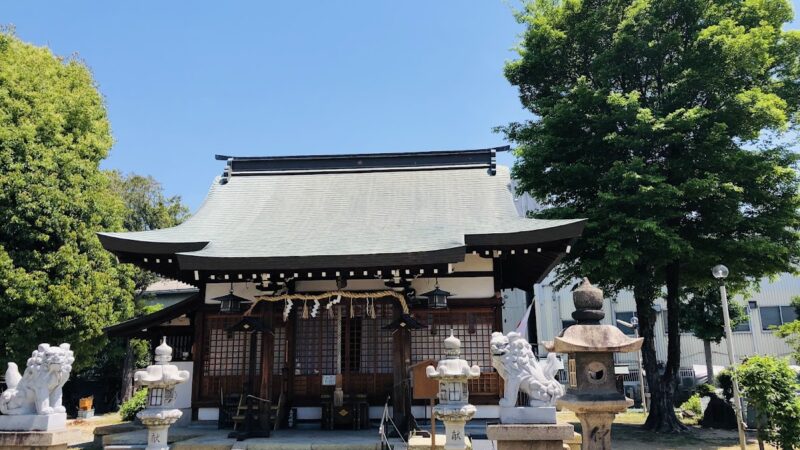
The worship hall incorporates modern architectural styles while maintaining the beauty of traditional shrine architecture. The shrine grounds are well-maintained, clean, and provide a pleasant environment for worship.
Access Information
- Nearest Station: Approximately 12 minutes on foot from Senbayashi-Ōmiya Station on the Osaka Metro Tanimachi Line, or approximately 15 minutes on foot from Senbayashi Station on the Keihan Main Line.
- Address: 3-20-19 Shimizu, Asahi-ku, Osaka City, Osaka Prefecture
- Parking: Available (several spaces)
Hachiman Shrine (Isojima), Hirakata City
History and Founding
Hachiman Shrine, located at 5-7 Isojima Motomachi, Hirakata City, originated in 1617 (Genna 3) when the former Dainagon Hino clan, the local lord, invited the Hachiman deity and constructed the shrine building. In 1711 (Shōtoku 1), the worship hall was newly built, and it developed as a center of local faith throughout the Edo period.
Deities Enshrined
- Main Deity: Homudawake-no-Mikoto (Emperor Ojin)
Festival
The annual grand festival is held on October 15th, with local residents gathering to continue the traditional events.
Access
- Nearest Station: Approximately 8 minutes on foot from Kōzenji Station on the Keihan Main Line
- Address: 5-7 Isojima Motomachi, Hirakata City, Osaka Prefecture
Hachiman Shrine in Kawachinagano City (Nagareya Hachiman Shrine)
Status as a Branch Shrine of Iwashimizu Hachiman Shrine
The Hachiman Shrine, located at 2211 Amami, Kawachinagano City, is a prestigious shrine founded as a branch shrine of Iwashimizu Hachiman Shrine in Kyoto. It is commonly known as “Nagareya Hachiman Shrine,” and its former shrine rank was that of a village shrine.
Shrine Grounds and Natural Environment
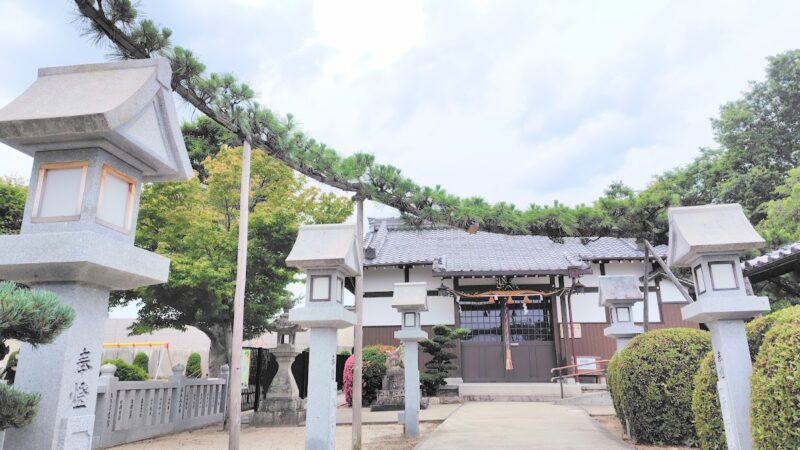
Located in a mountainous area, this shrine enjoys a tranquil environment surrounded by abundant nature. Ancient trees flourish within the grounds, allowing visitors to enjoy the beauty of nature throughout the seasons.
Access
- Nearest Station: Approximately 15 minutes on foot from Amami Station on the Nankai Koya Line
- Address: 2211 Amami, Kawachinagano City, Osaka Prefecture
- Note: Due to its mountainous location, comfortable walking shoes are recommended for visitors.
Hachiman Shrine in Izumisano City (Minami-Nakayasumatsu)
Wartime History
Hachiman Shrine, located at 292 Minami-Nakayasumatsu, Izumisano City, has a unique history. In 1942 (Showa 17), the shrine grounds became part of the Sano Airfield, the beautiful forest known as “Hachiman-rin” was cut down, and the main hall and other structures were moved to their current location.
This history serves as a valuable record that conveys the situation in Japan during wartime.
Deities Enshrined
- Homudawake no Mikoto (Emperor Ojin)
- Kinagatarashihime no Mikoto (Empress Jingu)
Access
- Nearest Station: Approximately 12 minutes on foot from Hagurazaki Station on the Nankai Main Line
- Address: 292 Minami Nakayasumatsu, Izumisano City, Osaka Prefecture
Manners and Etiquette for Visiting Hachiman Shrine
Basic Worship Etiquette
- How to Pass Through the Torii Gate: Bow before passing through the torii gate.
- How to Walk Along the Approach: The center of the approach is considered the path of the gods, so walk along the edge.
- How to Wash Your Hands:
- Hold the ladle in your right hand and wash your left hand.
- Switch the ladle to your left hand and wash your right hand.
- Switch the ladle back to your right hand, receive water in your left hand, and rinse your mouth.
- Finally, stand the ladle upright and wash the handle.
- Etiquette at the Worship Hall: The basic procedure is two bows, two claps, and one bow.
Points to Note When Receiving a Goshuin (Shrine Stamp)
- Receive the Goshuin after offering your prayers.
- Prepare a Goshuincho (stamp book) (it may be possible to purchase one if you don’t have one).
- Prepare a donation (around 300-500 yen).
- Visit with ample time, as the shrine office may be unattended.
Annual Events at Hachiman Shrines
The following annual events are held at Hachiman Shrines in Osaka Prefecture:
Main Annual Events
- New Year’s Day Festival (January 1st): A festival celebrating the New Year.
- Setsubun Festival (around February 3rd): An exorcism ritual including bean-throwing.
- Spring Grand Festival (around April): The annual spring festival.
- Summer Purification Ceremony (June 30th): A Shinto ritual to purify oneself of the impurities accumulated over the past six months.
- Autumn Grand Festival (around October): The annual autumn festival, held around October 15th at most shrines.
- Shichi-Go-San Ceremony (November): A pilgrimage to celebrate children’s growth.
- Year-End Purification Ceremony (December 31st): A Shinto ritual to purify oneself of the impurities of the year.
Festival dates and content vary by shrine, so it is recommended to check in advance.
Spots to Visit Alongside Nearby Attractions
Around Tsurumi Ward
- Tsurumi Ryokuchi Park: A large urban park known as the Flower Expo Memorial Park
- Sakuya Konohana Kan: A greenhouse facility exhibiting tropical plants
Around Higashi-Osaka City
- Ishikiri Tsurugi Shrine: A famous shrine affectionately known as “Ishikiri-san”
- Hiraoka Shrine: A prestigious shrine as the Ichinomiya (first-ranked shrine) of Kawachi Province
Around Asahi Ward
- Osaka Castle Park: One of Osaka’s representative tourist spots
- Johoku Park: A park with beautiful seasonal flowers
A Recommendation for Visiting Hachiman Shrines in Osaka Prefecture
By visiting Hachiman shrines throughout Osaka Prefecture, you can experience the differences in history and culture of each region. Enjoy collecting Goshuin (shrine stamps) and exploring history while appreciating the unique characteristics and atmosphere of each shrine.
Recommended Ways to Visit
- Visiting Along the Railway Line: Visit shrines along the JR Gakken Toshi Line in one day.
- Visiting with a Theme: Focus on viewing stone structures from the Edo period.
- Timing Your Visit to Seasonal Events: Visit during the annual festival to experience the festivities.
Photography Tips
When taking photos at shrines, please keep the following points in mind:
- Photography inside the main hall is generally prohibited: Permission is often required.
- Consideration for Other Worshippers: Be careful not to include people in your photos.
- Using a Tripod: Avoid using one if the shrine grounds are small.
- Recommended Photo Spots:
- The main hall seen through the torii gate.
- Close-up of the guardian lion-dogs.
- Stone structures within the shrine grounds.
- Collaboration of seasonal flowers and the shrine building.
Summary: The Charm of Hachiman Shrines in Osaka Prefecture
The Hachiman shrines scattered throughout Osaka Prefecture are each valuable institutions that convey the history and culture of the region to the present day. From the Hachiman Shrine in Tsurumi Ward, founded in 1072, to the Hachiman Shrine in Hirakata City, founded in 1617, each shrine boasts a history spanning several centuries.
Within the shrine grounds, cultural artifacts such as Edo-period torii gates, stone lanterns, and guardian lion-dogs remain, conveying the state of worship at that time. Hachiman worship, with Emperor Ojin (Homudawake-no-Mikoto) as its enshrined deity, is believed to offer a wide range of blessings, from military success to family safety, and continues to attract many worshippers today.
By visiting each shrine and collecting Goshuin (shrine stamps), you can experience the little-known history and culture of Osaka. Calm your mind in the tranquil grounds and feel the spirit of faith rooted in the community.
When visiting, it is important to observe basic shrine etiquette, remember that these are places of worship for the local people, and visit with respect. Discover the unique charm of each Hachiman Shrine and enjoy a fulfilling shrine tour.