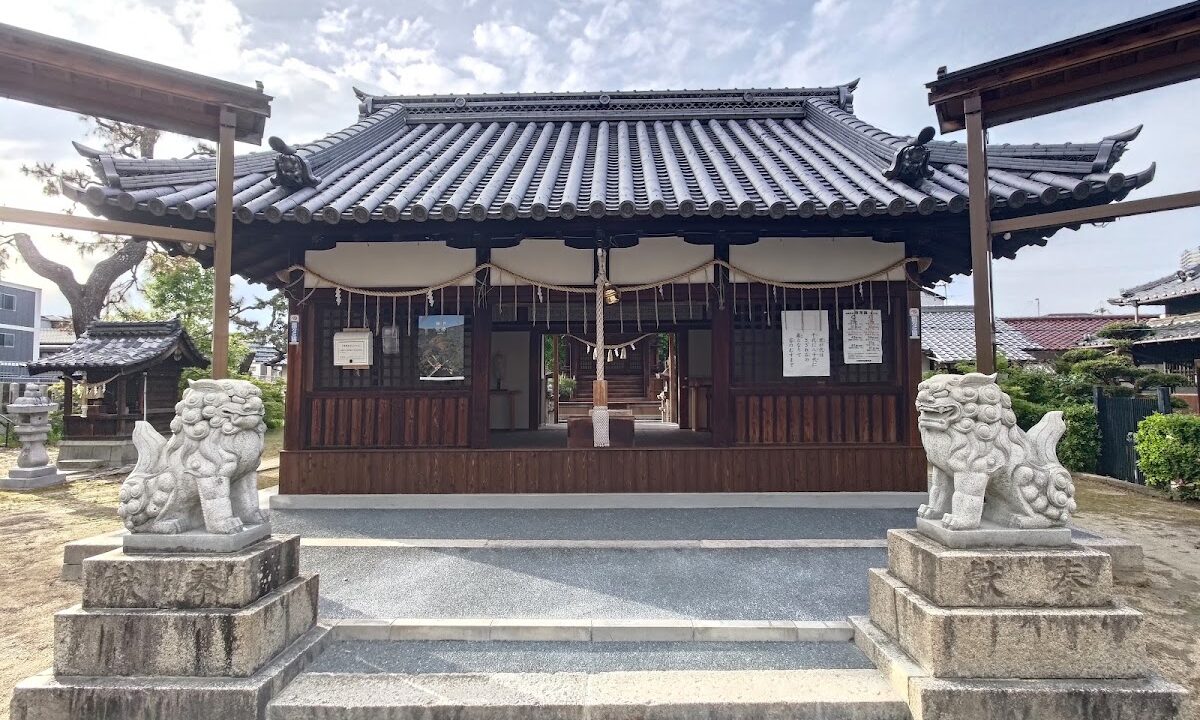
Complete Guide to Mashita Tenmangu Shrine (Settsu City, Osaka Prefecture) | A Thorough Explanation of History, Cultural Assets, Deities, and Visiting Information
Mashita Tenmangu Shrine, located in Mishima, Settsu City, Osaka Prefecture, is a historic shrine dedicated to Sugawara no Michizane, known as the god of learning. Affectionately known locally as “Mashita no Tenjin-san,” it has long been revered as the guardian deity of the Mashita area. This article comprehensively introduces information useful for visiting Mashita Tenmangu Shrine, including its history, enshrined deities, cultural assets, points of interest within the grounds, and access methods.
Basic Information about Mashita Tenmangu Shrine
Official Name: Mashita Tenmangu Shrine
Location: 3-9-3 Mishima, Settsu City, Osaka Prefecture
Former Shrine Rank: Village Shrine
Main Deity: Sugawara no Michizane
Telephone Number: 06-6382-1484
Postal Code: 566-0022
Mashita Tenmangu Shrine is a shrine quietly nestled in a residential area, and is still cherished as an integral part of the lives of local residents.
Deity of Mashita Tenmangu Shrine
Main Deity: Sugawara no Michizane
The main deity of Mashita Tenmangu Shrine is Sugawara no Michizane, who is revered nationwide as the god of learning. Michizane, a scholar and politician of the Heian period, was known for his outstanding knowledge and noble character, and was deified as Tenman Daijizai Tenjin after his death. It is believed to bestow blessings for academic success, passing exams, and improvement in literary and artistic skills.
Enshrined Deities
In addition to the main deity, Sugawara no Michizane, the following deities are enshrined:
- Amaterasu Omikami: The supreme deity in Japanese mythology and the ancestral deity of the Imperial family
- Ame no Oshihomimi no Mikoto: The son of Amaterasu Omikami
- Hikohono Ninigi no Mikoto: The deity who played a central role in the descent of the heavenly grandchild
- Ugayafukiaezu no Mikoto: The father of Emperor Jimmu
- Amenokoyane no Mikoto: The deity who presides over rituals and the power of words
These enshrined deities are all important gods in Japanese mythology and possess a variety of divine virtues. Therefore, Ajishita Tenmangu Shrine is revered as a shrine where one can expect a wide range of blessings, including not only academic success but also good fortune, happiness, and family safety.
History of Ajishita Tenmangu Shrine
Origin of Founding
Detailed records of the founding of Ajishita Tenmangu Shrine remain in the shrine’s traditions. Its origins trace back to the lineage of Minamoto no Mitsumasa (Baba Mitsumasa), the younger brother of Minamoto no Mitsunaka, a military commander of the Heian period.
According to shrine tradition, Baba Nobutaka, the lord of Todoromi Castle and 9th-generation descendant of Minamoto no Mitsumasa, and his 9th-generation descendant, Baba Tojiro Naohisa, developed a village in Ajishita-go, named it Baba-mae Village, and enshrined Hachiman Daishin, naming it Baba-gu. This is considered the beginning of the shrine.
From this history of founding, it is clear that it was initially founded as a Hachiman shrine. The shrine was established as a base for regional development and faith by the Baba clan.
Transition to Tenmangu Shrine
While there are no clear records of when this shrine, originally founded as a Hachimangu shrine, became a Tenmangu shrine, it is believed that the main deity was changed during the medieval and early modern periods as the worship of Sugawara no Michizane spread throughout Japan.
During the turbulent Sengoku period, the shrine buildings seem to have fallen into disrepair, but they were restored as the local tutelary shrine during the Edo period.
Construction during the Edo Period
The current shrine buildings of Ajishita Tenmangu are said to have been constructed in Kanei 12 (1635) by Oda Naonaga. Oda Naonaga is considered a descendant of Oda Nobunaga and was a warlord who ruled this region.
The Kanei period was a time of stability for the Edo shogunate, and the development of shrines and temples progressed throughout the country. It is thought that Oda Naonaga’s construction of the shrine buildings served to demonstrate the legitimacy of his regional rule and to establish a center of faith for the local people.
Modern Era
Due to the reform of the shrine system during the Meiji era, Ajishita Tenmangu Shrine was ranked as a village shrine. Village shrines were a basic rank in the modern shrine ranking system, positioned as the tutelary shrine of the village.
Even after the post-war changes to the shrine system, Ajishita Tenmangu Shrine continues to be cherished by local residents as the tutelary shrine of the region, a place for important life events such as New Year’s visits, Shichi-Go-San (a traditional rite of passage for children), and baby blessings.
Cultural Property: Osaka Prefecture Designated Tangible Cultural Property
One of the major characteristics of Ajishita Tenmangu Shrine is that it preserves valuable early Edo period architecture to this day.
Main Hall (Osaka Prefecture Designated Tangible Cultural Property)
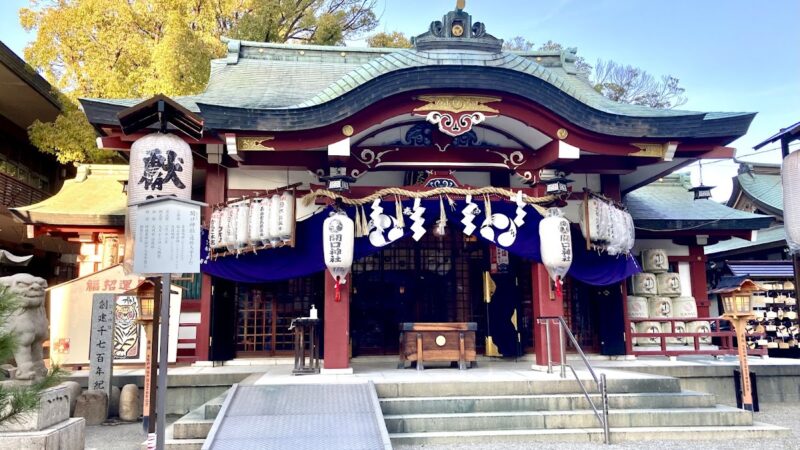
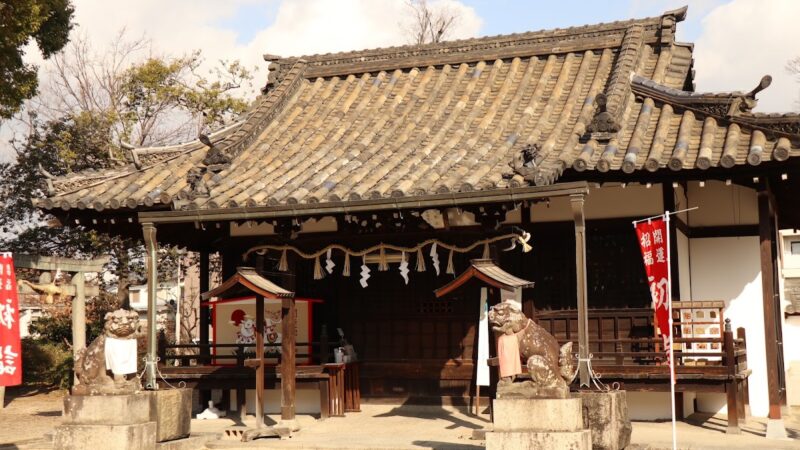
The main hall, built in 1635 (Kanei 12), retains many characteristics of early Edo period shrine architecture and is designated as an Osaka Prefecture Designated Tangible Cultural Property.
This shrine, with a history of nearly 400 years, is a valuable historical structure that conveys the architectural style from the Momoyama period to the early Edo period. The intricate details of the decorations and structure reflect the architectural techniques and aesthetic sensibilities of the time.
Hachiman Shrine (Osaka Prefecture Designated Tangible Cultural Property)
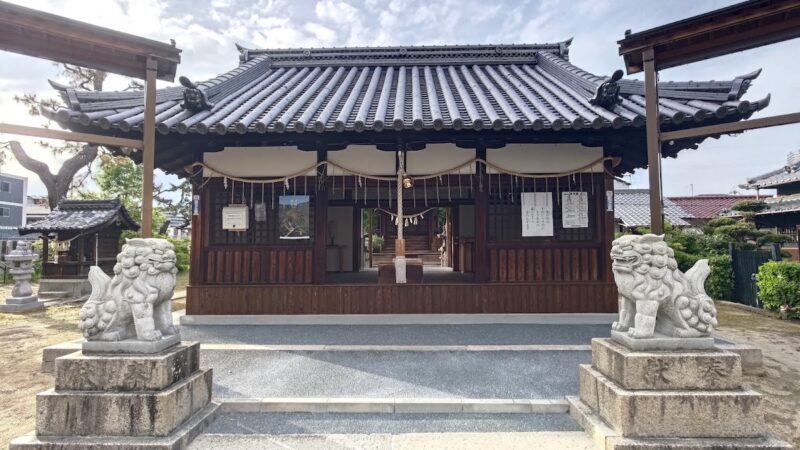
Along with the main shrine, the Hachiman Shrine, located within the grounds, is also an Osaka Prefecture Designated Tangible Cultural Property.
The Hachiman Shrine is an important structure that conveys the history of this shrine, which was originally founded as a Hachiman Shrine. It shows that even after the main deity changed to Tenmangu, the worship of Hachiman continued as a subsidiary shrine.
This Hachiman Shrine building is also thought to have been constructed at the same time as the main shrine, and is a valuable cultural property that conveys the architectural style of the early Edo period.
Preservation Status of Cultural Property
The shrine buildings of Ajishita Tenmangu have been carefully maintained by the local people. Regular restoration work is also carried out, and it is preserved as a valuable cultural heritage that conveys the appearance of the Edo period to the present day.
In the northern Osaka prefecture area, there are few examples of shrine architecture from such an old period remaining in such good condition, and its historical and cultural value is extremely high.
Highlights of the Shrine Grounds
Shrine Building
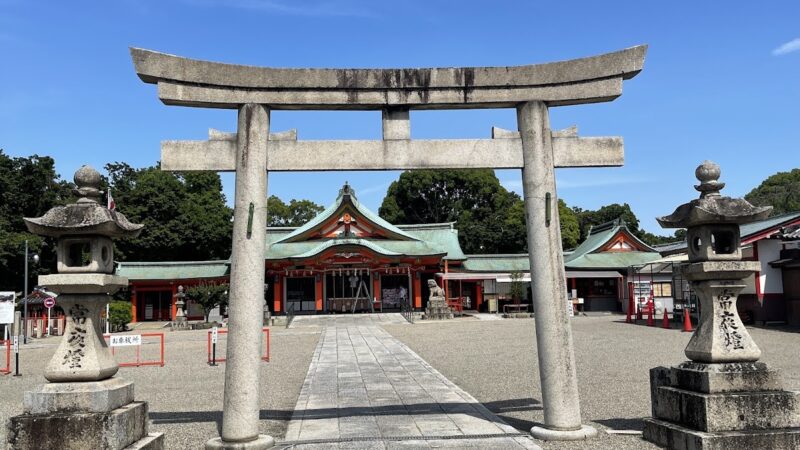
Despite being located in a residential area, the shrine building of Ajishita Tenmangu Shrine maintains a tranquil atmosphere. Passing through the torii gate and proceeding along the approach, the main hall, which retains the charm of the early Edo period, comes into view.
The architectural style and decorations of the main hall showcase the craftsmanship of the time, making it a fascinating sight for those interested in architecture.
Subsidiary Hachiman Shrine
Within the shrine grounds stands the subsidiary Hachiman Shrine, which, along with the main hall, is a designated tangible cultural property of Osaka Prefecture. Hachiman is worshipped as the god of martial fortune and victory, and has also been revered as the god of agriculture and industry.
This is an important shrine that conveys the Hachiman faith, which is the origin of the shrine’s founding.
Atmosphere of the Shrine Grounds
Despite being surrounded by a residential area, stepping into the grounds of Ajishita Tenmangu Shrine reveals a tranquility that feels like entering another world. In an increasingly urbanized area, the preservation of such a tranquil space is precious.
Trees are strategically placed within the temple grounds, allowing visitors to experience the changing seasons.
About the Place Name “Mashita”
The unusual place name “Mashita” has been used to refer to this area since ancient times. While the current address is “Mishima,” the name “Mashita” remains in the name of Mashita Tenmangu Shrine and the name of the local elementary school (Mashita Elementary School).
Origin of the Place Name
There are various theories about the origin of the place name “Mashita,” but it is a valuable place name indicating that people have lived in this area since ancient times and formed their own unique community.
Mashita-go
Historically, “Mashita-go” referred to a wide area encompassing several villages. Mashita Tenmangu Shrine was the tutelary shrine of the entire Mashita-go area and the central object of worship for the entire region.
Even in modern times, with its increasing residential development, Ajishita Tenmangu Shrine remains an important presence that conveys the history of the region, forming the core of the community’s identity.
Annual Events and Festivals
Ajishita Tenmangu Shrine holds various festivals throughout the year.
New Year’s Visit
Many people from the community visit the shrine for their first shrine visit of the new year. The shrine is bustling with worshippers praying to Sugawara no Michizane, the god of learning, for their New Year’s resolutions and academic success.
Shichi-Go-San Festival
In November, Shichi-Go-San (a traditional Japanese rite of passage for children) is celebrated. As the guardian shrine of the community, families visit to pray for the healthy growth of their children.
Baby’s First Shrine Visit
Many baby’s first shrine visits (Omiyamairi) are also held at Ajishita Tenmangu Shrine, where people report the birth of a baby to the gods and pray for their healthy growth.
Annual Festival
The annual festival brings together people from the community and is an important event for passing on the history and traditions of the shrine to future generations. ## Benefits and Faith
At Ajishita Tenmangu Shrine, the following benefits are believed to be available through the divine virtues of the main deity, Sugawara no Michizane:
Academic Success and Passing Exams
Sugawara no Michizane is revered nationwide as the god of learning, and many students and those preparing for exams visit the shrine. A constant stream of people visit to pray for success in entrance exams, academic improvement, and passing qualification exams.
Improvement in Literary Arts
As Michizane was also an excellent Chinese poet and man of letters, he is also worshipped by those seeking improvement in literature, calligraphy, and the arts.
Good Fortune and Family Safety
Through the divine virtues of the deities enshrined here, including Amaterasu Omikami, benefits such as good fortune, family safety, and business prosperity can also be expected.
Protection from Evil and Disaster
Sugawara no Michizane is a deity who transformed from a vengeful spirit into a guardian deity, and is worshipped for protection from evil and disaster.
Access Information
Access by Train
Nearest Station: Hankyu Kyoto Line “Shojaku Station”
Travel Time: Approximately 10 minutes on foot from Shojaku Station (approximately 800m)
After exiting Shojaku Station, proceed through the residential area to reach Ajishita Tenmangu Shrine. There is a shrine name marker along the Osaka-Takatsuki-Kyoto Line (Prefectural Road No. 14), and walking straight through the residential area from there will lead you to the shrine entrance.
Other Access Methods
- Within walking distance from Osaka Monorail “Settsu Station” (approximately 15 minutes)
- Bus available from JR Kyoto Line “Senrioka Station”
Access by Car
Parking space is limited as the area around the shrine is residential. We recommend using public transportation.
Address and Map
Address: 3-9-3 Mishima, Settsu City, Osaka Prefecture 566-0022
The surrounding area is a quiet residential neighborhood. We recommend checking the route beforehand using a map app to avoid getting lost.
Nearby Attractions
History of Settsu City
Settsu City has flourished as a transportation hub since ancient times. Around Ajishita Tenmangu Shrine, there are many other historical sites, shrines, and temples.
Ajishita Elementary School
Near Ajishita Tenmangu Shrine is Ajishita Elementary School, also bearing the name “Ajishita,” which preserves the history of the region.
Yodo River and Ai River
Settsu City is situated between the Yodo River and the Ai River, and has developed thanks to the blessings of these rivers. When visiting the shrine, you can also enjoy a stroll along these rivers.
Etiquette and Manners for Visiting a Shrine
Basic Etiquette for Visiting a Shrine
- Bow before passing through the torii gate: This is a courtesy before entering the sacred area.
- Walk along the edge of the path: The center is considered the path for the gods.
- Purify yourself at the water basin: Cleanse your hands and mouth before praying.
- Two bows, two claps, one bow: This is the basic etiquette before the shrine.
Points to Note When Visiting a Shrine
- Pray quietly and be considerate of other visitors.
- Take photographs only within permitted areas and observe proper etiquette.
- The shrine grounds are a sacred place, so please keep them clean.
Summary of the Charms of Ajishita Tenmangu Shrine
Ajishita Tenmangu Shrine is a historical shrine located in the urban area of Settsu City, Osaka Prefecture, yet it preserves valuable architecture from the early Edo period. The main shrine and the subsidiary Hachiman Shrine, designated as tangible cultural properties of Osaka Prefecture, are valuable cultural heritage sites with a history of approximately 400 years, and hold high architectural historical value.
The main deity enshrined here is Sugawara no Michizane, the god of learning, and it is believed to bring good fortune in academic achievement and passing exams, attracting many students and those preparing for exams. It is also a beloved local shrine, a place for important life events such as New Year’s visits, Shichi-Go-San (a traditional rite of passage for children), and baby blessings.
It also preserves the old place name “Ajishita,” and even in modern times, with its increasing urbanization, it remains a cherished core of the region’s history and identity.
Its convenient location, approximately a 10-minute walk from Hankyu Kyoto Line’s Shōjaku Station, is another attractive feature. When sightseeing in the Osaka and Kyoto area, why not extend your trip a little and visit the quiet and historic Ajishita Tenmangu Shrine?
Summary: Key Points for Visiting Ajishita Tenmangu Shrine
Historical Value: The shrine building, constructed in 1635 (Kanei 12), is a designated tangible cultural property of Osaka Prefecture.
Deities Enshrined: The main deity is Sugawara no Michizane, the god of learning, with Amaterasu Omikami and many other gods enshrined alongside him.
Benefits: Academic success, passing exams, good fortune, family safety
Cultural Property: The main hall and the subsidiary Hachiman Shrine are designated tangible cultural properties of Osaka Prefecture.
Access: Approximately 10 minutes on foot from Hankyu Kyoto Line “Shojaku Station”
Features: A local guardian shrine that maintains a tranquil atmosphere despite being located in an urban area.
Ajishita Tenmangu Shrine is a fascinating shrine where history, culture, and the faith of the local people still thrive. Please visit and experience its charm for yourself.