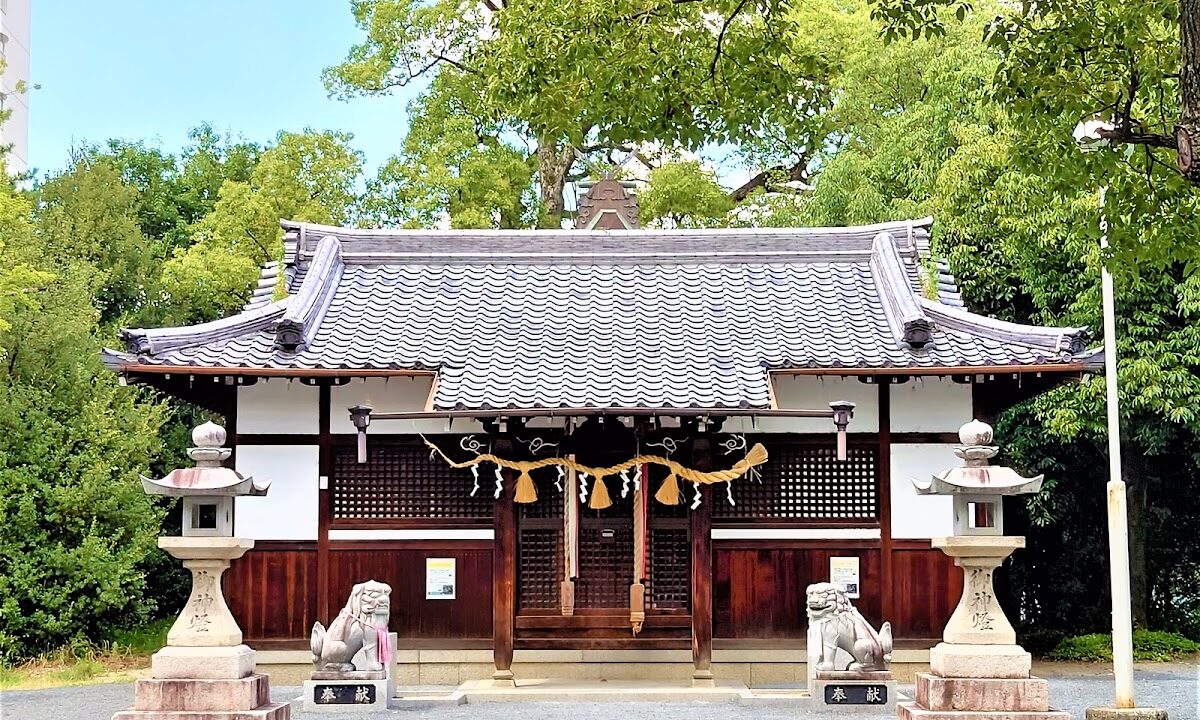
Sawaragi Shrine (Ibaraki City, Osaka Prefecture) Complete Guide | History, Deities, and Access Information
Sawaragi Shrine, located in Ibaraki City, Osaka Prefecture, is a historically significant shrine listed in the Engishiki Jinmyocho (a list of shrines compiled in the Heian period). Affectionately known locally as “Omiya-san,” it has long stood on the banks of the former Ibaraki River. This article provides a detailed overview of Sawaragi Shrine, including its history, enshrined deities, highlights within the grounds, access methods, and surrounding area information.
Basic Information on Sawaragi Shrine
Sawaragi Shrine is located in Misawa-cho, Ibaraki City, Osaka Prefecture, and has long been revered as a Shikinaisha (a shrine listed in the Engishiki) of Shimoshimo District. It sits on a long, narrow plot of land along Sakura-dori Street, and is characterized by its approximately 200-meter-long, lush green approach.
Basic Data
- Official Name: Sawaragi Shrine
- Location: 14 Misawa-cho, Ibaraki City, Osaka Prefecture
- Common Name: Omiya-san
- Shrine Rank: Engishiki-listed shrine (Shimoshimo District)
- Visiting Hours: Open to visitors at any time
- Telephone Number: Please contact the Osaka Prefectural Shrine Association
History of Sawaragi Shrine
Founding and History
The founding date of Sawaragi Shrine is unknown, but as it is an ancient shrine listed in the Engishiki Jinmyocho (compiled in 927), it is certain that it existed before the Heian period. Regarding the origin of the shrine’s name, there is a theory that the Sawaraomi clan enshrined their ancestral deity there.
Since ancient times, it has been located on the embankment of the former Ibaraki River and has been revered as a god that protects the region from floods and as the local tutelary deity. The elongated shape of the site reflects its former location relative to the river.
Connection to the Higashi-Nara Ruins
An essential aspect of understanding the history of Sawaragi Shrine is its connection to the nearby Higashi-Nara Ruins. Bronze bells (dotaku) have been unearthed from these ruins, suggesting a deep connection between the shrine’s enshrined deity and the place name.
The Higashi-Nara Ruins are the remains of a settlement dating from the Yayoi period to the Kofun period, indicating that this area was a place of human activity from ancient times. The discovery of the bronze bells suggests the possibility that this area was one of the centers of bronze culture, and is thought to be closely related to the establishment of Sawaragi Shrine.
About the Enshrined Deity, Kagutsuchi-no-Kami
What is Kagutsuchi-no-Kami?
The enshrined deity of Sawaragi Shrine is Kagutsuchi-no-Kami (Hi-no-Kagutsuchi-no-Kami). In Japanese mythology, Kagutsuchi-no-Kami is known as the god of fire, born to Izanagi-no-Mikoto and Izanami-no-Mikoto.
As the god of fire, he has been worshipped as the deity who presides over technologies such as ironworking and blacksmithing, as well as all aspects of life that involve fire. In ancient times, he was particularly important as an indispensable figure in the manufacture of bronze and iron tools.
Coincidence between Divine Name and Place Name
What is particularly interesting about Sawaragi Shrine is the deep connection between the name of the enshrined deity and the place name.
Meaning of “Kagu”:
- “Kagu” is considered an archaic word for copper.
- There is a theory that the “Kagu” in Kagutsuchi-no-kami refers to metal, especially copper.
Meaning of “Sawara”:
- “Sawara” is also considered a word referring to copperware.
- The fact that both the place name “Sawaragi” and the deity’s name “Kagutsuchi” are related to copper suggests that this region was deeply connected to ancient copperware production.
This correspondence between the deity’s name and the place name also coincides with the discovery of bronze bells at the Higashi-Nara ruins, indicating the importance of this region in ancient times.
Highlights of the Shrine Grounds
Approach and Torii Gate
The approach to Sawaragi Shrine is approximately 200 meters long and follows Sakura-dori Street. The lush green approach shows different expressions in each season, and the cherry blossoms are especially beautiful in spring.
Passing through the torii gate, a long, narrow shrine grounds unfolds. This unique layout stems from its location on the former embankment of the Moto-Ibaraki River, a feature that speaks to the shrine’s history.
Main Hall and Worship Hall
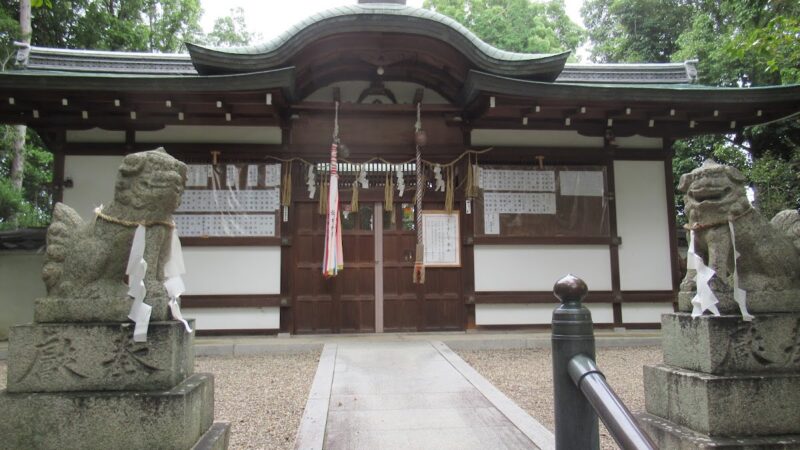
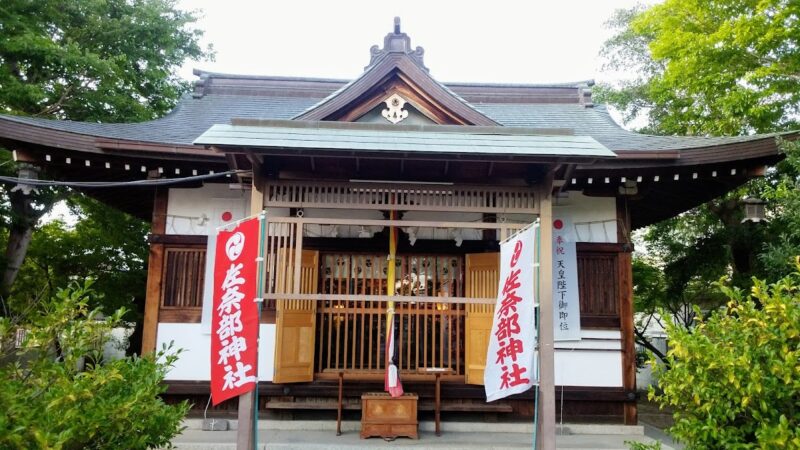
The main hall enshrines Kagutsuchi-no-kami and is revered by the local people. In the worship hall, daily worshippers can be seen quietly offering their prayers.
The shrine grounds are meticulously maintained, with cleaning activities carried out by local residents. The tranquil atmosphere maintained despite its urban location is a testament to the deep affection the local people have for the shrine.
Atmosphere of the Shrine Grounds
Sawaragi Shrine, affectionately known as “Omiya-san,” is a central hub for the local community. It is used in various ways by local people, from those who visit for daily walks to those who make morning prayers a daily routine.
Photography is permitted, and many worshippers take pictures of the shrine grounds and the torii gate. Posting on social media is also welcomed, actively promoting the shrine’s appeal.
Annual Events – Autumn Festival
Autumn Festival (October 17th)
The most important event at Sawaragi Shrine is the Autumn Festival, held annually on October 17th. This day is bustling with many worshippers and is a major event in the community.
During the Autumn Festival, Shinto rituals are performed to pray for the peace and prosperity of the community and a bountiful harvest. With stalls lining the streets, it has become a well-established festival enjoyed by people of all ages.
Other Events
Besides the Autumn Festival, various Shinto rituals are performed throughout the year. Many worshippers visit for seasonal events such as the New Year’s visit and the Setsubun Festival.
Access
Access by Train
Sawaragi Shrine is easily accessible by public transportation.
Nearest Stations:
- Hankyu Kyoto Line, Minami-Ibaraki Station
- Approximately 10 minutes on foot from Minami-Ibaraki Station
- Most common access route
- Osaka Monorail, Sawaragi Station
- Approximately 5 minutes on foot from Sawaragi Station Exit 1
- Closer access point
Walking Route
From Minami-Ibaraki Station, exit the station and head northeast towards Sakura-dori Street. Once you reach Sakura-dori Street, you will see the entrance to the shrine’s approach along the street. There are also signs, so you are unlikely to get lost.
Access by Car and Parking
Access by car is possible, but it is recommended to check the availability of dedicated parking in advance. There are coin-operated parking lots nearby, but congestion is expected during events such as the Autumn Festival, so using public transportation is recommended.
Landmarks in the vicinity
- Located along Sakura-dori Street
- Near the former embankment of the former Ibaraki River
- Close to the Higashi-Nara Ruins
- Misawa-cho area, Ibaraki City
About Goshuin (Shrine Seals)
Regarding Goshuin at Sawaragi Shrine, it is recommended to check in advance. It is a historical shrine listed in the Engishiki (ancient Japanese legal code), and many visitors come to collect Goshuin.
When requesting a Goshuin, it is important to complete your prayers first and then politely make your request. It is also recommended to bring your Goshuincho (seal book).
Nearby Shrines and Temples
Shrines in Ibaraki City
Many other historical shrines and temples are scattered around Sawaragi Shrine.
Major nearby shrines:
- Ibaraki Shrine
- Io Shrine
- Other Engishiki shrines in Ibaraki City
There are 73 shrines in Ibaraki City, making it possible to create a shrine-hopping route. For history buffs and those who enjoy visiting shrines and temples, a one-day course visiting multiple shrines is highly recommended.
Toyonaka, Ikeda, and Takatsuki Area
Looking at a wider area, the Toyonaka, Ikeda, and Takatsuki area alone has 369 shrines and temples, while Osaka Prefecture as a whole boasts 2,875. Starting from Sawaragi Shrine, you can enjoy a shrine tour of the northern Osaka area.
Higashi-Nara Ruins and Ancient History Exploration
The Importance of the Higashi-Nara Ruins
If you visit Sawaragi Shrine, be sure to also visit the nearby Higashi-Nara Ruins. This site is the remains of a large settlement dating from the Yayoi period to the Kofun period, and important artifacts, including bronze bells (dotaku), have been discovered there.
The Relationship Between Bronze Bell Culture and Shrines
Bronze bells (dotaku) are bronze artifacts used in Yayoi period rituals, and their discovery at the Higashi-Nara Ruins suggests that this region may have been a center of ancient rituals. The fact that the enshrined deity of Sawaragi Shrine is Kagutsuchi-no-kami (a god associated with copper) and the discovery of bronze bells (dotaku) are surely no coincidence.
Understanding the ancient history of this region will allow for a deeper understanding of the historical significance of Sawaragi Shrine.
Manners and Etiquette for Visiting a Shrine
Basic Etiquette for Visiting a Shrine
Observing the basic etiquette for visiting a shrine will allow for a more heartfelt visit.
- Bow before passing through the torii gate.
- Walk along the edge of the path to the shrine. (The center is the path for the gods.)
- Purify your body and mind at the water basin.
- Bow twice, clap twice, and bow once in front of the main hall.
- Bow again at the torii gate when leaving.
Photography
Photography is permitted on the grounds of Sawaragi Shrine. Many visitors take beautiful photos of the grounds and share them on social media. However, please note the following points.
- Refrain from taking photos during religious ceremonies.
- Be considerate of other worshippers.
- Use flash photography at your discretion.
- When posting photos on social media, please do so with respect.
Connections to the Community
The Affectionate Name “Omiya-san”
The fact that Sawaragi Shrine is affectionately called “Omiya-san” by locals is evidence of its deep roots in the community. Being called by a more familiar name than its official name indicates that the shrine is cherished as an integral part of daily life.
Center of the Community
The shrine functions not only as a place of worship but also as the center of the local community. Events such as the autumn festival provide valuable opportunities for local people to gather and interact.
History and Culture of Ibaraki City
Overview of Ibaraki City
Ibaraki City is a core city located in the northern part of Osaka Prefecture, and has flourished as a transportation hub since ancient times. The area where Sawaragi Shrine is located is a historical land where people have lived since ancient times.
The Value of Shikinaisha Shrines
Shikinaisha shrines, listed in the Engishiki Jinmyocho (a list of shrines compiled in the Heian period), are historically significant shrines recognized by the imperial court during the Heian period. Several Shikinaisha shrines exist within Ibaraki City, and Sawaragi Shrine is one of them, preserving the region’s history to this day.
How to Enjoy Your Visit
Seasonal Expressions
Sawaragi Shrine displays different expressions throughout the four seasons.
- Spring: The cherry blossoms along Sakura-dori Street are beautiful, and the approach to the shrine is vibrant.
- Summer: The lush green grounds create a cool and refreshing atmosphere.
- Autumn: The lively atmosphere of the autumn festival and the beauty of the autumn leaves.
- Winter: A peaceful atmosphere for the first shrine visit of the year.
Spending Time at a Relaxed Pace
A leisurely stroll along the approximately 200-meter approach and quiet time spent within the shrine grounds offers a precious moment away from the hustle and bustle of city life. We recommend taking your time and enjoying the atmosphere of the shrine during your visit.
Relationship with the Osaka Prefectural Association of Shinto Shrines
Sawaragi Shrine belongs to the Osaka Prefectural Association of Shinto Shrines, ensuring proper management and operation. Detailed information and inquiries regarding the shrine can be made through the Osaka Prefectural Association of Shinto Shrines.
The Osaka Prefectural Association of Shinto Shrines is located in Kyutaro-cho, Chuo-ku, Osaka City, and oversees and supports shrines within the prefecture.
Shrine Visits in the Digital Age
Online Information Gathering
In modern times, it’s common to gather information online before visiting a shrine. Information about Sawaragi Shrine can be found on various websites and map apps.
Sharing on Social Media
Sharing photos of your visit and the shrine grounds on social media can convey the shrine’s charm to many people. When posting, remember to show respect to the shrine and share information appropriately.
Shrine Visit Recording Apps
Apps for managing shrine visit records and collecting goshuin (stamps) are also becoming popular, diversifying the ways to enjoy shrine visits. Recording your visit to Sawaragi Shrine with such an app can create lasting memories.
Summary
Sawaragi Shrine is a shrine that possesses historical value as a shrine listed in the Engishiki (an ancient Japanese legal code), a connection between its enshrined deity, Kagutsuchi-no-kami, and the bronze bell culture, and a friendly, beloved presence in the community as “Omiya-san.”
When visiting Ibaraki City, Osaka Prefecture, be sure to visit this historic shrine. Walking along the approximately 200-meter-long lush green approach and spending time in the tranquil grounds will be a precious experience away from everyday life.
It is easily accessible from Hankyu Minami-Ibaraki Station and Osaka Monorail Sawaragi Station, and there are many historical sites in the surrounding area, including the Higashi-Nara Ruins. This shrine is recommended for anyone interested in ancient history, those who enjoy visiting shrines and temples, and those who simply want to spend some quiet time.
While the lively atmosphere of the autumn festival is appealing, the quiet grounds on a normal day are also exceptional. Sawaragi Shrine is a shrine you’ll want to visit again and again, enjoying its ever-changing scenery throughout the seasons.