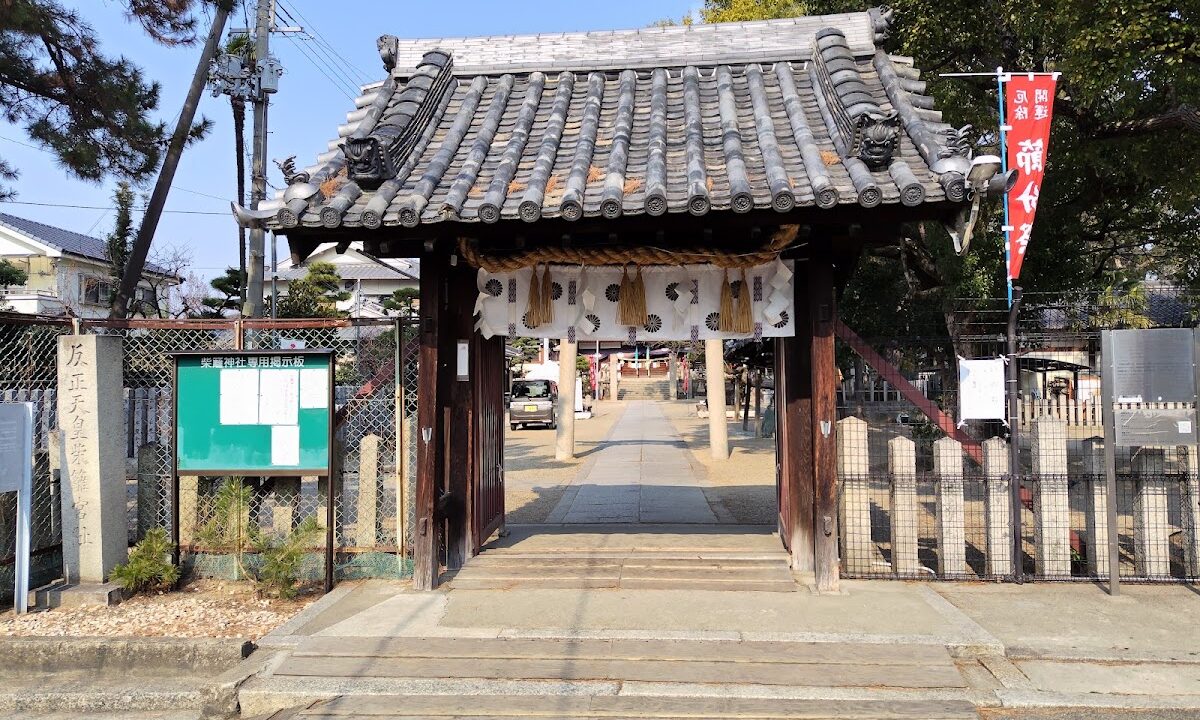
Complete Guide to Shibagaki Shrine (Matsubara City, Osaka Prefecture) | An Ancient Shrine Associated with Emperor Hanzei and Dedicated to the God of Teeth
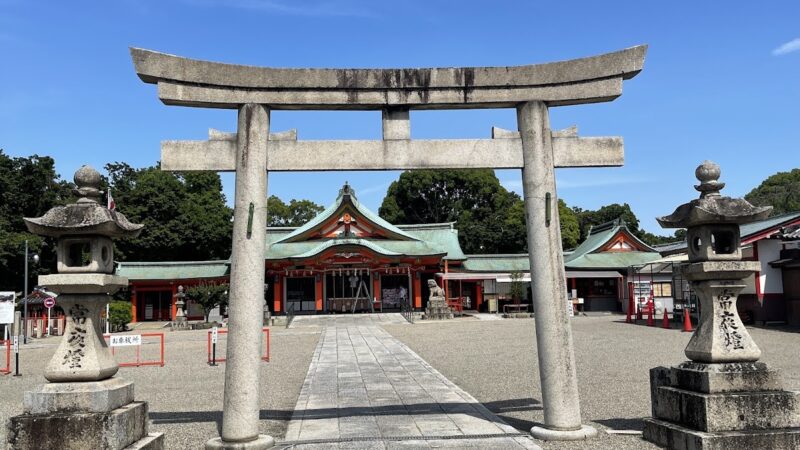
Shibagaki Shrine, located in Ueda, Matsubara City, Osaka Prefecture, is a historic shrine said to have been founded on the site of the imperial palace of Emperor Hanzei, the 18th emperor of Japan during the Kofun period. Known as a rare “god of teeth” in Japan, it is affectionately called “Shibagaki-san” by the local people. This article provides detailed information you should know before visiting Shibagaki Shrine, including its history, enshrined deities, blessings, annual events, and access methods.
History and Origins of Shibagaki Shrine
Site of Emperor Hanzei’s Capital, “Tanbi Shibagaki Palace”
The history of Shibagaki Shrine dates back to the middle of the Kofun period. The Kojiki and Nihon Shoki record that Emperor Hanzei, the 18th emperor (reigned approximately 406-410), established an imperial palace called “Tajihino Shibagaki no Miya” in this area. Although Emperor Hanzei reigned for only five years, this location played a crucial role as the last capital of the Kawachi dynasty.
The place name “Hanzeizan,” where the shrine is located, is indeed derived from Emperor Hanzei. Even today, the entire shrine grounds are considered the site of the former palace and are designated as a historical sacred site in Osaka Prefecture.
Founded by Imperial Order of Emperor Ninken
The exact founding date of Shibagaki Shrine is unknown, but according to shrine tradition, it was founded sometime between the late 5th and early 6th century by imperial order of Emperor Ninken, the 24th emperor. It is believed that Emperor Ninken built the shrine in this location to enshrine his ancestor, Emperor Hanzei, and it has long been revered as a shrine associated with the Imperial family.
Changes Since the Edo Period
Records show that prominent historical figures such as Ashikaga Tadayoshi and Ihara Saikaku visited the shrine during the Edo period. Ihara Saikaku, in particular, composed a humorous poem during his visit, and a monument inscribed with this poem still remains on the shrine grounds. This monument is attracting attention as a valuable historical document that conveys the culture of the Edo period.
Under the Meiji era’s shrine ranking system, it was ranked as a village shrine and developed as the local tutelary shrine. After World War II, it became an independent religious corporation and has been preserved as the center of local faith to this day.
Deities and Benefits
Main Deity: Emperor Hanzei (Mizuhawake-no-Mikoto)
The main deity of Shibagaki Shrine is the 18th Emperor Hanzei. Emperor Hanzei is also known as “Mizuhawake-no-Mikoto,” and this name makes Shibagaki Shrine special. “Mizuha” means “beautiful teeth,” and there is a legend that Emperor Hanzei was born with beautifully aligned teeth. From this legend, Shibagaki Shrine became known nationwide as the “God of Teeth.” It is an extremely rare shrine in Japan, attracting worshippers from all over the country who pray for good dental health.
Enshrined Deities: Sugawara no Michizane and Yosami no Sukune
In addition to the main deity, Emperor Hanzei, Sugawara no Michizane and Yosami no Sukune are enshrined in the auxiliary shrines.
Sugawara no Michizane is widely known as the god of learning, and is believed to grant blessings for academic success and passing exams. Yosami no Sukune was a member of an ancient powerful clan and is considered to have contributed greatly to the development of this region.
Main Benefits
Shibagaki Shrine is believed to offer the following benefits:
- Dental Health: All wishes related to teeth, such as cavity prevention, toothache relief, and improved tooth alignment.
- Protection from Evil: Protection from misfortune during unlucky years and disasters.
- Prayer for Safe Childbirth: Safe childbirth and fertility.
- Family Safety: Health and happiness of the family.
- Academic Success: Improvement of academic achievement through the divine virtues of Sugawara no Michizane.
The shrine is particularly revered by those in dental-related professions, such as dentists and dental hygienists, and many visitors come to pray for the opening of their own practices and improvement of their skills.
Highlights of the Shrine Grounds
Main Hall and Worship Hall
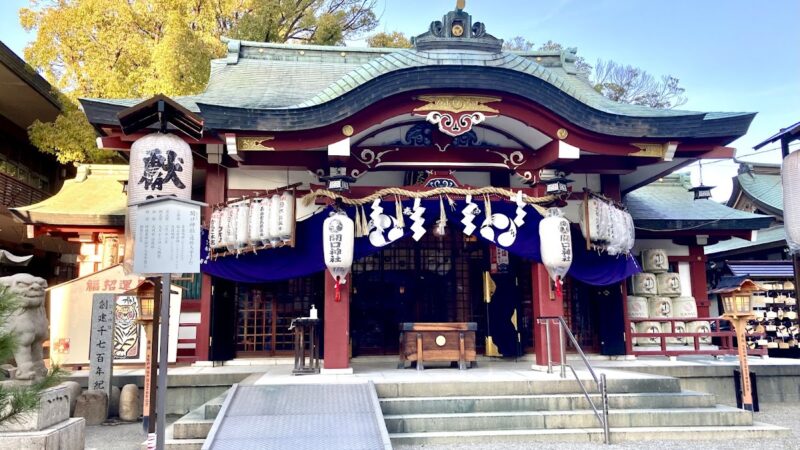
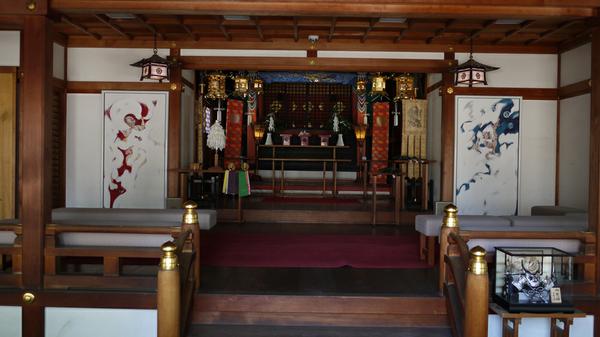
The main hall of Shibagaki Shrine is built in the traditional style of shrine architecture, creating a tranquil atmosphere. The worship hall welcomes daily visitors and serves as a solemn place of prayer. The shrine grounds are not particularly vast, but they are well-maintained and maintain a clean and pleasant space. ### Monument to Ihara Saikaku’s Kyoka Poem
Of particular note within the shrine grounds is the monument inscribed with a kyoka (comic poem) composed by Ihara Saikaku, a renowned Edo-period writer, during a visit to the shrine. This monument holds cultural value for Matsubara City, serving as a valuable historical artifact that speaks to the culture of the Edo period and the historical importance of Shibagaki Shrine. It’s a must-see spot for literature lovers and history enthusiasts.
Stone Monument to the Site of Emperor Hanzei’s Palace
Within the shrine grounds stands a stone monument marking the “Site of Emperor Hanzei’s Tanbi Shibagaki Palace,” conveying that this was once the site of an ancient imperial residence. You can feel the atmosphere of a historical sacred site.
Trees and Nature within the Shrine Grounds
Despite its urban location, the shrine grounds are planted with ancient trees and seasonal flowers, allowing visitors to experience the beauty of nature throughout the seasons. The grounds are particularly beautiful during the cherry blossom season in spring and the autumn foliage season.
Annual Events and Festivals
O-Tonto Festival (Mid-January)
Among the annual events at Shibagaki Shrine, the most important is the “O-Tonto Festival,” held every year in mid-January. This festival is a traditional event where New Year’s decorations and amulets are burned, and prayers are offered for good health and safety for the family.
New Year’s decorations brought by local residents are burned on the shrine grounds, and it is said that eating mochi (rice cakes) roasted over the flames will bring good health for the year. It is a popular New Year’s event, attracting many worshippers.
Summer Festival (July 19th-20th)
Every year from July 19th to 20th, the “Summer Festival,” the annual festival of Shibagaki Shrine, is held. Local parishioners and worshippers gather for a procession of portable shrines and dedication ceremonies.
During the Summer Festival, stalls line the shrine grounds, creating a lively atmosphere with local children and families. The sounds of traditional festival music fill the air, making this a charming festival deeply rooted in the community, adding color to summer nights.
Other Annual Events
- New Year’s Day Festival (January 1st): A first shrine visit to pray for happiness in the new year
- Setsubun Festival (around February 3rd): A ritual to ward off evil spirits through bean-throwing
- Annual Festival (Autumn): The shrine’s most important annual festival
- Shichi-Go-San (November): A visit to celebrate the growth of children
These events are important opportunities to preserve local traditions and foster bonds across generations.
Goshuin (Shrine Seal) Information
Issuance of Goshuin
Shibagaki Shrine offers Goshuin (shrine seals). The Goshuin features the shrine’s name and date of visit written in ink, and stamped with the shrine’s seal. For those who enjoy visiting shrines and collecting Goshuin, the Goshuin from Shibagaki Shrine, which has the unusual benefit of being a god of teeth, holds special value.
Time and Location of Issuance
Goshuin (temple/shrine stamps) are issued at the shrine office. However, they are not always available, so it is recommended to call ahead to confirm. Please note that they may not be available during festivals or events.
The offering fee is approximately 300 to 500 yen, similar to most shrines. You can bring your own goshuincho (stamp book) or receive a pre-written goshuin.
Access Methods
Access by Train
Nearest Station: Kintetsu Minami-Osaka Line “Kawachi-Matsubara Station”
- Approximately 15 minutes on foot from Kintetsu Minami-Osaka Line “Kawachi-Matsubara Station”
- Exit the station and head southeast. After passing through the residential area, you will arrive at the shrine.
From Osaka Abenobashi Station, it takes approximately 20 minutes by express train and approximately 30 minutes by local train. It has good access from urban areas, making it ideal for day trips.
Access by Bus
You can also use Kintetsu buses from Kawachi-Matsubara Station. Get off at the “Ueda” bus stop and it’s about a 5-minute walk. However, since the number of buses is limited, we recommend checking the timetable in advance.
Access by Car
Route from Major Roads:
- Approximately 10 minutes from the Miyake Exit of the Hanshin Expressway Route 14 Matsubara Line
- Approximately 15 minutes from the Matsubara Interchange on the Nishi-Meihan Expressway
There are a few parking spaces on the shrine grounds, but it may be crowded during festivals and on weekends. We recommend using public transportation.
Nearby Tourist Attractions
The following tourist attractions are also located near Shibagaki Shrine:
- Emperor Hanzei’s Mausoleum (Tadeiyama Kofun): The mausoleum of Emperor Hanzei, within walking distance
- Kawachi Otsukayama Kofun: A large keyhole-shaped burial mound from the Kofun period
- Matsubara City Cultural Center: A local cultural facility
Visiting the shrine in conjunction with a tour of the burial mounds will give you a deeper understanding of the history of ancient Kawachi.
Manners and Precautions for Visiting a Shrine
Basic Worship Etiquette
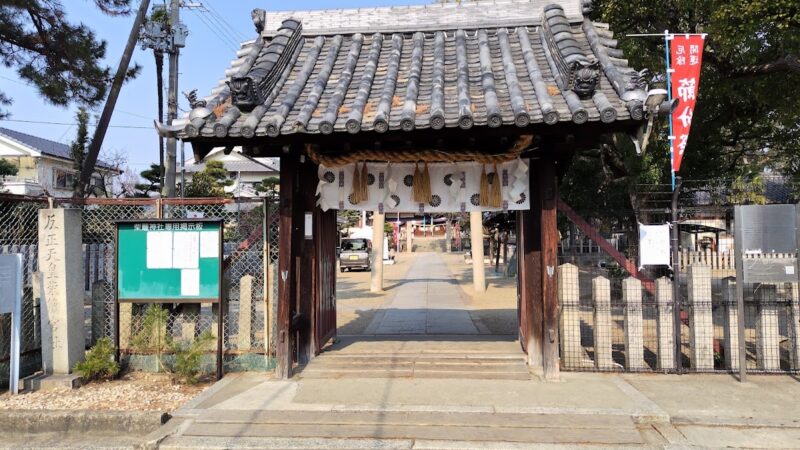
- Bow before passing through the torii gate: Show respect before entering the sacred area.
- Purify yourself at the water basin: Purify your left hand, right hand, and mouth in that order.
- Worship at the main hall: Two bows, two claps, and one bow is the basic procedure.
- Maintain silence on the shrine grounds: Refrain from loud conversations.
Attire for Visiting a Shrine
There are no specific dress code requirements, but it is desirable to dress appropriately for a sacred place. Avoid revealing clothing and sandals, and aim for clean and presentable attire.
Photography
Photography is generally permitted on the shrine grounds, but photography inside the main hall or during rituals may be restricted. Check with the shrine office or review posted notices before taking photographs.
Cultural Value of Shibagaki Shrine
Importance as a Historic Site in Osaka Prefecture
The grounds of Shibagaki Shrine are recognized for their historical value as the site of Emperor Hanzei’s Tanbi Shibagaki Palace. The fact that a former imperial palace site from the Kofun period is still preserved as a shrine is rare nationwide, making it an important historical site for studying the ancient history of Osaka Prefecture.
Uniqueness as a Deity of Teeth
While there are many shrines throughout Japan, very few have “the god of teeth” as their main deity, and Shibagaki Shrine is a prime example. In modern society, where interest in dental health is increasing, its uniqueness and cultural value are attracting more and more attention.
Preservation of Local Culture
Shibagaki Shrine is also an important center for preserving the local culture of Matsubara City. Through traditional events such as the O-tonto Festival and the Summer Festival, it fosters community bonds across generations and continues to protect the local identity.
The Role of Shibagaki Shrine in Modern Times
Faith of Dental Professionals
In modern times, the shrine enjoys strong faith from dental professionals, including dentists, dental hygienists, and dental technicians. Worshippers from all over Japan visit to pray for the success of their practices, improved skills, and successful treatments for their patients.
Prayers for Children’s Dental Health
Parents of children in the transition period from baby teeth to permanent teeth are increasingly visiting the shrine to pray for healthy tooth development. Many families also pray for dental health during Shichi-Go-San (a traditional Japanese rite of passage for children).
Role in an Aging Society
In today’s aging society, dental health is closely linked to overall health. The shrine is seeing an increase in visits from elderly people praying for the success of dental treatments such as dentures and implants, attracting a wide range of worshippers across generations.
Matsubara City and Shibagaki Shrine
History and Culture of Matsubara City
Matsubara City in Osaka Prefecture has flourished as an important region of Kawachi Province since ancient times. The area is known as a treasure trove of ancient history, with numerous burial mounds scattered throughout, including the Tanbi Shibagaki Palace of Emperor Hanzei.
Shibagaki Shrine is a central part of Matsubara City’s historical heritage and an important cultural and tourist spot in the city.
Center of the Local Community
Shibagaki Shrine is not merely a tourist destination; it is a spiritual haven for local residents. It is visited not only for important life events such as New Year’s prayers, Shichi-Go-San (a traditional rite of passage for children), and exorcisms, but also as a popular spot for daily walks.
Local children interact with the shrine through summer festivals and the O-tonto Festival, naturally learning about traditional culture. This intergenerational exchange strengthens community bonds.
Visitor Voices and Experiences
Visitors Praying for Dental Health
We have received comments such as, “I visited to pray for the success of my dental treatment. The treatment was completed successfully, and I returned to offer my thanks,” and “I visited because I was worried about my child’s teeth alignment, and they grew in beautifully.”
Evaluation from History Enthusiasts
History enthusiasts have also given high praise, with comments such as, “I was moved by the historical value of this site, the former imperial palace of Emperor Hanzei,” and “This is a valuable place where you can feel the history of the Kofun period up close.” It is recognized as an important spot for ancient history tours.
Feelings of Local Residents
Local residents express deep affection for the shrine, with comments such as, “This is a shrine I’ve been familiar with since childhood. I always visit at important milestones in my life,” and “It’s a quiet and peaceful place. It cleanses the soul.”
Summary: A Recommendation to Visit Shibagaki Shrine
Shibagaki Shrine is a historically significant shrine built on the site of Emperor Hanzei’s imperial palace during the Kofun period. It is nationally known as a rare “god of teeth” in Japan. It offers a variety of blessings, including prayers for dental health, protection from evil, safe childbirth, and family safety, welcoming a wide range of visitors.
Despite being located in the urban area of Matsubara City, Osaka Prefecture, it maintains a tranquil atmosphere, serving as a valuable site that conveys the region’s history and culture. Its convenient location, within walking distance of Kawachi-Matsubara Station on the Kintetsu Minami-Osaka Line, makes it easily accessible during Osaka sightseeing.
Traditional events such as the O-Tonto Festival and summer festivals are held throughout the year, offering different charms depending on the season. Goshuin (shrine stamps) are also available, making it ideal as part of a shrine pilgrimage.
Experience the romance of ancient history while praying for modern health—be sure to visit Shibagaki Shrine for a truly special experience. Praying for something as simple as dental health at a shrine with over a thousand years of history will surely be a memorable experience.