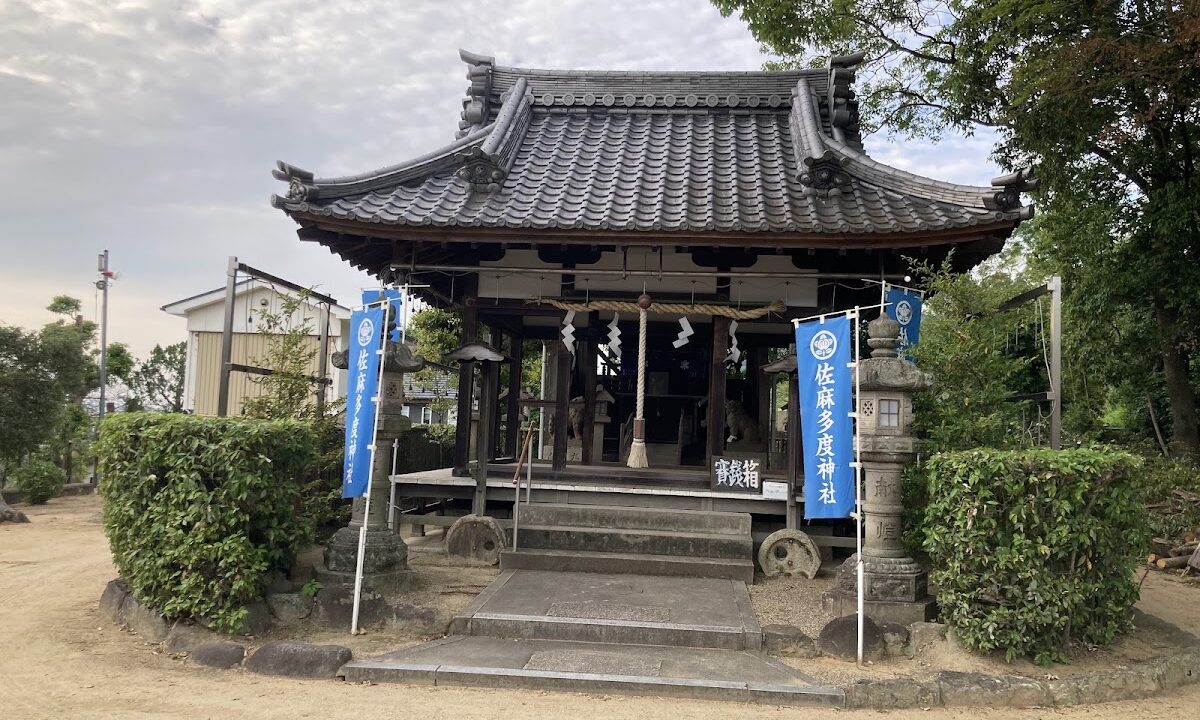
Samatado Shrine (Yao City, Osaka Prefecture) Complete Guide | History, Deities, and Access Information
Samatado Shrine, located in the quiet Yamahata district at the foot of Mt. Takayasu in Yao City, Osaka Prefecture, is a historically significant shrine listed in the Engishiki Jinmyocho (a list of shrines compiled in the Heian period). This ancient shrine, said to have been founded approximately 1400 years ago, has long been revered as the local tutelary deity. This article provides a detailed overview of Samatado Shrine, including its history, deities, highlights within the grounds, annual festivals, and access information.
Basic Information on Samatado Shrine
Location
Address: 340 Yamahata, Yao City, Osaka Prefecture 581-0864
Samatado Shrine is located in the Yamahata district, on the western slopes of Mt. Takayasu in the eastern part of Yao City. Surrounded by abundant nature, it maintains a tranquil atmosphere for worship.
Shrine Rank and History
- Shikinaisha: A Shikinaisha shrine in Takayasu District, Kawachi Province, listed in the Engishiki Jinmyocho (a list of shrines compiled in the Heian period).
- Former Shrine Rank: Village Shrine
- Founding Date: Said to be from the Yamato period (600s AD), approximately 1400 years ago.
Samata-do Shrine is an ancient shrine listed in the Engishiki Jinmyocho, compiled in the early Heian period, as “Samata-do Shrine, Takayasu District, Kawachi Province.” This listing indicates that it was already an important shrine recognized by the imperial court at that time.
Deities Enshrined
Main Deity
Samata-do no Okami
While Samata-do no Okami is considered the main deity of Samata-do Shrine, the original deity remains unclear. This is thought to be due to the loss of records over the shrine’s long history.
There are various theories regarding the name “Sama-Tado,” including theories that it originates from a place name or represents a specific deity, and these are still debated among researchers. While it is certain that the deity has been worshipped since ancient times as a Shikinaisha (a shrine listed in the Engishiki), much about its true identity remains shrouded in mystery, conveying the mystique of ancient beliefs.
Enshrined Shrines
The following two shrines are enshrined within the grounds of Samata-Tado Shrine:
- Yamahata Shrine: A shrine dedicated to the local tutelary deity
- Takayasu Tenmangu Shrine: A Tenmangu shrine dedicated to Sugawara no Michizane, the god of learning
By enshrining these shrines together, Samata-Tado Shrine serves as a central hub of comprehensive faith for the region.
History of Samata-Tado Shrine
Founding and Ancient Times
The exact founding date of Samata-Tado Shrine is unknown, but it is believed to have been established approximately 1400 years ago, during the Yamato period (600s AD). This period was a time when Japan was establishing itself as a Ritsuryo state, and ancient beliefs were being formalized in the form of shrines throughout the country.
As it is listed in the Engishiki Jinmyocho (completed in 927), it can be confirmed that it existed as a prestigious shrine recognized by the imperial court at least by the early Heian period.
Former Shrine Site and Relocation
Sama-Tado Shrine has an interesting history of relocation.
Former Shrine Site: It was located on Tenjin-yama, commonly known as “Mitarashi,” east of Yamahata Village, Takayasu District (present-day Oaza Yamahata), within the grounds of a temple called Hakukazan Kannon-in.
Relocation: It was relocated to its current location in 1898 (Meiji 31).
The former shrine site is believed to have been on Tenjin-yama, at the mouth of a valley in an alluvial fan, approximately 100 meters above the current location. During the era of syncretism of Shinto and Buddhism, it appears that the shrine was integrated with the temple of Hakukazan Kannon-in and attracted many worshippers. It is believed that the shrine was relocated to its current location due to the Meiji-era policy of separating Shinto and Buddhism.
Modern Era
In the Meiji-era shrine ranking system, Samatado Shrine was ranked as a village shrine. This indicates that it was the center of faith for the people of the Yamahata district as the local tutelary deity.
Even as the eras of Showa, Heisei, and Reiwa changed, Samatado Shrine has been carefully preserved by the local people and continues to this day.
Highlights of the Shrine Grounds
Tranquil Shrine Grounds
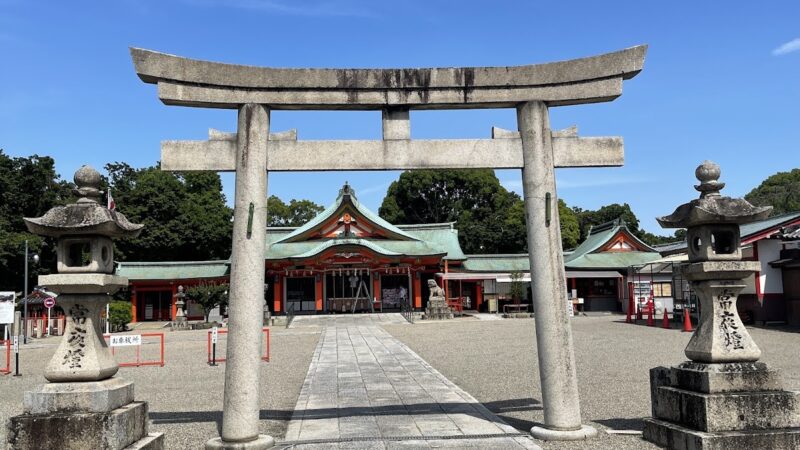
The grounds of Samatado Shrine, located at the foot of Mount Takayasu, are enveloped in a very quiet and peaceful atmosphere. Away from the hustle and bustle of the city, the natural surroundings provide peace of mind to visitors.
Main Hall and Worship Hall
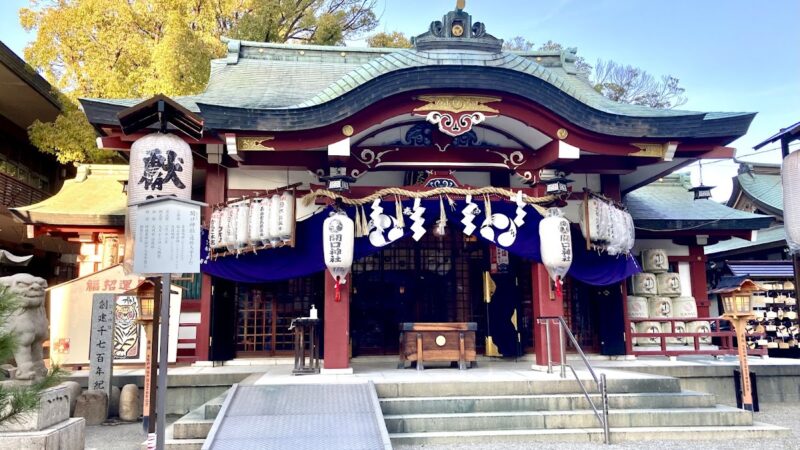
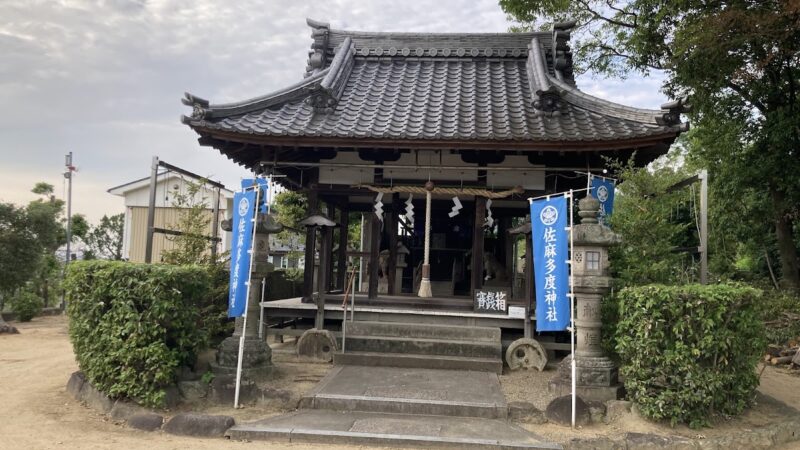
The shrine buildings of Samatado Shrine, which hold the status of a Shikinaisha (a shrine listed in the Engishiki), exude a simple yet solemn atmosphere. The architectural style, which evokes a long history, allows visitors to feel the continuity of ancient beliefs.
Combined Shrines
The shrine grounds house both Yamahata Shrine and Takayasu Tenmangu Shrine, making it possible to pay respects to multiple deities in a single visit. Takayasu Tenmangu Shrine, in particular, enshrines Sugawara no Michizane, known as the god of learning, attracting students and those praying for academic success.
Natural Environment
Located at the foot of Mount Takayasu, the shrine grounds and surrounding area are blessed with abundant nature. Experiencing the changing seasons while visiting is one of the charms of Samatado Shrine. It displays different expressions in each season, from fresh greenery in spring to vibrant autumn leaves.
Festivals and Events
Autumn Festival
The Autumn Festival is the main festival of Samatado Shrine. This important Shinto ritual expresses gratitude for the harvest and prays for the peace and prosperity of the community. It is the busiest time of year for the shrine, with local people gathering for the occasion. During the Autumn Festival, in addition to Shinto rituals, various events that preserve local traditions are held, making it a place for intergenerational exchange.
Other Annual Events
As a Shikinaisha (a shrine listed in the Engishiki, an ancient Japanese legal text) and the local tutelary deity, Samatado Shrine holds various festivals throughout the year. In addition to festivals commonly held at Japanese shrines, such as the New Year’s Day Festival, the Spring Festival, and the Summer Purification Ceremony, unique local events are also carefully preserved.
Access Information
Nearest Station/Line
Samatado Shrine can be accessed from the following stations:
- Kintetsu Shigi Line, Hattorigawa Station: Approximately 520 meters (approximately 7 minutes on foot)
- Kintetsu Shigi Line/Kintetsu Nishishigi Cable Line, Shigiyamaguchi Station: Approximately 910 meters (approximately 12 minutes on foot)
The closest station is Hattorigawa Station, which is within walking distance.
Access by Train
From Osaka City:
- Take the Kintetsu Osaka Line from Osaka Uehonmachi Station to Kawachi-Yamamoto Station.
- Transfer to the Kintetsu Shigi Line at Kawachi-Yamamoto Station and get off at Hattorigawa Station.
- Approximately 7 minutes on foot from Hattorigawa Station.
From Nara Area:
- Take the Kintetsu Nara Line/Osaka Line to Kawachi-Yamamoto Station.
- Transfer to the Kintetsu Shigi Line at Kawachi-Yamamoto Station and get off at Hattorigawa Station.
Nearest Bus Stops and Routes
Yao City Community Buses and other services operate, but please check Yao City’s public transportation information for details. Even when using the bus, access is on foot from the nearest bus stop.
Access by Car
Access by private car is possible, but since it is located in a mountainous area, there are narrow roads in some places. Please drive with caution.
Parking: There may be parking spaces for visitors on the temple grounds or in the surrounding area, but it is recommended to check in advance.
Map
Samata-do Shrine is located at 340 Yamahata, Yao City. You can find its exact location by searching for “Samata-do Shrine” or its address on your car navigation system or smartphone map app. It is situated in a quiet residential area of the Yamahata district, at the western foot of Mt. Takayasu.
Points to Note When Visiting
Etiquette for Visiting
Visiting Samata-do Shrine follows the general etiquette for visiting any shrine.
- Bow before passing through the torii gate.
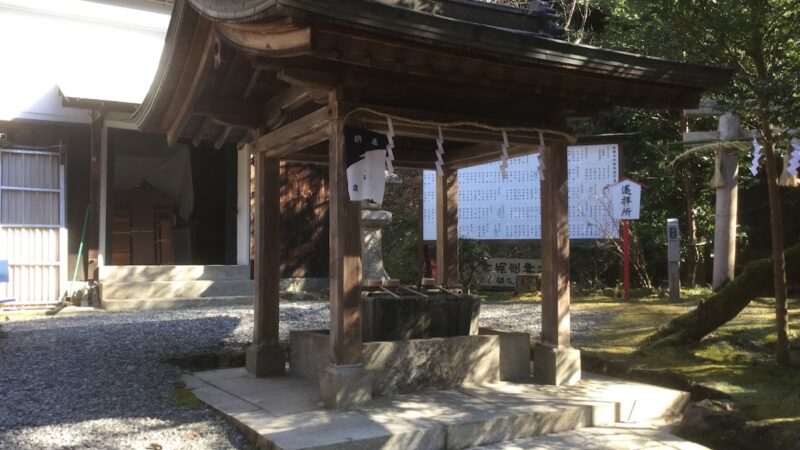
- Cleanse your hands and mouth at the water basin.
- Bow twice, clap twice, and bow once in front of the main hall.
- Visit the other shrines within the grounds.
- Bow once again at the torii gate on your way out.
Recommended time to visit
- Spring: A beautiful season of fresh greenery; you can visit in refreshing air.
- Autumn: Especially recommended during the autumn foliage season and autumn festivals.
- Weekdays: Weekdays are recommended for those who want to visit in peace and quiet.
About Goshuin (Shrine Seals)
The availability of Goshuin may vary depending on the shrine’s circumstances. We recommend checking before your visit.
Nearby Attractions
Mount Takayasu
Mount Takayasu, where Samatado Shrine is located, is a 488-meter-high mountain and a popular hiking destination. From the summit, you can enjoy a panoramic view of the Osaka Plain, and on clear days, you can even see Osaka Bay and the Rokko Mountains.
Mount Shigi
Nearby is Mount Shigi, home to the famous Shigi-san Chogosonshi Temple. Mount Shigi is known as a center of Bishamonten worship, attracting many visitors.
Related Shrines
Many other historical shrines, including those listed in the Engishiki (ancient Japanese legal code), are scattered throughout Yao City and the surrounding area.
- Koma Shrine: A Engishiki shrine within Yao City
- Onchi Shrine: An ancient shrine known as the second-ranked shrine of Kawachi Province
- Hiraoka Shrine: The first-ranked shrine of Kawachi Province, also known as Moto-Kasuga
For those who enjoy visiting shrines, a visit to these shrines is highly recommended.
The Charm of Samatado Shrine
Status as an Engishiki Shrine
The status of Samatado Shrine as an Engishiki shrine, listed in the Engishiki Jinmyocho (a list of shrines compiled in the Heian period), is evidence of its importance since ancient times. As one of approximately 3,000 Engishiki shrines nationwide, it is a shrine of high historical value.
A Tranquil Environment
Despite being not far from the city, the shrine grounds are enveloped in a remarkably quiet and peaceful atmosphere. This environment, where one can escape the hustle and bustle of everyday life and worship in a calm state of mind, is a precious space in the modern age.
Local Guardian Deity
For approximately 1400 years, Samatado Shrine has been worshipped as the guardian deity of the Yamahata district, making it an important presence that conveys the history and culture of the region. The shrine’s appearance, protected by the local people, exemplifies the traditional form of Japanese faith.
The Mysterious Deity
The fact that the details of the enshrined deity, Samatado-no-Okami, are unknown may seem strange at first glance. However, this mystery evokes the mystique of ancient beliefs and stimulates the imagination of visitors. It could be said that the information lost over its long history actually enhances the shrine’s appeal.
Points to Note When Visiting
Clothing and Items to Bring
- Please wear appropriate clothing for visiting a shrine.
- As it is located at the foot of a mountain, comfortable walking shoes are recommended.
- Insect repellent spray is useful in summer.
- Please take proper precautions against the cold in winter.
Manners
- Please pray quietly within the shrine grounds.
- Please take photographs only in permitted areas.
- Please take all your trash with you.
- Please respect nature and avoid damaging plants and other vegetation.
Visiting Hours
Shrines are generally open for worship from sunrise to sunset, but it is recommended to check the details in advance.
Summary
Samata-do Shrine is a Shikinaisha (shrine listed in the Engishiki Jinmyocho) with a history of approximately 1400 years, located in Yamahata, Yao City, Osaka Prefecture. While the details of the enshrined deity, Samata-do-no-Okami, are unknown, it is a prestigious shrine listed in the Engishiki Jinmyocho and has long attracted the faith of the local community.
Nestled in the tranquil environment at the foot of Mount Takayasu, the shrine grounds, which include the main sanctuary as well as the Yamahata Shrine and Takayasu Tenmangu Shrine, offer visitors a sense of peace and tranquility. Easily accessible, just a 7-minute walk from Hattorigawa Station on the Kintetsu Shigi Line, the shrine also hosts annual events, including the Autumn Festival.
Samatado Shrine possesses historical value as a Shikinaisha (a shrine listed in the Engishiki, an ancient Japanese legal code), a peaceful worship environment, and the allure of its enigmatic enshrined deity. When visiting shrines in Osaka Prefecture or exploring the area around Mount Takayasu, a visit to this shrine is highly recommended. At this place of worship, which has continued since ancient times, you can feel the depth of Japanese history and culture.