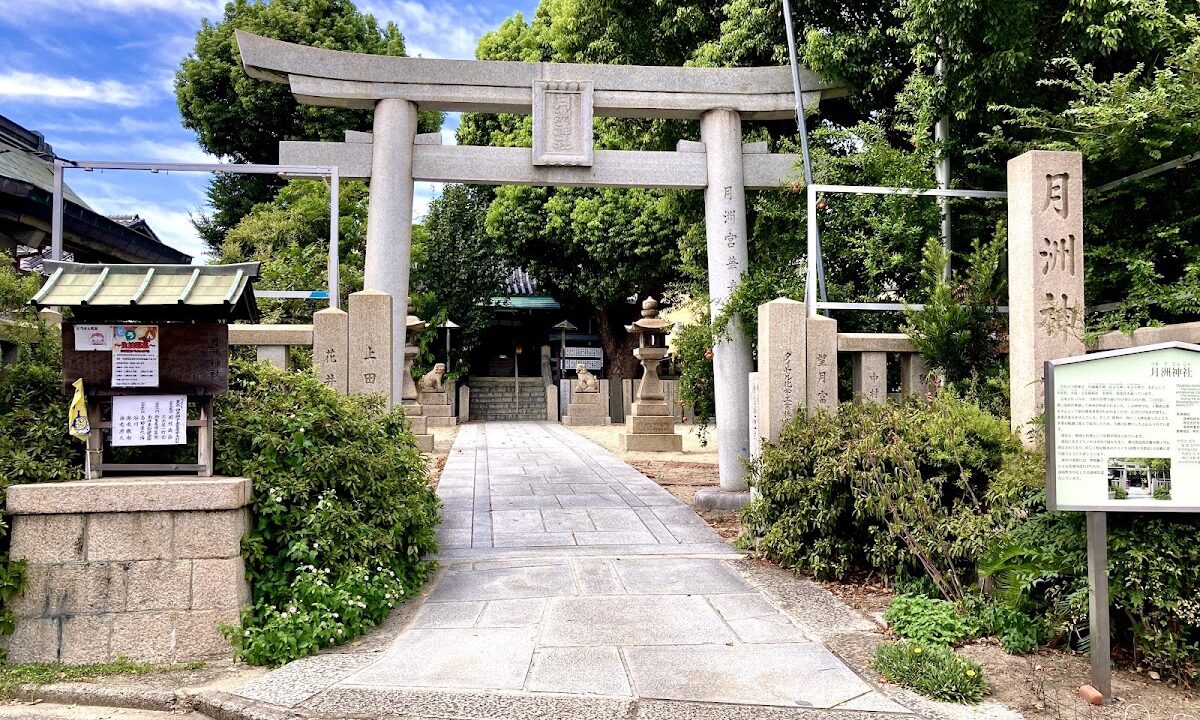
Complete Guide to Tsukishu Shrine: History, Benefits, and Access Information
Tsukishu Shrine is a historic shrine that has been cherished by local people for centuries. This article provides a detailed explanation of Tsukishu Shrine’s history, enshrined deities, benefits, worship methods, and access information—all essential information before your visit.
What is Tsukishu Shrine?
Tsukishu Shrine is a name for shrines that may exist throughout Japan, and its origins and enshrined deities may vary depending on the region. The name “Tsukishu” is thought to be a combination of a place name related to the moon and “shu,” a former regional division.
Shrines have served as centers of traditional Japanese faith and spiritual pillars for local communities. Tsukishu Shrine is also positioned as an important place that conveys the history and culture of the region to the present day.
History and Origin of Tsukishu Shrine
History of Founding
The founding period of Tsukishu Shrines varies depending on the region and the specific shrine, but many are said to have been founded between the Heian and Kamakura periods. According to ancient documents and shrine records, many of these shrines were built to pray for bountiful harvests and protection against disasters, coinciding with the development of the region and the advancement of agriculture.
There are several theories regarding the origin of the name “Tsukishu” (月州):
- Moon Worship Theory: From ancient times, the moon was deeply connected to the agricultural calendar, and rituals were performed based on the phases of the moon.
- Place Name Theory: The region was once called “Tsukishu,” or it was a place where the moon was beautifully visible.
- Mythological Theory: Named after the worship of moon-related deities such as Tsukuyomi-no-Mikoto.
Historical Changes
Tsukishu Shrine has undergone various changes over time:
Edo Period: Under the patronage of the feudal domain, it developed as the guardian shrine of the region. Regular festivals were held, and it was bustling with many worshippers.
Meiji Period: Due to the separation of Shinto and Buddhism, shrines that had previously adopted a syncretic form of Shinto and Buddhism were reformed into a purely Shinto form. Furthermore, under the modern shrine ranking system, it was designated as a village shrine or regional shrine.
Showa and Heisei Eras: After the post-war reconstruction period, the shrine buildings were restored and the grounds were improved by local residents, leading to its current appearance.
Deities and Divine Status
The deities enshrined at Tsukishu Shrine may vary depending on the shrine, but generally, the following gods are worshipped:
Main Deity
Tsukuyomi-no-Mikoto
The god of the moon in Japanese mythology. Along with Amaterasu-Omikami and Susanoo-no-Mikoto, he is considered one of the Three Noble Children and is revered as the god who rules the night. He has been worshipped as the god who presides over activities closely related to the phases of the moon, such as agriculture and fishing.
Amaterasu-Omikami
The goddess of the sun and the ancestral deity of the Imperial family. She is enshrined as the main deity or a subordinate deity in many shrines.
Enshrined Deities
Some shrines also enshrine local guardian deities, agricultural deities, and industrial deities:
- Ōkuninushi-no-Mikoto: God of matchmaking and good fortune
- Inari-no-Kami: God of abundant harvests and business prosperity
- Sugawara no Michizane: God of learning
It is believed that the enshrinement of multiple deities allows for a variety of blessings.
Blessings of Tsukishu Shrine
Visiting Tsukishu Shrine is believed to bring the following blessings:
Matchmaking and Romantic Fulfillment
The moon has long been associated with love and matchmaking. Tsukuyomi-no-Mikoto is believed to have the power to connect people, and many worshippers seeking good relationships visit the shrine. There is a legend that visiting on a full moon night brings even stronger blessings.
Safe Childbirth and Fertility
Because the phases of the moon are related to a woman’s menstrual cycle, the moon god is believed to grant blessings for safe childbirth and fertility. Visitors include those hoping to conceive and pregnant women praying for a safe delivery.
Abundant Harvest and Business Prosperity
In agriculture, the phases of the moon were an important indicator. Historically, planting and harvesting times were determined by the lunar cycle, leading to its worship as a shrine for praying for a bountiful harvest. Many also visit to pray for business prosperity and success.
Protection from Misfortune and Good Fortune
Moonlight illuminates the darkness, and is believed to ward off misfortune and bring good fortune. Those in their unlucky years or facing life-changing events pray here for protection from misfortune and good fortune.
Physical and Mental Health and Recovery from Illness
The gentle light of the moon is believed to have the power to heal the mind, and visitors come to pray for mental stability and physical and mental health.
Highlights of the Shrine Grounds
Main Hall and Worship Hall
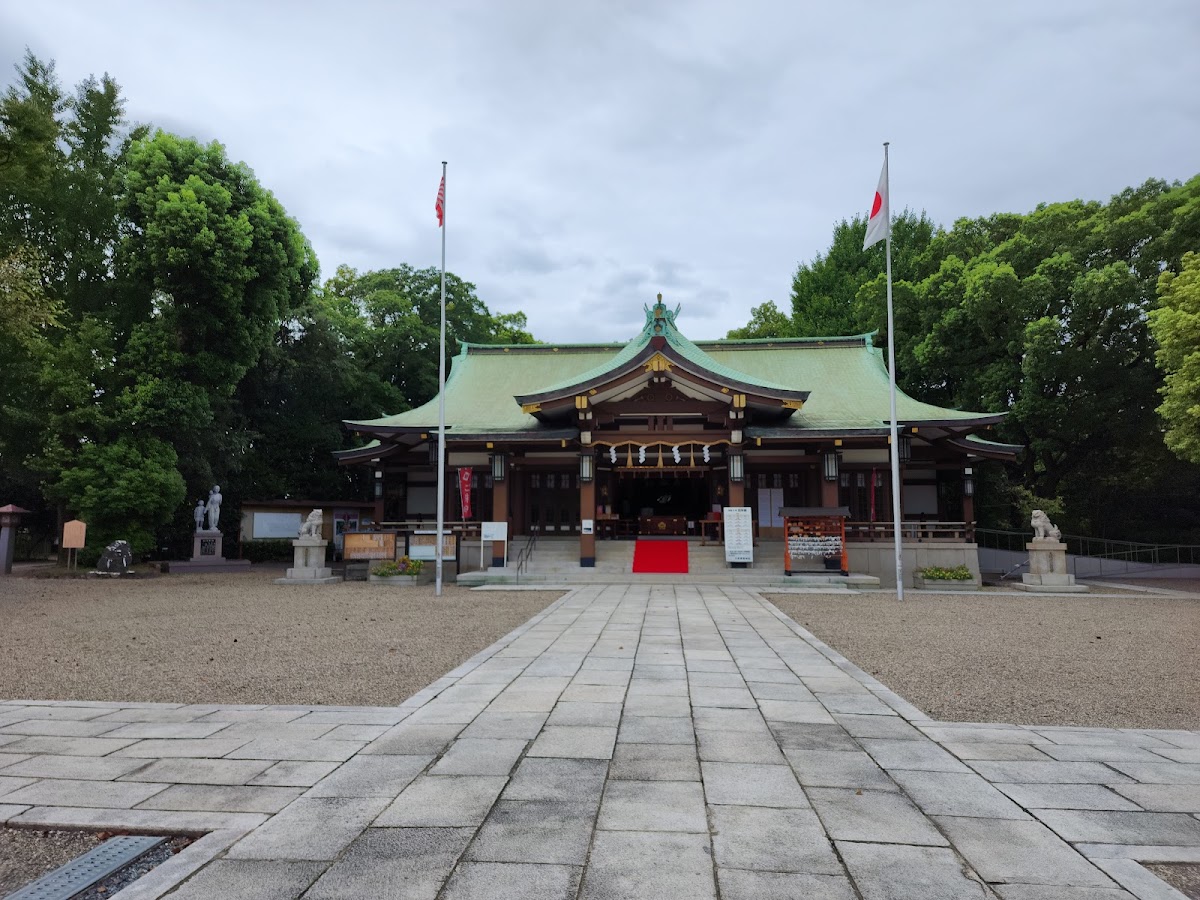
The main hall of Tsukishu Shrine is built in the traditional style of shrine architecture. In many cases, architectural styles such as Nagare-zukuri and Kasuga-zukuri are adopted, resulting in structures suited to the local climate and environment. In the worship hall, worshippers can offer prayers before the deity.
Water Basin
There is a water basin for purifying the body and mind before worship. It is important to purify your hands and mouth according to the correct etiquette before worshipping.
Komainu and Torii Gate
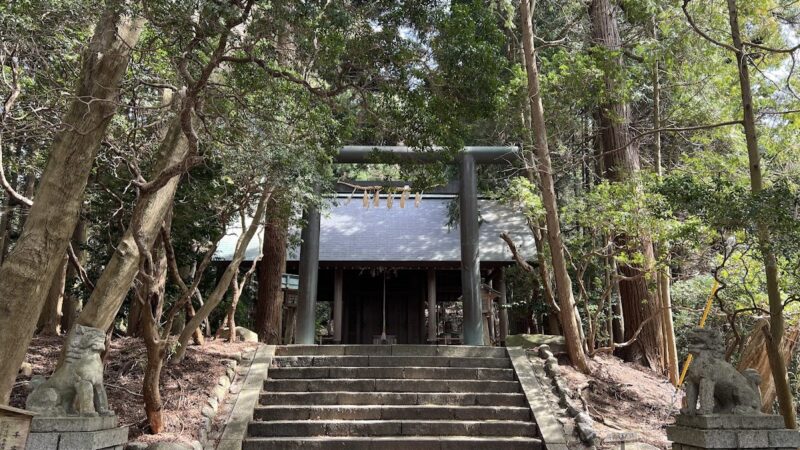
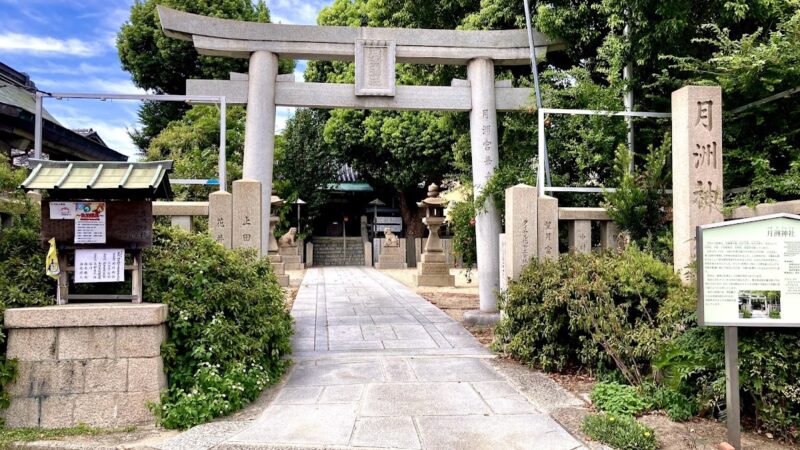
A torii gate stands at the entrance to the shrine grounds, and komainu (guardian lion-dogs) are seated on both sides of the approach. These serve to protect the sacred area, and in historical shrines, some are valuable artifacts donated during the Edo or Meiji periods.
Shrine Precincts
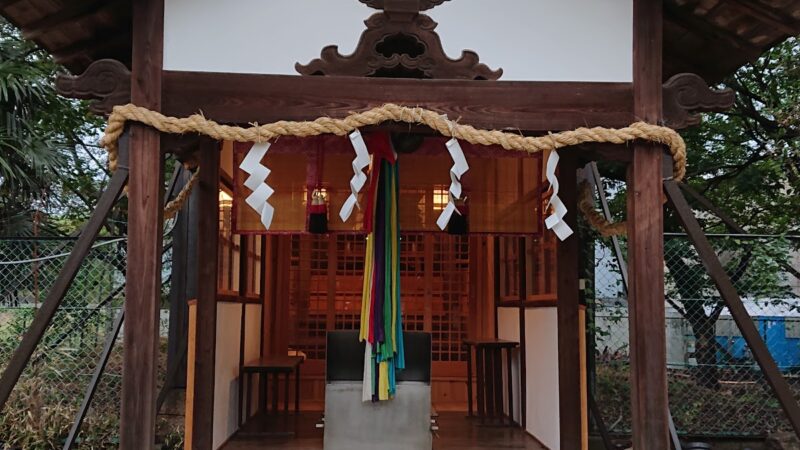
In addition to the main shrine, there are sometimes several subsidiary shrines (sessha/massha) within the grounds. Each offers different blessings, and worshippers visit according to their wishes.
Sacred Trees
Sometimes, large trees that have stood for many years are worshipped as sacred trees. Many cedar and camphor trees, hundreds of years old, are cherished as symbols of the shrine’s history.
Shrine Office/Gift Shop
This is where you can receive amulets and Goshuin (shrine stamps). Seasonal amulets and Goshuin are sometimes available.
How to Worship and Etiquette
There are basic manners for visiting a shrine. When visiting Tsukishu Shrine, please follow these steps:
1. Bowing at the Torii Gate
The torii gate is the entrance to the sacred area. Bow before passing through the gate to show respect to the deity.
2. How to Walk Along the Path
The center of the path is called the “seichu” and is considered the path for the deity. It is polite for worshippers to walk along the sides.
3. Proper Ritual of Hand-Washing
At the hand-washing station, purify yourself in the following order:
- Hold the ladle in your right hand and wash your left hand.
- Switch the ladle to your left hand and wash your right hand.
- Switch the ladle back to your right hand, receive water in your left hand, and rinse your mouth.
- Wash your left hand again.
- Hold the ladle upright, let the water flow down the handle, and return it to its original place.
4. Worship at the Main Hall
The basic ritual is “two bows, two claps, one bow”:
- Gently place your offering in the offering box.
- If there is a bell, ring it.
- Bow deeply twice.
- Clap your hands twice at chest height.
- Pray sincerely.
- Bow deeply once.
5. Proper Etiquette for Exiting
After finishing your worship, bow towards the main hall before leaving. It is also polite to turn back and bow once when leaving through the torii gate.
Information on Amulets and Goshuin (Shrine Seals)
Types of Amulets
Tsukishu Shrine offers various types of amulets:
Matchmaking Amulet: A cute amulet with a pink and red base design. It is believed to bring good fortune in relationships.
Exorcism Amulet: An amulet for those in their unlucky year or those seeking protection from misfortune. Many are based on white and blue.
Safe Childbirth Amulet: An amulet worn by pregnant women. It prays for a safe delivery and the health of both mother and child.
Academic Success Amulet: An amulet for students and those taking exams. It prays for academic improvement and success in exams.
Health Amulet: An amulet praying for recovery from illness and maintaining good health.
Traffic Safety Amulet: Also available in a type that can be placed on the dashboard of a car or bicycle.
About Goshuin (Shrine Seals)
Goshuin are available at the shrine office as proof of your visit. You can bring your own goshuincho (stamp book) or purchase one at the shrine.
Reception Hours: Usually 9:00 AM to 5:00 PM (may vary by shrine)
Offering Fee: Generally 300 to 500 yen
Special Goshuin: During special periods such as the annual festival and New Year’s, limited-edition goshuin designs may be given out.
When receiving a goshuin, it is considered good manners to complete your prayers before going to the shrine office.
Annual Events and Festivals
Tsukishu Shrine holds various festivals throughout the year:
New Year’s (January 1st-3rd)
Hatsumode (First Shrine Visit of the Year): The shrine is bustling with worshippers praying for happiness and health in the new year. The New Year’s Day Festival is held, and lucky charms such as hama-ya (demon-repelling arrows) and kumade (rakes) are given out.
Setsubun Festival (around February 3rd)
Bean-throwing ceremonies are held to ward off evil and invite good fortune. In some regions, lucky beans are distributed and special Shinto rituals are performed.
Spring Grand Festival (April-May)
This is an important festival celebrating the arrival of spring and praying for a bountiful harvest. Processions of portable shrines and devotional dances may be held.
Summer Purification Ceremony (June 30th)
This is a Shinto ritual to purify oneself of sins and impurities accumulated over the past six months. A ritual called “Chino-wa Kuguri” (passing through a ring of reeds) is performed, where worshippers pass through the ring three times in a figure-eight pattern, praying for good health and protection from illness.
Tanabata Festival (July 7th)
At shrines dedicated to the moon, Tanabata events are often considered particularly important. Wishes are written on strips of paper and offered to the shrine.
Mid-Autumn Moon Festival (15th of the 8th month of the lunar calendar)
At shrines dedicated to the moon, special Shinto rituals are performed on the night of the full moon. Moon-viewing dumplings and autumn harvest produce are offered, and prayers of gratitude are offered.
Autumn Grand Festival (October-November)
A festival to give thanks for the autumn harvest. Kagura (sacred dance) and local traditional performing arts may be performed.
Year-End Purification Ceremony (December 31st)
A Shinto ritual to purify oneself of the sins and impurities of the year and welcome the new year with a pure heart. A New Year’s Eve festival is held.
Access Methods
Access to Tsukishu Shrine varies depending on the shrine’s location, but here are some common transportation options:
Access by Train
It is generally possible to access the shrine on foot or by bus from the nearest station. Some shrines are within walking distance of the station, while others require the use of a bus or taxi.
It is recommended to check the latest transportation information on the shrine’s official website or in tourist guides before visiting.
Access by Car
While most shrines have parking lots for visitors, they can become full during peak seasons such as annual festivals and New Year’s. Consider using public transportation.
Parking Information:
- Capacity: Varies by shrine
- Fee: Often free, but sometimes charged
- Hours: Generally only available during the daytime
Access by Bus
When using local buses, the nearest bus stop is usually a few minutes’ walk away. Check the bus schedule in advance.
Precautions During Visit
When visiting Tsukishu Shrine, please note the following:
Attire
Shrines are sacred places, so overly casual or revealing clothing should be avoided. Especially when formally visiting or receiving prayers, a suit or proper attire is recommended.
Photography
Photography is generally permitted within the shrine grounds, but photography inside the main hall or during religious ceremonies may be prohibited. Check before taking photos or follow any signs indicating restrictions. ### Pet Policy
Many shrines restrict the presence of pets. Except for assistance dogs such as guide dogs, it is best to avoid bringing pets to shrines.
Food, Drink, and Smoking
Eating, drinking, and smoking are generally prohibited on shrine grounds. Please refrain from doing so outside of designated areas.
Visiting Hours
Shrines are usually open for worship from sunrise to sunset, but the shrine office has limited hours. If you wish to receive a Goshuin (shrine stamp) or amulet, please visit during the office hours.
Nearby Tourist Attractions
Visiting nearby tourist attractions in addition to Tsukishu Shrine will make your trip more fulfilling:
Historical Buildings
Shrines are often surrounded by old temples and historical sites, allowing you to enjoy historical walks.
Natural Spots
If the shrine is located in a naturally rich area, there may be parks or walking trails where you can enjoy the scenery of each season.
Local Specialties and Cuisine
After visiting the shrine, we recommend trying local specialty dishes and Japanese sweets. If there’s a temple town, you’ll find traditional restaurants and souvenir shops.
The Charm of Tsukishu Shrine
The greatest charm of Tsukishu Shrine lies in the sense of harmony between nature and humanity, achieved through the worship of the moon. Since ancient times, the Japanese have held a special reverence not only for the sun but also for the moon.
The phases of the moon were closely linked to daily life, including agriculture and fishing, and shrines dedicated to the moon were an integral part of people’s lives. Even today, Tsukishu Shrine functions as a place to calm the mind in a tranquil atmosphere, a place to escape daily life and reflect on oneself.
Some visitors feel the moon’s energy more strongly when visiting on a full moon night or new moon night. At shrines that allow nighttime visits, you can sometimes experience a magical worship experience under the moonlight.
Reviews and Reputation of Tsukishu Shrine
Visitors to Tsukishu Shrine have shared the following comments:
“The quiet and peaceful atmosphere is wonderful.”
Located away from the hustle and bustle of the city, the shrine offers a sense of tranquility that cleanses the soul.
“I received blessings.”
Reports have been received of various wishes being granted, including those for matchmaking, safe childbirth, and protection from evil.
“I want to visit every season.”
Visitors can enjoy the beauty of each season, from cherry blossoms in spring, fresh greenery in summer, autumn leaves, to snowy landscapes in winter.
“I appreciate the courteous service.”
The courteous service of the Shinto priests and shrine maidens enhances the worship experience.
Special Prayers at Tsukishu Shrine
If you wish to pray more deeply for your personal wishes, you can receive a special prayer (prayer):
Types of Prayers
- Family Safety: Praying for the health and happiness of all family members
- Business Prosperity: Praying for the development and prosperity of your business
- Exorcism: Praying for the misfortunes of the unlucky year
- Prayer for Safe Childbirth: Generally performed on the Day of the Dog in the 5th month of pregnancy
- First Shrine Visit: Praying for the healthy growth of the baby
- Shichi-Go-San: Celebrating the growth of a child and praying for their future health
- Prayer for Success: Praying for success in entrance exams and qualification tests
- Prayer for Good Relationships: Praying for a good encounter and marriage
How to Apply for a Prayer
- Advance reservations may be required, or same-day registration may be possible.
- Fill out the application form at the shrine office.
- 1. Pay the offering fee (5,000 yen or more is common)
- Proceed to the main shrine at the designated time
- The Shinto priest will recite prayers and offer a sacred branch
- You will receive a talisman or amulet
Summary: Making your visit to Tsukishu Shrine more meaningful
Tsukishu Shrine is a precious place where you can find harmony with nature and peace of mind through faith in the moon. When visiting, please keep the following points in mind:
- Preparation: Check access methods and visiting hours
- Correct etiquette: Observe the proper way to wash your hands and bow
- With sincerity: Offer a heartfelt prayer, not just a formal one
- Gratitude: Be grateful for the blessings of everyday life
- Harmony with nature: Feel the nature of the shrine grounds and calm your mind
Visiting Tsukishu Shrine is not just sightseeing; it is a valuable opportunity to experience traditional Japanese culture and reflect on yourself. Please spend a peaceful time feeling the changing seasons along with the phases of the moon. With the peace of mind that comes from visiting a shrine and the expectation of receiving blessings in your heart, why not visit Tsukishu Shrine? It will surely bring a special experience and insights to each and every visitor.