Complete Guide to Osaka Gokoku Shrine | A Thorough Explanation of History, Deities, Grounds, and Visiting Information
Osaka Gokoku Shrine is a Gokoku Shrine located in Minami-Kagaya, Suminoe-ku, Osaka City, Osaka Prefecture. As the only Gokoku Shrine in Osaka Prefecture, it enshrines over 105,000 spirits of those who sacrificed their lives for their country, including those from or connected to Osaka Prefecture, and attracts many visitors. The shrine grounds are home to approximately 80 cherry trees, making it a popular cherry blossom viewing spot in spring.
This article provides a detailed explanation of Osaka Gokoku Shrine, from its historical background to its enshrined deities, grounds, visiting information, and annual events.
What is Osaka Gokoku Shrine?
Osaka Gokoku Shrine is a shrine that permanently enshrines the spirits of those who sacrificed their precious lives for the country. It was founded in 1940 (Showa 15) as a Gokoku Shrine designated by the Minister of Home Affairs. The number of enshrined deities is the third largest among Gokoku Shrines nationwide, after Okinawa Prefecture Gokoku Shrine and Fukuoka Prefecture Gokoku Shrine, making it a central facility for commemorating war dead in Osaka Prefecture.
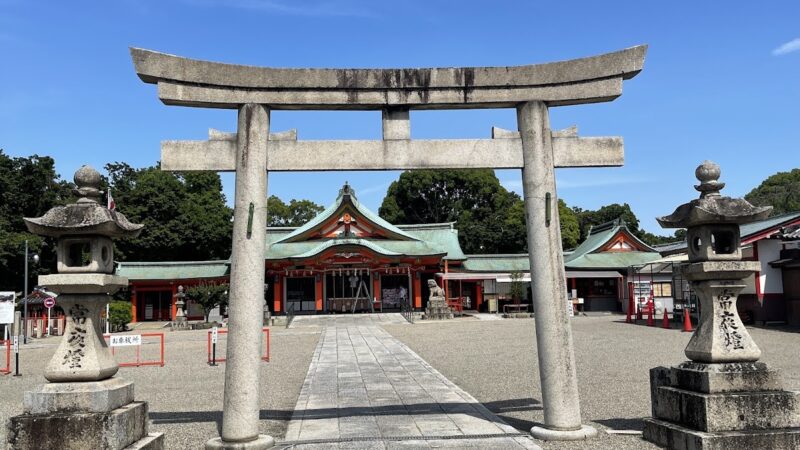
Adjacent to Suminoe Park, the shrine grounds, which maintain a tranquil atmosphere despite being in the heart of the city, boast an area of approximately 2 hectares. The largest torii gate in Osaka Prefecture welcomes visitors, creating a space where the majestic shrine buildings harmonize with abundant nature.
History of Osaka Gokoku Shrine
Background Before Founding
The origins of Osaka Gokoku Shrine can be traced back to the Sanadayama Army Cemetery, established on April 10, 1871 (Meiji 4). The first shrine was a Shokonsha (shrine for the war dead) built within the grounds of this cemetery. At that time, it functioned as a facility to enshrine soldiers who died in the Boshin War and the Satsuma Rebellion.
Momentum for the Establishment of a Gokoku Shrine
With the rapid increase in war dead following the start of the Sino-Japanese War in 1937, a strong sentiment arose among the people of Osaka Prefecture: “We want to be able to pay our respects to the war dead morning and evening, and constantly honor their achievements.” At that time, there was no shrine in Osaka to permanently enshrine the spirits of the war dead, so the strong demand from the people of Osaka grew.
In 1938, the then-governor of Osaka Prefecture became the chairman of the support association, and the Osaka Gokoku Shrine Construction Support Association was formed. Nationwide, in March 1939, the Ministry of Home Affairs issued a decree changing the names of Shokonsha shrines to “Gokoku Shrines,” designating 34 shrines, including the Hokkaido Gokoku Shrine, based on the principle of one shrine per prefecture. The establishment of the Gokoku Shrine in Osaka proceeded within this national policy.
Volunteer Labor by Osaka Residents
The chosen site for the shrine was a low-lying wetland located southwest of Suminoe Park. To prepare this land for shrine construction, approximately 360,000 Osaka residents participated in volunteer labor, carrying out reclamation work over approximately two years. This demonstrated the strong desire of the residents to establish a Gokoku Shrine.
Establishment in 1940
Thus, in 1940 (Showa 15), the Osaka Gokoku Shrine was established as a Gokoku Shrine designated by the Minister of Home Affairs. From its establishment until the end of World War II, it played an important role as a place to enshrine the spirits of those who died in the war, and as a place of worship for bereaved families and comrades.
Post-War History
After World War II, the Gokoku Shrine faced a temporary crisis of survival, but it was maintained through the efforts of bereaved families and related parties. Even today, as the only shrine enshrining the spirits of those born in or connected to Osaka Prefecture, various festivals, including the spring and autumn grand festivals, are held.
About the Enshrined Deities
Osaka Gokoku Shrine enshrines over 105,000 spirits of those who died for their country, either from or with ties to Osaka Prefecture. This number is the third largest among all Gokoku Shrines nationwide, reflecting the high number of war dead in Osaka Prefecture.
Enshrined Spirits
The enshrined spirits include the following:
- Soldiers and military personnel who died for the country after the Meiji Restoration
- Fallen soldiers in the First Sino-Japanese War and the Russo-Japanese War
- Fallen soldiers in World War I
- Fallen soldiers in the Manchurian Incident and the Second Sino-Japanese War
- Fallen soldiers in the Greater East Asia War (Pacific War)
- Public servants who died in the line of duty after the war
These spirits represent all those who sacrificed their precious lives for their country, regardless of age, gender, or rank.
Significance of Joint Enshrinement
The joint enshrinement at Osaka Gokoku Shrine is not merely a memorial for war dead, but holds significant importance in permanently honoring their achievements and passing on the preciousness of peace to future generations. For bereaved families and those with connections to the war dead, it serves as a spiritual haven they can visit at any time.
Details of Shrine Facilities
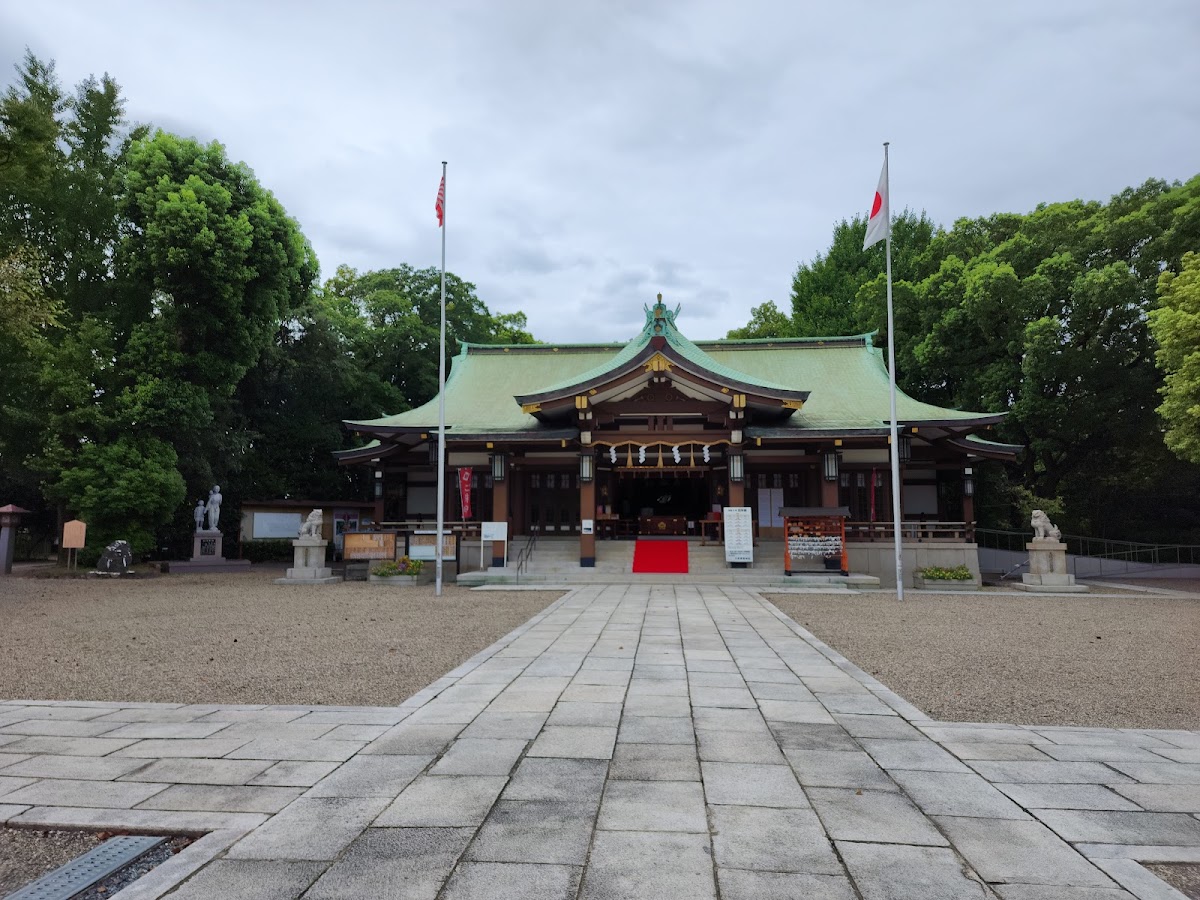
The grounds of Osaka Gokoku Shrine contain various facilities and memorial monuments, including the main hall and worship hall.
Grand Torii Gate
The grand torii gate standing at the entrance to the shrine grounds is one of the largest in Osaka Prefecture. Upon exiting the north ticket gate (Exit 1) of the Yotsubashi Line platform at Suminoe-koen Station on the Osaka Metro Yotsubashi Line and Nanko Port Town Line (New Tram), it appears majestically before you. Passing through this grand torii gate allows you to feel the boundary between everyday life and the sacred realm.
Main Shrine and Worship Hall
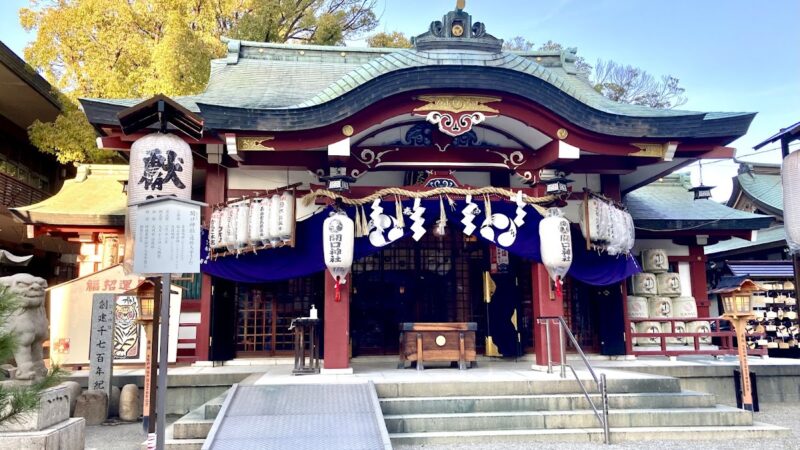
The magnificent main shrine and worship hall preserve the traditional shrine architectural style from its founding in 1940 (Showa 15). Worshippers offer their gratitude to the war dead and prayers for peace in this worship hall. The area surrounding the shrine is enveloped in a tranquil atmosphere, allowing visitors to forget the hustle and bustle of the city.
Sacred Mirror
Our shrine houses a remarkable sacred mirror. Crafted using advanced polishing techniques from the pre-war era, it is a valuable cultural artifact that showcases the high level of Japanese technology at that time. In Shinto, the sacred mirror is a sacred object of great significance as a vessel for the gods.
Memorial Monuments
Several memorial monuments are erected within the shrine grounds. These monuments were erected to individually commemorate those who died in specific units, regions, or under special circumstances.
The main memorials include the following:
- Memorials for fallen soldiers from various units
- Memorials for student soldiers
- Memorials for air raid victims
- Memorials for soldiers who died overseas
Visiting these memorials allows one to reaffirm the realities of war and the preciousness of peace.
Shrine Office and Gift Shop
The shrine office provides Goshuin (stamped seals) and accepts requests for various prayers. The gift shop offers amulets and talismans. Osaka Gokoku Shrine’s Goshuin are popular as a memento of the visit.
Cherry Blossom Spot
Approximately 80 cherry trees are planted on the shrine grounds, offering a magnificent cherry blossom view in spring. The sight of the solemn shrine buildings, tranquil grounds, and cherry blossoms in full bloom soothes the hearts of not only the fallen soldiers, their families, and comrades, but all visitors.
During the cherry blossom season, many worshippers and flower viewers visit the shrine grounds, creating a peaceful and lively atmosphere. It’s a space that deeply resonates with the Japanese spirit, where people admire the cherry blossoms while remembering those who died in war.
Visiting Information
Location and Contact Information
Address: 1-1-77 Minami-Kagaya, Suminoe-ku, Osaka City, Osaka Prefecture 559-0015
The shrine’s exact location is Minami-Kagaya, Suminoe-ku, Osaka City, situated between Suminoe Park and the Suminoe Boat Race Track.
Access Methods
Access by Train
Nearest Station: Osaka Metro Yotsubashi Line/Nanko Port Town Line (New Tram) “Suminoe-koen” Station
- Exit from Exit 1 of the North Ticket Gate on the Yotsubashi Line platform, and the shrine entrance is right in front of you.
- Very convenient access, approximately 1 minute walk from the station.
The Osaka Metro Yotsubashi Line provides direct access from the Umeda area, and it takes about 15 minutes from Namba Station. The New Tram is convenient for access from the Nanko area.
Access by Car
If you are visiting by car, the shrine has a parking lot for visitors. However, congestion is expected during the spring cherry blossom season and events such as the annual festival, so we recommend using public transportation.
Access from major roads:
- Approximately 10 minutes from the “Nanko-Kita Exit” of the Hanshin Expressway Route 4 Wangan Line
- Approximately 15 minutes from the “Tamade Exit” of the Hanshin Expressway Route 15 Sakai Line
Visiting Hours
Visiting the shrine grounds is generally possible during daytime hours. The shrine office is generally open from 9:00 AM to 5:00 PM, but this may change due to festivals or events, so it is recommended to check in advance.
Visiting Etiquette
Osaka Gokoku Shrine is a sacred place dedicated to the spirits of war dead. Please observe the following manners when visiting the shrine:
- Bow when passing through the large torii gate.
- Avoid walking in the center of the approach to the shrine (the center is the path for the gods).
- Purify your body and mind at the water basin.
- At the front of the main hall, worship using the “two bows, two claps, one bow” ritual.
- Remain quiet within the shrine grounds and remember to show respect to the war dead.
- Take photographs only in designated areas.
Annual Events and Festivals
Osaka Gokoku Shrine holds various festivals and events throughout the year.
Spring Grand Festival
The Spring Grand Festival, held every spring, is one of the most important festivals at Osaka Gokoku Shrine. Many bereaved families, comrades, and related parties attend to express their gratitude and sincere condolences to the war dead.
Autumn Grand Festival
An autumn grand festival is also held, and like the spring festival, the ceremony is conducted in a solemn atmosphere. ### Mitama Festival
In summer, the Mitama Festival is held to commemorate the spirits of the war dead. Lanterns are lit throughout the temple grounds, creating a mystical atmosphere for remembering the fallen.
Monthly Festival
A monthly festival is held regularly each month, offering daily gratitude to the war dead.
Cherry Blossom Festival
During the cherry blossom season in spring, events are sometimes held on the temple grounds to admire the cherry blossoms. It provides an opportunity to enjoy the beautiful Japanese nature while remembering the war dead.
Prayers and Offerings
Various Prayers
Osaka Gokoku Shrine offers the following types of prayers:
- Exorcism: Prayers for protection against misfortune for those in their unlucky years
- First Shrine Visit: Prayers for the healthy growth of a newborn
- Shichi-Go-San: Prayers for the growth of children in the Shichi-Go-San ceremony
- Safe Childbirth Prayer: Prayers for the health of the pregnant woman and fetus, and for a safe delivery
- Car Blessing: Prayers for traffic safety
- Family Safety: Prayers for the health and peace of the family
- Business Prosperity: Prayers for the development of your business
If you wish to receive a prayer, we recommend contacting the shrine office in advance to make a reservation.
Goshuin (Shrine Seal)
Osaka Gokoku Shrine offers Goshuin as proof of your visit. The Goshuin (temple/shrine stamp) will have the shrine’s name and the date of visit written in ink, and then stamped with a red seal. Those who do not have a Goshuincho (stamp book) can purchase our original Goshuincho at the shrine office.
Items Available
The following items are available at the shrine office:
- Various amulets (for traffic safety, academic success, health, etc.)
- Talisman
- Sacred arrow
- Ema (votive tablet)
- Omikuji (fortune slip)
These items are given to many visitors as a way to receive the protection of the war dead.
Nearby Facilities and Tourist Attractions
Suminoe Park
Suminoe Park, adjacent to Osaka Gokoku Shrine, is a large comprehensive park. It has sports facilities and walking paths, making it ideal for a visit before or after your shrine visit. Especially in spring, you can enjoy the cherry blossoms in the park along with those at the shrine.
Suminoe Boat Race Track
The Suminoe Boat Race Track is located near the shrine and is a popular spot bustling with many people. The contrast between the lively streets and the tranquil shrine is a defining characteristic of this area.
Nanko Area
A few stops on the New Tram will take you to the Osaka Nanko area. It boasts numerous facilities for sightseeing and shopping, including the Sakishima Government Building Observation Deck and ATC (Asahi Travel Center).
Special Notes on Osaka Gokoku Shrine
Relationship with Gokoku Shrines Nationwide
Gokoku shrines are established in each prefecture throughout Japan. Osaka Gokoku Shrine has the third-largest number of enshrined deities, reflecting the high number of war dead in Osaka Prefecture and the significant impact the war had on the local community.
Relationship with Yasukuni Shrine
While Tokyo’s Yasukuni Shrine serves as the head shrine for all war dead nationwide, Gokoku shrines play a role in enshrining war dead in their respective regions. Osaka Gokoku Shrine, by enshrining the spirits of those from or connected to Osaka Prefecture, fulfills its role as a community-based memorial.
As a Place for Peace Education
Osaka Gokoku Shrine is more than just a memorial; it also functions as an educational space for learning about the history of war and reflecting on the importance of peace. Many students visit on school trips and field trips, playing a crucial role in passing on the memories of war to younger generations.
Connection with the Local Community
The shrine is a familiar presence to local residents, used for life-changing rituals such as New Year’s visits and Shichi-Go-San (a traditional rite of passage for children). While it enshrines the spirits of war dead, it also remains an integral part of the daily lives of the local people.
Visitor Feedback and Reviews
Visitors to Osaka Gokoku Shrine have shared the following comments:
- “It’s a quiet space in the middle of the city, and it brings peace of mind.”
- “The cherry blossoms in spring were truly beautiful; I felt the beauty of Japan while remembering the war dead.”
- “It’s close to the station and easily accessible, making it easy to visit.”
- “The grounds are spacious, allowing for a leisurely visit.”
- “Walking around the memorial monuments made me reflect on the history of war and peace.”
- “The goshuin (shrine stamp) was beautifully written, making it a wonderful memento of my visit.”
These comments demonstrate that Osaka Gokoku Shrine is a place of solace for many people.
Points to Note When Visiting
Regarding Attire
While there are no specific dress code requirements for visiting, it is advisable to avoid overly revealing or flashy clothing, as it is a sacred place dedicated to the war dead. More formal attire is recommended if you are receiving prayers or blessings.
Regarding Photography
Photography is generally permitted within the shrine grounds, but restrictions may apply inside the main hall and in certain facilities. Please check before taking photos and be considerate of other visitors.
Busy Periods
The following periods are expected to be particularly crowded:
- The first three days of the New Year (Hatsumode)
- Spring cherry blossom season (late March to early April)
- Spring and Autumn Grand Festivals
- Shichi-Go-San season (November)
If you wish to avoid crowds, visiting on weekdays or early in the morning is recommended.
Accessibility Information
The shrine grounds are relatively flat and accessible by wheelchair. However, there are some areas with steps, so if you require assistance, it is recommended to consult with the shrine office in advance.
Summary
Osaka Gokoku Shrine is the only Gokoku Shrine in Osaka Prefecture, enshrining the spirits of over 105,000 war dead from or related to Osaka Prefecture. Since its founding in 1940, Osaka Gokoku Shrine has played a vital role as a place to commemorate and honor those who died in war, and as a spiritual haven for bereaved families and related parties.
Despite its convenient location just a one-minute walk from Suminoe Park Station, the vast grounds of approximately two hectares are enveloped in a tranquil atmosphere. In spring, about eighty cherry trees bloom, and the harmony between the majestic shrine buildings and the beautiful blossoms soothes the hearts of visitors.
The shrine also accepts various prayers, including those for warding off evil, baby blessings, Shichi-Go-San (a traditional Japanese rite of passage for children), safe childbirth, and car blessings, making it a shrine that is close to the daily lives of the local people. A wide variety of goshuin (shrine stamps) and other items are available, allowing visitors to take home a memento of their visit.
Osaka Gokoku Shrine is an important place to pass on the memories of war to future generations and to reflect on the preciousness of peace. When you visit Osaka, why not pay a visit? It will be a precious time to offer gratitude to the war dead and prayers for peace.