Complete Guide to Tonogi Shrine | History, Goshuin (Shrine Seal), Access, and Benefits Explained in Detail
Tonogi Shrine is a venerable shrine listed in the Engishiki (ancient Japanese legal code) located in Toriishi, Takaishi City, Osaka Prefecture. It has legends related to the Kojiki (ancient Japanese chronicle) and is known as a historically significant shrine associated with the Nakatomi clan. This article comprehensively explains the history of Tonogi Shrine, its enshrined deities, goshuin (shrine seal), access methods, and benefits—all the information you need to know before visiting.
What is Tonogi Shrine?
Tonogi Shrine is a shrine listed in the Engishiki Jinmyocho (a list of shrines compiled in the Heian period) in Otori District, Izumi Province, and its former rank was Village Shrine. The distinctive name “Tonogi” is said to originate from “Tonoki no Muraji,” a branch of the Nakatomi clan that once ruled this area.
The current location of the shrine is 2-14-48 Toriishi, Takaishi City, Osaka Prefecture. Although it stands quietly in a residential area, it has a long history and has been a center of local faith.
Basic Information about Tonoki Shrine
- Location: 2-14-48 Toriishi, Takaishi City, Osaka Prefecture
- Phone Number: 072-271-0553
- Shrine Rank: Shikinaisha (Shrine listed in the Engishiki), Former Village Shrine
- Nearest Station: Approximately 8 minutes on foot from Tomiki Station on the JR Hanwa Line
- Parking: Available
Deities and Benefits
Main Deity
The main deity of Tonoki Shrine is Amenokoyane-no-Mikoto. Amenokoyane-no-Mikoto is known as the god who recited prayers when Amaterasu Omikami hid in the Amano-Iwato cave, and is considered the ancestral deity of the Nakatomi and Fujiwara clans. This deity is revered as the god who presides over the power of words and also as the god who presides over religious ceremonies.
Enshrined Deities
At Tonoki Shrine, the following deities are enshrined alongside the main deity:
- Honda-wake no Mikoto: The divine name of Emperor Ojin, the god of military fortune and victory
- Sugawara no Michizane: Widely worshipped as the god of learning
- Ootoshi no Okami: The god of grain and agriculture
- Tsubo no Okami: The guardian deity of the region
Benefits
The following benefits are expected at Tonoki Shrine:
- Good Fortune and Prosperity: Increased luck through the divine virtue of Amenokoyane-no-Mikoto
- Protection from the Power of Words: Protection of words by the god who governs the power of words
- Academic Success: Improvement of academics through Sugawara no Michizane
- Long-lasting Military Fortune: Prayer for victory and success through Homutawake-no-Mikoto
- Abundant Harvest: Prosperity in agriculture and business through Otoshi-no-Okami
- Family Safety: Peace and well-being of the family through the guardian deity of the region
History of Tonoki Shrine
Connection to the Kojiki
Indispensable to understanding the history of Tonoki Shrine is the “Tale of the Giant Tree on the Banks of Tokigawa” found in the section on Emperor Nintoku (313-399) in the second volume of the Kojiki. According to this legend, there was a giant tree in this area, and when the sun rose, its shadow reached as far as Awaji Island.
This legend suggests that the site of Tonoki Shrine was a place of worship for ancient, prehistoric tree spirits and a sacred site for the Yayoi period agricultural people who celebrated the summer solstice sunrise over Mount Takayasu—in other words, a sacred place of sun worship.
The Nakatomi Clan and Tonoki no Muraji
The name “Tonoki” originates from the Tonoki no Muraji, a branch of the Nakatomi clan. The Nakatomi clan served the imperial court from ancient times as a clan responsible for religious ceremonies, and later developed into the Fujiwara clan.
It is believed that the origin of Tonoki Shrine lies in the time when the Tonoki no Muraji ruled this area and enshrined Amenokoyane-no-Mikoto as their tutelary deity. The fact that Amenokoyane-no-Mikoto, the ancestral deity of the Nakatomi clan, is the main enshrined deity reflects this historical background.
Status as a Shikinaisha Shrine
Listed in the Engishiki Jinmyocho (compiled in 927) as “Tonogi Shrine, Otori District, Izumi Province,” it was already a prestigious shrine recognized by the imperial court during the Heian period. There are approximately 3,000 Shikinaisha shrines throughout Japan, and Tonogi Shrine is one of them, serving as a central place of worship in the region.
Changes Since the Early Modern Period
During the Edo period, it was a village shrine, attracting the faith of local people, and was also ranked as a village shrine under the Meiji era’s shrine ranking system. Even under the post-war religious corporation system, it continues to be revered as the local tutelary deity by residents of the Torishi district and surrounding areas.
Highlights of the Shrine Grounds
Main Hall and Worship Hall
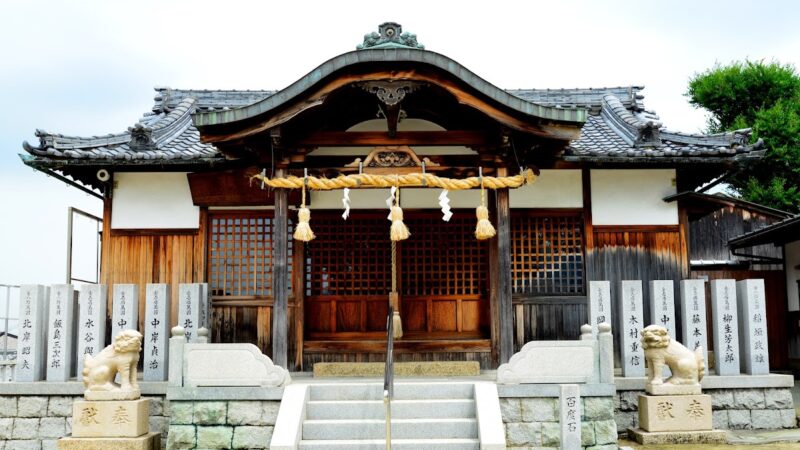
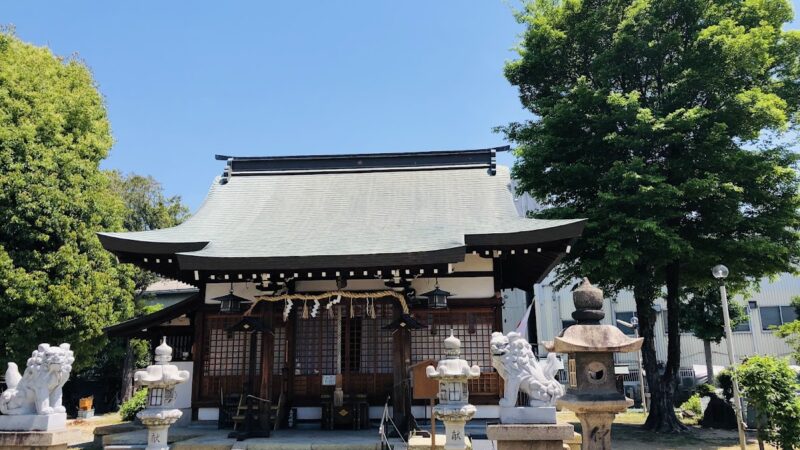
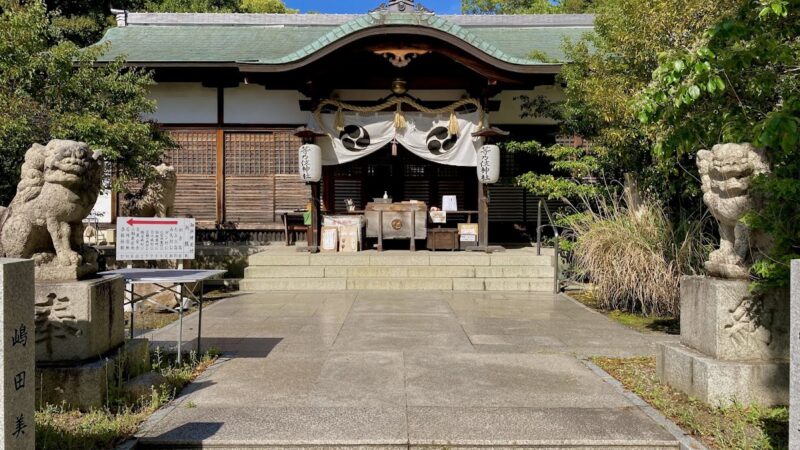
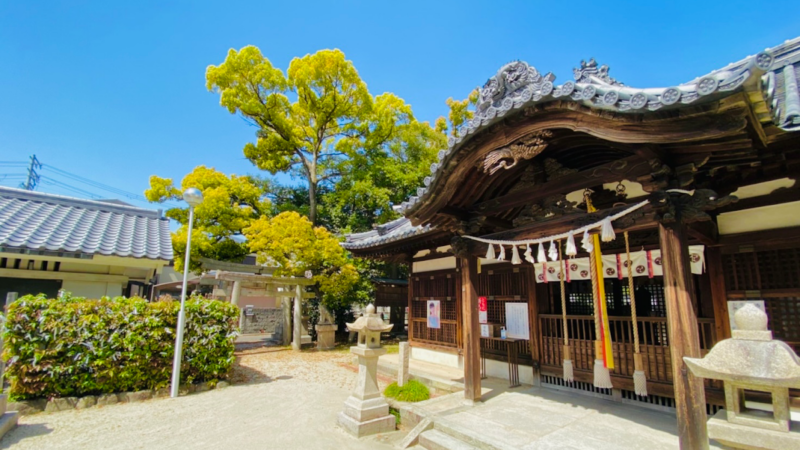
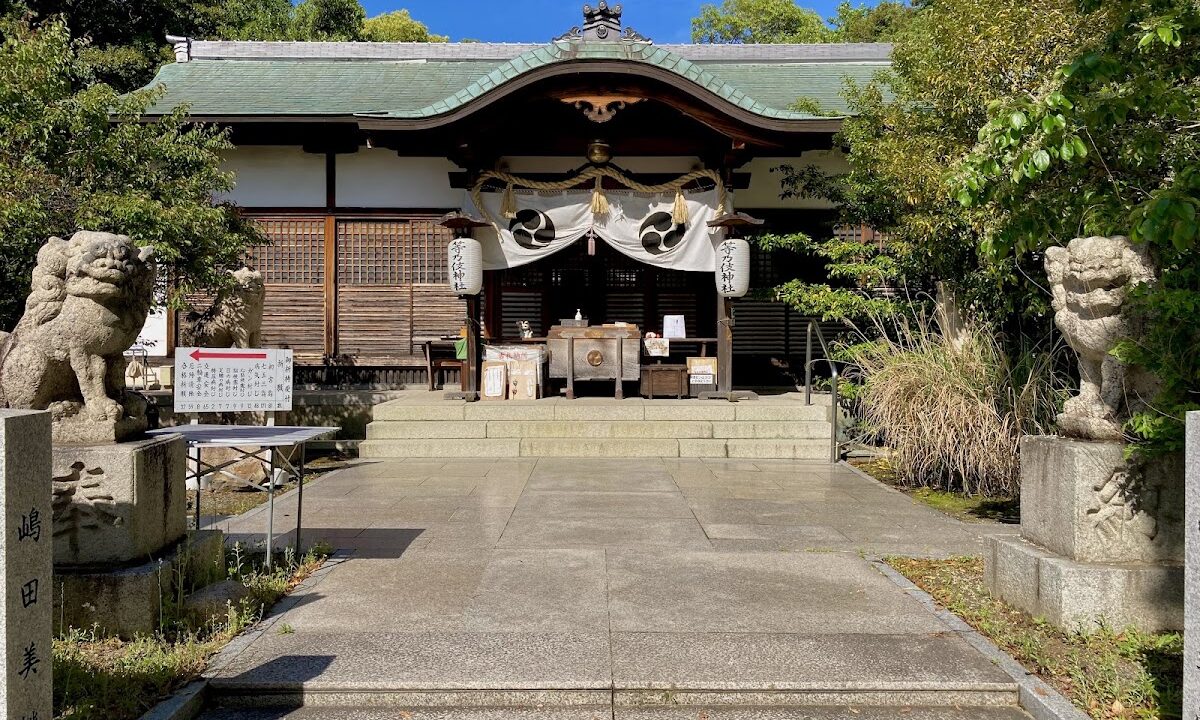
The main hall of Tonogi Shrine maintains the traditional style of shrine architecture. Despite being located in a residential area, stepping onto the grounds evokes a tranquil atmosphere, allowing one to truly feel its long history as a place of worship.
Shrine Grove and Natural Environment
The shrine grounds are lush with trees, maintaining a green space despite being in an urban area. You can feel the remnants of tree spirit worship, reminiscent of the giant tree legends in the Kojiki (Records of Ancient Matters).
Stone Monuments and Memorials
Stone monuments and memorials that tell the story of history are erected on the shrine grounds, providing clues to the history of the shrine and the surrounding area.
Goshuin (Shrine Seals) and Items Offered
About Goshuin
Tonoki Shrine offers goshuin (shrine seals). Many visitors receive them as a memento of their visit and as proof of their connection to the shrine.
When receiving a goshuin, please speak to the shrine office after completing your prayers. Please note that there may be shrine events or staff absences, so if you want to be sure to receive a goshuin, it is recommended to call in advance.
Items Offered
Tonoki Shrine also offers items such as amulets and talismans. The shrine offers various amulets tailored to different blessings, such as amulets for good fortune and prosperity associated with the divine virtues of Amenokoyane-no-Mikoto, and amulets for academic success related to Sugawara no Michizane.
There are also unique amulets only available at Tonoki Shrine, which are popular as souvenirs of your visit.
Access and Parking Information
Access by Train
Access from JR Hanwa Line, Tomiki Station
- Approximately 8 minutes on foot from Tomiki Station
- Exit the station and head west. After passing through the residential area, you will arrive at the shrine.
Tomiki Station is approximately 30 minutes from central Osaka and about 15 minutes from Tennoji Station by rapid train. The path from the station to the shrine is flat and easy to follow.
Access by Car
Access from Major Roads
- Approximately 5 minutes from the Takaishi Exit of the Hanshin Expressway Route 4 Wangan Line
- Accessible from National Route 26
The shrine has a parking lot, so you can visit by car. However, parking space is limited, so during busy times such as New Year’s Day and annual festivals, we recommend using public transportation.
Surrounding Traffic Information
Tonoki Shrine is located in a residential area of Takaishi City, and the surrounding roads are relatively quiet. However, during morning and evening rush hours, the roads are used as local roads, so please be mindful of the time of day when visiting by car.
Annual Events and Festivals
Main Annual Events
Tonoki Shrine holds various Shinto rituals and events throughout the year.
- New Year’s Day Festival: A Shinto ritual to welcome the New Year
- Setsubun Festival: Events such as bean-throwing
- Annual Festival: The most important annual event at the shrine
- Summer Purification Ceremony: A Shinto ritual to purify oneself of the impurities accumulated over the past six months
- Autumn Grand Festival: A festival to give thanks for the harvest
- Year-End Purification Ceremony: A Shinto ritual to purify oneself of the impurities accumulated over the past year
For details regarding the dates of the annual festival and other information, please contact the shrine directly.
Manners and Etiquette for Visiting a Shrine
Basic Visiting Etiquette
- Bow before the Torii Gate: Bow before entering the sacred area.
- Purify yourself at the Water Basin: Purify your left hand, right hand, and mouth in that order.
- Etiquette in front of the Main Hall: Two bows, two claps, and one bow is the basic procedure.
- Bow upon leaving: Turn around and bow when leaving the Torii gate.
Points to Note When Visiting a Shrine
- The shrine grounds are a sacred place, so please pray quietly.
- Take photographs only in designated areas and be considerate of other visitors.
- Always take your trash with you.
- When using the parking lot, please be considerate of nearby residents.
Nearby Shrines and Temples
There are many other historical shrines and temples scattered around Tonoki Shrine.
Major Shrines in Takaishi City
- Ootori Taisha: A prestigious shrine known as the Ichinomiya (first-ranked shrine) of Izumi Province.
- Hagoromohama Shrine: A seaside shrine known for the legend of Hagoromo (the feather robe).
Temples and Shrines in Neighboring Cities
Sakai City and Izumi City also have many historical temples and shrines, making it a great place to enjoy shrine hopping. Planning a temple and shrine tour in southern Osaka, starting from Tonoki Shrine, is highly recommended.
The Charm of Tonoki Shrine
A Place of Worship from Ancient Times
The greatest charm of Tonoki Shrine lies in its long history, dating back to the Kojiki era. From primitive forms of worship such as tree spirit worship and sun worship, to the worship of the Nakatomi clan’s tutelary deity, and its dignified history as a Shikinaisha (a shrine listed in the Engishiki), it embodies the evolution of Japanese faith.
A Quiet Worship Environment
Despite being in an urban area, the shrine grounds are enveloped in a tranquil atmosphere. This environment, where one can worship peacefully away from the hustle and bustle, is a precious healing space in modern times.
A Faith Rooted in the Community
Tonoki Shrine has consistently attracted the faith of local people from ancient times to the present day. Its continued presence as a guardian deity of the region evokes the very origins of Japanese shrine worship.
The Historical Value of Tonoki Shrine
Importance as a Shikinaisha Shrine
Shikinaisha shrines, listed in the Engishiki Jinmyocho (a list of shrines compiled in the Heian period), are historically significant shrines recognized by the imperial court during the Heian period. Tonoki Shrine, as a Shikinaisha in Otori District, Izumi Province, indicates its religious and social center in this region.
Historical Materials for the Study of the Nakatomi Clan
Historical materials concerning Tonoki no Muraji, a branch of the Nakatomi clan, are limited, and Tonoki Shrine preserves valuable traces of this history. It is a scientifically important shrine for understanding the distribution and activities of ancient powerful clans.
Traces of Ancient Beliefs
Tonoki Shrine, which preserves traces of primitive forms of belief such as tree spirit worship and sun worship, is a valuable resource for studying the history of Japanese religion. The location, linked to the legend of the giant tree in the Kojiki (Records of Ancient Matters), conveys the ancient people’s view of nature and religion to the present day.
Visitor Voices and Reviews
Visitors to Tonoki Shrine have shared the following impressions:
- “Despite being located in a residential area, the shrine grounds were so quiet it felt like another world, and I felt at peace.”
- “Knowing that this shrine has a legend from the Kojiki, I was deeply moved by its profound history.”
- “I received a Goshuin (shrine stamp) and appreciate the courteous service.”
- “It’s a warm, community-oriented shrine.”
- “Despite its status as a Shikinaisha (shrine listed in the Engishiki), it was a very approachable shrine.”
Summary | Points to Note When Visiting Tonoki Shrine
Tonoki Shrine is a Shikinaisha with a long and rich history dating back to the time of the Kojiki. As a shrine associated with the Nakatomi clan, and as a sacred site of tree spirit worship and sun worship, it possesses multifaceted historical value.
Dedicated to Amenokoyane-no-Mikoto, this shrine offers a variety of blessings, including good fortune, protection from the power of words, and academic success, attracting not only local residents but also a wide range of visitors. Its convenient location, just an 8-minute walk from Tomiki Station on the JR Hanwa Line, is another attractive feature.
Shrine stamps and other commemorative items are available, allowing visitors to take home a memento of their visit. The tranquil grounds offer a chance to calm the mind and reflect on the ancient beliefs, creating a truly memorable experience.
When visiting southern Osaka, be sure to stop by Tonoki Shrine. It’s a wonderful shrine where you can feel the weight of history and the warmth of the community.
Contact Information
Tonoki Shrine
- Address: 2-14-48 Toriishi, Takaishi City, Osaka Prefecture 592-0013
- Phone Number: 072-271-0553
- Access: Approximately 8 minutes on foot from Tomiki Station on the JR Hanwa Line
- Parking: Available
For details regarding visiting hours and events, please contact the shrine directly.