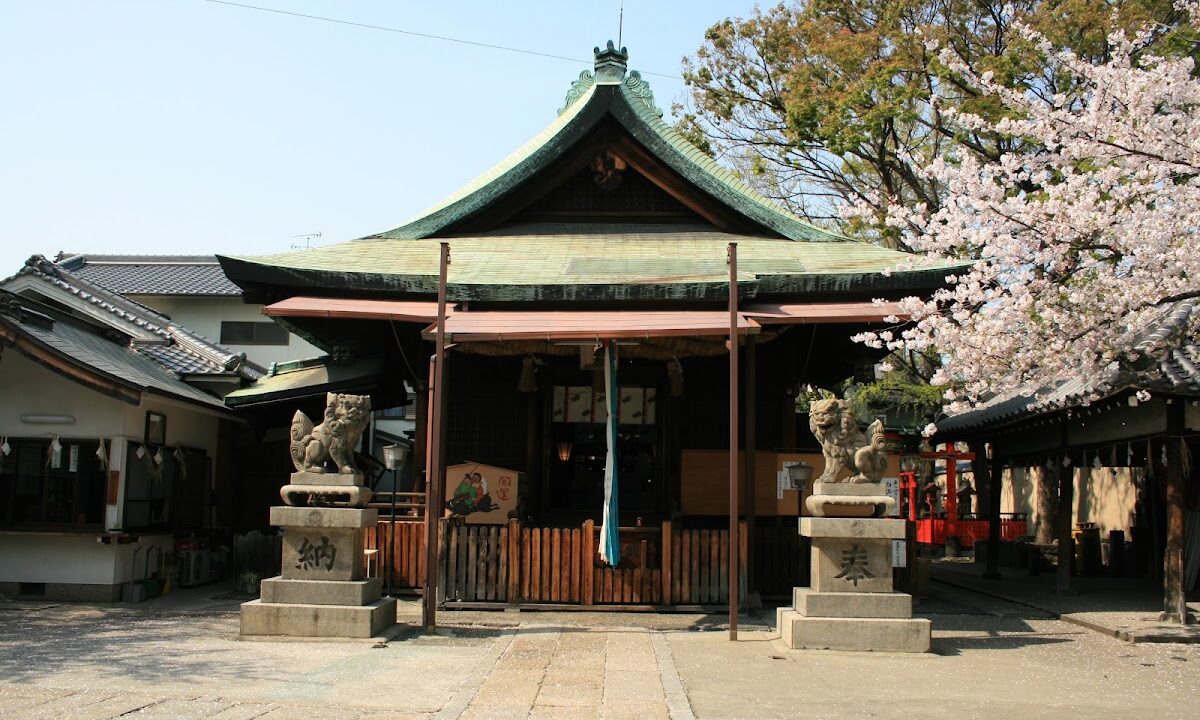
Complete Guide to Yaei Shrine | History, Deities, Access, and Festivals Explained in Detail
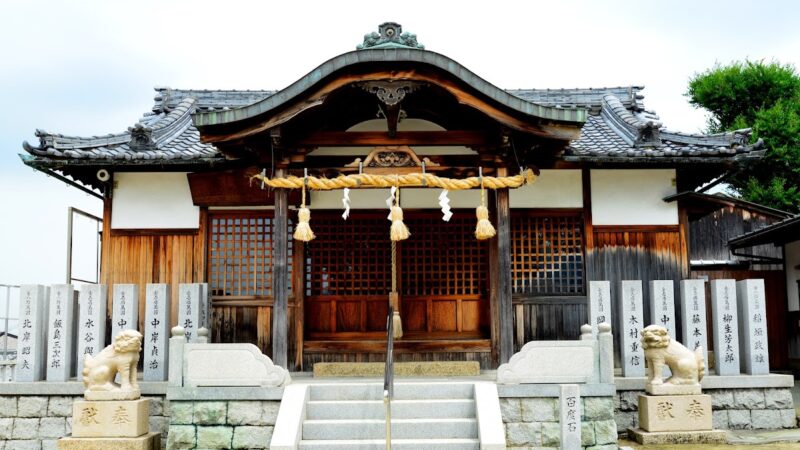
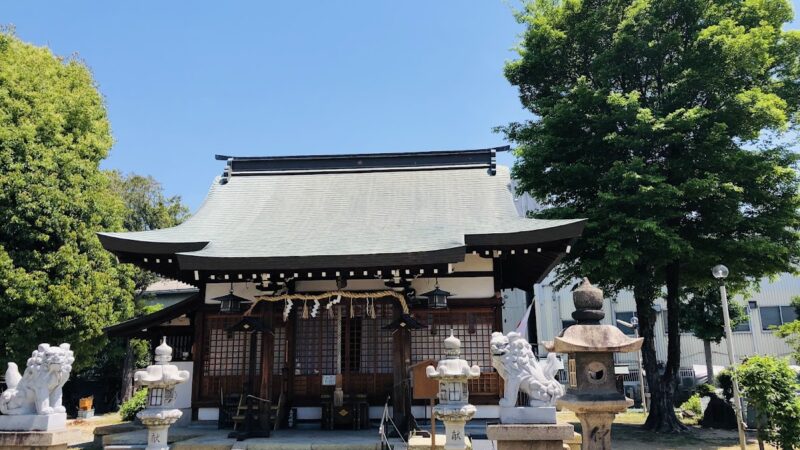
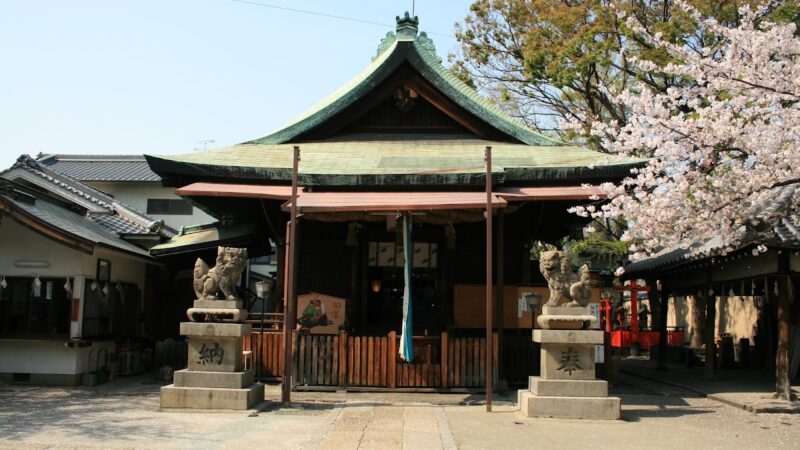
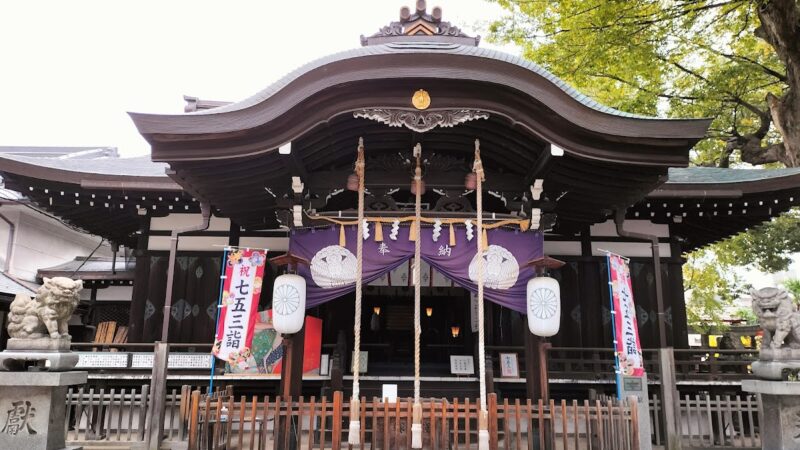
Yaei Shrine (or Yaei Jinja) is a historical and traditional shrine with several locations within Osaka Prefecture. Pronounced “Yaei Jinja” or “Iyasaka Jinja,” it has been revered by local people for many years. This article provides a detailed explanation of the Yaei Shrines located in Higashi-Osaka City and Ikuno Ward, Osaka City, covering their history, deities, annual events, and access methods.
Table of Contents
- What is Yasaka Shrine?
- Yasaka Shrine in Higashi-Osaka City
- Yasaka Shrine in Ikuno Ward, Osaka City
- Deities and Beliefs
- Annual Events and Festivals
- Access Information
- Visiting Etiquette and Highlights
What is Yasaka Shrine?
Yasaka Shrine is a shrine with the auspicious name “Yasaka (Neei),” and there are several such shrines in Osaka Prefecture. The word “Yasaka” means “to prosper even more” and “to continue to prosper,” and it has been cherished as a shrine where people pray for the development of the region and the happiness of its people.
Within Osaka Prefecture, the following two shrines are primarily known:
- Yasaka Shrine in Nakakosaka, Higashi-Osaka City (commonly known as Yasaka Shrine, pronounced: Iyasaka Jinja)
- Yasaka Shrine in Momotani, Ikuno Ward, Osaka City (pronounced: Yaei Jinja)
While each has a different history and characteristics, they both play an important role as guardian shrines of their respective regions.
Iyasaka Shrine, Higashi-Osaka City
Basic Information
Official Name: Iyasaka Shrine
Common Name: Yae Shrine
Location: 2-3-22 Nakakosaka, Higashi-Osaka City, Osaka Prefecture 577-0804
Transportation: Approximately 800 meters southeast from Kawachi-Kosaka Station on the Kintetsu Nara Line
Deities Enshrined
The following two deities are enshrined at Iyasaka Shrine in Higashi-Osaka City:
Susanoo-no-Mikoto
A representative deity in Japanese mythology, widely worshipped as a god of protection against misfortune, disease, and agriculture. Known for the legend of slaying Yamata-no-Orochi, he possesses both a brave and courageous character and an aspect as a god of waka poetry.
Ame-no-hohi-no-mikoto
This deity is a child of Amaterasu Omikami and considered the ancestral deity of the Izumo no Kuni no Miyatsuko (provincial governor). He is revered as a symbol of sincerity and loyalty, and as a god of industrial development.
The combination of these two deities allows for prayers for protection from misfortune and regional prosperity simultaneously, attracting the faith of local residents.
History and Origin
Yasaka Shrine in Higashi-Osaka City has long been revered as the guardian shrine of this region, attracting the faith of local residents. Having grown alongside the development of the Nakakosaka district, it plays a central role in the local community.
The area around Kawachi-Kosaka Station on the Kintetsu Nara Line was once a rural area, but after the railway opened, it developed into a residential area. Throughout this transformation, Yasaka Shrine has remained a constant spiritual pillar of the community.
Characteristics of the Shrine Grounds
Yasaka Shrine in Higashi-Osaka City is a relatively small shrine located in a residential area, but its well-maintained grounds offer peace and tranquility to visitors. Despite being in an increasingly urbanized area, it maintains a serene atmosphere and is cherished by local residents as a place to escape the hustle and bustle of everyday life and find peace of mind.
Yaei Shrine in Ikuno Ward, Osaka City
Basic Information
Official Name: Yaei Shrine
Location: 2-16-22 Momotani, Ikuno Ward, Osaka City, Osaka Prefecture 544-0034
Shrine Rank: Former Village Shrine
Founded: Bunroku era (1592-1595)
Deities Enshrined
Yae Shrine in Ikuno Ward, Osaka City, enshrines the following two deities:
Susanoo-no-Mikoto
Similar to Yaei Shrine in Higashi-Osaka City, he is enshrined as a deity for warding off evil and disease.
Emperor Nintoku
The 16th Emperor of Japan, known for his benevolent rule and the anecdote of “the people’s hearth.” Osaka is home to the Nintoku Emperor’s Mausoleum, one of the world’s largest keyhole-shaped burial mounds, and he is revered as an emperor with deep ties to Osaka. As an emperor who prioritized the happiness of his people, he is considered a symbol of prosperity and peace.
History and Origin
Yasaka Shrine in Ikuno Ward is a historical shrine founded during the Bunroku era (1592-1595), a period known as the Azuchi-Momoyama era. According to old records, a divided spirit was transferred from the former Kumano Shrine, a national shrine in Yatsuka District, Shimane Prefecture (formerly Iu District, Izumo Province), and enshrined here.
Since its founding, it has been deeply revered by the local residents as the guardian shrine of the former Kino Village. In 1872 (Meiji 5), the shrine was designated a village shrine, and priests were appointed to serve there. The shrine’s name was changed to Yasaka Shrine. This name change is thought to reflect the residents’ desire for the prosperity of the region.
Historical Background
The Bunroku era was a time when Toyotomi Hideyoshi achieved national unification, and Osaka rapidly developed as the political and economic center. The fact that a divided spirit was invited from Kumano Shrine in Izumo during this period is an important historical fact that demonstrates the exchange between Osaka and the Izumo region at the time, as well as the spread of faith.
The former Kino Village was located around present-day Momotani in Ikuno Ward and was a village centered on agriculture. Yasaka Shrine served as the spiritual center of this region, playing a role closely related to people’s lives, such as praying for bountiful harvests and warding off evil.
Deities and Beliefs
Beliefs of Susanoo-no-Mikoto
Susanoo-no-Mikoto, enshrined in both shrines, is one of the most distinctive and powerful deities in Japanese mythology. The characteristics of his worship are as follows:
Protection from Evil and Disease Due to his fierce nature as a god, Susanoo-no-Mikoto is believed to have the power to ward off evil spirits and disease. In particular, in the Gion faith, with Yasaka Shrine in Kyoto as its head shrine, he is worshipped nationwide as a god who protects against disease.
Protection from Agriculture In Izumo mythology, after Susanoo-no-Mikoto defeated Yamata-no-Orochi, he married Inada-hime and established a palace in Izumo. Therefore, he is also worshipped as a god of abundant harvests and protection of agriculture.
Matchmaking Due to the myth involving Inada-hime, he also has an aspect as a god of matchmaking.
Characteristics of Local Beliefs
Yasaka Shrine, as the guardian shrine of the region, attracts the following types of worship:
- Ujigami (Clan Deity) Worship: As the guardian deity of local residents, it is visited at important life events such as the first shrine visit for a newborn, Shichi-Go-San (a traditional rite of passage for children), and exorcism.
- Community Safety: It functions as a place to pray for safety in daily life, such as traffic safety and family safety.
- Community Center: It serves as a place to deepen interaction and bonds among local residents through festivals.
Annual Events and Festivals
Summer Festival at Yasaka Shrine in Ikuno Ward, Osaka City
Yasaka Shrine in Ikuno Ward holds its summer festival every July. This festival is a traditional event that has continued since the time of the former Kino Village and is an important annual event in the region.
Procession
The highlight of the summer festival is the procession of the portable shrine. The sacred object is transferred to a portable shrine and paraded through the parish area to purify the entire community and pray for prosperity and safety. Many local residents participate in the procession, making it a place for intergenerational exchange.
Significance of the Festival
The summer festival is not merely an entertainment event, but has the following important significance:
- Prayers for the eradication of disease and good health (especially for safely surviving the hot summer)
- Prayers for a bountiful harvest
- Strengthening the bonds of the local community
- Preservation of traditional culture
Other Annual Events
In addition to the summer festival, the following annual events are held at the Yasaka Shrine:
New Year’s Day Festival
To welcome the new year, prayers are offered for peace and prosperity throughout the year. Many visitors come for their first shrine visit of the year.
Setsubun Festival (February)
Beans are scattered to ward off evil and invite good fortune. This is an important event related to the divine power of Susanoo-no-Mikoto to ward off evil.
Autumn Grand Festival (Autumn)
We give thanks for the year’s harvest and pray for a bountiful harvest next year.
Access Information
Access to Yasaka Shrine in Higashi-Osaka City
Access by Train
- Get off at Kawachi-Kosaka Station on the Kintetsu Nara Line, and walk southeast for approximately 10 minutes (about 800 meters).
- The route from the station goes through a residential area.
Access by Car
- We recommend checking in advance whether there is a dedicated parking lot.
- Please avoid street parking as the surrounding area is a residential neighborhood.
Address: 2-3-22 Nakakosaka, Higashi-Osaka City, Osaka Prefecture 577-0804
Access to Yasaka Shrine in Ikuno Ward, Osaka City
Access by Train
- Get off at Momodani Station on the JR Osaka Loop Line, and walk for approximately 5 minutes.
- Get off at Shoji Station on the Osaka Metro Sennichimae Line, and walk for approximately 8 minutes.
Access by Car
- Approximately 10 minutes from the Fuminosato Exit of the Hanshin Expressway Route 14 Matsubara Line.
- Prior confirmation is required regarding the dedicated parking area.
Address: 2-16-22 Momotani, Ikuno-ku, Osaka City, Osaka Prefecture 544-0034
Notes on Access
Both shrines are located in residential areas, so please note the following:
- Please be quiet during your visit and be considerate of the nearby residents.
- The surrounding roads may be congested during festivals.
- We recommend using public transportation.
Manners and Highlights of Visiting a Shrine
Etiquette for Visiting a Shrine
There are basic manners to observe when visiting a shrine. When visiting Yasaka Shrine, please observe the following manners:
How to Pass Through the Torii Gate
The torii gate is the entrance to the sacred area. Bow before passing through and walk avoiding the center of the path (the path of the gods).
Procedure for Washing Hands
- Take the ladle with your right hand and wash your left hand.
- Switch the ladle to your left hand and wash your right hand.
- Switch the ladle back to your right hand, receive water in your left hand, and rinse your mouth.
- Wash your left hand once more.
- Hold the ladle upright, wash the handle, and return it to its original position.
Worship at the Main Hall
- Gently place your offering in the offering box.
- If there is a bell, ring it.
- Perform two bows, two claps, and one bow (bowing deeply twice, clapping twice, bowing deeply once).
- Silently express your gratitude and make your wishes.
Choosing the Right Time to Visit
New Year’s Visit (January 1st-3rd)
Many worshippers visit to pray for the New Year. If you want to avoid crowds, visiting after the first three days of the year is recommended.
Setsubun (around February 3rd)
This is a time when rituals to ward off evil are performed, and the divine power of Susanoo-no-Mikoto is especially felt.
Summer Festival (July)
Especially at the Yasaka Shrine in Ikuno Ward, a traditional procession takes place, allowing visitors to feel the vibrancy of the community.
Quiet Weekdays
For those who wish to visit the shrine at a leisurely pace, weekday mornings are recommended.
About Goshuin (Shrine Seals)
Some shrines offer Goshuin. Goshuin are proof of worship, not a stamp rally. Please observe the following manners:
- Always receive a Goshuin after worshiping.
- Prepare a Goshuincho (avoid notebooks or colored paper).
- Prepare a Hatsuhoryo (offering fee, usually 300-500 yen).
- Do not insist on receiving a Goshuin if a Shinto priest is absent.
- Request using polite language.
It is recommended to check the Goshuin availability in advance.
The Charm and Significance of Yasaka Shrine
A Faith Rooted in the Community
The greatest charm of Yasaka Shrine lies in its centuries-long preservation of a faith deeply rooted in the community. Unlike large-scale tourist shrines, it has been an integral part of the daily lives of local residents, watching over significant life events.
A Sanctuary in the Midst of Urbanization
Despite being located in the bustling metropolis of Osaka, Yasaka Shrine maintains a tranquil atmosphere, offering a precious space for modern people to find peace of mind. It provides a place to escape the hustle and bustle of everyday life and reflect on oneself.
The Preservation of Traditional Culture
By continuing traditional festivals such as the summer festival procession, the shrine plays a vital role in passing on local culture to future generations. Through these events, the history and identity of the region are preserved.
Community Bonds
The shrine functions not only as a place of worship but also as the heart of the local community. Through festivals and annual events, intergenerational exchanges are fostered, strengthening community bonds.
Nearby Attractions
Around Higashi-Osaka City
Shiba Ryotaro Memorial Museum
A memorial museum dedicated to Shiba Ryotaro, a writer from Higashi-Osaka City. It’s within walking distance of Kawachi-Kosaka Station.
Ishikiri Tsurugi Shrine
Affectionately known as “Ishikiri-san,” this shrine is famous as the god of boils and tumors. It’s one of Higashi-Osaka City’s representative shrines.
Around Ikuno Ward
Koreatown
Ikuno Ward is known for having Osaka’s largest Koreatown. You can experience the unique characteristics of a multicultural area.
Momotani Shopping Street
A traditional shopping street where you can experience the local lifestyle and culture.
Summary
Neie Shrine (Yasaka Shrine) is a historical and traditional shrine with several locations throughout Osaka Prefecture. The Yasaka Shrine in Nakakosaka, Higashi-Osaka City, and the Yasaka Shrine in Momotani, Ikuno Ward, Osaka City, each have distinct histories and characteristics, yet both play important roles as guardian shrines for their respective regions.
Enshrining Susanoo-no-Mikoto as their principal deity, these shrines have long been revered by local residents as places to pray for protection against misfortune, eradication of disease, and prosperity. The Yasaka Shrine in Ikuno Ward, in particular, boasts a long history, having been founded during the Bunroku era (1592-1595), and was designated a village shrine during the Meiji era as the guardian shrine of the former Kino Village.
Annual events, including the summer festival procession, play a vital role in the transmission of traditional culture and strengthening community bonds. In urbanized Osaka, these shrines are invaluable in preserving local history and identity.
When visiting Osaka, or if you live in the area, please consider visiting the Yasaka Shrines. By finding peace of mind in the tranquil grounds and experiencing the local faith cultivated over a long history, you are sure to make new discoveries. By observing proper etiquette and visiting with respect, you will be able to appreciate the true charm of the shrine.