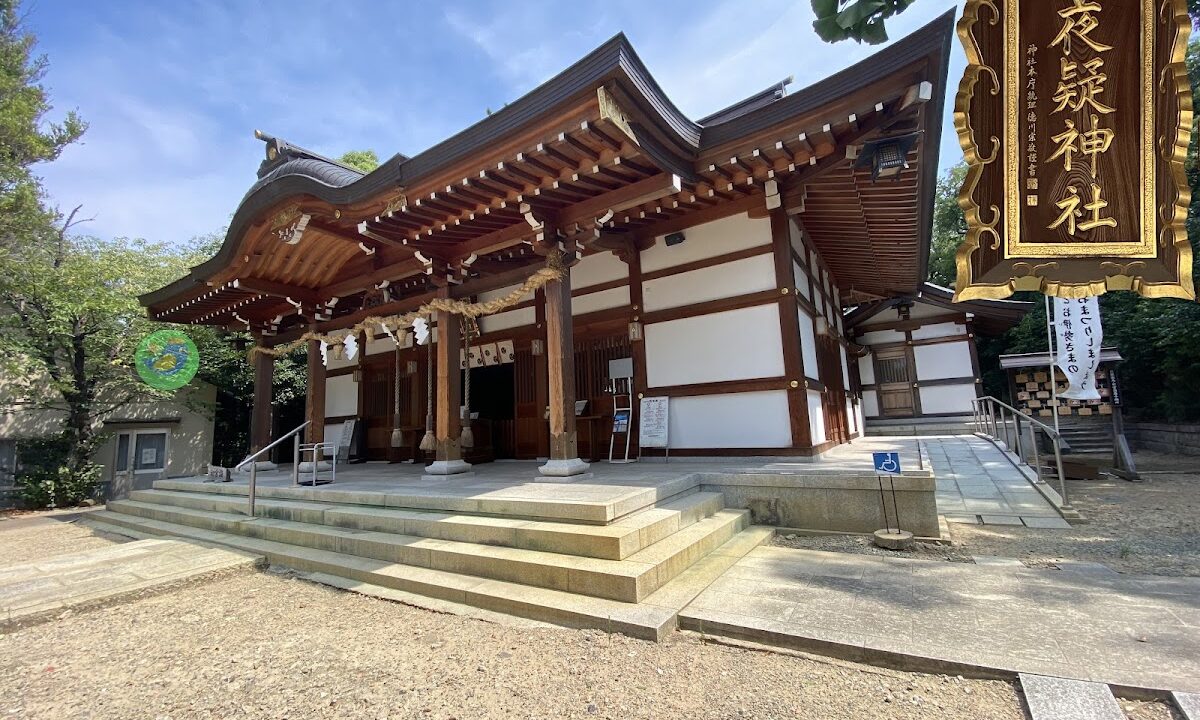
Complete Guide to Yagi Shrine: A Thorough Explanation of the History and Traffic Safety Benefits of this Engishiki-Listed Shrine
Yagi Shrine, located in Nakai-cho, Kishiwada City, Osaka Prefecture, is a historically significant Engishiki-listed shrine, mentioned in the Heian period’s “Engishiki Jinmyocho” (a list of shrines compiled in the Heian period). Known for its blessings of traffic safety and protection from evil, this ancient shrine, beloved by the local community, offers a detailed overview, from its historical background to how to worship.
What is Yagi Shrine?: The Status and History of an Engishiki-Listed Shrine
Yagi Shrine is an ancient shrine listed in the “Engishiki Jinmyocho,” compiled in 927 AD, as “Yagi Shrine, Izumi District, Izumi Province.” An Engishiki-listed shrine is a historically significant shrine officially recognized by the imperial court, and only about 2,800 such shrines exist nationwide. Even within Osaka Prefecture, only a limited number of shrines hold this status, and Yagi Shrine is one of them, boasting a history of over a thousand years.
The shrine’s rank was formerly that of a local shrine, and it was elevated to this rank under the modern shrine ranking system of the Meiji era. This is evidence of its recognition as a central shrine in the region and indicates its important role as a center of faith in Kishiwada City.
History and Background of Founding
The exact founding date of Yagi Shrine is unknown, but since it is mentioned in the *Engishiki*, it is certain that it already existed at least in the early Heian period. The shrine is located on the south bank of the Amanogawa River, a tributary of the Otsu River, and this area has been inhabited by people since the Yayoi period.
Numerous Yayoi period sites have been discovered in the Amanogawa River basin, including the Ikejiri, Omachi, and Komatsuri sites. These archaeological discoveries indicate that this region was settled land from ancient times, and the founding of Yagi Shrine is thought to be deeply connected to the formation of ancient settlements. It is speculated that the shrine was built on relatively high ground within the Amanogawa River lowlands to avoid flooding and to serve as a sacred site watching over the settlement.
Deity Enshrined: Furutama-no-Mikoto and His Divine Virtues
The principal deity enshrined at Yagi Shrine is Furutama-no-Mikoto. This deity is mentioned in the *Shinsen Shōjiroku*, compiled in 814 AD, and is considered a deity of the Mononobe clan lineage.
Divine Characteristics of Furutama-no-Mikoto
Furutama-no-Mikoto is considered a deity connected to Nigihayahi-no-Mikoto, the ancestral deity of the Mononobe clan, and a connection to Isonokami Shrine (Tenri City, Nara Prefecture), where the Mononobe clan performed rituals, has also been pointed out. The name “Furu” originates from the place name Furu, where Isonokami Shrine is located, and “Tama” means soul or precious jewel.
The Mononobe clan was a powerful clan in ancient Japan that oversaw military affairs and religious rituals. Their deities were believed to bestow blessings of military success, protection from misfortune, and traffic safety. The modern-day worship of Yagi Shrine as a god of traffic safety stems from this ancient divine status.
Main Benefits
The main benefits you can receive at Yagi Shrine are as follows:
- Traffic Safety: Prayers for safety on all modes of transportation, including cars, motorcycles, and bicycles.
- Protection from Misfortune: Protection from calamities at life’s turning points and ensuring peaceful days.
- Family Safety: Prayers for the health and happiness of all family members.
- Business Prosperity: Prayers for business development and success.
- Good Fortune and Prosperity: Improved luck and attracting good fortune.
The benefit of traffic safety, in particular, is widely known in the region, and many worshippers visit the shrine seeking blessings for new car purchases and traffic safety amulets.
Highlights and Facilities of the Shrine Grounds
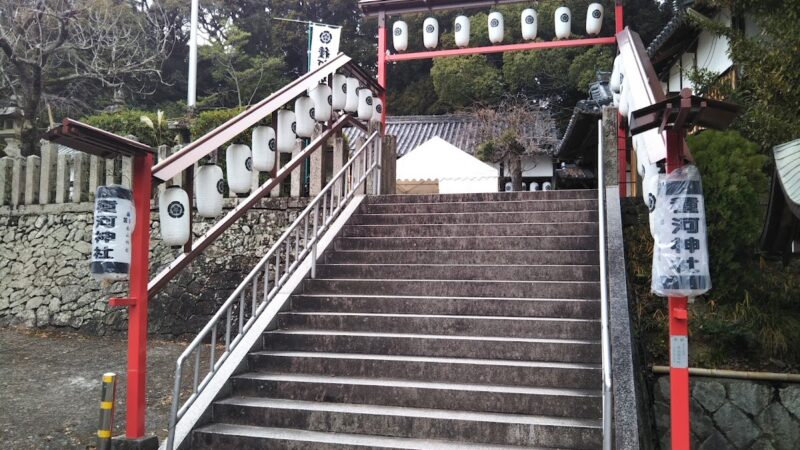
Despite its urban location, Yagi Shrine maintains a tranquil atmosphere. The well-maintained grounds offer numerous points of interest to ensure a peaceful and serene experience for visitors.
Main Hall and Worship Hall
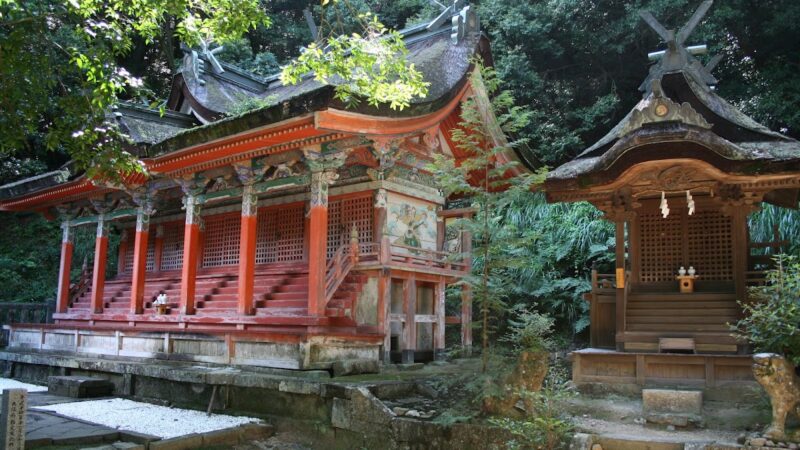
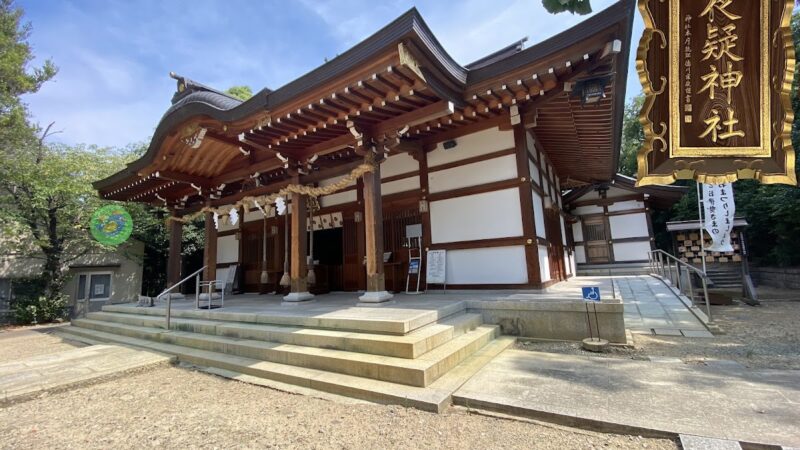
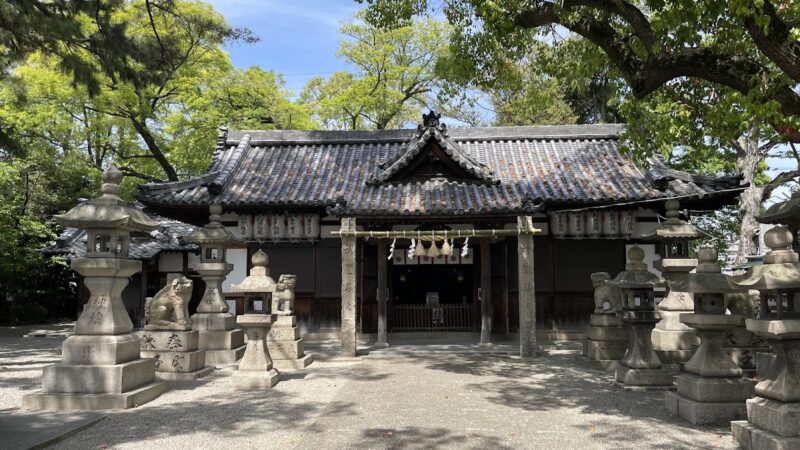
While the current shrine buildings were constructed in modern times, they preserve the traditional style of shrine architecture. Daily worship is permitted in the worship hall, while the main hall enshrines the deity Furutama-no-Mikoto.
Subsidiary Shrines
In addition to the main hall, several subsidiary shrines are located within the grounds, each enshrining a different deity. Visiting these subsidiary shrines as well allows for a wider range of blessings.
Visitor Parking
One of the notable features of Yagi Shrine is its dedicated free parking lot for visitors. With approximately 25 parking spaces, it is convenient for those arriving by car. As a shrine dedicated to traffic safety, it takes great care to accommodate visitors arriving by car.
Annual Events and Festivals
Yagi Shrine holds various festivals and religious ceremonies throughout the year. These events are important opportunities to connect the local community with the shrine.
Main Annual Events
Hatsumode (January 1st-3rd)
This is the most important event to welcome the new year. Many worshippers visit to pray for safety and happiness throughout the year. The shrine is bustling with people seeking traffic safety amulets and talismans for warding off evil.
Setsubun Festival (around February 3rd)
This is a traditional event where beans are scattered to ward off evil and invite good fortune.
Reitaisai (Autumn)
This is the most important festival at Yagi Shrine, where gratitude is expressed to the enshrined deity and prayers are offered for the prosperity of the community. In the parish area, events such as a portable shrine procession may also be held.
Shichi-Go-San (November)
This is a celebration of children’s growth and a prayer for their healthy development.
Year-End Grand Purification Ceremony (December 31st)
This is a Shinto ritual to purify oneself of the impurities of the past year and welcome the new year with a refreshed spirit.
Access Methods: By Train and Car
Yagi Shrine can be accessed by both public transport and car.
Access by Train
Nearest Station: Nankai Main Line “Tadaoka Station”
- Approximately 17 minutes on foot from Tadaoka Station (approx. 1.4 km)
- Exit the station and head southeast, passing through the residential area towards Nakai-cho.
Other Accessible Stations
- Approximately 20 minutes on foot from Nankai Main Line “Haruki Station”
- Approximately 25 minutes on foot from JR Hanwa Line “Shimomatsu Station”
While all stations are within walking distance, the distance is somewhat long, so you may want to consider taking a taxi depending on the weather and your physical condition. ### Access by Car
Access from Major Roads
- Approximately 10 minutes from the Kishiwada Kita Interchange on the Hanshin Expressway Route 4 Wangan Line
- Accessible via Prefectural Roads from National Route 26
Information for Car Navigation Settings
- Address: 2-7-1 Nakai-cho, Kishiwada City, Osaka Prefecture
- When searching by phone number, use nearby facilities such as Kishiwada City Hall as landmarks.
A free parking lot (25 spaces) is available for visitors, making it convenient to visit by car. However, it may be full during peak seasons such as New Year’s Day and the annual festival, so it is recommended to visit with plenty of time to spare.
Detailed Information about Yagi Shrine
Basic Information
- Official Name: Yagi Shrine
- Location: 2-7-1 Nakai-cho, Kishiwada City, Osaka Prefecture 596-0003
- Shrine Rank: Engishiki-listed shrine, former village shrine
- Deity Enshrined: Furutama-no-mikoto
- Benefits: Traffic safety, protection from evil, family safety, business prosperity
- Parking: Free parking available for visitors (approx. 25 spaces)
- Visiting Hours: Grounds are open freely (please check the shrine office hours)
Items Offered
Yagi Shrine offers various amulets and talismans to visitors:
- Traffic Safety Amulet: Available for cars, motorcycles, bicycles, etc.
- Protection from Evil Amulet: Amulet for those in their unlucky year
- Family Safety Amulet: An amulet protecting the health and happiness of your family.
- Academic Success Amulet: For students and those taking exams.
- Goshuin (Shrine Seal): Given as a memento of your visit.
For details on the items offered and the offering fee, please contact the shrine directly or inquire at the shrine office during your visit.
Nearby Attractions and Spots
When visiting Yagi Shrine, exploring the surrounding tourist spots will allow you to experience the charm of Kishiwada more deeply.
Kishiwada Castle
A symbol of Kishiwada City, located about 10 minutes by car from Yagi Shrine. The castle tower offers a panoramic view of the city and is also known as a famous cherry blossom viewing spot. It is also the base of the Kishiwada Danjiri Festival, and there are exhibits inside the castle where you can learn about the history of the festival.
Kishiwada Danjiri Hall
A facility where you can learn about the history and culture of the “Kishiwada Danjiri Festival,” considered one of Japan’s three major festivals. A life-sized danjiri float is on display, allowing you to experience the excitement of the festival.
Amanogawa Archaeological Sites
The Amanogawa River basin, where Yagi Shrine is located, is dotted with Yayoi period archaeological sites. At sites such as the Ikejiri and Omachi ruins, you can see traces of the lives of ancient people, allowing you to truly appreciate the depth of this region’s history.
Kishiwada City Natural History Museum
A museum where you can learn about the nature and history of Kishiwada City. Exhibits include local geology, flora and fauna, and archaeological materials, which are helpful in understanding the historical background around Yagi Shrine.
Manners and Etiquette for Visiting Shrines
When visiting Yagi Shrine, observing basic shrine visiting manners will allow for a more heartfelt visit.
Basic Etiquette for Visiting a Shrine
- Bow before passing through the torii gate: As a greeting before entering the sacred area.
- Purify yourself at the water basin: Purify your left hand, right hand, and mouth in that order, and finally wash the handle of the ladle.
- Avoid walking in the center of the path: The center is considered the path of the gods.
- Worship in front of the main hall: Two bows, two claps, and one bow are the basic rituals.
- Bow again at the torii gate when leaving: As a token of gratitude to the gods.
For Prayers for Traffic Safety
If you wish to pray for traffic safety after purchasing a new car or before a long-distance drive, it is recommended to contact the shrine in advance and make a reservation for the prayer. If you wish to have your car blessed, be sure to check whether you can drive your car onto the shrine grounds.
The Modern Role of Yagi Shrine
With a history of over a thousand years, Yagi Shrine continues to play an important role in the local community today.
Center of the Local Community
Yagi Shrine serves as a spiritual anchor for the parishioners’ community, primarily in Nakai-cho, Kishiwada City, fostering strong community bonds. Through festivals and annual events, intergenerational exchanges are cultivated, contributing to the preservation of traditional culture.
Guardian Deity of Traffic Safety
In modern society, automobiles are indispensable to daily life, but the risk of traffic accidents is always present. Yagi Shrine, as the god of traffic safety, continues to receive prayers from drivers and those wishing for the safety of their families.
Information Dissemination in the Digital Age
Yagi Shrine has opened an official Instagram account (@yagi_jinja) to disseminate information in a modern way. Seasonal photos of the shrine grounds, event announcements, and information on Goshuin (shrine stamps) are regularly updated, demonstrating its commitment to connecting with younger generations. With over 1,000 followers, the account reflects the high level of interest in the shrine.
Things to Know Before Visiting Yagi Shrine
Best Time to Visit
Yagi Shrine is open for worship throughout the year, but each season has its own unique characteristics:
- Spring (March-May): Mild weather, ideal for worship. Also good for praying for safety in the new year.
- Summer (June-August): Lush green grounds. Don’t forget to take precautions against the heat.
- Autumn (September-November): The time of the annual festival. A popular season for Shichi-Go-San (children’s festival).
- Winter (December-February): The busiest time for New Year’s visits. Take precautions against the cold.
Regarding Photography
Photography is generally permitted on the shrine grounds, but please note the following:
- Do not take photos in areas where photography is prohibited, such as inside the main hall.
- Be considerate of other worshippers.
- Refrain from taking photos during prayers.
- Post on social media with moderation.
Regarding Attire
For regular visits, no special attire is required, but if you are receiving prayers, please keep the following in mind:
- Wear clean and presentable clothing.
- Avoid revealing clothing.
- Avoid sandals and flip-flops; wear proper footwear.
- Remove your hat before entering the main hall.
Summary: The Charm of Yagi Shrine
Yagi Shrine, with its status as an Engishiki-listed shrine and a history of over a thousand years, continues to be cherished by the local community even today. Known for its blessings of traffic safety and protection against misfortune, it plays a particularly important role in today’s car-dependent society.
Located in the urban area of Nakai-cho, Kishiwada City, Osaka Prefecture, yet situated on the banks of the Milky Way, this shrine preserves traces of human habitation dating back to the Yayoi period. It enshrines Furutama-no-Mikoto, a deity of the Mononobe clan, and continues the ancient lineage of faith into the present day.
With a free parking lot exclusively for visitors and within walking distance of Tadaoka Station on the Nankai Main Line, its convenient access is a major draw. Through annual events such as New Year’s visits and grand festivals, as well as daily worship, the shrine plays a central role in the local community.
When visiting Kishiwada, be sure to visit this historic Yagi Shrine, along with Kishiwada Castle, famous for its Danjiri Festival. The time spent quietly praying in the grounds steeped in a thousand years of history will be a precious moment away from the hustle and bustle of everyday life. This shrine is recommended for anyone wishing to pray for traffic safety or protection from evil, those interested in visiting historical shrines, and those who want to experience Kishiwada’s culture.