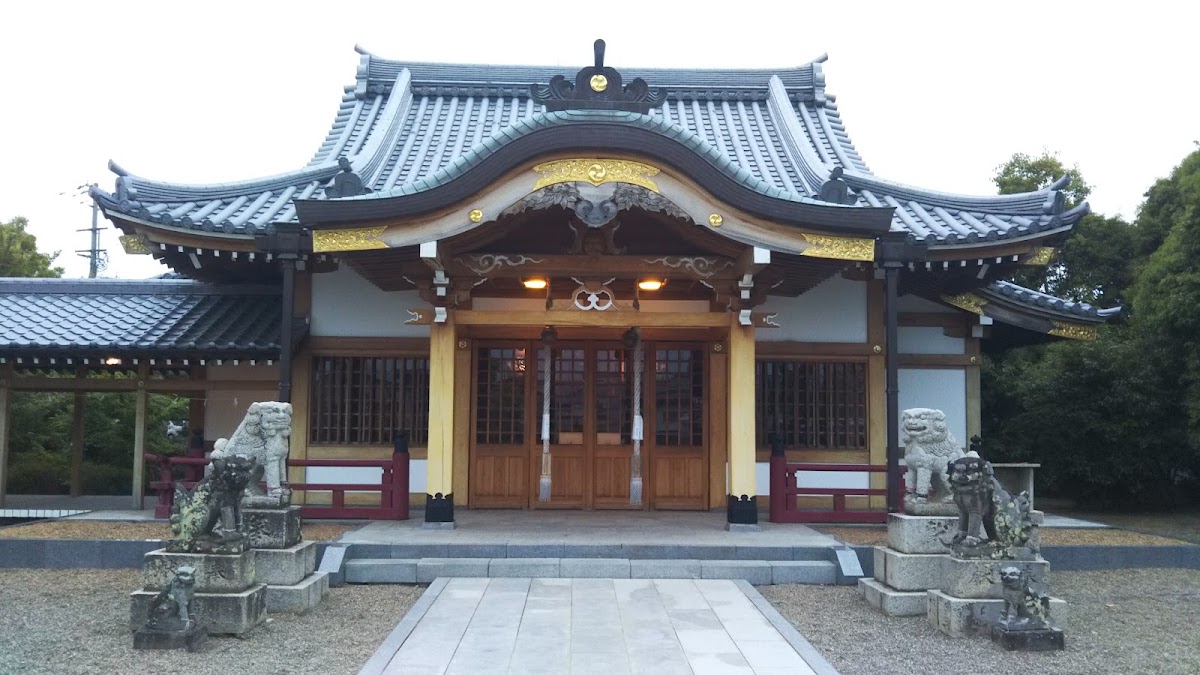
Arimaka Shrine Complete Guide | History, Goshuin (Shrine Seal), and Access Information for this Engishiki-Listed Shrine
Arimaka Shrine, located in Kubo, Kaizuka City, Osaka Prefecture, is an Engishiki-listed shrine with a history of over 1500 years. As the only Engishiki-listed shrine in Kaizuka City, it has attracted the faith of the local community. This shrine boasts many attractions, including its history as the ancestral deity of the Mononobe clan and its unique grounds featuring three pairs of guardian lion-dogs. This article comprehensively introduces information useful for visiting Arimaka Shrine, including its history, enshrined deities, grounds features, goshuin information, and access methods.
What is Arimaka Shrine?
Arimaka Shrine is a shrine located at 165 Kubo, Kaizuka City, Osaka Prefecture. It is pronounced “Arimaka Jinja.” Locally, it is also known as “Kubo Shrine” and is revered as the tutelary deity of Aso-go. This shrine is listed in the Engishiki Jinmyocho (a list of shrines compiled in the Heian period) and has held an important position as one of the centers of ancient religious belief in southern Izumi Province.
Basic Information
- Location: 165 Kubo, Kaizuka City, Osaka Prefecture 597-0031
- Phone Number: 072-422-3649
- Corporate Number: 5120105006033
- Shrine Rank: Engishiki Shrine (Minor Shrine)
- Other Name: Kubo Shrine
- Nearest Station: Nankai Electric Railway “Takojizo Station”, JR Hanwa Line “Higashi-Kishiwada Station”
History of Arimo Shrine
Origin of Founding
Arimo Shrine is said to have been founded in the first year of Emperor Keitai’s reign (507 AD). According to shrine tradition, the shrine was founded by Amakano Obito, a descendant of the Mononobe clan, to enshrine Nigihayahi-no-Mikoto, the founder of the Mononobe clan.
The “Shinsen Shōjiroku” (New Compilation of Family Names), in the section on deities of Izumi Province, lists “Amakano Obito” as a descendant of Tōchine-no-Ōmuraji, the seventh-generation descendant of Nigihayahi-no-Mikoto. It is believed that this clan was responsible for the worship of this shrine. The Amakano Obito was a powerful local family that ruled this region, and by enshrining their ancestral deity, they established a spiritual foundation for the community.
Status as a Shikinaisha (Shrine Listed in the Engishiki)
The shrine is listed in the Engishiki Jinmyōchō (Compiled in 927) as “Arimaku Shrine, Hine District, Izumi Province,” indicating that it was a historically significant shrine recognized by the imperial court during the Heian period. Being the only Engishiki-listed shrine in Kaizuka City speaks to its historical importance.
Shrine Consolidation in the Meiji Period
During the Meiji 40s (1907-1912), due to the Meiji government’s policy of shrine consolidation, various shrines in the Aso-go area were merged into Arimo Shrine. This strengthened the shrine’s character as the tutelary deity of the entire Aso-go area, attracting worship from a wider region. This consolidation resulted in the integration of deities and cultural assets from multiple shrines, shaping the current appearance of the shrine grounds.
Deities and Divine Virtues
Main Deity: Nigihayahi-no-Mikoto
The main deity of Arimo Shrine is Nigihayahi-no-Mikoto. Nigihayahi-no-Mikoto is a deity said to have received the Ten Sacred Treasures (Tokusa-no-Kandakara) from Amaterasu-Omikami and descended to earth prior to the descent of the heavenly grandchild. Known as the ancestral deity of the Mononobe clan, he has been worshipped as a god of martial prowess, pioneering, and industry.
Divine Virtues
Arimoku Shrine, dedicated to Nigihayahi-no-Mikoto, is believed to possess the following divine virtues:
- Good Fortune and Prosperity: The power to forge new paths
- Industrial Development: Business prosperity and thriving trade
- Long-lasting Military Fortune: The power to overcome difficulties
- Family Safety: Peace and health for the family
- Protection from Evil: Protection from disasters and warding off evil spirits
Enshrined Deities
Due to the Meiji-era consolidation of deities, the deities of various shrines in Aso-go are also enshrined here. This results in a shrine with diverse divine virtues.
Highlights of the Shrine Grounds
Three Pairs of Komainu (Guardian Lion-Dogs)
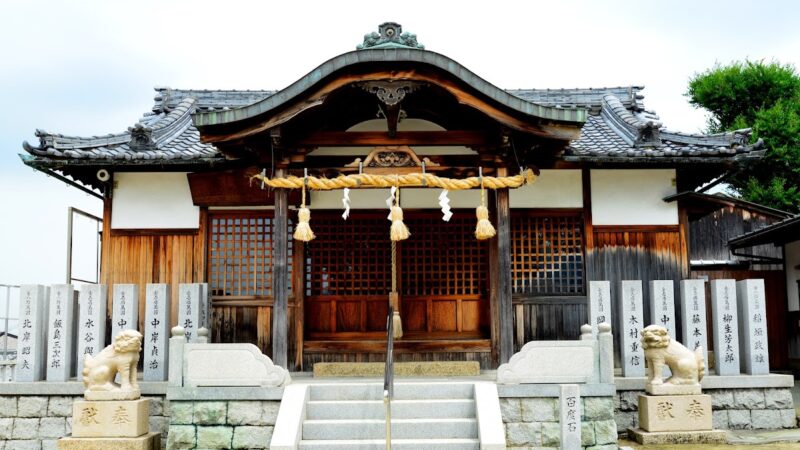
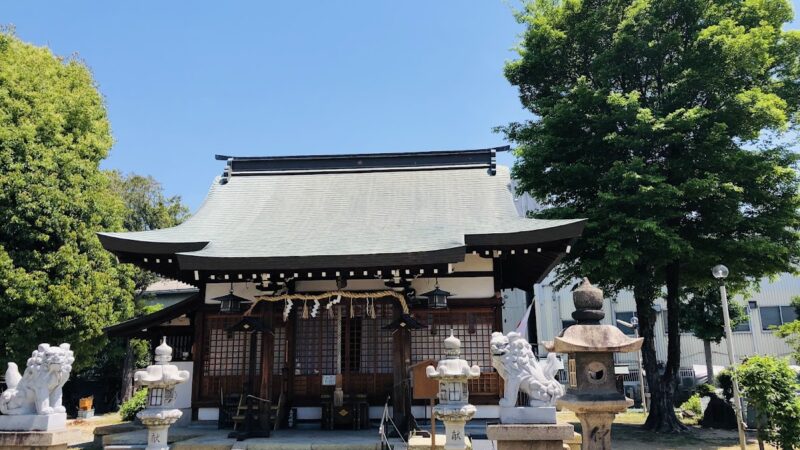
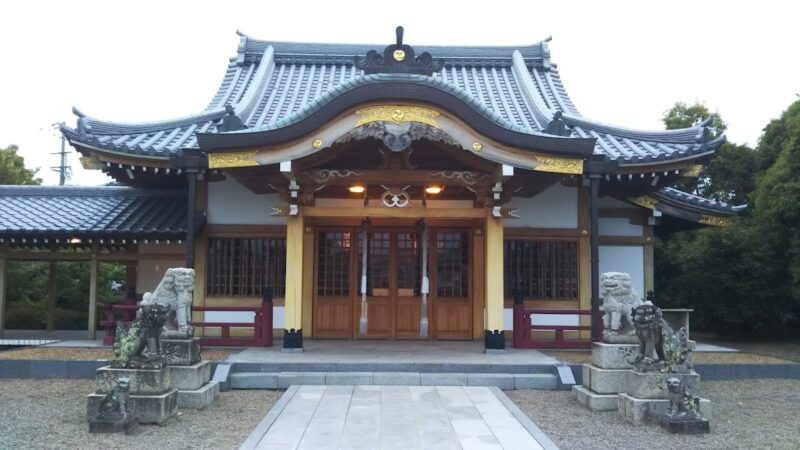
The most distinctive feature of Arimoku Shrine grounds is the three pairs (six in total) of komainu. While most shrines have only one pair, this shrine features three pairs placed in different locations along the approach and within the grounds, attracting the attention of visitors. The sight of guardian lion-dogs (komainu) of different eras and styles lined up together speaks to the long history of the shrine and the deep faith of the local community.
Each komainu has a different expression and posture, and comparing them while praying is one of the pleasures of visiting. Some of the stone komainu have the year of dedication and the name of the donor inscribed on them, providing clues to the history of the region.
Shrine Building
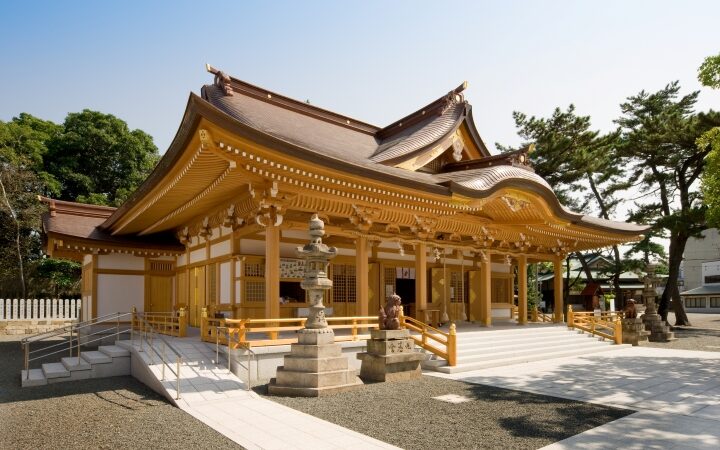
The current shrine building follows the traditional style of shrine architecture. The main hall is protected by a protective structure, and worshippers can pray from the worship hall. The grounds are neatly maintained, allowing for a tranquil atmosphere during worship.
Subsidiary Shrines and Stone Monuments
In addition to the main hall, several stone monuments and memorials marking the merged shrines are erected on the grounds. These are valuable historical materials that convey the history of shrine mergers during the Meiji period.
Trees and Nature
Ancient trees and other trees are planted on the grounds, creating a lush green space despite being in an urban area. The shrine grounds, which display different expressions with each season, are a place of relaxation for local residents.
Goshuin (Shrine Seal) and Goshuincho (Shrine Seal Book) Information
About Goshuin
Arimoku Shrine offers goshuin. The goshuin features the calligraphy of “Arimoku Shrine” and the shrine’s seal. It also includes a seal indicating its status as a Shikinaisha (a shrine listed in the Engishiki, an ancient Japanese legal text), making it a valuable item for those visiting shrines.
Goshuin Issuance Hours
It is recommended to confirm the issuance of goshuin by phone (072-422-3649) in advance. Since the chief priest is not always present, it is best to contact the shrine beforehand if you want to be sure to receive a goshuin.
Goshuincho (Shrine Seal Book)
Please inquire directly with the shrine regarding the availability of original goshuincho. Those visiting shrines in southern Osaka are recommended to bring a goshuincho that can be used when visiting multiple shrines in the area.
Posting Visit Records
Many visitors have posted photos and visit records on shrine visit record websites such as Hotokami. Checking these in advance will allow you to see the shrine grounds and seasonal highlights.
Access and Transportation Information
Access by Train
If using Nankai Electric Railway
- Get off at “Takojizo Station” on the Nankai Main Line, approximately 12 minutes on foot
- Head west from the station and reach the shrine via National Route 26.
If using JR
- Get off at “Higashi-Kishiwada Station” on the JR Hanwa Line, approximately 1 km west (approximately 13-15 minutes on foot)
- Head straight west from the station; the area around the Kubo intersection on National Route 26 is a landmark.
Access by Bus
The nearest bus stop is “Kubo Shrine Mae” bus stop. Arimo Shrine is located right in front of the bus stop. By using the local bus service within Kaizuka City, you can get off the bus closer to the shrine.
Access by Car
Route from Major Roads
- Use the “Kubo Intersection” on National Route 26 as a landmark.
- Approximately 150m west from the Kubo Intersection.
- Enter the address: 165 Kubo, Kaizuka City, Osaka Prefecture into your car navigation system.
Parking
Please contact the shrine in advance regarding parking availability and capacity (TEL: 072-422-3649). There may also be coin-operated parking lots nearby, so it is recommended to check beforehand.
Landmarks in the vicinity
- Along National Route 26
- Approximately 2 minutes on foot from Kubo Intersection
- Right next to the Kubo Shrine bus stop
Manners and Etiquette for Visiting the Shrine
Basic Etiquette for Visiting the Shrine
- Bow at the Torii Gate: Bow before passing through the torii gate.
- Purification at the Water Basin: Purify your left hand, right hand, and mouth in that order.
- Walking the Path: The center of the path is considered the path of the gods, so walk along the edges.
- Worship at the Main Hall: The basic procedure is two bows, two claps, and one bow.
- Bow deeply twice.
- Clap your hands twice.
- Recite your wish silently.
- Bow deeply once.
Regarding Photography
Photography is generally permitted on the shrine grounds, but please note the following:
- Do not take photos in areas where photography is prohibited, such as inside the main hall.
- Please be considerate of other worshippers.
- Post on social media with moderation.
- Refrain from using flash photography.
Attire for Worship
While everyday attire is acceptable, it is preferable to dress appropriately for a sacred place. Avoid overly revealing or heavily soiled clothing.
Annual Events and Festivals
Main Festivals
Arimoku Shrine holds various festivals throughout the year. Major events include:
- New Year’s Day Festival: A festival celebrating the New Year.
- Spring Festival: A festival praying for a bountiful spring harvest.
- Autumn Festival: A festival giving thanks for the harvest.
- Monthly Festival: A regular monthly festival.
For specific dates, we recommend contacting the shrine directly or checking the Kaizuka City tourist information.
Connection with the Community
As the guardian deity of Aso-go, the shrine has been deeply involved in important life events for the local people. Various life rituals are performed here, such as the first shrine visit for a newborn, Shichi-Go-San (a traditional rite of passage for children), exorcism, and weddings.
Nearby Attractions and Tourist Spots
Shrines and Temples in Kaizuka City
When visiting Arimo Shrine, we recommend visiting other temples and shrines in Kaizuka City:
- Gansenji Temple: A Jodo Shinshu Buddhist temple known as Kaizuka Gobo
- Koonji Temple: An ancient temple with a National Treasure Kannon Hall
- Mizumadera Temple: A Tendai Buddhist temple famous for its Kannon statue that wards off evil
Historical and Cultural Facilities
- Kaizuka City Local History Museum: A facility where you can learn about the history of the region
- Kaizuka Terauchi-machi: An area where historical townscapes remain
Shrine Pilgrimage in Southern Osaka
Arimo Shrine can be included in a route for shrine pilgrimage in Southern Osaka. By visiting the Shikinaisha shrines of Izumi Province and shrines associated with the Mononobe clan, you can experience ancient beliefs and history.
Cultural Assets and Historical Value of Arimo Shrine
Value as an Engishiki Shrine
Shrines listed in the Engishiki Jinmyocho (a list of shrines compiled in the Heian period) are historically significant shrines officially recognized by the imperial court during the Heian period. Among the approximately 3,000 Shikinaisha shrines nationwide, Arimo Shrine, with its history of over 1,500 years since its founding, occupies an important position in regional history research.
Importance in Mononobe Clan Research
The Mononobe clan was a powerful clan that oversaw military affairs and religious rituals in ancient Japan, and shrines dedicated to their ancestral deities are scattered throughout the country. Arimo Shrine is believed to have been worshipped by the Yasumaku clan, descendants of the Mononobe clan, and is a valuable historical source for understanding the sphere of influence and the spread of the Mononobe clan’s beliefs.
Center of Local Faith
After the Meiji-era shrine consolidation, Arimo Shrine became the tutelary shrine for the entire Aso-go region, functioning as a spiritual pillar of the local community. The community ties centered around the shrine continue to play an important social role even today.
Visitor Voices and Reviews
Charm Seen Through Visitor Records
Many visitor comments have been posted on visitor record sites such as Hotokami:
- “The three pairs of guardian lion-dogs were impressive, and it was fun comparing their expressions.”
- “The shrine grounds had a quiet and peaceful atmosphere, allowing for a leisurely visit.”
- “A shrine where you can feel the weight of history as a Shikinaisha (a shrine listed in the Engishiki, an ancient Japanese legal text).”
- “I got the impression that this shrine is cherished by the local people.”
Recommended Posts
Many photos of the shrine grounds and seasonal scenes have been posted on visitor record sites. Checking these before your visit allows you to see the highlights in advance. In particular, photos of the guardian lion-dogs have been taken by many contributors and are attracting attention as a distinctive feature of Arimo Shrine.
Trivia about Arimaka Shrine
Origin of the Shrine Name
The name “Arimaka” is believed to originate from the clan “Amaka” that worshipped there. It is rare to see an ancient clan name passed down to the present day as a shrine name, and it conveys the history of the region.
Relationship with Kubo Shrine
Locally, it is also called “Kubo Shrine,” which comes from the place name “Kubo” where the shrine is located. While its official name is “Arimaka Shrine,” it is commonly known as Kubo Shrine.
Checking Information in Databases
The corporate number is 5120105006033, and basic information can be checked in corporate information databases such as G-BizInfo. This is registration information as a religious corporation and can be used to confirm the official address and corporate name.
Points to Consider When Planning Your Visit
Estimated Time Required
Allow approximately 20-30 minutes for visiting the shrine grounds. If you plan to carefully observe or photograph the guardian lion-dogs, we recommend allowing a little extra time.
Recommended Time to Visit
- Spring: The fresh greenery is beautiful, and the pleasant weather makes it ideal for visiting.
- Autumn: It’s the season for autumn leaves and also the time of the annual festival.
- New Year: It’s bustling with New Year’s visitors, but you can enjoy the refreshing atmosphere of the new year.
Combining with Nearby Facilities
Visiting this shrine in combination with other temples, shrines, and historical sites in Kaizuka City will allow for a more fulfilling sightseeing experience. Combining it with Kaizuka Teramachi or Mizumadera Temple is a particularly popular half-day to full-day course.
Checking for the Latest Information
For the latest information, such as festival dates and Goshuin (shrine stamp) issuance times, we recommend contacting the shrine directly or checking the latest posts on visitor record websites. This is especially important if you are visiting from afar.
Summary
Arimoku Shrine boasts a long history, founded in the first year of Emperor Keitai’s reign (507 AD). As the only shrine in Kaizuka City listed in the Engishiki (an ancient Japanese legal code), it has long been a center of local faith. A venerable shrine dedicated to Nigihayahi-no-Mikoto, the ancestral deity of the Mononobe clan, its unique grounds, featuring three pairs of guardian lion-dogs, captivate visitors.
It’s easily accessible from Nankai Electric Railway’s Takojizo Station and JR Higashi-Kishiwada Station, and its location along National Route 26 is convenient. You can also receive a Goshuin (shrine stamp), making it a great addition to a South Osaka shrine pilgrimage route.
The quiet and peaceful atmosphere of the shrine grounds makes it an ideal place to escape the hustle and bustle of everyday life and find peace of mind. When visiting Kaizuka City, be sure to visit Arimoku Shrine and experience its over 1500 years of history and local faith.
When visiting, please remember to observe basic manners and respect the sacred space. Checking information beforehand and planning your visit is recommended for a fulfilling experience.
Frequently Asked Questions (FAQ)
Q1: How do you pronounce Arimaka Shrine?
A1: It is pronounced “Arimaka Jinja.” Locally, it is also known as “Kubo Shrine.”
Q2: Can I get a Goshuin (shrine stamp)?
A2: Yes, you can get a Goshuin. However, since the head priest may be absent at certain times, we recommend calling in advance (072-422-3649) to confirm availability if you wish to receive a Goshuin.
Q3: What is the nearest station?
A3: It is approximately a 12-minute walk from Nankai Electric Railway’s “Takojizo Station,” or approximately a 13-15 minute walk west from JR Hanwa Line’s “Higashi-Kishiwada Station.” If using the bus, the nearest stop is “Kubo Shrine-mae.”
Q4: Is there parking available?
A4: Please contact the shrine directly regarding parking availability and capacity (TEL: 072-422-3649). We also recommend considering using nearby coin-operated parking lots.
Q5: Who are the deities enshrined at Arimo Shrine?
A5: The main deity is Nigihayahi-no-Mikoto. Known as the ancestral deity of the Mononobe clan, he is worshipped as the god of martial prowess, pioneering, and industry.
Q6: When was the shrine founded?
A6: According to shrine tradition, it was founded in the first year of Emperor Keitai’s reign (507 AD) by Yasumaku-no-Obi, a descendant of the Mononobe clan. It is an ancient shrine with a history of over 1500 years.
Q7: What is an Engishiki-listed shrine?
A7: It refers to a shrine listed in the Engishiki Jinmyocho (compiled in 927), a historically significant shrine officially recognized by the imperial court during the Heian period. Arimo Shrine is the only Engishiki-listed shrine in Kaizuka City.
Q8: What are the highlights of the shrine grounds?
A8: The most distinctive feature is the three pairs (six in total) of guardian lion-dogs. While most shrines have only one pair, our shrine has three pairs, each with a different expression and style.
Q9: Are there specific visiting hours?
A9: While entry to the shrine grounds is generally free, there may be limited hours for services such as receiving Goshuin (shrine stamps) at the shrine office. Please contact the shrine directly for details.
Q10: Are there any other places to visit in the surrounding area?
A10: Kaizuka City has several historical temples and shrines, including Gansenji Temple (Kaizuka Gobo), Koonji Temple (with its National Treasure Kannon Hall), and Mizumadera Temple. The historic townscape of Kaizuka Terauchi-cho is also worth seeing. We recommend visiting several temples and shrines in combination as part of a tour of shrines in southern Osaka.