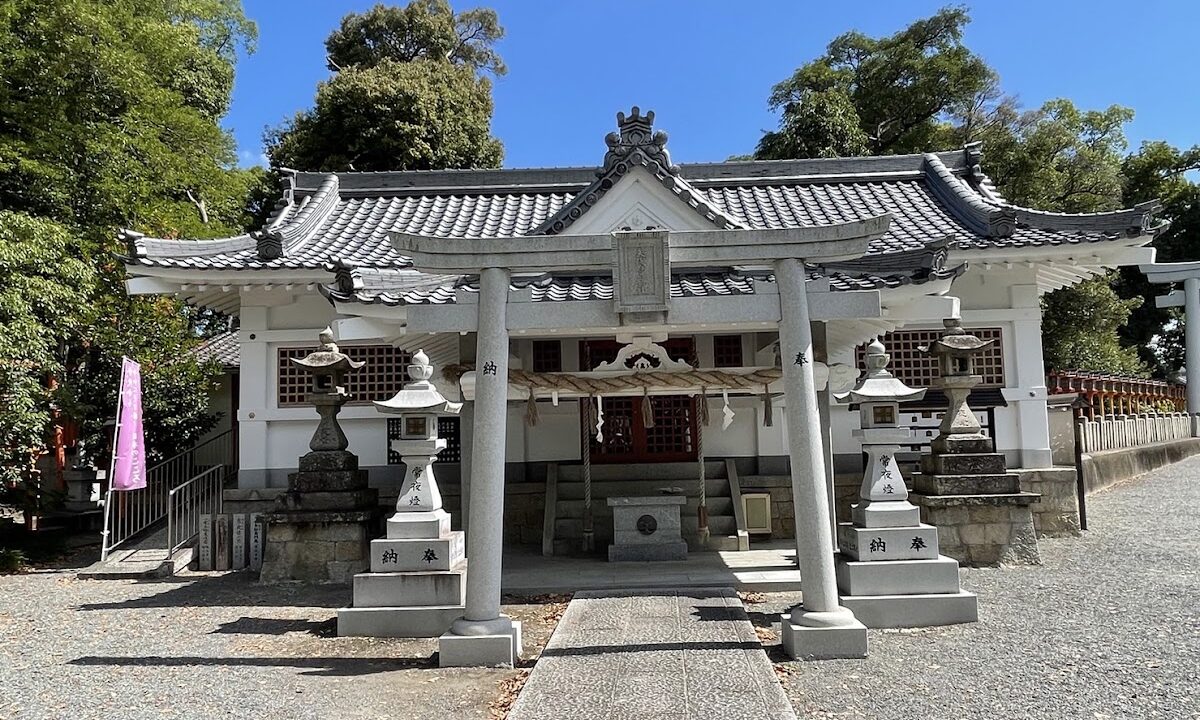
Yashirogi Shrine (Kishiwada City, Osaka Prefecture) Complete Guide | History, Access, and Highlights of the Danjiri Festival
Yashirogi Shrine, located in Hatta-cho, Kishiwada City, Osaka Prefecture, is a venerable shrine with a history of over 1500 years. As a Shikinaisha (a shrine listed in the Engishiki Jinmyocho), it has long been revered as a center of local faith. This article provides detailed information you should know before visiting, including the history of Yashirogi Shrine, its enshrined deities, highlights of the grounds, its connection to the Higashi-Kishiwada Danjiri Festival, and access methods.
Basic Information on Yashirogi Shrine
Yashirogi Shrine is located at 357 Hatta-cho, Kishiwada City, Osaka Prefecture. Its former shrine rank was Gosha (village shrine). It is a subsidiary shrine of Habu Shrine, and inquiries regarding Goshuin (shrine stamps) should be directed to Habu Shrine (072-426-7287).
Location: 357 Hatta-cho, Kishiwada City, Osaka Prefecture 596-0841
Former Shrine Rank: Gosha (Village Shrine)
Shikinaisha (Shrine listed in the Engishiki): Yashirosun Shrine (two deities), Izumi District, Izumi Province
Management: Concurrently managed by Habu Shrine
It is also known as “Ichinomiya” (first shrine) in the region and is cherished as the tutelary shrine of the Amagawadani and Hatta areas.
History of Yashirosun Shrine
Founding and History
It is said that Yashirosun Shrine was founded in the first year of Emperor Keitai’s reign (503 AD). In ancient times, this area was called “Yashiro Village (Yashirosun),” and the Hata clan, who resided in this area, enshrined their ancestral deity, which is considered the origin of the shrine.
The Hata clan was an ancient powerful family, descended from Takenouchi no Sukune. They held power based in this region, and Yashirosun Shrine was founded as a place to enshrine their ancestral deity. The name of the shrine, “Yashirogi,” itself originates from an old name for this region.
Engishiki Jinmyocho (Register of Shrines in the Engi Era) and its Status as a Shikinaisha (Shrine Listed in the Engi Era)
The Engishiki Jinmyocho lists it as “Jugoi Yashiro Village Shrine” and mentions “Yashirogi Shrine, two deities.” This indicates that Yashirogi Shrine had two deities (sacred seats).
Historically, one deity was the main shrine located in Miyauchi, Hatta-cho, Kishiwada City, Osaka Prefecture, and was called “Ichinomiya” (first shrine). The other deity was called “Suwa-no-miya” or “Yashirogi-shita Shrine” and is believed to have been located in Kamisuya-cho, Kishiwada City. The current Yashirogi Shrine corresponds to the main shrine (Ichinomiya).
Relationship with the Kishiwada Domain
During the Edo period, it was revered by the Kishiwada Domain and positioned as an important shrine in the region. The domain lord made visits and offerings, and it played a role as a spiritual pillar of the region.
Under the Meiji era’s shrine ranking system, it was ranked as a Gosha (village shrine), officially recognizing its importance in the local community. Even after the post-war reforms to the shrine system, it continues to attract unwavering devotion as the local tutelary deity.
Deities Enshrined
The main deities enshrined at Yashirosun Shrine are the following two:
Takeuchi no Sukune
A legendary loyal retainer appearing in Japanese mythology, said to have served five emperors from Emperor Keiko to Emperor Nintoku. He is revered as a symbol of longevity and loyalty, and many clans claimed descent from him. The Hata clan is also one of the clans that traces its ancestry to Takeuchi no Sukune.
Hata no Yashiro no Sukune
Considered a descendant of Takeuchi no Sukune, he is the direct ancestral deity of the Hata clan. He is enshrined as the founder of the Hata clan who ruled this region. The name “Yashiro” is thought to be related to the shrine’s name, “Yashirosun.”
By enshrining this father and son as the main deities, the Hata clan demonstrated the legitimacy of their lineage and regional rule, and a faith was formed to pray for the prosperity of their descendants and the peace of the region.
Enshrined Deities
In addition to the main deities, the following deities are also enshrined:
- Takeminakata-no-Mikoto: The deity of Suwa Grand Shrine. Related to the fact that Yashiro-Sunshita Shrine was also called Suwa-no-Miya.
- Takemikazuchi-no-Mikoto: God of war and thunder.
- Sugawara-no-Michizane: God of learning.
- Ichikishima-hime-no-Mikoto: Goddess of water, often syncretized with Benzaiten.
These enshrined deities are thought to have been added over time in response to the religious needs of the region.
Highlights of the Shrine Grounds and Cultural Properties
Torii Gate and Approach
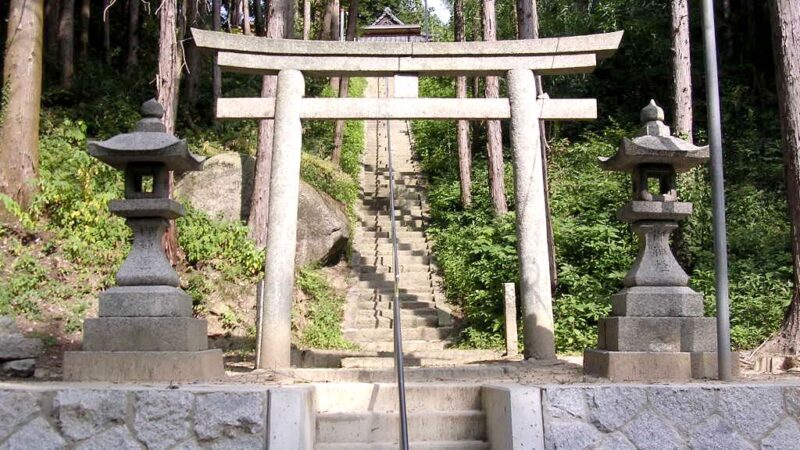
The grounds of Yashiro-sun Shrine are quietly nestled within a residential area. A stone torii gate stands at the entrance, and the approach leads to the main shrine. Passing through the torii gate, one can feel the tranquil atmosphere unique to a sacred place, despite its urban location.
Shrine Building
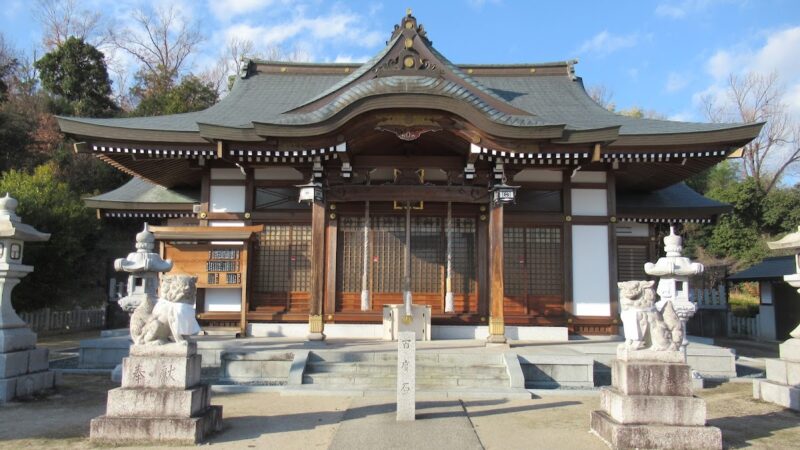
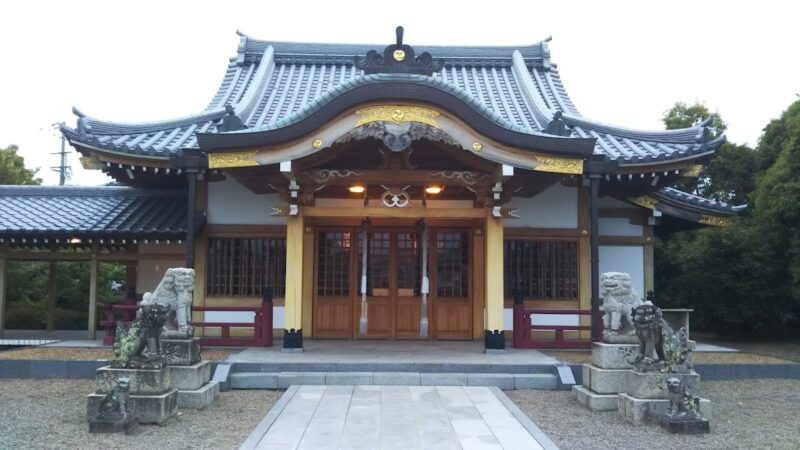
The main shrine building is constructed in a traditional shrine architectural style, conveying the history of the region. Although not large in scale, it is carefully maintained, reflecting the deep faith of the local people.
Subsidiary Shrines
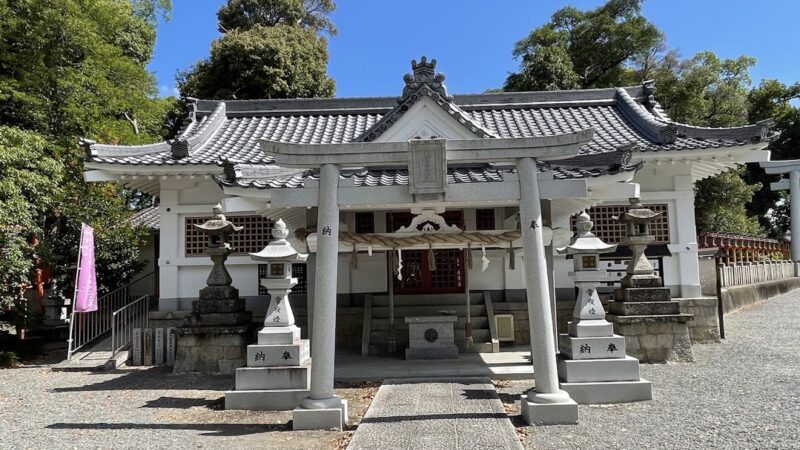
Small subsidiary shrines are also enshrined around the main shrine, telling the story of the shrine’s history of embracing diverse local beliefs.
Photography Tips
Photography is permitted on the shrine grounds (please observe proper etiquette and be considerate of other visitors). The view of the shrine building through the torii gate, and the scenery of the grounds harmoniously blended with seasonal plants, are particularly worth seeing.
Higashi-Kishiwada Danjiri Festival and Yashiro-sun Shrine
The Entrance to the Shrine during the Danjiri Festival
Yashiro-sun Shrine plays a crucial role in the Higashi-Kishiwada Danjiri Festival. Every autumn, five danjiri (floats) enter the shrine grounds during the festival.
The Higashi-Kishiwada Danjiri Festival is particularly vibrant within Kishiwada City and is a traditional event symbolizing community unity. The entrance to Yashiro-sun Shrine is one of the festival’s climaxes, attracting large crowds of spectators.
Festival Highlights
During the danjiri entrance, each town’s danjiri enters the shrine grounds one after another, accompanied by energetic shouts. The skillful maneuvering of the danjiri through the narrow approach is breathtaking, offering a truly exhilarating experience of the festival.
During the festival period, the normally quiet shrine grounds are enveloped in the excitement of the festivities, providing a valuable opportunity to experience the strong bonds of the local community.
Autumn Festival Period
The Higashi-Kishiwada Danjiri Festival is held annually in October (the specific dates vary each year, so prior confirmation is necessary). Visiting during this time will allow you to see a different side of the shrine.
Access and Parking Information
Access by Train
Nearest Station: JR Hanwa Line “Higashi-Kishiwada Station”
Walking: Approximately 28 minutes (approximately 2.2 km)
While it’s a bit of a distance to walk from Higashi-Kishiwada Station, the route is flat and passes through a residential area. You can also enjoy a stroll while admiring the streets of Kishiwada along the way.
Access by Bus
If you take the bus from Higashi-Kishiwada Station, there are Nankai Bus routes. The shrine is just a few minutes’ walk from the nearest bus stop. For bus timetables and routes, we recommend checking the Nankai Bus official website or the station information desk.
Access by Car
Since the shrine’s dedicated parking is limited, please consider using nearby coin-operated parking lots if you are visiting by car. During events such as the Danjiri Festival, traffic restrictions may be in place, so using public transportation is recommended.
Nearby Facilities
The following shrines and temples are located near Yashiro-sun Shrine.
- Habu Shrine: A shrine managed by Yashiro-sun Shrine, possessing a larger shrine building.
- Other Shikinaisha Shrines: Several Shikinaisha shrines are scattered throughout Kishiwada City, making it an enjoyable route for shrine pilgrimages.
Etiquette and Manners for Worship
Basic Worship Method
- Bow before passing through the torii gate: As a courtesy before entering the sacred area.
- Walk along the edge of the approach: The center is considered the path for the gods.
- Purify yourself at the water basin: (If there is a water basin) Purify your left hand, right hand, and mouth in that order.
- Bow twice, clap twice, and bow once in front of the main hall: Basic Shinto worship etiquette.
Photography Manners
Photography is generally permitted on the shrine grounds, but please note the following points.
- Be considerate and avoid including other worshippers in your photos.
- Do not take photos in areas where photography is prohibited, such as inside the main shrine.
- Refrain from using flash.
- Pay particular attention to the location and method of photography during festivals.
About Goshuin (Shrine Seals)
The goshuin of Yashirosun Shrine is issued at Habu Shrine, which is also managed by Yashirosun Shrine. After visiting Yashirosun Shrine, you can visit Habu Shrine to receive your goshuin.
Goshuin Issuance Location: Habu Shrine (Kishiwada City)
Inquiries: 072-426-7287
If you do not have a goshuincho (stamp book), you can purchase one at Habu Shrine. Why not start collecting goshuin as a memento of your visit and as one of the joys of visiting shrines?
Annual Events and Festivals
Autumn Grand Festival (Danjiri Festival)
The biggest event at Yashirosun Shrine is the Autumn Grand Festival, held in October. Held in conjunction with the Higashi-Kishiwada Danjiri Festival, five danjiri floats enter the shrine grounds. The entire area is enveloped in the excitement of the festival, making it the liveliest time of the year.
Other Festivals
Various festivals are held throughout the year, including New Year’s visits and monthly festivals. For detailed schedules, it is recommended to inquire with Habu Shrine.
Attractions around Yashiro-sun Shrine
Kishiwada Castle
Kishiwada Castle, a representative tourist spot in Kishiwada City, is about a 15-minute drive from Yashiro-sun Shrine. It is also the center of the Danjiri Festival, and the castle tower offers a panoramic view of Kishiwada city.
Danjiri Hall
This facility allows you to learn about the history and culture of the Kishiwada Danjiri Festival. Actual danjiri floats are on display, allowing you to experience the excitement of the festival throughout the year.
Other Shikinaisha Shrines in Kishiwada City
Besides Yashirosun Shrine, Kishiwada City has several other Shikinaisha shrines, offering a chance to enjoy a shrine tour that allows you to feel the history from ancient times.
Visitor Feedback and Reviews
Visitors who have come to Yashirosun Shrine have shared the following comments:
- “Despite being located in a residential area, it’s a quiet and peaceful shrine.”
- “The procession of the Danjiri Festival into the shrine grounds was spectacular. I felt a strong sense of community.”
- “It’s a venerable shrine that conveys the weight of its history as a Shikinaisha.”
- “Although small, it is carefully maintained, and you can feel the faith of the local people.”
Summary: The Charm of Yashirosun Shrine
Yashirosun Shrine has a long history, having been founded in the first year of Emperor Keitai’s reign (503 AD), and is a prestigious Shikinaisha shrine listed in the Engishiki Jinmyocho (a list of shrines compiled in the Heian period). As a shrine dedicated to the ancestral deity of the Hata clan, it has attracted the faith of the local community for over 1500 years.
Currently, Yashiro-sun Shrine plays a central role in the local community as the shrine where the Higashi-Kishiwada Danjiri Festival procession takes place. While usually quiet, the shrine grounds become vibrant and lively during the festival, welcoming the five danjiri floats.
When visiting Kishiwada City, Osaka Prefecture, be sure to visit Yashiro-sun Shrine and experience its ancient history and the region’s continuing traditional culture. The autumn danjiri festival, in particular, offers an excellent opportunity to see a different side of the shrine.
Access is approximately a 28-minute walk from Higashi-Kishiwada Station on the JR Hanwa Line, or by bus. Goshuin (shrine stamps) are available at Habu Shrine (072-426-7287), so be sure to get one as a memento of your visit.
Yashiro-sun Shrine, where the tranquil atmosphere of a historic shrine coexists with the energy of the danjiri festival, is a hidden historical spot in Osaka Prefecture. Why not add it to your list of destinations for shrine pilgrimages and historical explorations?