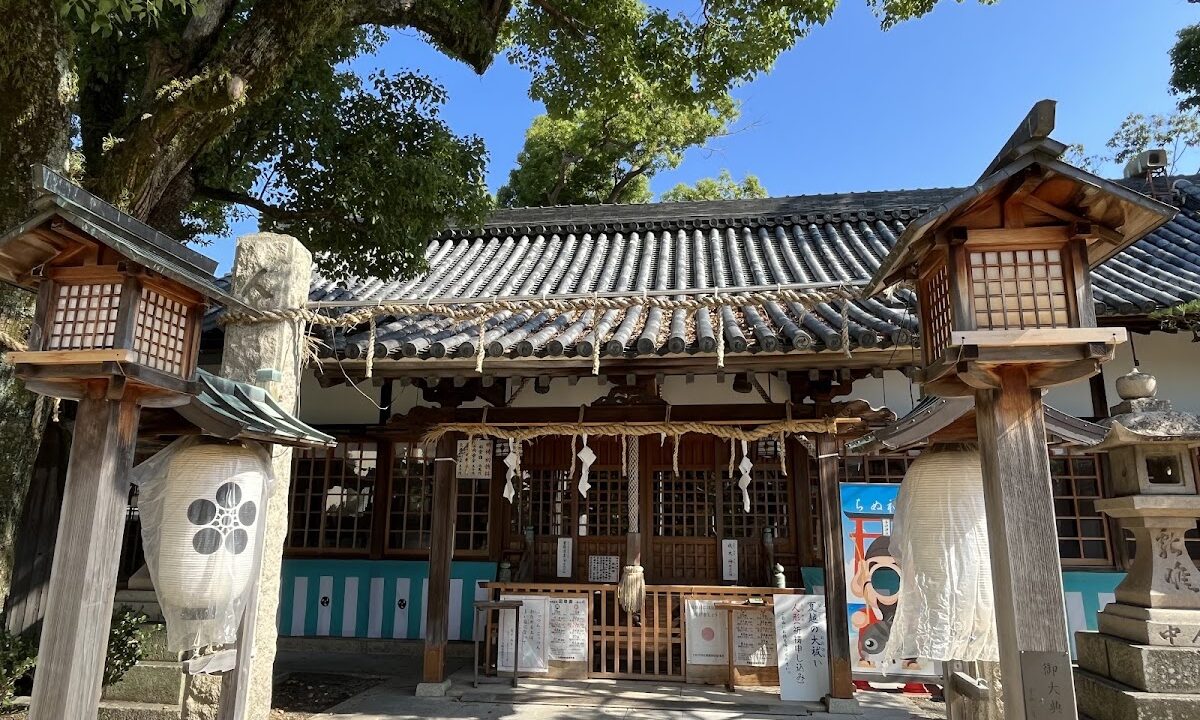
Complete Guide to Chinu Shrine (Sennan City, Osaka Prefecture) | Thorough Explanation of Deities, Blessings, Access, and History
Chinu Shrine, located in Sennan City, Osaka Prefecture, is a venerable shrine deeply intertwined with the local history. This article provides a thorough explanation of everything you need to know before visiting, from the deities enshrined at Chinu Shrine and their blessings to detailed access information, historical background, and highlights within the shrine grounds.
What is Chinu Shrine?
Chinu Shrine is located in Shindachi Makino, Sennan City, Osaka Prefecture, and has been revered as the tutelary deity of this region since ancient times. The name “Chinu” originates from the ancient place name “Chinu no Umi” (Chinu Sea), known as the old name for Osaka Bay. This sea area has played an important role as a transportation hub since ancient times.
The shrine is situated in a quiet residential area and is cherished as a center of faith and a spiritual haven for local residents. The shrine grounds are of a moderate size, allowing for a peaceful and tranquil atmosphere during worship.
Deities Enshrined at Chinu Shrine
The deities enshrined at Chinu Shrine are as follows:
Main Deity
Susanoo-no-Mikoto
Susanoo-no-Mikoto is an important deity in Japanese mythology, known as the younger brother of Amaterasu-Omikami. He is a god of martial prowess who defeated Yamata-no-Orochi and is widely worshipped as a god of protection against misfortune and disaster. He is also revered as a god of agriculture and matchmaking.
Enshrined Deities
At Chinu Shrine, it is possible that deities associated with the local area are enshrined alongside Susanoo-no-Mikoto. It is common for local guardian deities and gods involved in land development to be enshrined together as the tutelary deity of the region.
Benefits of Chinu Shrine
At Chinu Shrine, the following benefits are believed to be offered through the divine virtues of the enshrined deity, Susanoo-no-Mikoto:
Protection from Evil and Disaster
Susanoo-no-Mikoto, while possessing an aspect of a fierce god, is believed to have strong power to repel evil. Therefore, the benefits of protection from evil and disaster can be expected.
Family Safety and Protection
As the local guardian deity, he is worshipped as a god who protects family safety, health, and happiness.
Abundant Harvest and Business Prosperity
As a god of agriculture, he is also believed to bring benefits of abundant harvests and business prosperity.
Matchmaking and Marital Harmony
Because Susanoo-no-Mikoto married Kushinadahime-no-Mikoto, he is also known as a god of matchmaking and marital harmony.
Healing from Illness and Longevity
Because it is believed to possess the power to quell epidemics, people visit to pray for healing from illness and longevity.
How to Access Chinu Shrine
Basic Information
Location: Shindachi Makino, Sennan City, Osaka Prefecture
Nearest Station: JR Hanwa Line “Izumisunagawa Station” or Nankai Main Line “Tarui Station”
Access by Train
If using the JR Hanwa Line
- Get off at JR Hanwa Line “Izumisunagawa Station”
- Approximately 15-20 minutes on foot from the station
- Alternatively, take a bus or taxi from the station
If using the Nankai Main Line
- Get off at Nankai Main Line “Tarui Station”
- Approximately 20-25 minutes on foot from the station
- Alternatively, take a bus or taxi from the station
Access by Bus
Route buses such as the Sennan City Community Bus “Southern Pia” may be available. We recommend checking the latest train schedules on the Sennan City official website.
Access by Car
Using the Hanwa Expressway:
- Approximately 10 minutes from “Sennan IC”
- Approximately 15 minutes from “Hannan IC”
Parking: Depending on the size of the shrine, there may not be a dedicated parking lot. Please be considerate of the surrounding area when visiting.
History of Chinu Shrine
Ancient Beliefs
While there are often no clear records of the founding date of Chinu Shrine, the fact that the place name “Chinu” has been used since ancient times suggests that there was some kind of place of worship there from a very early period.
“Chinu no Umi” is an ancient place name that appears in the *Nihon Shoki* and *Kojiki*, and refers to the southern part of present-day Osaka Bay. This region was an important point for maritime traffic from ancient times, and it is presumed to have attracted the faith of people involved in fishing and shipping.
Changes in the Medieval and Early Modern Periods
From the medieval to the early modern period, Chinu Shrine played a central role in the village community as the local tutelary shrine. It is believed that annual events and festivals were closely intertwined with the lives of people engaged in agriculture and fishing.
Modern Era
Due to the Meiji-era separation of Shinto and Buddhism and the policy of consolidating shrines, many shrines were merged or abolished. However, Chinu Shrine survived as the center of local faith. Even today, it is carefully preserved by local residents, and its traditions are passed down.
Highlights of the Shrine Grounds
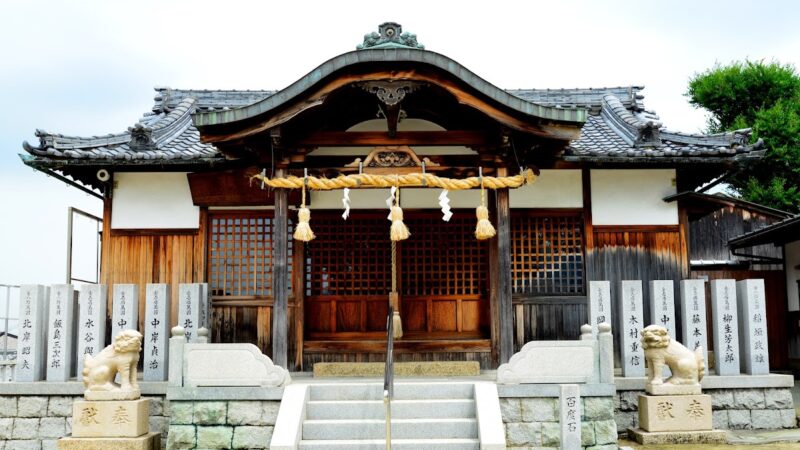
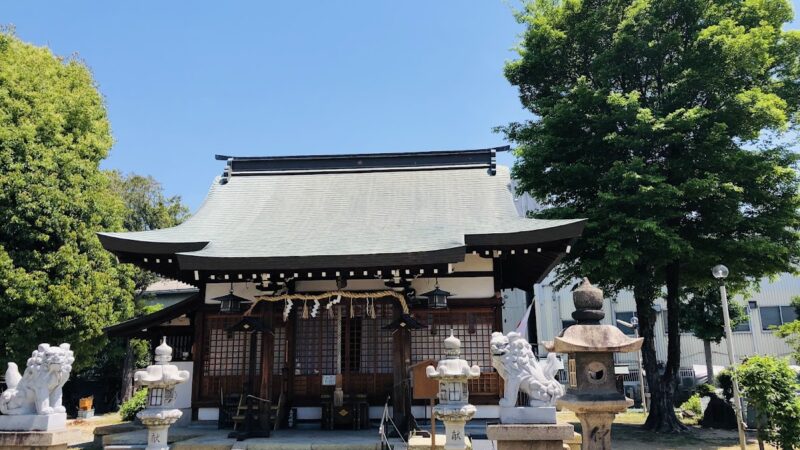
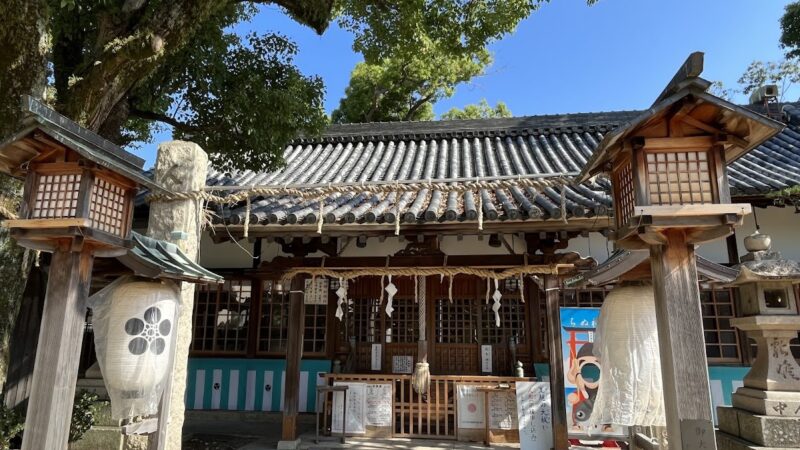
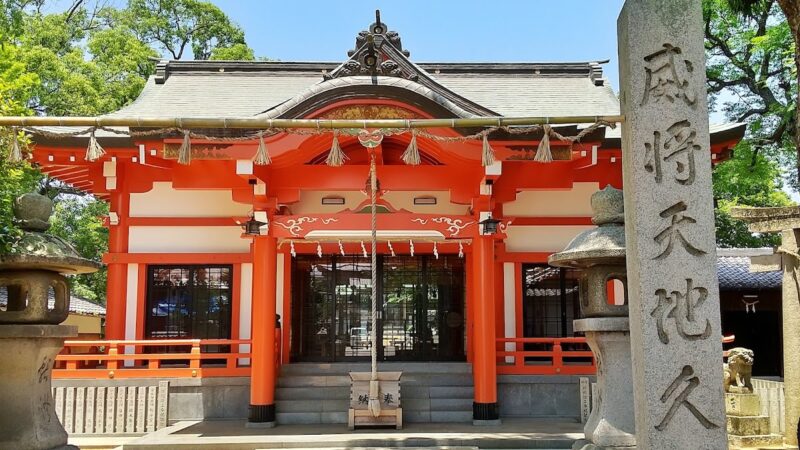
Main Hall and Worship Hall
The main hall and worship hall of Chinu Shrine preserve the traditional style of shrine architecture. Although not large in scale, they are meticulously maintained, reflecting the deep faith of the local people.
Torii Gate and Approach
A torii gate stands at the entrance to the shrine, and from there, an approach leads to the main hall. Walking along the approach allows one to escape the hustle and bustle of everyday life and prepare one’s mind for worship.
Shrines within the Precincts
Around the main shrine building, there are sometimes smaller shrines (subsidiary shrines/minor shrines). These often enshrine local guardian deities or gods with specific blessings, and can be visited along with the main shrine.
Sacred Trees and Nature
The shrine grounds are home to many ancient trees, creating a quiet and peaceful atmosphere. The ever-changing scenery of nature throughout the seasons is one of the charms of Chinu Shrine.
Annual Events and Festivals
Chinu Shrine holds various Shinto rituals and festivals throughout the year.
Main Annual Events
New Year’s Day Festival (January 1st):
A festival to celebrate the New Year and pray for peace throughout the year. Many worshippers visit for their first shrine visit of the year.
Setsubun Festival (around February 3rd):
Events such as bean-throwing are held, and prayers are offered for warding off evil and inviting good fortune.
Spring Grand Festival:
An important festival held in spring, where prayers are offered for a bountiful harvest and the prosperity of the region.
Autumn Grand Festival:
A festival to give thanks for the autumn harvest and to offer offerings to the gods. Depending on the region, a portable shrine procession and offering ceremonies may be held.
Great Purification Ceremony (June & December):
A Shinto ritual to cleanse away the sins and impurities accumulated over the past six months.
Specific dates and content may vary from year to year, so it is recommended to check in advance when planning your visit.
Manners and Etiquette for Visiting the Shrine
When visiting Chinu Shrine, please observe the following basic manners and etiquette.
How to Pass Through the Torii Gate
The torii gate is the entrance to the sacred area. Bow before passing through the torii gate and walk avoiding the center of the path (considered the path of the gods).
Proper Hand-Washing Ritual
- Hold the ladle in your right hand and wash your left hand.
- Switch the ladle to your left hand and wash your right hand.
- Hold the ladle again in your right hand, receive water in your left hand, and rinse your mouth.
- Wash your left hand once more.
- Hold the ladle upright, wash the handle, and return it to its original position.
Proper Worship Ritual at the Main Hall
- Stand in front of the offering box and bow slightly.
- Gently place your offering in the box.
- Ring the bell if there is one.
- Two bows, two claps, one bow (two bows, two claps, one bow)
- Bow deeply twice.
- Clap your hands twice.
- Finally, bow deeply once.
Mindset During Worship
- Worship quietly and with reverence.
- Do not speak loudly on the temple grounds.
- Take your trash with you.
- Take photographs only in designated areas.
- Remember that this is a sacred place and act accordingly.
About Goshuin (Shrine Seals)
Some shrines offer Goshuin. For information on whether Chinu Shrine offers Goshuin and the hours of availability, it is recommended to inquire directly with the shrine or confirm during your visit.
When receiving a Goshuin:
- Bring your Goshuincho (stamp book)
- Go to the Goshuin office after completing your prayers
- Prepare a donation (approximately 300-500 yen)
- Request politely.
Nearby Tourist Attractions
When visiting Chinu Shrine, you can also visit nearby tourist attractions.
Highlights of Sennan City
Sennan Rinku Park:
Located across from Kansai International Airport, this park offers beautiful sunsets and views of planes taking off and landing.
Chokeiji Temple:
An ancient temple known as the “Hydrangea Temple,” where magnificent hydrangeas bloom in June.
Noda Wisteria of Shindachi-juku:
There is a large Noda wisteria tree said to be over 1200 years old, which blooms beautifully in spring.
Sennan Aeon Mall:
A large shopping mall where you can enjoy shopping and dining.
Nearby Shrines and Temples
There are many other historical shrines and temples scattered around Sennan City, so you can enjoy visiting them.
Historical Background of Sennan City and Chinu
Chinu Sea and Ancient History
The “Chinu Sea” is recorded in the *Nihon Shoki* (Chronicles of Japan) as the place where Emperor Jimmu’s elder brother, Itsuse-no-mikoto, was wounded by an arrow during his eastern expedition. It is also said that various events took place in this sea area during the reign of Emperor Nintoku.
Origin of the Place Name
There are several theories regarding the origin of the place name “Chinu,” including the theory that it refers to a seashore overgrown with cogon grass (chigaya), and the theory that it was named after the color of the sea, which was the color of cogon grass (reddish-brown).
Connection to the Sea
The Sennan region has had deep ties to the sea since ancient times, flourishing as a base for fishing, salt production, and maritime transportation. Chinu Shrine may have also functioned as a place of worship, praying for safe voyages and abundant catches, within this context of its connection to the sea.
Suitable Time of Visit
Recommended Season
Spring (March-May):
The weather is mild, making it a pleasant season for visiting. The fresh greenery is beautiful, allowing for a refreshing visit.
Autumn (September-November):
It is a cool and pleasant season, and the autumn leaves are beautiful. This is also the time when the Autumn Grand Festival is held.
New Year’s Visit (January 1st-3rd):
Many worshippers visit to offer prayers for the new year. While crowds are expected, you can experience the special atmosphere of the new year.
Visiting Hours
Shrine opening hours are generally from sunrise to sunset, but some are open 24 hours. However, it is recommended to avoid nighttime visits and visit during daylight hours.
If there is a shrine office, the reception hours are usually around 9:00 AM to 5:00 PM, but this varies depending on the shrine.
Points to Note When Visiting Chinu Shrine
Attire
No special attire is required, but clean and subdued clothing that reflects the sacred nature of the place is desirable.
Photography
Photography is generally permitted on the shrine grounds, but please refrain from taking photos inside the main hall or during Shinto rituals. If unsure, please check with shrine staff.
Parking and Transportation
If there is no dedicated parking lot, it is recommended to use public transportation. Please avoid street parking as it will inconvenience the neighbors. ### Pets Allowed
Some shrines prohibit pets. It is recommended to check in advance or refrain from bringing pets.
Connection to the Community
Chinu Shrine is not merely a tourist spot, but a place of worship deeply intertwined with the lives of local residents.
Role as a Local Guardian Deity
As the local guardian deity, it has continuously watched over the safety and prosperity of the residents. Many families visit the shrine for important life events such as a baby’s first shrine visit, Shichi-Go-San (a traditional rite of passage for children), and exorcism.
Center of the Local Community
Through festivals and cleaning activities, it also functions as a place for community building among local residents.
Preservation of Traditional Culture
Through annual events and festivals, the region’s traditional culture is passed down to the next generation.
Summary
Chinu Shrine is a historical shrine located in Sennan City, Osaka Prefecture. Due to the divine virtues of its enshrined deity, Susanoo-no-Mikoto, it is believed to offer various blessings, including protection from misfortune, family safety, and matchmaking.
Access is via foot from JR Hanwa Line’s Izumi-Sunagawa Station or Nankai Main Line’s Tarui Station, or by car from the Hanwa Expressway’s Sennan Interchange (IC) in about 10 minutes.
This shrine, whose name originates from the ancient “Chinu Sea,” has long been revered as the local guardian deity and remains a cherished center of faith for local residents.
When visiting, please observe basic manners and approach the shrine with a quiet and reverent spirit. Nearby attractions include Sennan Rinku Park and Chokeiji Temple, and visiting them together will allow you to experience the charm of Sennan City more deeply.
Why not visit Chinu Shrine, steeped in history and tradition, in peace and quiet, and pray for daily peace and happiness?