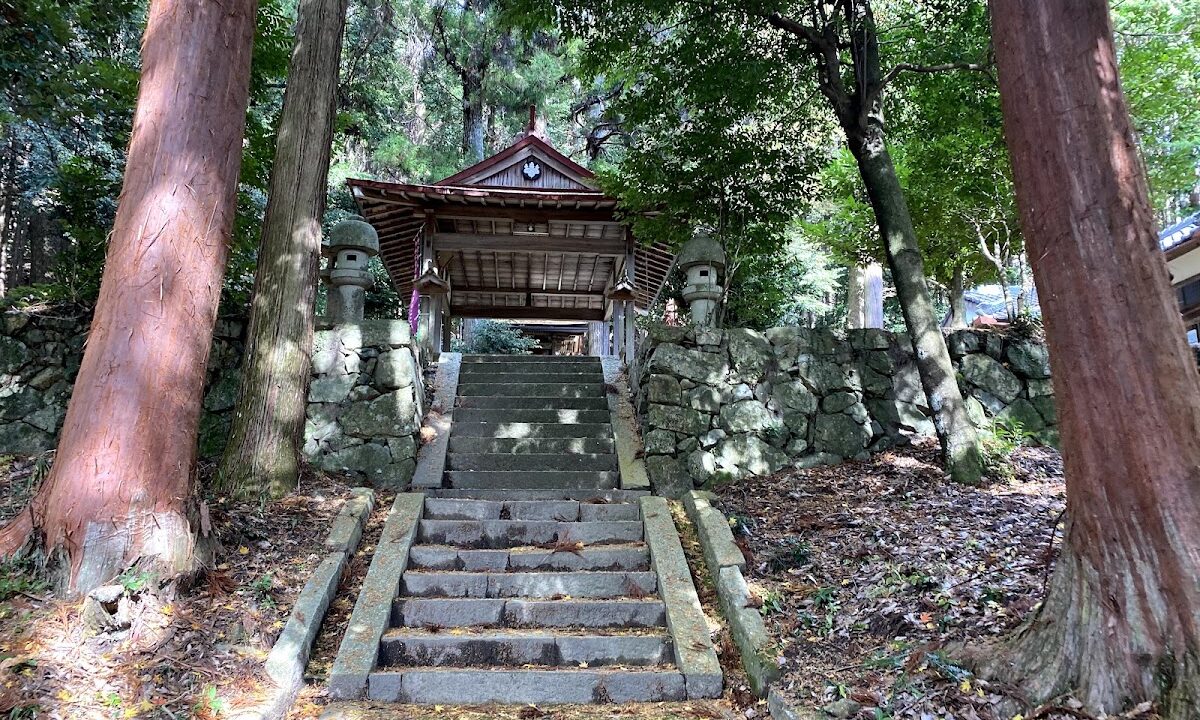
Utagaki Shrine (Osaka Prefecture) Complete Guide | Sacred Site of Iwakura Worship, Deities, and Access Information
Nestled quietly in the mountainous area of Nose-cho, Toyono-gun, Osaka Prefecture, Utagaki Shrine is a precious shrine that preserves the ancient belief in Iwakura (rock formations). With its origins in the worship of giant rocks on the mountainside as deities, this shrine boasts a history of over a thousand years. This guide provides detailed information about it.
Basic Information about Utagaki Shrine
Location and Address
Utagaki Shrine is located at 1764 Kuragaki, Nose-cho, Toyono-gun, Osaka Prefecture. Nose-cho is located in the northernmost part of Osaka Prefecture, a naturally rich area near the border with Hyogo Prefecture. The shrine is situated in the mountainous area of the Kuragaki district, surrounded by lush forests.
Official Address: 1764 Kuragaki, Nose-cho, Toyono-gun, Osaka Prefecture 563-0113
Contact Information
Inquiries regarding Utagaki Shrine are accepted at the residence of the chief priest of Kuragaki Tenmangu Shrine. Telephone Number: 072-737-0055 (Residence of the Chief Priest of Kuragaki Tenmangu Shrine)
Deities Enshrined and the History of the Shrine
Deities Enshrined
The following three deities are enshrined at Utagaki Shrine:
- Susanoo-no-Mikoto: The principal deity, a heroic god in Japanese mythology
- Ame-no-Mihashira-no-Mikoto
- Kuni-no-Mihashira-no-Mikoto
Susanoo-no-Mikoto is a brave god known for slaying the Yamata no Orochi (eight-headed serpent), and is believed to have the divine power to ward off evil and disease. Utagaki Shrine was formerly known as “Yasaka Shrine,” and its predecessor is thought to have been Gozu Tenno Shrine.
History and Origins of Utagaki Shrine
The origins of Utagaki Shrine begin with the worship of a massive rock exposed on the mountainside as a “rock god.” This rock worship is a valuable example of a primitive form of belief that predates the development of shrine architecture.
Major Historical Events:
- Kōhō 2 (965 AD): The first rice seedling festival was held.
- Kenkyū 7 (1196 AD): The shrine was relocated to its current location on the mountainside.
- Originally, it was enshrined as a rock god on a large rock on the mountainside, but later it was moved to the ground, resulting in its current form.
The shrine has a guardian shrine-temple relationship with the adjacent Yūsenji Temple, retaining remnants of the era of syncretism of Shinto and Buddhism. A massive rock still protrudes on the mountainside behind the shrine, and this giant rock is the “rock god” that became the origin of Utagaki Shrine.
Origin of the Name “Utagaki”
“Utagaki” refers to a social gathering in ancient Japan where young men and women would converse through song. The custom of utagaki is recorded in the Manyoshu (an ancient collection of Japanese poetry), and it was held in mountains and hills during specific periods in spring and autumn.
The name “Utagaki Shrine” suggests that the custom of utagaki may have been practiced in this area in the past, or that song played an important role in Shinto rituals. The similarity in sound between the place name “Kuragaki” and “Utagaki” is also an interesting point.
Iwakura Worship of Nose Shichimen-yama
The mountain where Utagaki Shrine is located is also called “Nose Shichimen-yama” and has been an object of mountain worship. The massive rocks exposed on the mountainside were considered sacred places where gods descended by ancient people and were objects of nature worship.
Iwakura worship is an ancient Japanese form of belief in which large stones and unusual rocks are worshipped as vessels for gods. The rock deity at Utagaki Shrine is a classic example of this rock worship, and is important from the perspectives of religious history and folklore.
Even today, you can visit the rock formation on the back mountain and directly feel the spirit of ancient beliefs. However, the mountain path can be steep in places, so appropriate equipment and caution are necessary when visiting.
Annual Festival and Events
Annual Festival
The annual festival of Utagaki Shrine is held on October 10th. On this day, local parishioners and believers gather for the Shinto rituals.
Rice Planting Festival
This traditional festival, which has continued since the second year of the Kōhō era (965 AD), is an important Shinto ritual related to agriculture. As a festival praying for a bountiful rice harvest, it preserves the local agricultural culture to this day.
Access and Transportation
Nearest Station and Lines
The following routes are common for accessing Utagaki Shrine by public transportation.
Train:
- The nearest station is Myokenguchi Station on the Nose Railway Myoken Line.
- From Osaka Umeda, take the Hankyu Takarazuka Line to Kawanishi-Noseguchi Station and transfer to the Nose Railway Myoken Line.
Nearest Bus Stop/Route
Hankyu Bus:
- Take a Hankyu Bus from Myokenguchi Station.
- Get off at the “Utagakiyama Tozanguchi” bus stop.
- Walk approximately 800 meters north from the bus stop.
Access by Car
Parking: Available (limited spaces)
Route from Major Roads:
- Take National Route 173 towards Nose Town.
- Follow the signs for the Kuragaki area.
Due to its mountainous location, some roads are narrow. Please drive with caution. Also, in winter, there is a possibility of icy roads, so it is recommended to check road conditions in advance.
Map and Surrounding Environment
Utagaki Shrine is located in a quiet, mountainous area in the northern part of Nose Town. The surrounding area also contains other historical temples and shrines such as Kuragaki Tenmangu Shrine and Yusenji Temple, making it an area where you can experience the history and culture of Nose.
Goshuin (Shrine Seal) Information
The goshuin (shrine seal) for Utagaki Shrine can be obtained at Kuragaki Tenmangu Shrine. Utagaki Shrine and Kuragaki Tenmangu Shrine are managed by the same chief priest, and the goshuin are issued at Kuragaki Tenmangu Shrine.
Those wishing to receive a goshuin are advised to call in advance to confirm. Since the priest may be absent, it is best to contact in advance to ensure you receive one.
Goshuin Issuance Location: Kuragaki Tenmangu Shrine
Contact Information: 072-737-0055
Points of Interest and Highlights for Visitors
Main Hall and Grounds
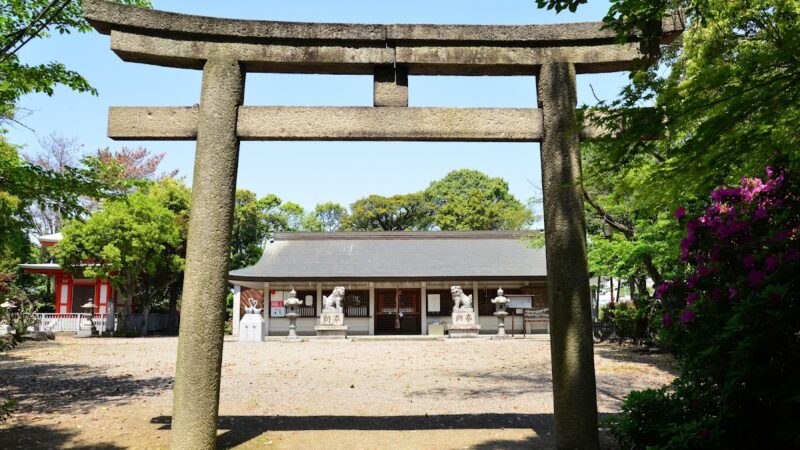
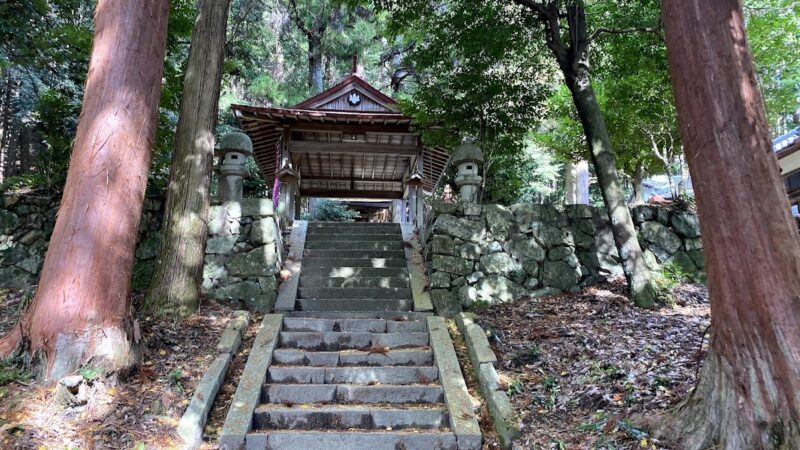
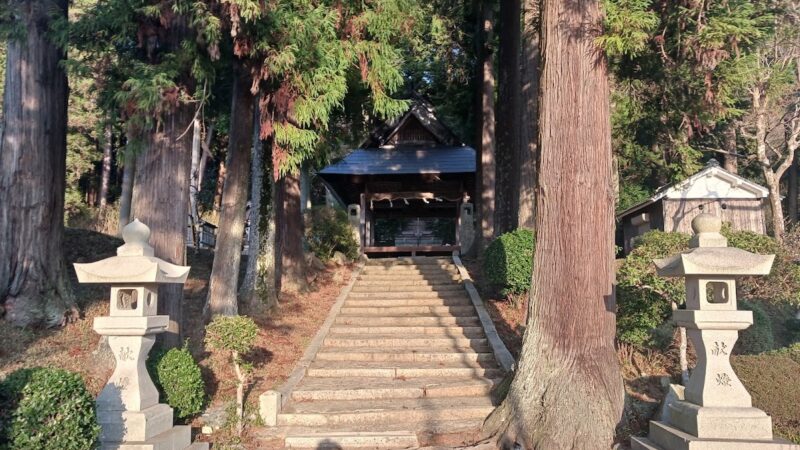
The main hall, built on the mountainside, has been enshrined in this location since its relocation in Kenkyu 7 (1196). Surrounded by forest, the tranquil atmosphere evokes the grandeur of an ancient shrine.
The Sacred Rock on the Back Mountain
The greatest highlight of Utagaki Shrine is the massive sacred rock exposed on the mountainside behind the shrine. This rock deity is the origin of the shrine, and you can directly witness traces of ancient beliefs.
The climb to the rock requires ascending a mountain path, which is somewhat challenging, but the mystical sight of the giant rock is well worth it. It’s a valuable spot where you can experience the origins of nature worship.
Relationship with Yūsenji Temple
The adjacent Yūsenji Temple has a long history as the temple associated with Utagaki Shrine. During the era of syncretism of Shinto and Buddhism, shrines and temples had a close relationship, and this tradition is still carried on in this region. Visiting both will provide a deeper understanding during your visit.
Shrine Culture of Nose Town
Besides Utagaki Shrine, Nose Town is home to many other historical shrines.
- Nose Myokenzan: Known as a sacred site of the Nichiren sect.
- Noma Shrine: A shrine associated with the Nose clan.
- Kuragaki Tenmangu Shrine: Dedicated to Sugawara no Michizane, the god of learning.
Nose Town, while located in Osaka Prefecture, is deep in the mountains and retains a rich tradition of ancient beliefs and culture. When visiting Utagaki Shrine, exploring the surrounding shrines and temples will allow you to experience Nose’s history and culture more deeply.
Precautions When Visiting the Shrine
Clothing and Equipment
- When visiting the sacred rock formations, comfortable walking shoes and clothing are recommended.
- Trekking shoes are ideal as some parts of the mountain path can be slippery.
- Insect repellent is recommended in summer, and warm clothing is recommended in winter.
Visiting Etiquette
- Please visit with respect for this sacred site.
- Be especially careful not to damage nature around the sacred rock formations.
- Always take your trash with you.
- Photography is permitted, but please remember that this is a sacred place.
Seasonal Highlights
- Spring: A season of beautiful fresh greenery, where you can feel the vitality of the mountains.
- Summer: Surrounded by deep greenery, the cool air is refreshing.
- Autumn: Beautiful autumn leaves, and the annual festival is held on October 10th.
- Winter: Enveloped in silence, a more mystical atmosphere prevails.
Affiliation with the Osaka Prefectural Shrine Association
Utagaki Shrine is affiliated with the Osaka Prefectural Shrine Association and is officially registered as a shrine. Detailed information is also available on the Osaka Prefectural Shrine Association website and can be referenced as an official source of information.
Affiliation: Osaka Prefectural Shrine Association, Toyono District, First Branch
Nearby Tourist Spots
Here are some nearby spots you might want to visit when you come to Utagaki Shrine.
Nose Myokenzan
Known as a sacred site of the Nichiren sect, it is a center of North Star worship. From the observation deck, you can enjoy a panoramic view of the Osaka Plain, and on a clear day, you can even see Osaka Bay.
Nose Onsen (Hot Springs)
After visiting the shrine, it is recommended to relax and soothe your fatigue at Nose Onsen. You can also enjoy dishes made with local ingredients.
Nose Chestnut Picking and Agricultural Experiences
In autumn, there are facilities where you can enjoy agricultural experiences such as chestnut picking, allowing you to fully enjoy the charm of Nose, which is rich in nature.
Summary of Utagaki Shrine’s Charms
Utagaki Shrine is a valuable shrine that conveys the ancient belief in sacred rocks to the present day. The history of this shrine, which evolved from a primitive form of worship that revered a giant rock on a mountainside as a deity to a shrine with a modern sanctuary, tells the story of the transformation of Japanese religious culture.
With Susanoo-no-Mikoto as its principal deity, and possessing divine power for warding off evil and disease, this shrine, nestled in a quiet mountain valley, is a powerful presence bearing the marks of over a thousand years of history.
Located about an hour and a half’s drive from Osaka city, Utagaki Shrine offers a chance to escape the hustle and bustle of the city and experience ancient beliefs. It’s a shrine we highly recommend for those who want to experience the origins of nature worship, visit a historical shrine, or find peace in a tranquil environment.
Why not reflect on the origins of Japanese religious culture at Utagaki Shrine, embraced by the rich nature of Nose? The sacred rocks on the mountain behind the shrine, having stood for over a thousand years, still quietly watch over us.