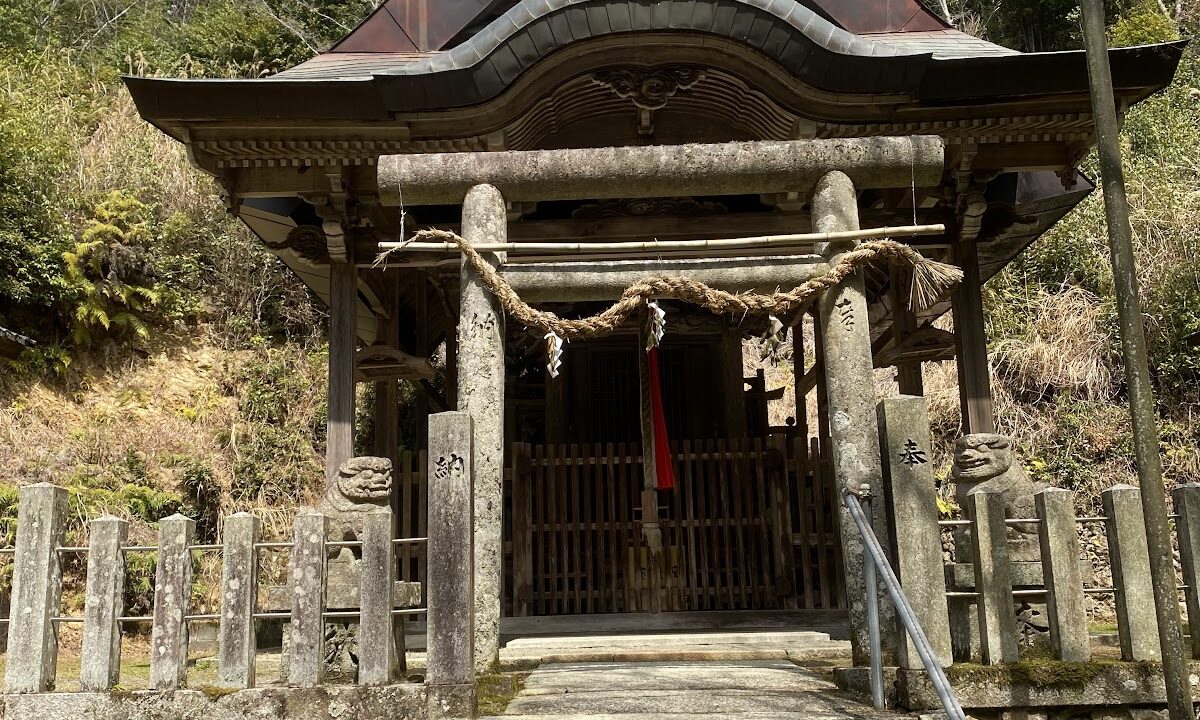
Complete Guide to Kashifune Shrine (Takatsuki City, Osaka Prefecture): History, Deities, Access, and Mythological Origins Explained in Detail
What is Kashifune Shrine?
Kashifune Shrine is a historical shrine located at 8 Kobuke, Tanō, Kashida district, Takatsuki City, Osaka Prefecture. Situated at the northernmost tip of Takatsuki City, it lies in a mountainous area near the prefectural border with Kameoka City, Kyoto Prefecture. This shrine is deeply connected to the character “Kashi” (樫), which is the origin of the place name Kashida district, and is an important presence that conveys the history and culture of the region to the present day.
Formerly a village shrine, it has been affectionately known as “Kashifune-san” by local residents. The area surrounding the shrine is a mountainous region connected to the ridge of Mt. Myōjingatake, which rises to an altitude of approximately 400 meters, and is surrounded by a rich natural environment. It also has deep connections to the myths of the development of the Kameoka Basin, and is attracting attention as a shrine where ancient beliefs and history still breathe.
Deities and Divine Status
Main Deity: Ōkuninushi-no-Mikoto
The main deity of Kashifune Shrine is Ōkuninushi-no-Mikoto (also written as Ōnamuchi-no-Mikoto). Ōkuninushi-no-Mikoto is also known as the main deity of Izumo Taisha Shrine and is widely worshipped as the god of nation-building, agriculture, commerce, and matchmaking. He is an important deity appearing in the *Kojiki* and *Nihon Shoki*, and has been revered as the god who developed the land of Japan and laid the foundation for people’s lives.
Kashifune Myōjin
Kashifune Myōjin is enshrined alongside Ōkuninushi-no-Mikoto. Kashifune Myōjin is a deity whose origins lie in a myth from ancient times when the Kameoka Basin was a lake, and a boat was built from oak wood to cultivate the lake. This myth is the origin of the name Kashifune Shrine, and it holds an important position as a pioneering deity of the region.
Enshrined Deity: Oyamakui-no-Mikoto
According to some records, Oyamakui-no-Mikoto is also enshrined here. Oyamakui-no-Mikoto is a mountain god and has been worshipped as the guardian deity of mountain forest resources. Given the mountainous location of the Kashida area, it is believed that the worship of mountain gods was closely intertwined with the lives of the people in this region.
History and Founding of Kashifune Shrine
Founding Date and Records from the Kamakura Period
The exact founding date of Kashifune Shrine is unknown, but according to a ridge beam inscription preserved at the shrine, there is a record that the villagers constructed the shrine building in Jōō 1 (1222). This falls in the early Kamakura period, indicating that it is an ancient shrine with a history of approximately 800 years.
It is said that in September of Jōō 1, the construction of the shrine building was completed by the people of Tanoshō, and two Shinto and Buddhist statues were dedicated. This record reveals the syncretic belief system of Shinto and Buddhism at the time. It can be inferred that the Tano region in the Middle Ages was under a manorial system, and that the village community played a central role in maintaining and managing the shrine.
Transition from the Medieval to the Early Modern Period
The area where Kashifune Shrine is located was formerly part of Tano Village, Kuwata District, Tanba Province, and was part of the Kameyama Domain (present-day Kameoka City, Kyoto Prefecture). Throughout the Edo period, this region belonged to the cultural sphere of Kyoto Prefecture, and therefore, the influence of the Tanba region remains strong in the shrine’s beliefs and rituals.
The Tano River flows to the east of the shrine, and it is believed that a Jinguji temple existed in the vicinity. Jinguji temples were Buddhist temples attached to shrines, and were important examples of the syncretic belief system of the Shinto-Buddhist era. Although Jinguji temples were abolished by the Meiji-era separation of Shinto and Buddhism, their traces remain in local place names and traditions.
Cross-Prefectural Merger in the Showa Era
A noteworthy event in the history of Kashifune Shrine is the 1958 (Showa 33), the first cross-prefectural merger in Japan. Kashida Village, which had previously belonged to Kyoto Prefecture, was incorporated into Takatsuki City, Osaka Prefecture. This merger changed the administrative classification of Kashifune Shrine from a Kyoto Prefecture shrine to an Osaka Prefecture shrine.
This cross-prefectural merger is attributed to factors such as better geographical access to Takatsuki city center than to the Kameoka Basin, and strong economic ties. Even today, the Kashida area borders Kyoto Prefecture as an exclave of Takatsuki City, maintaining a unique cultural identity.
The Kameoka Basin Development Myth and the Kashifune Legend
Ancient Lake Legend
The name of Kashifune Shrine originates from the Kameoka Basin Development Myth. According to this myth, in ancient times, the current Kameoka Basin was covered by a vast lake. Legend has it that the gods cooperated in a project to drain the lake water in order to develop the area into habitable land.
Construction of Oak Boats and Land Development
Legend says that during this development project, boats were built from oak wood and used for work on the lake and for transporting people. Oak wood is considered ideal for boats because it is hard, strong, and water-resistant. The myth that these oak boats were used to drain the lake water and create a fertile plain forms the core of the faith at Kashifune Shrine.
Related Shrines
Besides Kashifune Shrine, several other shrines are involved in the Kameoka Basin development myth. In particular, the group of shrines within Kameoka City, such as Uketa Shrine, Kuwata Shrine, and Kuwayama Shrine, are said to have played different roles in the development project and are deeply interconnected.
Kuwayama Shrine has a legend about clearing a mountain to drain the lake’s water, and Kuwata Shrine is said to have been involved in agricultural development after the land was cleared. These shrines are thought to be mythologizations of ancient flood control and land development projects, providing important clues to understanding the region’s history.
Origin of the Place Name Kashida
It is said that a model of an oak boat is enshrined in the main hall of Kashifune Shrine, along with a wooden statue of the deity. This oak boat is believed to be the origin of the place name “Kashida,” demonstrating a deep connection between the shrine and the local name. One theory suggests that the name “Kashida” comes from the idea that a boat made of oak wood cleared the fields, or that the fields were covered with many oak trees.
Highlights of the Shrine and Grounds
Characteristics of the Shrine
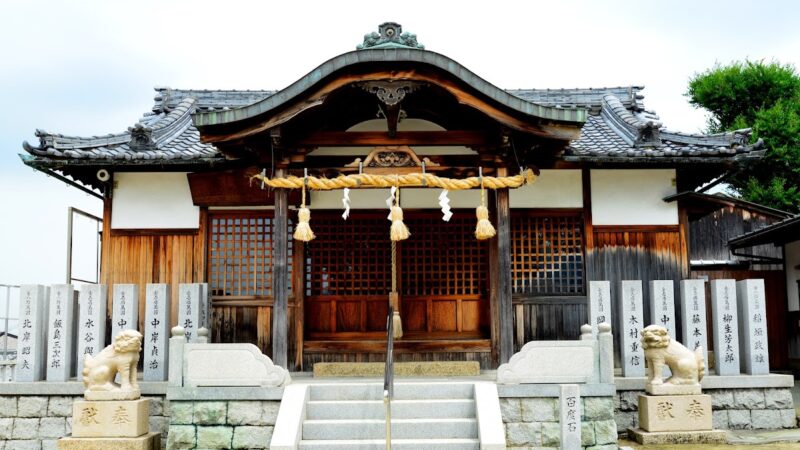
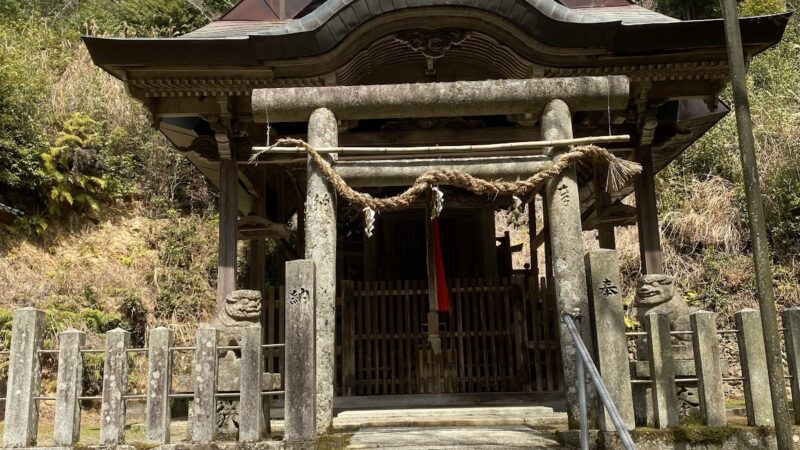
The main hall of Kashifune Shrine is built on a sloping hillside in a mountainous area, possessing a simple yet solemn atmosphere. The exact date of the current shrine’s construction is unclear, but it has been maintained through regular restorations. The main hall is believed to be a one-bay nagare-zukuri or Kasuga-zukuri style building, reflecting the traditional shrine architectural style of the region.
Inside the shrine are the aforementioned wooden statues of the deities and a model of an oak boat, which are valuable cultural artifacts that tell the story of the shrine’s history. However, they are usually not open to the public and may only be viewable during special festivals.
Natural Environment of the Shrine Grounds
The grounds of Kashifune Shrine are surrounded by abundant nature. Located on the ridge of Mt. Myojingatake, at an altitude of approximately 400 meters, the surrounding area is covered with broadleaf forests, including oak trees. The fresh greenery in spring and the vibrant autumn foliage are beautiful, allowing visitors to enjoy the changing seasons.
From the shrine grounds, there are panoramic views of the Kameoka Basin, allowing visitors to see the basin’s topography, which is said to have been a lake in ancient times. This landscape offers a valuable perspective that connects mythology with real geography.
Stone Sculptures and Monuments
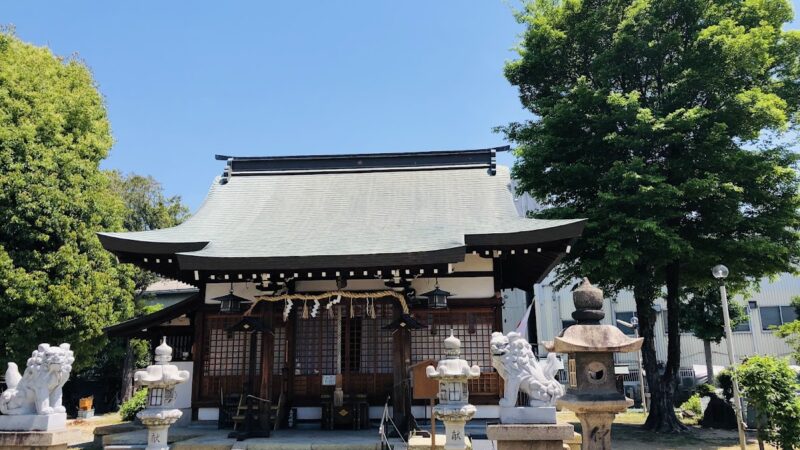
Within the shrine grounds are stone sculptures such as stone lanterns and guardian lion-dogs, donated by successive generations of parishioners and devotees. Some of these were donated from the Edo period to the Meiji period, testifying to the shrine’s history and the deep faith of the local residents.
Annual Events and Festivals
Grand Festival
At Kashifune Shrine, the Grand Festival is held every autumn. This festival is the most important annual event in the region, attracting many worshippers, including parishioners. The Shinto rituals include prayers for a bountiful harvest and peace in the community, and sometimes include the performance of Kagura (sacred dance).
Other Festivals
On New Year’s Day, worshippers visit for their first shrine visit of the year, praying for safety in the coming year. In addition, agricultural festivals such as the Kinensai (harvest festival) in spring and the Niinamesai (harvest festival) in autumn are held. These festivals are valuable opportunities to preserve the rural culture of the Kashida area.
Location and Access
Location
Address: 8 Kobuke, Tanō, Kashida-cho, Takatsuki City, Osaka Prefecture
Kashifune Shrine is located in the mountainous area at the northernmost tip of Takatsuki City, near the prefectural border with Kameoka City, Kyoto Prefecture. The surrounding area is a lush, natural rural landscape, maintaining a peaceful environment for worship.
Access by Car
The most convenient way to access Kashifune Shrine is by private car.
- From Takatsuki City Center: Take National Route 170, then Prefectural Route 6 (Ibaraki-Nose Line) north towards the Kashida area. Approximately 40 minutes.
- From Kameoka City, Kyoto Prefecture: Approximately 30 minutes via National Route 423 or Prefectural Route 407.
- Parking: There is some space around the shrine, but it is difficult for large vehicles to enter.
Access by Public Transportation
Access by public transportation is limited.
- From JR Takatsuki Station or Hankyu Takatsuki-shi Station: Take the Takatsuki City Bus “Kashida Line,” get off at the nearest bus stop, and walk for approximately 20-30 minutes.
- Bus Frequency: Buses are infrequent on both weekdays and holidays, so it is necessary to check the timetable in advance.
Points to Note When Visiting
Kashifune Shrine is located in a mountainous area, so please note the following:
- Road Conditions: There is a possibility of snow and ice in winter.
- Mobile Phone Reception: Reception may be weak in some areas.
- Clothing: Since some parts of the shrine grounds are in a natural state, comfortable walking shoes are recommended.
- Visiting Hours: The shrine office may not always be staffed, so it is necessary to check in advance if you wish to receive a Goshuin (shrine stamp).
History and Culture of the Kashida District
The Origins of Kashida Village
The Kashida district was Kashida Village in Kuwata District, Tanba Province during the Edo period. As part of the Kameyama Domain (present-day Kameoka City), it belonged to the cultural sphere of Kyoto Prefecture. The village’s economy centered on agriculture and forestry, and it formed a unique community amidst the harsh natural environment of the mountainous region.
Background of the Cross-Prefectural Merger
The cross-prefectural merger in 1958 was realized for geographical and economic reasons. While it was necessary to cross mountains to reach Kameoka city center from the Kashida district, access to Takatsuki city center was possible via relatively flat roads. Furthermore, during the period of rapid economic growth, it was expected that belonging to a larger metropolitan area would improve administrative services.
This merger attracted attention as the first municipal merger across prefectural borders in Japan and became a model case for subsequent local government reorganization.
The Modern Kashida District
The Kashida district today is known as a particularly nature-rich area within Takatsuki City. While experiencing population decline and aging, efforts are underway to revitalize the region by leveraging its rich natural environment and historical and cultural heritage. Kashifune Shrine continues to play a vital role as the center of this regional identity.
Nearby Attractions and Tourist Spots
Mount Myojingatake
Mount Myojingatake (approximately 620 meters above sea level), towering behind Kashifune Shrine, is a popular hiking destination. From the summit, you can enjoy panoramic views of the Kameoka Basin and the mountains of Tanba, offering magnificent scenery on clear days.
Tanogawa River and Natural Environment
The Tanogawa River, flowing east of the shrine, is known for its clear waters, and fireflies can be seen dancing in early summer. Along the riverside walking path, you can observe seasonal wildflowers and birds.
Related Shrines in Kameoka City
When visiting Kashifune Shrine, we also recommend the “Kameoka Basin Development Mythology Tour,” which crosses the prefectural border to visit other shrines in Kameoka City, such as Uketa Shrine, Kuwata Shrine, and Kuwayama Shrine. These shrines share interconnected myths, allowing for a comprehensive understanding of ancient beliefs and history.
Cultural Assets and Beliefs of Kashifune Shrine
Wooden Divine Statues and Kashifune Model
The wooden divine statues at Kashifune Shrine are believed to have been dedicated during the construction of the shrine building in 1222. They are valuable examples of Kamakura period divine sculptures, but detailed research and public viewing are limited.
The Kashifune model is an important document that visually conveys the history of the shrine. While the exact date of its creation is unknown, it plays a vital role in passing on local traditions to future generations.
Characteristics of Local Beliefs
The worship at Kashifune Shrine has a strong character as a deity of agriculture and pioneering, with prayers centered on abundant harvests and the prosperity of the region. Furthermore, because Okuninushi-no-Mikoto is also a god of matchmaking, worshippers also visit to pray for good relationships and family safety.
Located in a mountainous area, the worship of mountain gods is also deeply rooted, and the shrine has received reverence from people involved in hunting and forestry. Even today, it is cherished as a spiritual center for local residents.
Manners and Etiquette for Worship
Basic Worship Etiquette
When visiting Kashifune Shrine, please observe the following basic etiquette:
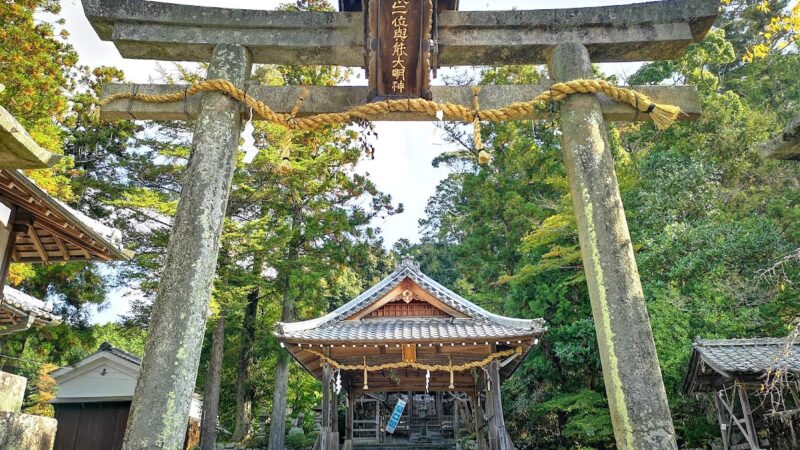
- Bow before passing through the torii gate: This shows respect for entering the sacred area.
- Purify yourself at the water basin: If there is a water basin, purify your hands and mouth.
- Avoid walking in the center of the approach to the shrine: The center is considered the path of the gods.
- Etiquette in front of the main hall: The basic procedure is two bows, two claps, and one bow.
Points to note at shrines in mountainous areas
At shrines in mountainous areas like Kashifune Shrine, the following points should be considered:
- Protection of the natural environment: Always take your trash with you and avoid harming plants and animals.
- Respectful attitude: Respect the tranquility of nature and avoid loud noises.
- Photography: Refrain from taking photos inside the shrine buildings, and take photos on the grounds with moderation.
Summary: The charm and value of Kashifune Shrine
Kashifune Shrine is a historical shrine located at the northernmost tip of Takatsuki City, Osaka Prefecture, on the border with Kyoto Prefecture. Since its founding in 1222, it has existed as a center of local faith for approximately 800 years.
The legend of Kashifune, originating from the myth of the Kameoka Basin’s development, is a mythological representation of ancient flood control and land reclamation projects, providing valuable clues to understanding the region’s history and culture. The worship of Okuninushi-no-Mikoto and Kashifune Myojin, and the faith in praying for abundant harvests and regional prosperity, has been passed down to the present day.
In the Kashida district, which was administratively reorganized from Kyoto Prefecture to Osaka Prefecture in 1958 as part of Japan’s first cross-prefectural merger, Kashifune Shrine plays a crucial role as a symbol of the region’s identity. Surrounded by a rich natural environment, the shrine grounds offer visitors a sense of tranquility and the weight of ancient history.
While access is somewhat inconvenient, this is precisely why the natural environment and the faith have been preserved. As part of a journey exploring the myths of the Kameoka Basin, or as a hidden historical spot in Takatsuki City, Kashifune Shrine is a shrine well worth visiting.
Its unique location on the border of Osaka and Kyoto prefectures, its deep connection to the myth of the Kameoka Basin’s development, its value as an ancient shrine with a history of 800 years, and its rich natural environment—all of these factors contribute to the charm of Kashifune Shrine. Why not reflect on the lives and beliefs of ancient people in this place where history and nature, myth and reality intersect?