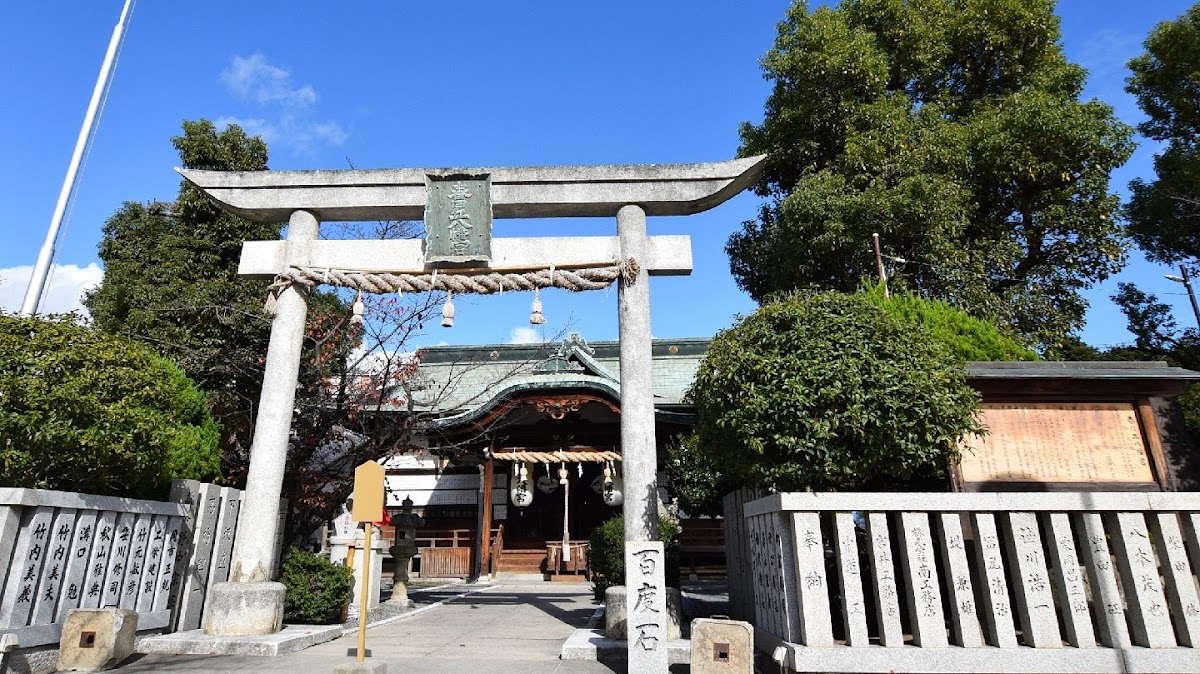
Kasugaoka Hachimangu Shrine (Ibaraki City, Osaka Prefecture) Complete Guide | History, Goshuin (Shrine Seal), Access, and Blessings Information
Kasugaoka Hachimangu Shrine, nestled in a quiet residential area of Ibaraki City, Osaka Prefecture, is a small shrine beloved by local residents. Having developed alongside the Kasugaoka area in the early Showa period, this shrine continues to be revered as the guardian deity of the region. This article provides detailed information you should know before visiting, including the history of Kasugaoka Hachimangu Shrine, its enshrined deities, goshuin information, access methods, and nearby attractions.
Basic Information about Kasugaoka Hachimangu Shrine
Kasugaoka Hachimangu Shrine is located at 4-1-44 Minami-Kasugaoka, Ibaraki City, Osaka Prefecture. Although a small shrine located in a residential area, it is cherished as the local guardian deity.
Location: 4-1-44 Minami-Kasugaoka, Ibaraki City, Osaka Prefecture 567-0046
Deity Enshrined: Hondawake-no-Mikoto (Emperor Ojin)
Shrine Rank: Village Shrine
Founded: 1937 (Showa 12)
Nearest Station: Approximately 15 minutes on foot from Osaka Monorail “Handai Byoin-mae Station”
History of Kasugaoka Hachimangu Shrine
Founded in the Early Showa Period
Kasugaoka Hachimangu Shrine is a relatively new shrine, established in 1937 (Showa 12) in conjunction with the development of the Kasugaoka residential area. At that time, residential development was booming in the Osaka suburbs, and a shrine to enshrine the local guardian deity was needed in these new towns. In the development of Kasugaoka, a Hachimangu shrine was established as a spiritual center for the residents.
Relocation to Current Location
Originally located elsewhere, the shrine was relocated in 1947 (Showa 22) to its current location in Minami-Kasugaoka 4-chome. This location is adjacent to a park near Matsuzawa Pond, and the shrine stands quietly amidst a lush green environment.
A Shrine Walking Together with the Community
From the post-war reconstruction period to the high-growth economic period and up to the present day, Kasugaoka Hachimangu Shrine has been an integral part of the lives of local residents. It has become an indispensable presence for people in the community who visit for important life events such as baby blessings, Shichi-Go-San (a traditional rite of passage for children), and exorcisms.
About the Enshrined Deity
The enshrined deity of Kasugaoka Hachimangu Shrine is Homudawake-no-Mikoto, also known as Emperor Ojin.
About Emperor Ojin (Homudawake-no-Mikoto)
Emperor Ojin is considered the 15th Emperor of Japan and is a legendary emperor recorded in the Kojiki and Nihon Shoki. His mother was Empress Jingu, and it is said that he was born on her return from the conquest of the Three Kingdoms of Korea. He is enshrined as Hachiman-jin at Hachiman shrines throughout Japan, and is worshipped as a god of war and victory, as well as a god of national protection, industrial development, and traffic safety.
Spread of Hachiman Worship
Hachiman worship has spread throughout Japan, and there are said to be approximately 44,000 Hachiman shrines nationwide. Kasugaoka Hachiman Shrine also plays a part in this Hachiman worship, functioning as a guardian deity of the region.
Benefits and Divine Virtues
The main benefits you can expect at Kasugaoka Hachiman Shrine are as follows:
- Prayers for Victory and Success: Due to its nature as a god of war, prayers are offered for success in exams, business prosperity, and victory in competitions.
- Family Safety: For the health and peaceful lives of family members.
- Protection from Evil and Disaster: To ward off bad luck and protect from disaster.
- Traffic Safety: For safe travel and protection during journeys.
- Child Rearing and Safe Childbirth: For the healthy growth of children.
- Good Fortune and Happiness: For improved luck and the arrival of happiness.
As the local guardian deity, many worshippers visit to pray for protection in all aspects of their daily lives.
Shrine Grounds
Small Shrine Grounds
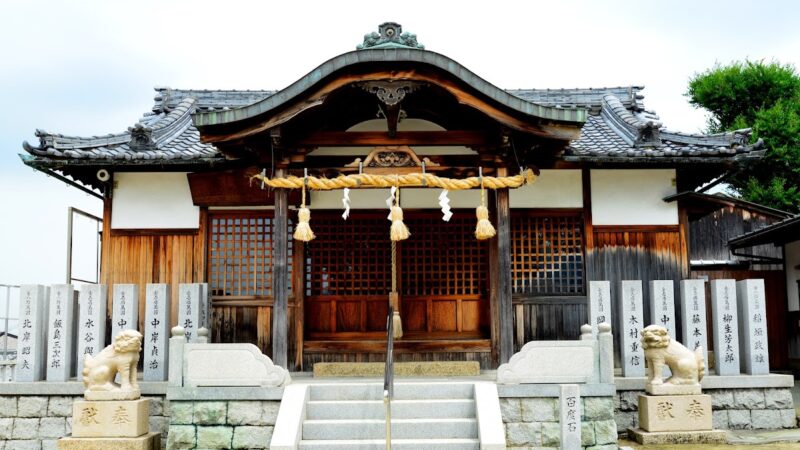
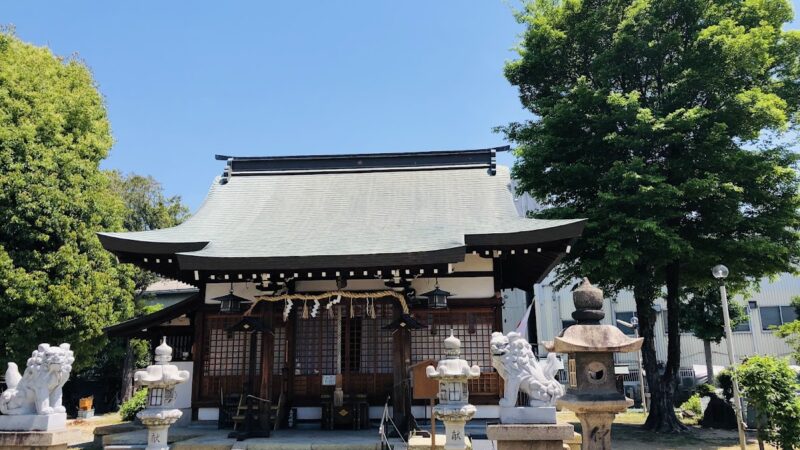
Kasugaoka Hachimangu Shrine is a small shrine located in a residential area. While not flashy, the clean grounds are carefully maintained by the local community.
Shrine Building
The main hall is simple yet elegant in its construction and is regularly maintained. The main hall is where daily worship and prayers are performed, making it the center of faith for local residents.
Surrounding Environment
The shrine is adjacent to a park near Matsuzawa Pond, surrounded by lush greenery. Many local residents visit the shrine while taking a walk, making it a shrine deeply integrated into daily life.
Goshuin (Shrine Seal) Information
Regarding the Issuance of Goshuin
Kasugaoka Hachimangu Shrine is a small shrine, so there may not be a resident priest. If you wish to receive a goshuin, it is recommended to check in advance. Since the priest may be absent during your visit, caution is advised if your purpose is to obtain a goshuin.
Regarding Goshuincho (Shrine Seal Book)
Regarding the availability of original goshuincho, it is recommended to inquire directly with the shrine.
Etiquette for Receiving a Goshuin (Shrine/Temple Stamp)
- First, complete your prayers before receiving your Goshuin.
- Prepare your Goshuincho (stamp book) (pre-printed stamps may be available).
- Prepare the offering fee (typically 300-500 yen).
- Remember to express your gratitude to the Shinto priest.
Annual Events and Festivals
Kasugaoka Hachimangu Shrine, as a local shrine, holds various events throughout the year.
Main Annual Events
- New Year’s Day Festival (January 1st): A festival celebrating the New Year
- Setsubun Festival (Early February): A ritual to ward off evil spirits by scattering beans
- Spring Grand Festival (Spring): The grand festival of spring
- Summer Purification Ceremony (June 30th): A ceremony to purify oneself of the impurities accumulated over the past six months
- Autumn Grand Festival (Autumn): The grand festival of autumn
- Shichi-Go-San Ceremony (November): A celebration of children’s growth
- Year-End Purification Ceremony (December 31st): A ceremony to purify oneself of the impurities accumulated over the past year
Specific dates may vary from year to year, so it is recommended to check in advance.
Shichi-Go-San and Shrine Visit Information
Shrine Visit
At Kasugaoka Hachimangu Shrine, a shrine visit ceremony is held to pray for the healthy growth of babies around one month old. Many families visit the shrine, which serves as the local guardian deity.
Timing: Generally, boys receive their first prayer on the 31st day after birth, and girls on the 32nd day (may vary by region).
Offering Fee: 5,000 yen and up (may vary by shrine; please confirm).
Shichi-Go-San Ceremony
Shichi-Go-San ceremonies, celebrating the growth of 3, 5, and 7-year-old children, are held mainly in November.
Timing: Mid-October to late November (often around November 15th).
Offering Fee: 5,000 yen and up (may vary by shrine; please confirm).
Prayer Reservations
As this is a small shrine, it is recommended to contact them in advance to confirm the date and time if you wish to have a prayer ceremony. Especially during the Shichi-Go-San season, crowds are expected, so early reservations are recommended.
Photography
Commemorative photos are permitted on the shrine grounds, but consideration should be given to avoid disturbing other visitors. If you wish to have professional photos taken, please check with the shrine in advance.
Access Methods
Access by Train
Using the Osaka Monorail
- Get off at “Handai Byoin-mae Station” and walk for approximately 15 minutes.
- Get off at “Toyokawa Station” and walk for approximately 20 minutes.
Using JR
- Get off at “Ibaraki Station” on the JR Kyoto Line and take a bus or taxi for approximately 15 minutes.
Access by Bus
You can use the local bus routes within Ibaraki City. The nearest bus stops are “Minami Kasugaoka” or “Kasugaoka Park-mae”. For detailed bus routes, please check the official websites of Kintetsu Bus or Hankyu Bus.
Access by Car
From Major Roads
- Approximately 10 minutes from “Ibaraki IC” on the Meishin Expressway.
- From the Central Loop Line, head towards Kasuga.
Parking
It is recommended to check in advance whether there is a dedicated parking lot for the shrine. It may be possible to use nearby public parking lots or the parking lot at Matsuzawaike Park.
Address & Map
4-1-44 Minami-Kasugaoka, Ibaraki City, Osaka Prefecture 567-0046
You can find the exact location by searching for “Kasugaoka Hachimangu Shrine” or the above address in navigation apps such as Google Maps.
Nearby Attractions & Tourist Spots
Matsuzawa Pond Park
Matsuzawa Pond, located right next to Kasugaoka Hachimangu Shrine, is a place of relaxation for local residents. A walking path surrounds the pond, making it ideal for strolling and jogging. Cherry blossoms can be enjoyed in spring, and autumn leaves in fall.
Church of Light (Ibaraki Kasugaoka Church)
The Church of Light, within walking distance of Kasugaoka Hachimangu Shrine, is one of the masterpieces of world-renowned architect Tadao Ando. The chapel, with its exposed concrete walls and light shining in the shape of a cross, is a must-see for architecture enthusiasts.
Note: As the Church of Light is a place of worship, advance reservations are required for visits. Visits may not be possible during Sunday service times. ### Osaka University Suita Campus
The vast campus of Osaka University stretches out around the area near Osaka University Hospital Station. The lush green campus is open to the public, making it a great place for a stroll.
Expo Commemoration Park
Located about 10 minutes by car or 15 minutes by train, Expo Commemoration Park is a vast park built on the site of the 1970 Osaka World Expo. It boasts numerous attractions, including the Tower of the Sun, seasonal flowers, and a Japanese garden.
Nearby Shrines and Temples
Ibaraki Shrine
Located in the heart of Ibaraki City, Ibaraki Shrine is known as the city’s guardian shrine. It’s about 10 minutes by car from Kasugaoka Hachimangu Shrine and is one of Ibaraki City’s representative shrines.
Sojiji Temple
Sojiji Temple, the 22nd temple of the Saigoku Thirty-Three Kannon Pilgrimage, is a representative ancient temple of Ibaraki City. It’s about 15 minutes by car from Kasugaoka Hachimangu Shrine.
Katsuoji Temple
Katsuoji Temple, located in Minoh City, is known as the “Temple of Good Fortune,” and countless Daruma dolls are dedicated within its grounds. It’s approximately a 20-minute drive from Kasugaoka Hachimangu Shrine.
Manners and Points for Visiting a Shrine
Basic Worship Etiquette
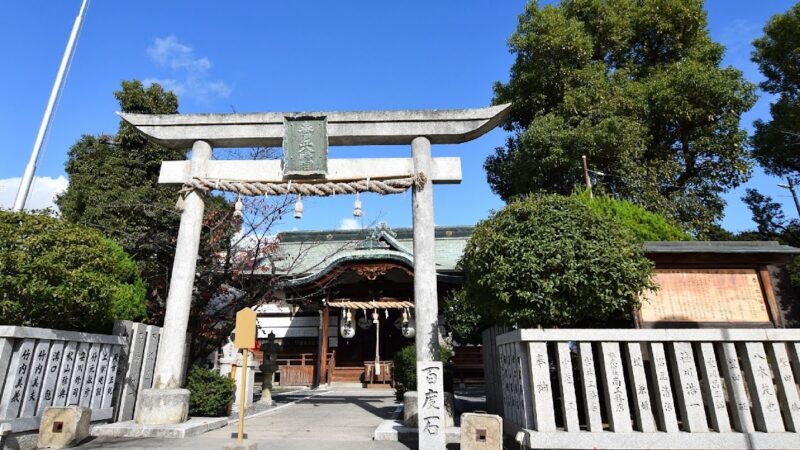
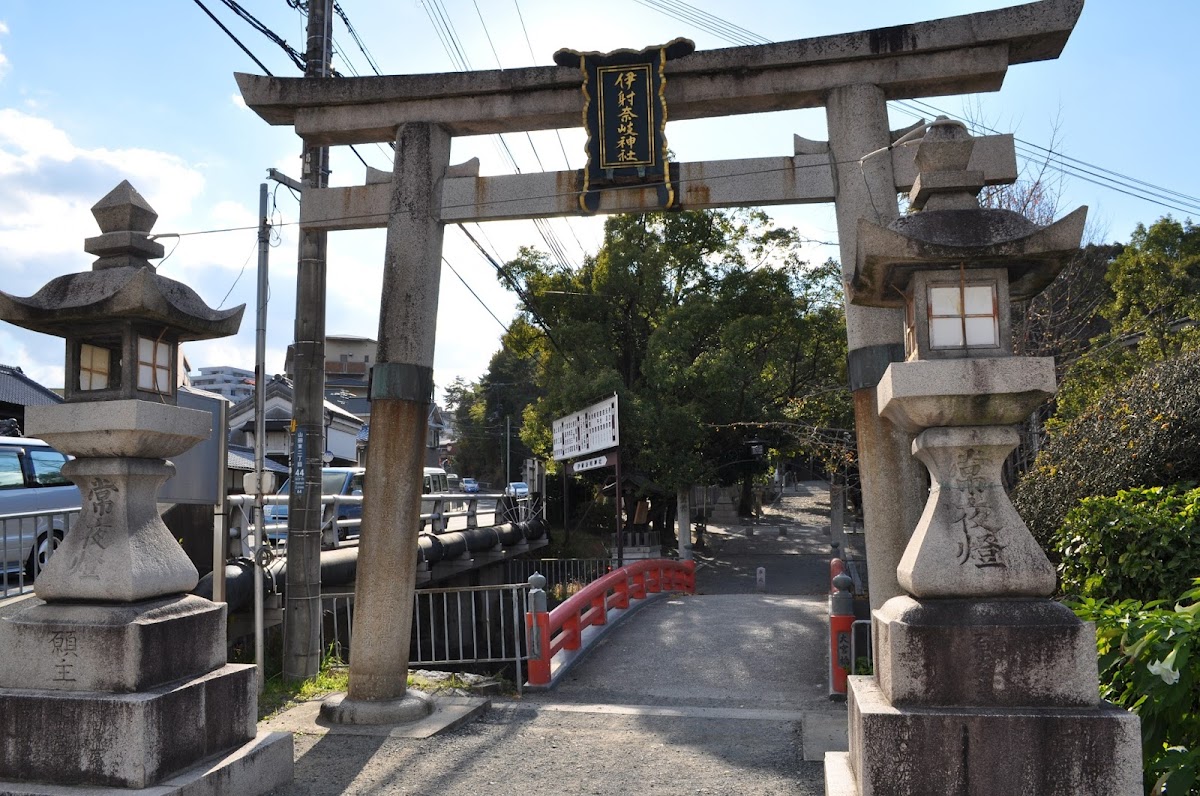
- Bow before passing through the torii gate.
- Purify your body and mind at the water basin.
- Hold the ladle in your right hand and purify your left hand.
- Switch the ladle to your left hand and purify your right hand.
- Switch the ladle back to your right hand, receive water in your left hand, and rinse your mouth.
- Finally, hold the ladle upright and purify the handle.
- Two bows, two claps, and one bow in front of the main hall.
- Bow deeply twice.
- Clap twice.
- Offer your prayers with sincerity.
- Bow deeply once.
- Bow again when leaving the torii gate.
Attire for Visiting a Shrine
Everyday clothes are acceptable, but please dress neatly. If you are receiving a prayer, slightly more formal attire is preferable.
Photography Etiquette
- Please refrain from taking photos inside the main shrine or worship hall.
- Please be considerate and avoid including other worshippers in your photos.
- Please use flash sparingly.
- You may need to consult with a Shinto priest before taking photos.
The Charm of Kasugaoka Hachimangu Shrine
A Warm, Community-Based Atmosphere
The greatest charm of Kasugaoka Hachimangu Shrine is its warm, community-based atmosphere. While it may not possess the grandeur of a large shrine, it has a friendly and approachable feel, cherished and carefully preserved by the local community.
A Quiet Environment
Located in a residential area, it is rarely crowded with tourists, making it a charming place for quiet worship. You can escape the hustle and bustle of everyday life and offer your prayers in peace.
The Nature of Matsuzawa Pond
Due to its location near Matsuzawa Pond, you can enjoy the changing seasons while visiting the shrine. Especially during the cherry blossom season in spring and the autumn foliage season, you can combine a stroll with your visit.
The Gentle and Friendly Atmosphere of the Priest
Despite being a small shrine, the gentle and approachable atmosphere of the priest is one of its charms. You will be warmly welcomed during Shichi-Go-San (a traditional Japanese rite of passage for children) and Omiyamairi (a baby’s first shrine visit).
Points to Note When Visiting
Visiting Hours
While entry to the shrine grounds is generally free, please refrain from visiting early in the morning or late at night. If you wish to have a prayer service, please contact the shrine in advance to confirm the reception hours.
Confirmation of Goshuin (Shrine Seals) and Prayers
Since there may not always be a resident priest, it is strongly recommended to contact the shrine in advance if you wish to receive a Goshuin or have a prayer service.
Confirmation of Parking
There may be limited parking spaces available, so please check in advance if you are visiting by car.
Consideration for Local Residents
As the shrine is located in a residential area, please refrain from loud conversations, noise, and other actions that may disturb the surrounding residents.
Summary
Kasugaoka Hachimangu Shrine is a community-oriented shrine located in Minami-Kasugaoka, Ibaraki City, Osaka Prefecture. Founded in the early Showa period alongside the development of Kasugaoka, it has been a place of worship for the local community for over 80 years.
Dedicated to Emperor Ojin (Homudawake-no-Mikoto), it attracts worshippers seeking protection for all aspects of daily life, including victory, family safety, protection from evil, and traffic safety. Its charm lies in its small but clean grounds, its natural surroundings near Matsuzawa Pond, and its warm, community-rooted atmosphere.
Kasugaoka Hachimangu Shrine is an indispensable presence for local residents, who visit it for life milestones such as Shichi-Go-San (a traditional rite of passage for children) and Omiyamairi (a baby’s first shrine visit). While it lacks the glamour of a tourist destination, it offers a unique tranquility and the friendly atmosphere characteristic of a local shrine.
If you are visiting Ibaraki City, or live nearby, we highly recommend paying a visit. The Church of Light, designed by Tadao Ando, is also nearby, making a visit to the shrine in conjunction with an architectural tour a great idea.
Kasugaoka Hachimangu Shrine, the guardian shrine of the region, will continue to walk alongside the people of Kasugaoka. You will surely find solace in its simple and warm atmosphere.