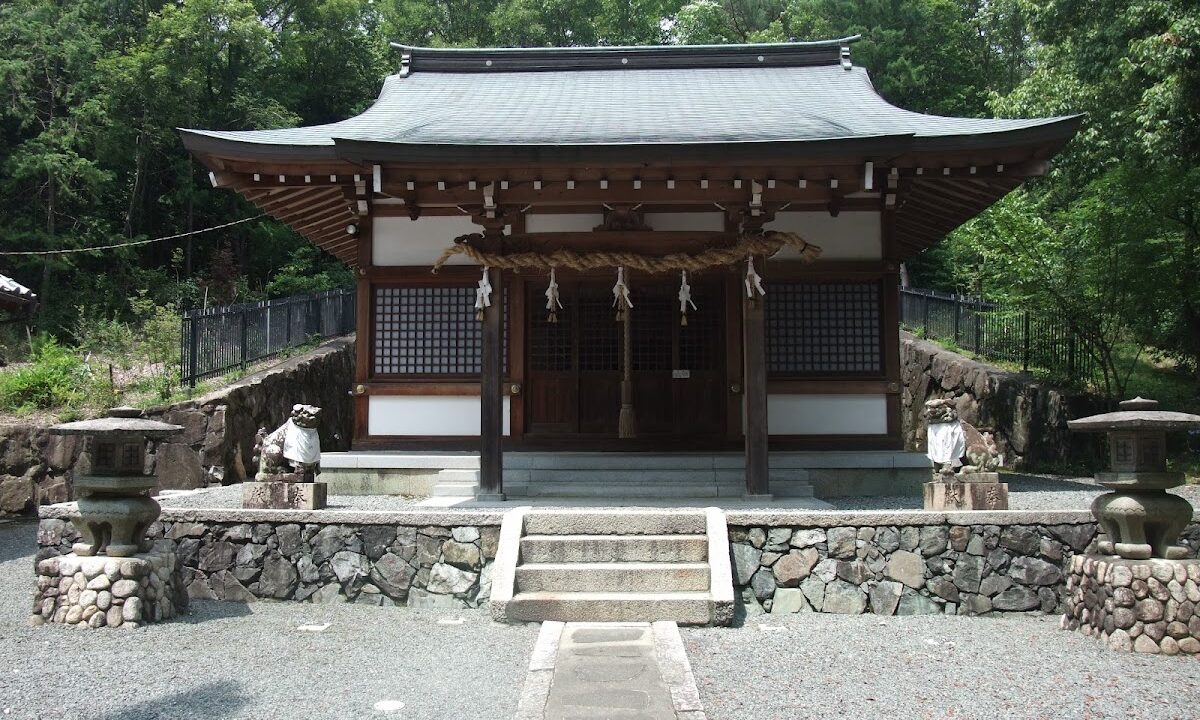
Complete Guide to Sukuku Shrine (Ibaraki City, Osaka Prefecture) | History, Goshuin (Shrine Seal), and Access Information
Sukuku Shrine, located in Shukukusho, Ibaraki City, Osaka Prefecture, is a historically significant shrine listed in the Engishiki Jinmyocho (a list of shrines compiled in the Heian period). Said to have been founded in 740 AD (Tenpyo 12), this shrine boasts a history of over 1280 years and is still revered by many as the local guardian deity. This article provides detailed information useful for visitors, including the history of Sukuku Shrine, its enshrined deities, highlights of the grounds, goshuin information, and access methods.
What is Sukuku Shrine?
Sukuku Shrine is an ancient shrine located in Shimoshimo-gun, Settsu Province, and is listed in the Engishiki Jinmyocho of the Heian period as “Sukuku Shrine, Shimoshimo-gun, Settsu Province, two deities, Kuwayuki.” It is currently located in Shukukusho 4-chome, Ibaraki City, Osaka Prefecture, with its grounds situated in a quiet residential area. ### Status as a Shikinaisha Shrine
Shrines listed in the Engishiki Jinmyocho (a list of shrines compiled in the Heian period) are called “Shikinaisha,” signifying their high status and recognition by the imperial court. Sukuku Shrine is listed as having “two seats,” indicating that it enshrines two deities. The notation “Kuwayuki” (鍬靫) suggests that the shrine was associated with agriculture and weapons, indicating its deep involvement in the development and protection of the area.
Deep Connection to the Place Name
The place name “Shukunosho,” where Sukuku Shrine is located, is thought to be closely related to the shrine’s name. “Sukuku” and “Shuku” sound similar, indicating that this region has developed around the shrine since ancient times. The history of the region and the history of the shrine are intertwined, leading to the present day.
Deities and Divine Virtues
Sukuku Shrine enshrines two deities who play important roles in Japanese mythology.
Susanoo-no-Mikoto
The principal deity, Susanoo-no-Mikoto, is a powerful god known as the younger brother of Amaterasu-Omikami. As the hero who slayed the Yamata-no-Orochi (eight-headed serpent), he is believed to offer protection against misfortune, disaster, and disease. He is also worshipped as the god of agriculture and waka poetry, possessing a multifaceted character.
Inada-hime-no-Mikoto
Inada-hime-no-Mikoto, the consort of Susanoo-no-Mikoto, is a goddess deeply connected to rice cultivation, as her name suggests. Known as the beautiful princess rescued by Susanoo-no-Mikoto from the Yamata-no-Orochi, she is believed to bestow blessings of marital harmony, matchmaking, and abundant harvests.
Divine Virtues Worshipped
At Sukuku Shrine, the following divine virtues are worshipped:
- Protection from Evil and Disaster: Protection through the immense power of Susanoo-no-Mikoto
- Expulsion of Epidemics and Healing from Illness: Purifying power as a fierce deity
- Abundant Harvest and Agricultural Prosperity: The blessings of Inada-hime-no-Mikoto and her character as an agricultural deity
- Matchmaking and Marital Harmony: Worship of Susanoo-no-Mikoto and Inada-hime-no-Mikoto as a married couple
- Family Safety and Regional Protection: Long-standing role as a tutelary deity
History of Sukuku Shrine
Founding and Ancient Form
Sukuku Shrine is said to have been founded in Tenpyo 12 (740 AD). This period corresponds to the mid-Nara period, during the reign of Emperor Shomu. At that time, Settsu Province was an important region close to the capital and was being developed, and Sukuku Shrine is thought to have been founded in conjunction with the development of this region. The fact that it is listed in the Engishiki Jinmyocho (compiled in 927) indicates that it was already recognized as an important shrine in the early Heian period. The description “two deities” suggests that it enshrined Susanoo-no-Mikoto and Inada-hime-no-Mikoto from its founding.
From the Medieval to the Early Modern Period
During the Sengoku period (Warring States period) of the medieval era, this region was affected by war, but the shrine was protected by the fervent faith of the local people. During the Edo period, it played a central role as a village shrine and was revered as the tutelary deity of Sukukusho Village.
Progress Since the Modern Era
With the reform of the shrine system during the Meiji era, Sukuku Shrine was ranked as a village shrine. Subsequently, along with the development of the region, the shrine grounds were improved, leading to its current form. Even as times changed from Showa to Heisei and Reiwa, it continues to fulfill its role as a shrine beloved by the local people.
Highlights of the Shrine Grounds
Torii Gate and Approach
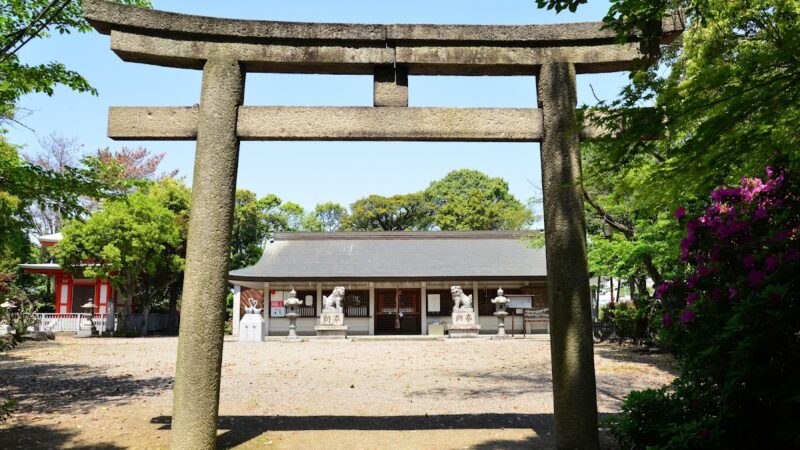
Upon entering the grounds of Sukuku Shrine, visitors are greeted by a magnificent torii gate. Despite being located in a residential area, passing through the gate evokes a sense of tranquility, a feeling of entering a sacred space. The approach is well-maintained, allowing visitors to proceed to the main shrine while appreciating the changing seasons.
Worship Hall and Main Shrine
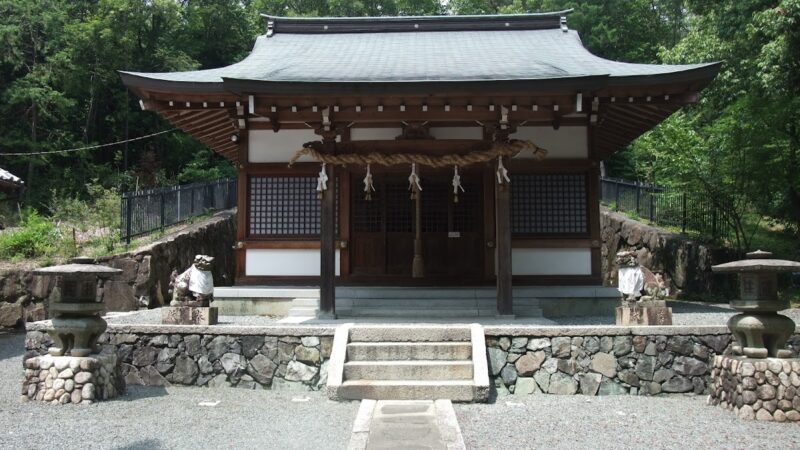
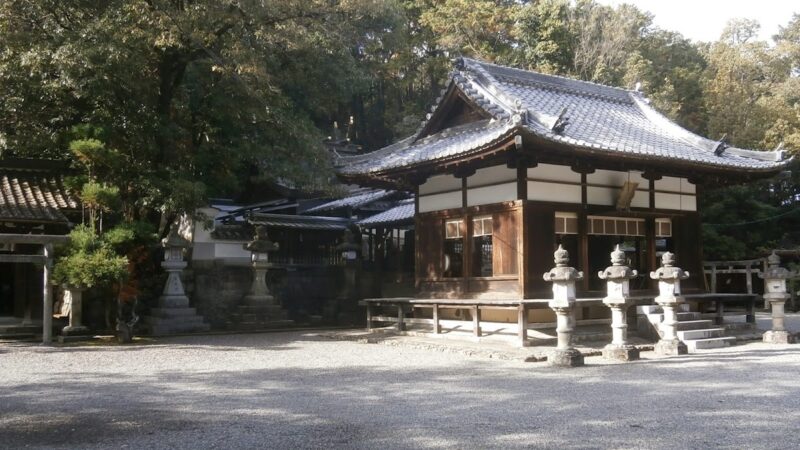
The worship hall is a place where worshippers offer their prayers and is carefully maintained. Beyond it lies the main shrine, where the enshrined deity resides. The architectural style follows traditional shrine architecture, exuding a sense of historical weight.
Subsidiary Shrines and Stone Monuments
In addition to the main shrine, the grounds also contain subsidiary shrines and smaller shrines, demonstrating faith in various deities. Furthermore, stone monuments and memorials remain, providing clues to the shrine’s history and the changes in the surrounding area.
Natural Environment
The shrine grounds are planted with trees, maintaining a lush green space even amidst increasing urbanization. The grounds, which display different expressions with each season, offer visitors healing and peace.
Goshuin (Shrine Seal) Information
Regarding the Issuance of Goshuin
While it may be possible to receive a goshuin at Sukuku Shrine, it is recommended to check in advance as there may not always be a permanently staffed shrine office. As it is a shrine of high status (a Shikinaisha), the goshuin will generally include inscriptions such as “Shikinai Sukuku Shrine.”
Guidelines for Receiving a Goshuin
A goshuin is proof of worship, not a stamp rally. First, worship with sincerity, offering gratitude and prayers to the deities before receiving a goshuin. It is important to bring your goshuincho (goshuin notebook) and request it using polite language.
Annual Events and Festival
Annual Festival (October 16th)
The annual festival of Sukuku Shrine is held every year on October 16th (or October 15th). This is the most important festival for the shrine, where gratitude for the past year is offered to the gods and prayers are offered for peace and prosperity in the community. Parishioners and local residents gather, and traditional Shinto rituals are solemnly performed.
Other Annual Events
Similar to other shrines, various Shinto rituals are likely to be held throughout the year, such as the New Year’s Day Festival, the Setsubun Festival, and the Summer Purification Ceremony. If you wish to participate, it is recommended that you check the information of the shrine and local community in advance.
Access Information
Access by Train
The nearest station is Toyokawa Station on the Osaka Monorail Saito Line.
- Approximately 10-15 minutes on foot from Toyokawa Station
- Exit the station and head northwest, passing through the residential area to reach the shrine.
Access by Bus
You can also use buses operating within Ibaraki City, such as Hankyu Bus. The nearest bus stop may be “Shukukusho”. Please check the latest service information on each bus company’s official website.
Access by Car
Location: 4-chome, Shukukusho, Ibaraki City, Osaka Prefecture
- Approximately 15 minutes from the Meishin Expressway “Ibaraki IC”
- Approximately 20 minutes from the Chugoku Expressway “Ibaraki IC”
- Please enter “Sukuku Shrine” or the address into your car navigation system.
Parking: There may be parking spaces for visitors on the shrine grounds, but these are expected to be limited. Since the surrounding area is a residential area, please avoid street parking and observe proper etiquette when visiting.
Landmarks in the Area
Although located in a residential area, this shrine is widely known to local residents. If you get lost, locals will kindly guide you.
Manners and Etiquette for Visiting a Shrine
Basic Etiquette for Visiting a Shrine
- Bow Before Entering the Shrine Grounds: Before entering the shrine grounds, bow before the torii gate.
- Purify Yourself at the Water Basin: If there is a water basin, purify your left hand, then your right hand, then your mouth.
- Walking Along the Path: The center of the path is considered the path of the gods, so walk along the sides.
- Worship at the Main Hall: Worship using the two bows, two claps, and one bow ritual.
- Bow Upon Exit: When leaving the shrine grounds, turn around and bow after passing through the torii gate.
Clothing and Items to Bring When Visiting a Shrine
There are no specific dress code requirements, but it is desirable to wear clean and subdued clothing, keeping in mind that it is a sacred place. Avoid excessive exposure, even in summer. If you wish to receive a goshuin (shrine stamp), please remember to bring your goshuincho (stamp book).
Nearby Shrines and Temples
Besides Sukuku Shrine, Ibaraki City has many other historical shrines and temples.
Ibaraki Shrine
Located in the heart of Ibaraki City, Ibaraki Shrine is one of the most visited shrines in the city. Visiting it along with Sukuku Shrine is highly recommended.
Soji-ji Temple
Known as the 22nd temple of the Saigoku Thirty-Three Kannon Pilgrimage, Soji-ji Temple is a representative ancient temple of Ibaraki City. It is about a 15-minute drive from Sukuku Shrine.
Kasuga Shrine
Several shrines in Ibaraki City hold the same status as Sukuku Shrine as Shikinaisha (shrines listed in the Engishiki). History buffs may find a tour of these Shikinaisha interesting.
The Charm of Sukuku Shrine
A Tranquil Space in the City
Despite being in the large metropolitan area of Osaka, the grounds of Sukuku Shrine are enveloped in tranquility. It is a precious space where you can escape the hustle and bustle of everyday life and pray in peace.
The Weight of Over 1280 Years of History
From its founding in the Tenpyo era to the present day, Sukuku Shrine has walked hand in hand with the local community. The faith and traditions cultivated over its long history hold great significance for us living today.
Status as a Shikinaisha Shrine
There are said to be approximately 3,000 Shikinaisha shrines listed in the Engishiki Jinmyocho (a list of shrines compiled in the Heian period) throughout Japan, but those in Settsu Province are considered to have particularly high historical value. Sukuku Shrine is one of them and occupies an important position in the study of shrine history.
A Faith Rooted in the Community
Sukuku Shrine, which has been loved by the local people as their tutelary deity, is also a central presence in the local community. Through festivals and events, it serves as a place for intergenerational exchange.
Nearby Tourist Attractions
Expo Commemoration Park
Expo Commemoration Park, located about 20 minutes by car from Sukuku Shrine, is a vast park built on the site of the 1970 Osaka World Expo. You can enjoy the Tower of the Sun and the changing seasons. ### Saito Area
The area around Toyokawa Station, the nearest station, is a newly developed town called Saito. It boasts numerous shopping facilities and restaurants, making it convenient for meals and rest after visiting the shrine.
Ibaraki City Cultural Properties Museum
This facility allows visitors to learn about the history of Ibaraki City, and exhibits include cultural properties within the city, including Sukuku Shrine. Visiting it in conjunction with a shrine visit will allow for a deeper understanding of the local history.
Visitor Feedback
Visitors to Sukuku Shrine have commented, “It’s a quiet shrine nestled in a residential area, and it’s very calming,” “You can feel the weight of history as a Shikinaisha (a shrine listed in the Engishiki),” and “You can sense the atmosphere of it being cherished by the local people.” Unlike large-scale tourist shrines, the warmth and sense of history unique to a community-based shrine are highly valued by many visitors.
Photography and Worship Etiquette
Regarding Photography
Photography is generally permitted on the shrine grounds, but there are places and situations where photography is restricted, such as inside the main hall or during Shinto rituals. Please check before taking photos and be considerate of other worshippers. When posting on social media, care must be taken not to detract from the dignity of the shrine.
Respectful Worship
Shrines are places of prayer. Please refrain from loud conversations and noisy behavior, and worship quietly. Especially during festivals and Shinto rituals, it is important to respect the solemn atmosphere.
Summary
Sukuku Shrine is a historically significant shrine located in Ibaraki City, Osaka Prefecture. Since its founding in 740 AD (Tenpyo 12), it has been revered by the local people for over 1280 years. It enshrines Susanoo-no-Mikoto and Inada-hime-no-Mikoto as its deities and is worshipped as a shrine with diverse divine blessings, including protection from evil, abundant harvests, and matchmaking. Amidst the rapidly urbanizing city of Osaka, the tranquil grounds of Sukuku Shrine offer a precious space for those seeking peace of mind. Combining the prestige of a Shikinaisha (a shrine listed in the Engishiki, an ancient Japanese legal code) with the approachable nature of a local guardian deity, Sukuku Shrine is beloved by a wide range of people, from history enthusiasts to locals.
Its convenient location, within walking distance of Toyokawa Station on the Osaka Monorail Saito Line, is another attractive feature. When visiting Ibaraki City, be sure to stop by Sukuku Shrine and experience the sacred atmosphere cultivated over its long history. A heartfelt visit will surely bring you a refreshing feeling and renewed energy.
With its historical value as a Shikinaisha, the powerful deities enshrined there, Susanoo-no-Mikoto and Inada-hime-no-Mikoto, and the warm faith rooted in the community, Sukuku Shrine, where these elements merge, remains a shrine worth visiting even today, and will continue to be cherished by many people for years to come.