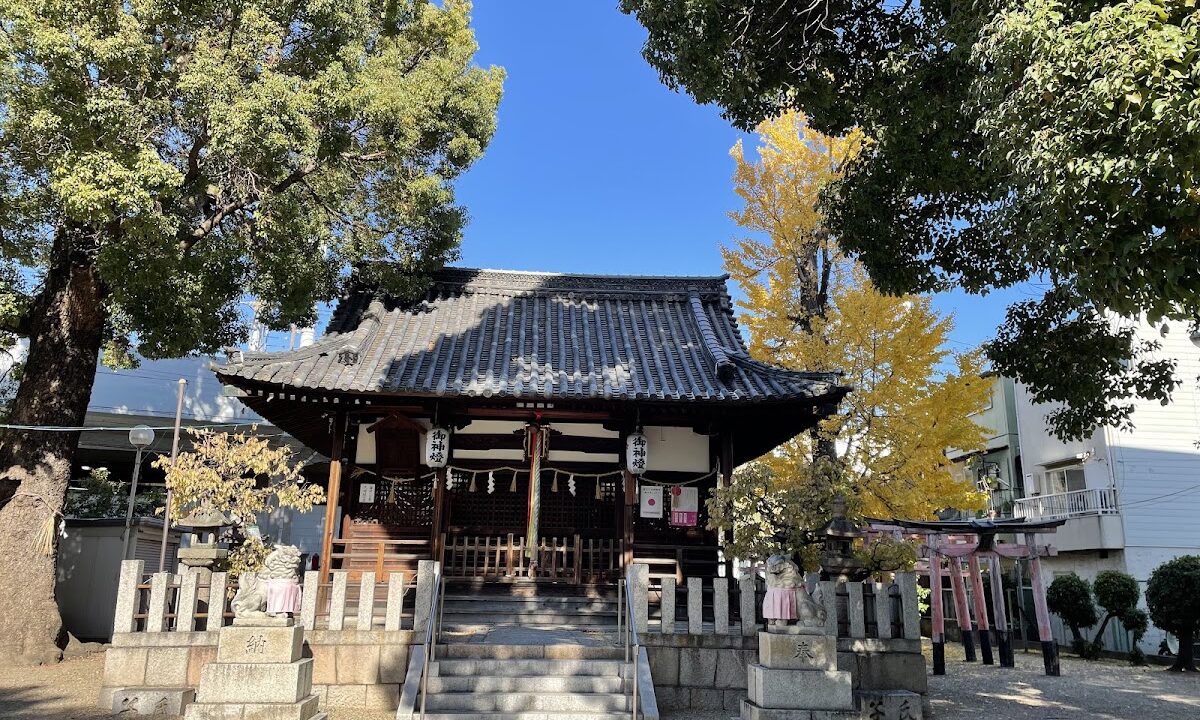
Shimagashira Tenmangu Shrine (Kadoma City, Osaka Prefecture) Complete Guide | History, Goshuin (Shrine Seal), Access, and Festival Information
Shimagashira Tenmangu Shrine, located in Kamijima-cho, Kadoma City, Osaka Prefecture, is a Tenmangu shrine dedicated to Sugawara no Michizane, known as the god of learning. Despite its convenient location just a 4-minute walk from Kayashima Station on the Keihan Main Line, it is a quiet and peaceful shrine, beloved by both locals and many other visitors.
This article comprehensively introduces information you should know before visiting Shimagashira Tenmangu Shrine, including its history, enshrined deity, goshuin (shrine seal), access methods, and annual events.
Basic Information about Shimagashira Tenmangu Shrine
Official Name: Shimagashira Tenmangu Shrine
Location: 42-27 Kamijima-cho, Kadoma City, Osaka Prefecture 571-0071
Deity Enshrined: Sugawara no Michizane
Former Shrine Rank: Village Shrine
Telephone Number: 072-881-3491
Nearest Station: Kayashima Station, Keihan Main Line (approximately 4 minutes on foot from the west exit, about 200m)
Shimagashira Tenmangu Shrine is located in the heart of Kadoma City and has a long history as the local guardian shrine. The shrine grounds are well-maintained, providing a clean and peaceful space for worship.
History and Origins of Shimagashira Tenmangu Shrine
Circumstances of Founding
The exact founding date of Shimagashira Tenmangu Shrine is uncertain, but records indicate that it already existed during the Kan’ei era (around 1624), when Nagai Naomasa was the lord of the area. This corresponds to the early Edo period, confirming a history of at least nearly 400 years.
From Musuna Shrine to Shimagashira Tenmangu Shrine
Interestingly, the shrine was originally called “Musuna Shrine.” It was long known and cherished in the community as Musuna Shrine, but in 1976 (Showa 51), it was renamed to its current name, “Shimagashira Tenmangu Shrine.”
This renaming is thought to have been done to clearly identify the enshrined deity, Sugawara no Michizane, and to more clearly define its character as a Tenmangu shrine. Even now, about 50 years after the renaming, some local elders may still refer to it by its old name.
Connections to the Community
The place name Shimagashira is thought to originate from the fact that this area was once a sandbar or island-like landform in the Yodo River or Furukawa River. The Kadoma City area was a region where water transport flourished, and Shimagashira Tenmangu Shrine has attracted the faith of local residents as a guardian deity of the waterfront and as a god of learning.
About the Deity: Sugawara no Michizane
About Sugawara no Michizane
The deity enshrined at Shimagashira Tenmangu Shrine is Sugawara no Michizane. Sugawara no Michizane was a nobleman, scholar, and politician of the Heian period. He was born in Kyoto in 845 (Jōwa 12) and died in Dazaifu in 903 (Engi 3).
Known as an excellent scholar, he displayed outstanding talent in Chinese poetry and Japanese poetry from a young age and served the imperial court as a scholar of literature. He rose to the position of Minister of the Right, but was demoted and exiled to Dazaifu due to a conspiracy by the Fujiwara clan, where he spent the rest of his life.
Faith as the God of Learning
The reason why Sugawara no Michizane came to be revered as the “God of Learning” is due to his exceptional scholarship and the belief that various natural disasters that occurred after his death were caused by his vengeful spirit, leading the imperial court to enshrine him as a god.
Currently, he is widely worshipped at Tenmangu and Tenjin shrines throughout Japan as the god of academic success and passing exams. At Shimagashira Tenmangu Shrine, many students and their parents visit during exam season.
Divine Virtues
The main divine virtues you can pray for at Shimagashira Tenmangu Shrine are as follows:
- Academic Success/Prayer for Passing Exams: Passing exams, improving academic ability
- Literary Improvement: Improvement of calligraphy and writing skills
- Protection from Misfortune and Disaster: Protection from various calamities
- Sincerity: Cultivation of a sincere heart
Highlights of the Shrine Grounds
Main Hall
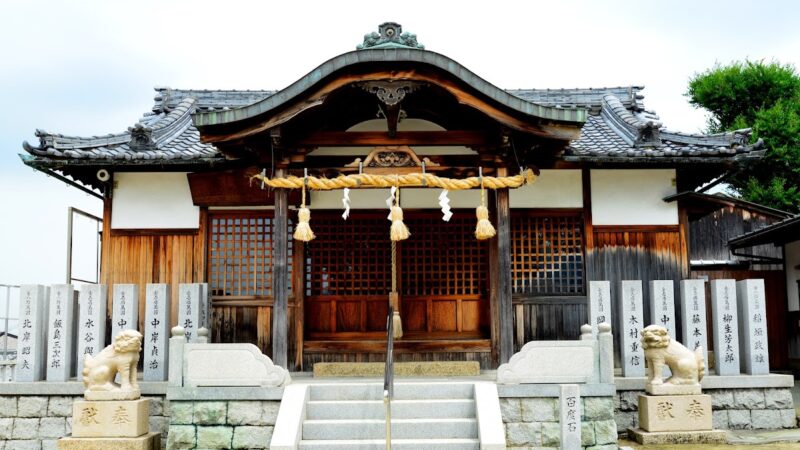
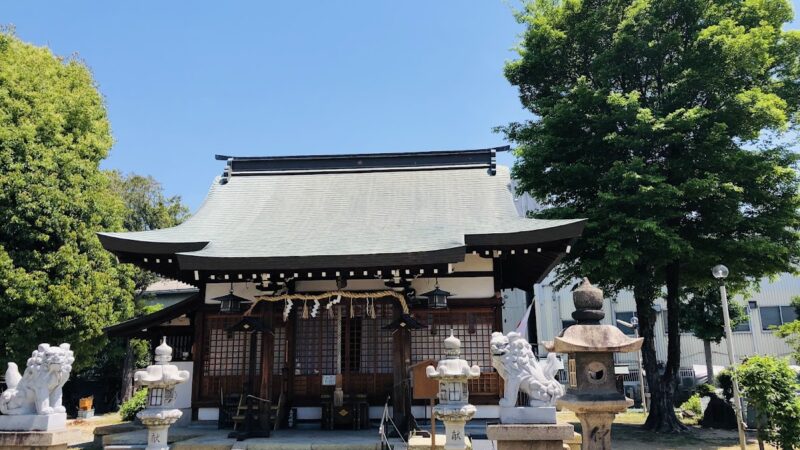
The main hall of Shimagashira Tenmangu Shrine is built in the traditional style of shrine architecture and enshrines Sugawara no Michizane. In front of the main hall is the worship hall, where visitors pray using the two bows, two claps, and one bow ritual.
Atmosphere of the Shrine Grounds
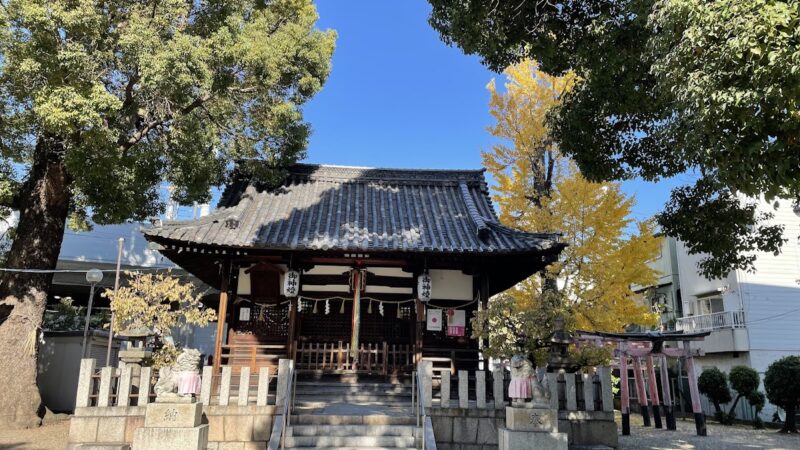
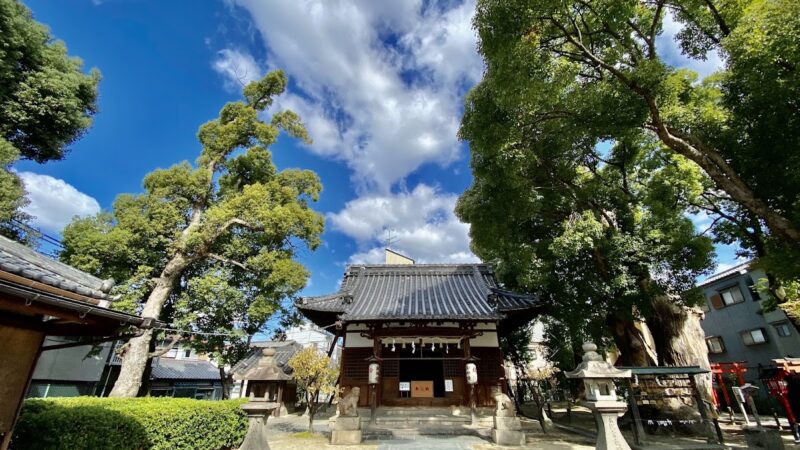
Although located in a residential area, the shrine grounds are a tranquil space surrounded by trees. While relatively compact for an urban shrine, it is well-maintained, allowing for a refreshing and peaceful visit.
The shrine grounds also have a water basin for purification before worship. Goshuin (shrine stamps) are also available at the shrine office.
Nadeushi (Petting Cow)
Check if there is a Nadeushi (Petting Cow), a common sight at many Tenmangu shrines, on the grounds during your visit. Nadeushi are an essential part of Tenmangu shrines due to the deep connection between Sugawara no Michizane and cows. There is a belief that stroking the same part of the cow as the part of your own body that is ailing will bring healing.
Goshuin Information
About Goshuin Receipt
Goshuin (shrine stamps) are available at Shimagashira Tenmangu Shrine. Goshuin are proof of your visit and an important memento of your connection to the shrine.
Location of Issuance: Shrine Office
Offering Fee: Usually around 300-500 yen (subject to change)
Reception Hours: During shrine office hours (we recommend calling ahead to confirm)
Goshuin Design
The goshuin (shrine stamp) of Shimagashira Tenmangu Shrine features the calligraphy of “Shimagashira Tenmangu” and the shrine’s seal. Its simple yet dignified design makes it a worthwhile addition to any goshuincho (stamp book) collection.
About Goshuincho
Please inquire at the shrine office during your visit to see if they have original goshuincho available. You are also welcome to bring your own goshuincho.
Manners for Receiving a Goshuin (Temple/Shrine Stamp)
When receiving a Goshuin, please observe the following manners:
- First, complete your prayers before receiving the Goshuin.
- Politely say “I would like a Goshuin, please” at the shrine office.
- Open your Goshuin book and indicate the page you would like it written on.
- Have small change ready for the offering.
- Wait quietly while the Goshuin is being written.
- After receiving it, say “Thank you.”
Detailed Access Information
Access by Train
The nearest station to Shimagashira Tenmangu Shrine is Kayashima Station on the Keihan Main Line.
From Kayashima Station on the Keihan Main Line
- Approximately 4 minutes on foot from the west exit (approximately 200 meters)
- Proceed straight west after exiting the station
- As it is located in a residential area, using a smartphone map app is recommended.
Travel time from major stations:
- From Kyobashi Station: Approximately 15 minutes by Keihan Main Line semi-express or local train
- From Yodoyabashi Station: Approximately 25 minutes by Keihan Main Line
- From Hirakata-shi Station: Approximately 10 minutes by Keihan Main Line local train
Access by car
From major roads:
- Approximately 5 minutes from National Route 163
- Approximately 10 minutes from the Daini Keihan Expressway, Kadoma IC
Parking: It is recommended to check in advance whether there is a dedicated parking lot on the temple grounds. There are also coin-operated parking lots nearby.
Landmarks in the surrounding area
The area around Kayashima Station is a residential area, and Shimagashira Tenmangu Shrine is located in a quiet residential area. The route from the station is relatively easy to follow, but first-time visitors should use a navigation app such as Google Maps to be sure.
Annual Events and Festivals
Shimogashira Tenmangu Shrine holds various festivals throughout the year.
Saorake Festival (May 16th)
Date: May 16th every year
Content: An important festival held as the spring annual festival. This festival, with its unique name “Saorake,” is a valuable event that conveys the region’s traditions to the present day.
Autumn Festival (October 15th)
Date: October 15th every year
Content: A festival to give thanks for the autumn harvest and pray for the prosperity of the region. Local residents gather, and traditional rituals are performed.
New Year’s Visit and Events
Many worshippers visit the shrine in the new year to pray for safety and happiness throughout the year. Students praying to Sugawara no Michizane, the god of learning, for academic success in the new year can also be seen.
Tenjin Festival Related Events
Special Shinto rituals may be held on June 25th, the anniversary of Sugawara no Michizane’s death, and during the Tenjin Festival period. Please contact the shrine directly for details.
Manners and Etiquette for Worship
Basic Worship Etiquette
By observing the correct worship etiquette at the shrine, you can have a more heartfelt visit.
When passing through the torii gate:
- Bow before passing through
- Walk along the edge of the path, as the center is the path for the gods.
How to purify yourself at the water basin:
- Hold the ladle in your right hand and purify your left hand.
- Switch the ladle to your left hand and purify your right hand.
- Switch the ladle back to your right hand, receive water in your left hand, and rinse your mouth.
- Purify your left hand again.
- Hold the ladle upright, purify the handle, and return it to its original position.
Worship at the main hall:
- Bow slightly in front of the offering box.
- Gently place your offering in the box.
- Ring the bell if there is one.
- Perform the two bows, two claps, and one bow ritual (bowing deeply twice, clapping twice, bowing deeply once).
- Recite your wish silently in your heart.
Nearby Shrines and Temples
There are other shrines and temples you can visit around Shimagashira Tenmangu Shrine.
Kayashima Shrine
This shrine is located about a 5-minute walk from Shimagashira Tenmangu Shrine. It’s also located in Kadoma City, and many people visit both shrines together.
Temples and Shrines in Kadoma City
Kadoma City has many other historical temples and shrines scattered throughout, making it a great place for shrine hopping. For those with ample time, a “Goshuin pilgrimage” (visiting multiple shrines to collect Goshuin stamps) is highly recommended.
Prayers and Blessings at Shimagashira Tenmangu Shrine
Academic Success and Passing Exams
The most representative blessing of Shimagashira Tenmangu Shrine is, of course, academic success and passing exams, as it is dedicated to the god of learning. During exam season, many students preparing for high school and university entrance exams, and their parents, visit the shrine.
You can write your desired school name and your own name on an ema (votive tablet) and offer it, or receive a protective amulet, which can serve as encouragement for your studies.
Protection from Misfortune and Good Fortune
Sugawara no Michizane is also worshipped as a god who protects against misfortune. Many people visit the shrine at important junctures in their lives or during difficult times, praying for protection from misfortune and good fortune.
Family Safety and Business Prosperity
As the local guardian deity, the shrine also accepts prayers for family safety and business prosperity. Local residents can be seen visiting the shrine regularly, praying for daily peace and tranquility.
Attire and Items to Bring When Visiting
Attire
While there are no specific dress code requirements for visiting the shrine, it’s important to dress neatly and respectfully, as you are visiting to pay your respects to the gods.
- Avoid revealing clothing.
- Shoes are preferable to sandals.
- Remove your hat before passing through the torii gate.
Items to Bring
- Goshuincho: For receiving Goshuin (temple/shrine stamps).
- Small change: For offerings and donations.
- Camera: For taking photos within the shrine grounds (be aware of areas where photography is prohibited).
- Writing utensils: For writing wishes on ema (votive tablets).
The Charm of Shimagashira Tenmangu Shrine
A Quiet Environment for Worship
A major charm of Shimagashira Tenmangu Shrine is that, despite being located in an urban area, it offers a quiet and peaceful environment for worship. Unlike large tourist shrines, it is not crowded, allowing you to worship at your own pace.
A Shrine Rooted in the Community
With a history of nearly 400 years, this shrine has been cherished by local residents. You can feel how it is a place of worship and an integral part of the lives of the local people.
Easy Access
Located just a 4-minute walk from Kayashima Station on the Keihan Main Line, it’s easily accessible from Osaka City. It’s also an ideal stopover when visiting Kadoma City.
Notes for Visitors
Visiting Hours
While entry to the shrine grounds is generally unrestricted, the issuance of Goshuin (shrine stamps) and prayers at the shrine office have limited hours. If you want to be sure to receive a Goshuin, it’s recommended to call ahead to confirm.
Photography
Photography is generally permitted on the shrine grounds, but please observe the following points:
- Do not take photos in areas where photography is prohibited, such as inside the main hall.
- Be considerate of other worshippers.
- Refrain from using flash.
- When posting on social media, be careful not to include other worshippers in your photos.
Manners on the Shrine Grounds
- Do not speak loudly.
- Do not run.
- Take your trash with you.
- Respect the no-smoking areas.
- If you are accompanied by a pet, please follow the shrine’s rules.
Contacting Shimagashira Tenmangu Shrine
For detailed information regarding worship, prayer reservations, and event schedules, please contact the shrine directly.
Phone Number: 072-881-3491
Address: 42-27 Kamijima-cho, Kadoma City, Osaka Prefecture 571-0071
We recommend making phone inquiries during the shrine office’s opening hours. Generally, the hours are from 9:00 AM to around 5:00 PM, but this varies depending on the shrine, so confirmation is necessary.
Summary
Shimagashira Tenmangu Shrine is a historic Tenmangu shrine located in Kadoma City, Osaka Prefecture. It enshrines Sugawara no Michizane, the god of learning, and is known for various blessings, including academic success, passing exams, protection from evil, and family safety.
With a long history dating back to the Kan’ei era, it was originally called Ubusuna Shrine, but was renamed Shimagashira Tenmangu Shrine in 1976. Its convenient location, just a 4-minute walk from Kayashima Station on the Keihan Main Line, and its peaceful environment make it an attractive place for worship.
Throughout the year, events such as the Saorake Festival on May 16th and the Autumn Festival on October 15th are held, making it a beloved center of local faith. Goshuin (shrine stamps) are also available, and an increasing number of people visit as part of a goshuin pilgrimage.
Shimagashira Tenmangu Shrine is a place of solace for local residents, and many students visit it during exam season to pray for success. If you’re ever in Kadoma City, why not pay a visit? The time you spend calming your mind in the tranquil grounds and praying to Sugawara no Michizane will surely be a memorable experience.