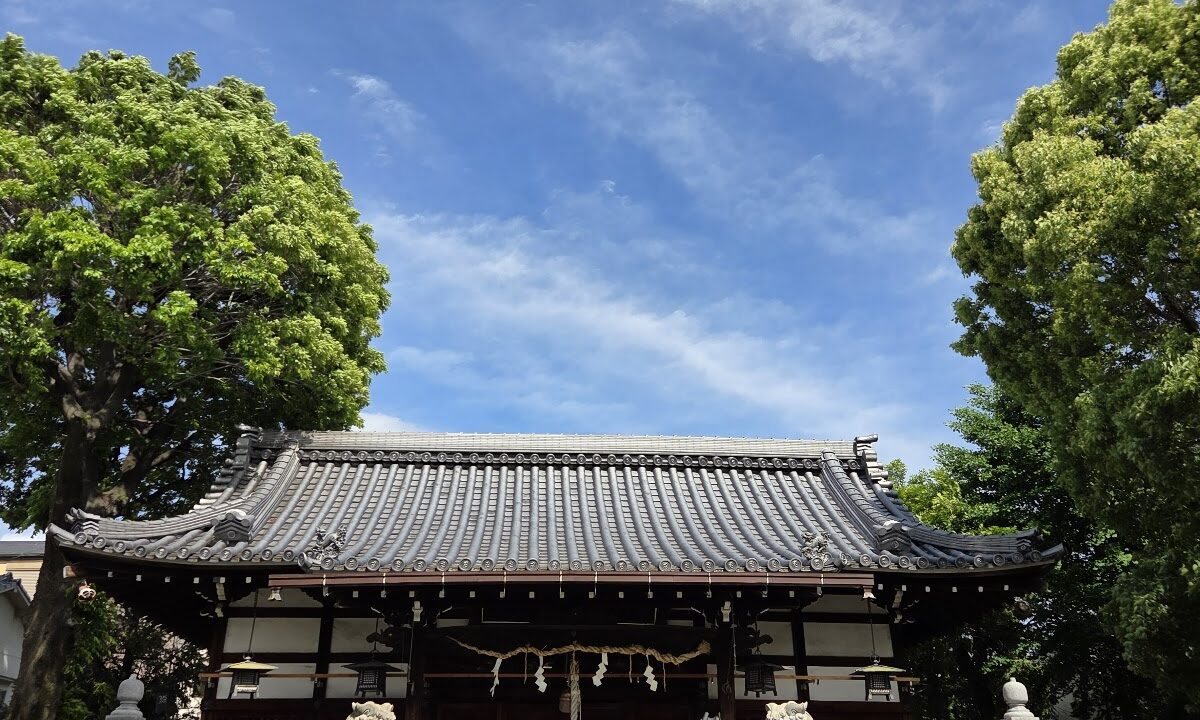
Complete Guide to Yugi Shrine (Yao City, Osaka Prefecture) | History, Benefits, and Access Information for the Shrine on the Site of Yugi Palace
Yugi Shrine, located in Yaogi-kita, Yao City, Osaka Prefecture, is a historical shrine built on the site of Yugi Palace, a detached palace of Empress Shotoku during the Nara period. It has long been revered as the local tutelary deity, and visitors come to pray for good health in their legs and backs. This article provides a detailed explanation of Yugi Shrine’s historical background, enshrined deities, benefits, access methods, and festival events.
Basic Information about Yugi Shrine
Location
Address: 5-172 Yaogi-kita, Yao City, Osaka Prefecture 581-0016 (Some sources list 174)
Yugi Shrine is located in the Yaogi district, in the northern part of Yao City. This region belonged to Wakae District in Kawachi Province in ancient times and was the base of the Yuge clan, a family that made bows for a living. The area was situated along the former course of the Yamato River and flourished as a transportation hub from ancient times.
Deities Enshrined
Yugi Shrine enshrines two deities:
- Susanoo-no-Mikoto: A heroic deity from Japanese mythology, known as the god of protection against misfortune and disease.
- Sukunahikona-no-Mikoto: A small deity worshipped as the god of medicine, health, and agriculture.
The combination of these two deities reflects a belief in the health and prosperity of the region. Sukunahikona-no-Mikoto, in particular, is believed to bring good fortune for leg and back health, which is one reason why Yugi Shrine is affectionately known locally as the “god of legs and back.”
History of Yugi Shrine | Empress Shōtoku and Yugi Palace
What is Yugi Palace?
The most significant historical feature of Yugi Shrine is that it is built on the site of Yugi Palace, the detached palace of Empress Shōtoku (reigned 764-770) during the Nara period.
Empress Shōtoku established her detached palace on this site from 769 to 770. Empress Shōtoku is known as a female emperor and is remembered in history for her favoritism towards the monk Dōkyō. Yugi Palace was also called “Western Capital” and was an important place frequently visited by the emperor.
Monument to the Former Site of Yugi Palace
A stone monument marking the “Former Site of Yugi Palace” stands within the grounds of the current Yugi Shrine, indicating that this site was an important ancient palace. This monument is valuable historical evidence for history enthusiasts and visitors interested in archaeology.
Relationship with the Yuge Clan
The area around Yugi Shrine was the base of the ancient Yuge clan. The Yuge clan was a group of skilled craftsmen specializing in the manufacture of bows and arrows, and they greatly contributed to the development of this region. Dokyo was also from the Yuge clan, and it is believed that the relationship between Dokyo and the Yuge clan played a role in Empress Shotoku’s establishment of Yugi Palace in this area.
Founding of the Shrine
While there are no clear records of when Yugi Shrine was founded, it is believed to have been established on the site of Yugi Palace as a shrine dedicated to the local tutelary deity. Over its long history, it has developed as a center of faith for the local residents.
Benefits and Faith of Yugi Shrine
Health of Legs and Lower Back
Yugi Shrine is known locally as the “God of Legs and Lower Back.” This stems from the fact that one of the enshrined deities, Sukunahikona-no-Mikoto, is the god of medicine and health. People suffering from leg and back pain or discomfort, athletes, and families praying for the health of elderly members of the family visit the shrine.
Protection from Evil and Disease
Susanoo-no-Mikoto is widely worshipped as the god of protection from evil and disease. Since the COVID-19 pandemic, the number of visitors praying for good health has increased.
Guardian Deity of the Community
Yugi Shrine is the tutelary deity of the Yaogi district, watching over the safety and prosperity of the local residents. For locals, it is a familiar presence to express gratitude for life’s milestones and everyday blessings.
How to Access Yugi Shrine
Nearest Station and Train Access
The nearest station to Yugi Shrine is as follows:
Kintetsu Osaka Line, Takayasu Station
- Approximately 20 minutes on foot southwest from the station
- Most common access route
Kintetsu Osaka Line, Onchi Station
- Approximately 20-25 minutes on foot from the station
- Approximately the same distance as Takayasu Station
Both stations are within walking distance, but since they are a bit far, it is recommended to allow ample time for your visit. The route from the station to the shrine goes through a residential area, so it is recommended to check the route in advance using a map app.
Nearest Bus Stop and Bus Access
Yao City Community Bus and Kintetsu Bus routes operate in the surrounding area. The nearest bus stop is a few minutes’ walk away. For bus timetables and routes, please check the latest information on the Yao City official website or the Kintetsu Bus website.
Access by Car and Parking
If visiting by private car, the area around the shrine is a residential area, and some roads are narrow. It is recommended to inquire in advance with the Osaka Prefectural Shrine Association or the Yao City Tourism Association regarding the availability of dedicated parking. Using nearby coin-operated parking lots is also an option.
Festivals and Events at Yugi Shrine
Summer Festival
Date: Around July 20th (often held on a Saturday)
The summer festival is an important event where local residents gather. It features a portable shrine procession and dedication ceremonies, providing an opportunity to deepen community bonds. It is a traditional festival held during the hot summer months to pray for protection against disease and for good health.
Autumn Festival
Date: Around October 20th (often held on a Sunday)
The autumn festival is a festival to express gratitude for the harvest and pray for a bountiful harvest the following year. Local children also participate, making it a place for the transmission of traditional culture. Held in the refreshing autumn season, it is a beloved local tradition.
Changes to Festival Schedules
Festival dates may change from year to year. Also, the scale may be reduced or postponed due to weather or social circumstances. We recommend checking the latest information before visiting.
Highlights of Yugi Shrine Grounds
Stone Monument at the Former Site of Yugi Palace
The most historically significant feature of the shrine grounds is the stone monument marking the “Former Site of Yugi Palace.” This monument, indicating an important historical site from the Nara period, is a must-see for history buffs. Standing before the monument, one can feel the weight of history, knowing that Empress Shotoku visited this place over 1200 years ago.
Main Hall and Worship Hall
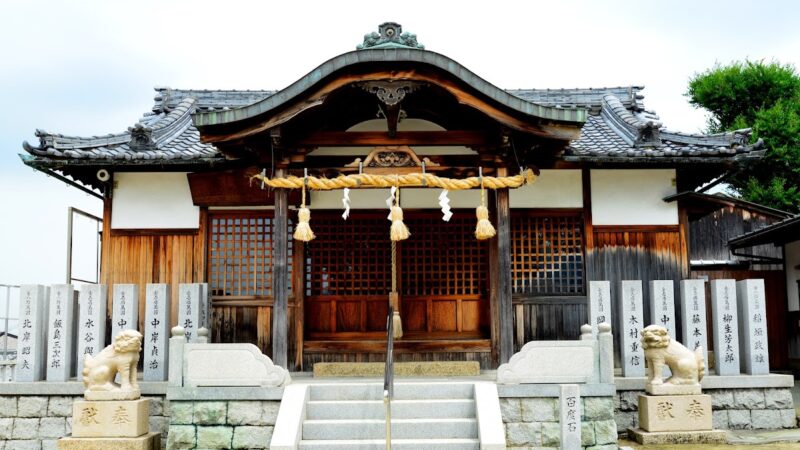
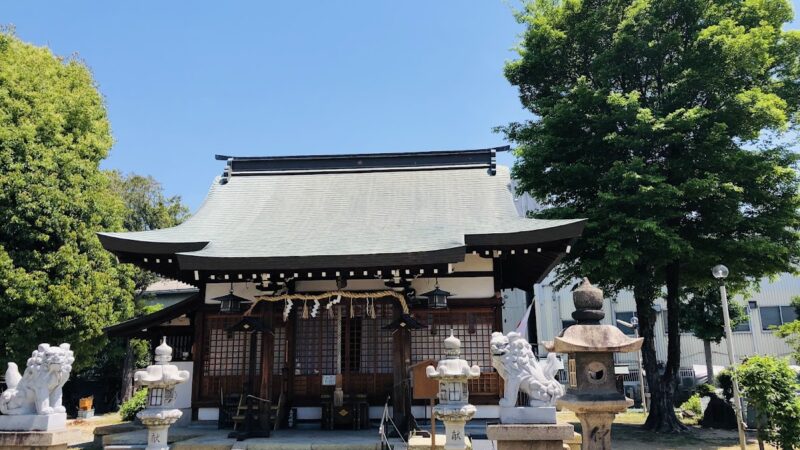
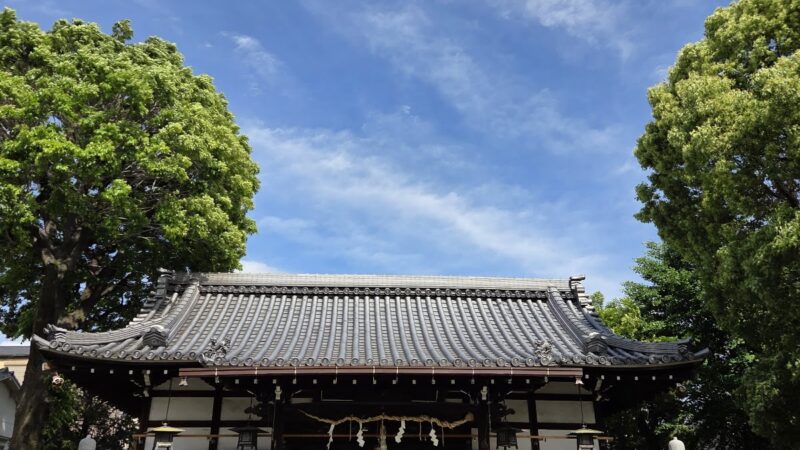
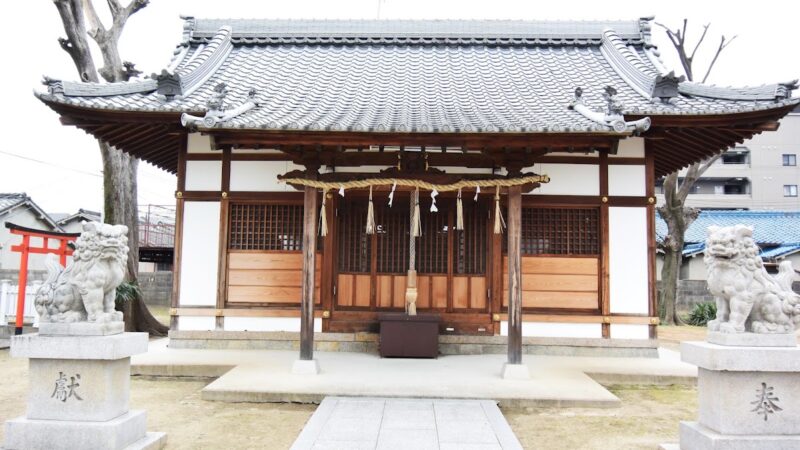
The shrine buildings of Yugi Shrine are simple in design, typical of a small local shrine, but are meticulously maintained. Located in a quiet residential area, it offers a peaceful atmosphere for worship.
Atmosphere of the Shrine Grounds
The shrine grounds are not large, but are well-maintained, reflecting the deep faith of the local community. It’s a quiet environment away from the hustle and bustle of the city, providing a peaceful space for worship.
Historical Spots Around Yugi Shrine
Historical Background of Yao City
Yao City flourished as an important region of Kawachi Province from ancient times. Located in the former Yamato River basin, the area developed as a key hub for both water and land transportation. Many ancient burial mounds and historical sites remain within the city, making it an ideal area for historical exploration.
Nearby Shrines and Temples
When visiting Yugi Shrine, we recommend also visiting the surrounding shrines and temples.
- Onchi Shrine: A Shikinaisha (shrine listed in the Engishiki) located near Onchi Station, known for its blessings in matchmaking.
- Kyokoji Temple: An ancient temple in Yao City, housing important cultural properties.
- Jokoji Temple: A temple known as a pilgrimage site of the Kawachi Saigoku Kannon Pilgrimage.
Yao City Historical and Folk Museum
For those who wish to learn about the history and culture of Yao City, a visit to the Yao City Historical and Folk Museum is recommended. It features exhibits related to Yugi-no-miya and the Yuge clan, deepening your understanding of Yugi Shrine.
Manners and Precautions for Visiting a Shrine
Basic Worship Etiquette
- Bow before passing through the torii gate: This is a courtesy when entering the sacred area.
- Purify yourself at the water basin: Purify your left hand, right hand, and mouth in that order.
- Etiquette in front of the main hall: Two bows, two claps, and one bow is the basic procedure.
- Bow after praying: Turn around and bow when leaving the torii gate.
Regarding Photography
Photography is generally permitted on the shrine grounds, but please refrain from taking pictures inside the main hall or during festivals. Please be considerate of other worshippers.
Consideration for the Quiet Residential Area
Yugi Shrine is located in a residential area, so please refrain from loud conversations and noise. Please remember to be considerate of the nearby residents when visiting.
Regarding Goshuin (Shrine Seals)
Regarding the issuance of Goshuin at Yugi Shrine, it is recommended to check in advance, as there may not always be a resident priest present. Contacting the Osaka Prefectural Shrine Association or visiting on a festival day increases your chances of receiving a Goshuin (shrine stamp).
Those wishing to receive a Goshuin should bring their Goshuincho (stamp book) and make a polite request. Since maintaining the shrine incurs costs, please offer a sincere donation.
Recommended Seasons for Visiting Yugi Shrine
Spring (March-May)
The cherry blossom season and the time of fresh greenery are ideal for a visit combined with a stroll. The weather is mild and pleasant for walking.
Summer (June-August)
The summer festival in July is a special time to experience the vibrant energy of the community. However, heat precautions are essential.
Autumn (September-November)
The autumn festival in October and the season of autumn leaves are the best times to visit Yugi Shrine. The pleasant weather allows you to reflect on its history at your leisure.
Winter (December to February)
This is a popular time for visitors to the shrine for Hatsumode (first shrine visit of the year) and New Year’s prayers. The quiet grounds offer a peaceful and calming atmosphere for worship.
Contact Information for Yugi Shrine
For detailed information about Yugi Shrine and to check festival schedules, please contact the following:
Osaka Prefectural Shrine Association
- An organization that oversees shrines within Osaka Prefecture
- Provides information on each shrine on its website
Yao City Tourism Association
- Provides general tourism information for Yao City
- Can also advise on combining visits with nearby tourist spots
Summary | The Charm of Yugi Shrine
Located in Yaogikita, Yao City, Osaka Prefecture, Yugi Shrine is a historically valuable shrine built on the site of the Yugi Palace, a detached palace of Empress Shotoku during the Nara period. It enshrines Susanoo-no-Mikoto and Sukunahikona-no-Mikoto as its deities and is believed to offer blessings for leg and back health and protection from evil.
Located about a 20-minute walk from either Takayasu or Onchi Station on the Kintetsu Osaka Line, Yugi Shrine offers easy access and the opportunity to experience local traditions during its summer festival in July and autumn festival in October. The stone monument marking the “Former Site of Yugi Shrine” within the shrine grounds is a valuable historical site that conveys the history of over 1200 years ago.
Nearby in a quiet residential area, Yugi Shrine is a place where you can escape the hustle and bustle of the city and find peace of mind during your visit. It’s a shrine worth visiting for a variety of reasons, whether you’re a history buff, a shrine enthusiast, or someone praying for good health.
When visiting Yao City, be sure to stop by Yugi Shrine and reflect on its ancient history during your visit. This shrine, which has long been revered as the local tutelary deity, is sure to provide visitors with a sense of tranquility and the romance of history.