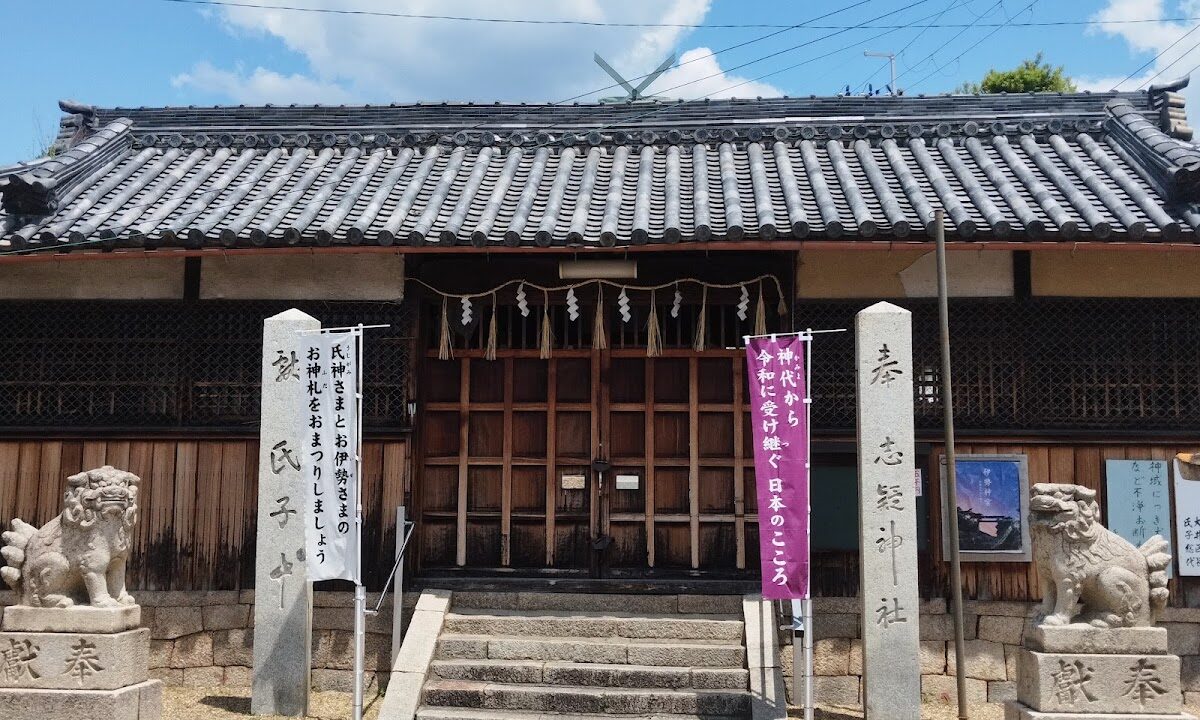
Shigi Shrine (Osaka Prefecture) Complete Guide: A Thorough Explanation of History, Deities, Blessings, and Visiting Information
What is Shigi Shrine?
Shigi Shrine is a historic shrine located in Osaka Prefecture. It has long been revered as the local guardian deity and has been cherished by the local people. Its quiet grounds offer a peaceful atmosphere, far removed from the hustle and bustle of the city, and it is known as a sacred place that provides peace of mind to visitors.
The name “Shigi,” which gives the shrine its name, has been passed down in this region since ancient times and is deeply connected to the region’s history. Even today, it plays a central role in the local community, and various festivals are held throughout the year.
History and Origins of Shigi Shrine
History of Founding
While there are no clear records regarding the founding date of Shigi Shrine, it is said to have been located in this region since ancient times. Osaka has flourished as a transportation hub since ancient times, and many shrines have been built there. Shigi Shrine, too, has been revered as a guardian shrine of the region within this historical context.
According to local elders’ traditions, a divine spirit has long resided in this land, and people have cherished this place with reverence for nature. Over time, it is believed to have been formally developed as a shrine, taking its current form.
Changes Through the Ages
During the Edo period, it was revered by villagers as the local tutelary deity (ubusunagami), playing an important role as a place to pray for abundant harvests and family safety. Despite being affected by the Meiji-era separation of Shinto and Buddhism and the shrine consolidation policy, it was preserved by the strong faith of the local residents and has been passed down to the present day.
Even as times changed from Showa to Heisei and Reiwa, Shigi Shrine has continued to exist as a spiritual pillar of the region. During the post-war reconstruction period, it served as a place to pray for the region’s recovery; during the period of rapid economic growth, it watched over development; and in modern times, it plays a role as a place to pass on traditional culture.
Deities and Divine Virtues
Main Deity
The deity enshrined at Shigi Shrine is a god who has been revered since ancient times as the guardian deity of the region. Some shrines enshrine multiple deities, and it is believed that various blessings are offered depending on the divine virtues of each deity.
Generally, deities enshrined as local guardian deities include Amaterasu Omikami, Susanoo-no-Mikoto, and Okuninushi-no-Mikoto. These deities played important roles in Japanese mythology.
Blessings and Divine Virtues
The main blessings that can be prayed for at Shigi Shrine include the following:
Family Safety and Harmony
It is believed that this protects the health and happiness of the family and brings harmony within the home.
Business Prosperity and Development
Many visitors come to pray for success in business and ventures.
Protection from Misfortune and Disaster
You can pray for protection from various calamities and for peaceful days.
Prayer for Abundant Harvest
As a tradition dating back to the time when agriculture flourished, the belief in praying for a bountiful harvest continues.
Regional Peace and Security
The shrine also serves as a guardian deity praying for the peace and development of the entire region.
Highlights of the Shrine Grounds
Main Hall and Worship Hall
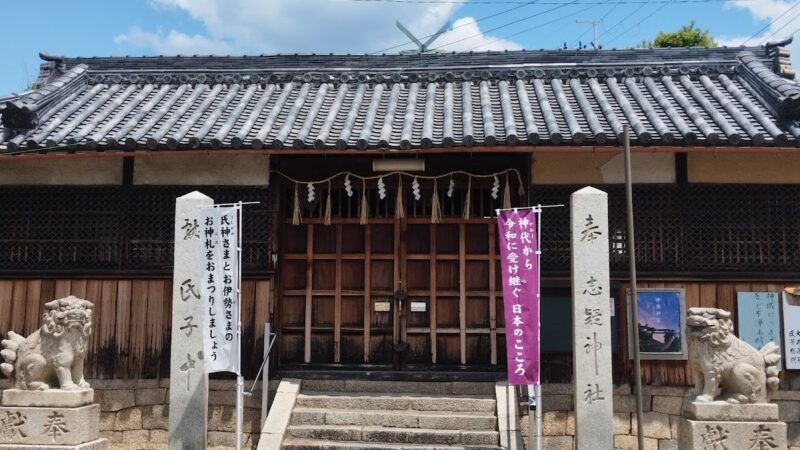
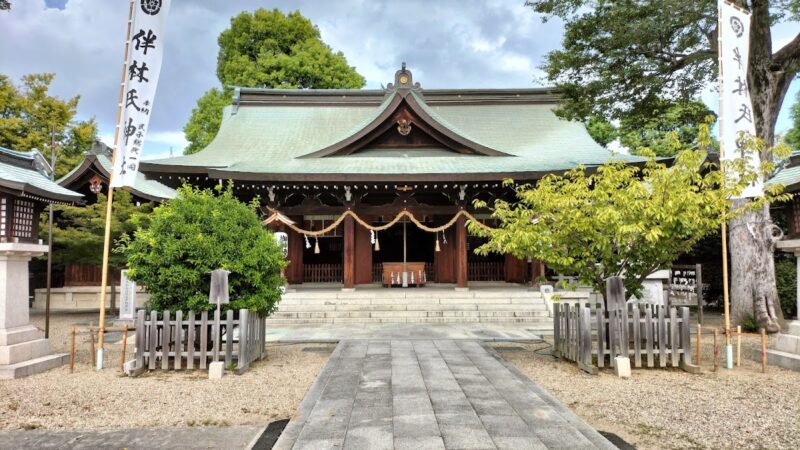
The main hall and worship hall of Shigi Shrine are valuable structures that convey the traditional style of shrine architecture. The beauty of the wooden architecture harmonizes with the sacred atmosphere refined by years of faith.
In the worship hall, worshippers can offer prayers to the deities. By following the correct worship etiquette of “two bows, two claps, one bow,” you can show more respect to the deities.
Shrines within the Precincts and Subsidiary Shrines
Around the main shrine building, you may find small subsidiary shrines and subsidiary shrines. These shrines enshrine deities different from the main deity, and each is believed to offer specific blessings.
For example, an Inari shrine might grant business prosperity, and a Tenmangu shrine might grant academic success. Many shrines enshrine deities corresponding to various wishes, and worshippers visit these shrines according to their specific desires.
Sacred Trees and Nature
Within the precincts of a shrine, you may find ancient sacred trees. These trees are living witnesses to the history of the shrine and are believed to possess sacred power.
The natural environment within the shrine grounds is also a highlight. Seasonal plants adorn the grounds, offering different scenery each season: cherry blossoms in spring, fresh greenery in summer, autumn leaves in fall, and a tranquil atmosphere in winter.
Water Basin
The water basin (chozuya/temizuya), where one purifies oneself before worship, is an important facility for visiting a shrine. By purifying one’s hands and mouth here, one can practice the traditional Japanese custom of purifying one’s mind and body before approaching the gods.
Annual Festivals and Events
Grand Festival
Shigi Shrine holds various festivals throughout the year. The Grand Festival, the most important festival, is the shrine’s most prestigious ceremony, with participation from the entire community.
The Grand Festival may include a procession of portable shrines (mikoshi) and dedication ceremonies, providing an important opportunity to strengthen community bonds. Traditional festival music and kagura (sacred dance) may also be performed, offering a valuable opportunity to experience traditional Japanese culture.
New Year’s Events
Hatsumode (first shrine visit of the year) is the time of year when the most worshippers visit the shrine. From New Year’s Day to the third day, the shrine is bustling with people praying for peace and happiness in the new year. At the shrine, special gifts are prepared for visitors during the first shrine visit of the year, and amazake (sweet rice wine) is sometimes offered. Lucky charms such as hama-ya (demon-repelling arrows) and kumade (rakes) are also given out, allowing visitors to take home good fortune for the new year.
Setsubun Festival
During Setsubun in February, traditional events such as bean-throwing are sometimes held. Throwing beans while chanting “Oni wa soto, Fuku wa uchi” (Demons out, Fortune in!) is a traditional event enjoyed by both children and adults, a way to ward off evil and invite good fortune.
Summer and Autumn Festivals
From summer to autumn, local festivals are sometimes held. These festivals express gratitude for a bountiful harvest and pray for the prosperity of the community. They feature stalls, Bon Odori (traditional Japanese dance), and become major community events.
Information for Visitors
Visiting Hours
Visiting Shigi Shrine is generally recommended during daylight hours. Many shrines are open for worship from sunrise to sunset, but the grounds themselves may be open 24 hours a day.
The shrine office is usually open from 9:00 AM to around 5:00 PM. If you wish to receive a Goshuin (shrine stamp) or amulet, it is recommended to visit during these hours.
Proper Worship Etiquette
Knowing the correct way to worship at a shrine will allow for a more heartfelt visit.
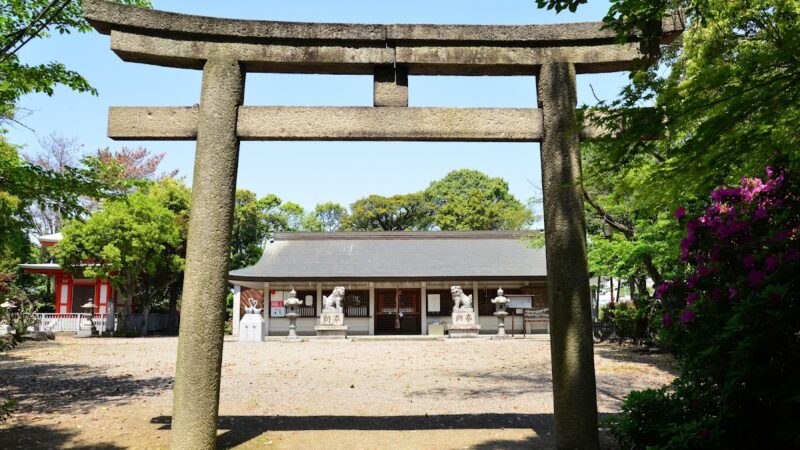
How to Pass Through the Torii Gate
Bow before passing through the torii gate. Since the center of the path is considered the path of the gods, it is polite to walk along the side.
Procedure for Washing Hands
- Hold the ladle in your right hand and wash your left hand.
- Switch the ladle to your left hand and wash your right hand.
- Switch the ladle back to your right hand, receive water in your left hand, and rinse your mouth.
- Wash your left hand again.
- Hold the ladle upright, let water flow over the handle, and return it to its original place.
Procedure for Worship
- Place your offering in the offering box.
- Ring the bell if there is one.
- Bow twice (deeply twice).
- Clap twice (twice).
- Pray sincerely.
- Bow once (deeply once).
Access Information
Location
For the exact location of Shigi Shrine, we recommend checking official information or local tourist guides beforehand. As a shrine located in Osaka Prefecture, it is often surrounded by residential areas and commercial facilities, and is an integral part of the local community.
Access by Train
Accessing shrines in Osaka Prefecture is convenient via public transportation. Many shrines are within walking distance of the nearest station, allowing you to enjoy the scenery along the way.
Major railway lines include JR lines, Osaka Metro (subway), and various private railway lines, allowing you to choose the most suitable route depending on your destination. If you are unsure of the directions from the station, asking a local resident is often helpful.
Access by Car
If visiting by car, it’s important to check in advance whether the shrine has its own parking lot. Smaller shrines may not have parking, so you may need to use a nearby coin-operated parking lot.
Traffic restrictions may be in place during festivals, so using public transportation is recommended during major festivals.
Parking Information
It’s reassuring to check the availability, capacity, operating hours, and fees of parking lots before your visit. During busy periods such as New Year’s Day or major festivals, parking lots may be full, so aim to arrive early or consider using public transportation.
Amulets and Goshuin (Shrine Seals)
Types of Amulets
Shigi Shrine offers a variety of amulets. Each amulet has a specific benefit, and you can choose one for your own wishes or as a gift for a loved one.
Common Types of Amulets
- Family Safety Amulet: Protects the health and happiness of your family
- Traffic Safety Amulet: Protects you from traffic accidents
- Academic Success Amulet: Helps you improve your studies
- Business Prosperity Amulet: Prays for success in business
- Exorcism Amulet: Wards off misfortune during unlucky years
- Health Amulet: Helps you recover from illness and maintain good health
- Matchmaking Amulet: Attracts good relationships
It is recommended to replace your amulet with a new one approximately every year. The correct procedure is to return the old amulet to the shrine and have it burned.
About Goshuin (Shrine Seals)
Goshuin are valuable records given as proof of your visit to the shrine. Bringing your Goshuincho (stamp book) will allow you to have the shrine’s name and date of visit written in ink, and stamped with a red seal, creating a special record.
Tips for receiving a Goshuin:
- Receive it after completing your prayers.
- Open your Goshuincho and indicate the page you want stamped on.
- Prepare the offering fee (typically 300-500 yen).
- Wait quietly while the stamp is being made.
- Express your gratitude with thanks.
A Goshuin is not merely a stamp rally; it should be treated with care as proof of a connection with the deity.
Attractions around Shigi Shrine
Nearby Tourist Spots
Around Shigi Shrine, there are many tourist spots and historical sites unique to Osaka. Exploring the surrounding area in conjunction with your shrine visit will make your time even more fulfilling.
Osaka Prefecture boasts a diverse range of cultural assets and tourist resources, including ancient tombs, temples, and historical streetscapes. Learning about the local history while exploring will deepen your understanding of Shigi Shrine. ### Gourmet Information
Osaka is a city renowned for its cuisine, often called the “Kitchen of Japan.” Around the shrine, you might find restaurants beloved by locals and places where you can enjoy Osaka’s famous specialties.
Experience the local food culture while savoring Osaka’s representative dishes such as takoyaki, okonomiyaki, and kushikatsu, which are representative of Osaka’s cuisine, is one of the joys of your trip.
Precautions and Manners When Visiting a Shrine
Regarding Attire
While there are no specific dress code requirements for visiting a shrine, please dress appropriately, keeping in mind that it is a sacred place. It’s best to avoid overly revealing or extremely casual clothing.
For formal worship or prayers, more formal attire (suits, dresses, etc.) is recommended.
Regarding Photography
Photography is generally permitted within the shrine grounds, but it may be prohibited inside the main hall or in certain sacred areas. Always abide by any signs prohibiting photography.
Furthermore, please be mindful of the privacy of other visitors and take care when taking photos that prominently feature people. Remember to be considerate of others when posting on social media.
Other Manners
- Please be quiet on the shrine grounds and refrain from loud conversations.
- Please take all your trash with you.
- Please follow the shrine’s regulations regarding pets.
- Smoking is only permitted in designated areas (many shrines are completely smoke-free).
- Do not touch or damage the plants or buildings on the shrine grounds.
The Charm and Characteristics of Shigi Shrine
A Faith Rooted in the Community
The greatest charm of Shigi Shrine is that it is a place of faith deeply rooted in the community. Unlike large-scale tourist shrines, it is closely intertwined with the daily lives of local people, and the form of faith that has been passed down through generations is still alive today.
Through local festivals and events, it also plays a role in strengthening connections among residents, making it a valuable community hub in modern society.
A Tranquil Worship Environment
One of the attractions is the peaceful environment, far removed from the hustle and bustle of the city, allowing for a calm and peaceful worship experience. Unlike large tourist shrines, there are no crowds, allowing for ample time to connect with the deities.
Experiencing the nature and changing seasons within the shrine grounds, and forgetting the hustle and bustle of daily life, provides a valuable opportunity for healing for modern people.
Inheritance of History and Tradition
As a shrine with a long history, it also plays a role in passing on the region’s traditional culture to future generations. It is a valuable place to learn about traditional Japanese values and culture through festivals and religious ceremonies.
It also has an educational aspect, fostering cultural identity in children through participation in festivals and learning about local history.
Best Season for Visiting
Spring Visit
Spring is the season of new beginnings, attracting people celebrating milestones in life such as entering higher education, starting a new job, or moving. During cherry blossom season, the shrine grounds are enveloped in a vibrant atmosphere, making it a perfect place to enjoy a visit combined with cherry blossom viewing. ### Summer Visit
During the summer festival season, the entire community is bustling with activity, allowing visitors to experience the atmosphere of a traditional festival. Although it’s a hot time of year, the shade of the trees within the shrine grounds provides a cool respite, making it a pleasant oasis in the city.
Autumn Visit
Autumn is the season of giving thanks for the harvest, and visitors can enjoy a visit in the mild climate befitting the fruitful season. The shrine grounds, with their beautiful autumn foliage, offer a special time where the beauty of nature and a sacred atmosphere harmonize.
Winter Visit
The first shrine visit of the New Year is the time of year when the most visitors come. Visiting the shrine in the crisp winter air, with wishes for the new year in mind, is a precious opportunity to experience traditional Japanese culture firsthand.
Summary
Shigi Shrine is a historical shrine deeply rooted in the community, located in Osaka Prefecture. While not flashy, it possesses a unique charm as a sacred place that has attracted the faith of local people and been carefully preserved across generations.
Visitors can pray for various blessings, such as family safety, business prosperity, and protection from evil, and can also find peace of mind in the tranquil grounds. Throughout the year, festivals are held, offering opportunities to experience traditional Japanese culture.
When visiting Osaka, why not visit not only the famous tourist spots but also local shrines like this one? You’ll be able to feel the essence of Japanese faith culture by observing shrines that are deeply intertwined with the lives of local people.
When visiting, observing proper etiquette and manners, and showing respect to the deities, will make the experience even more meaningful. We hope that Shigi Shrine will become a special place where you can find inner peace.