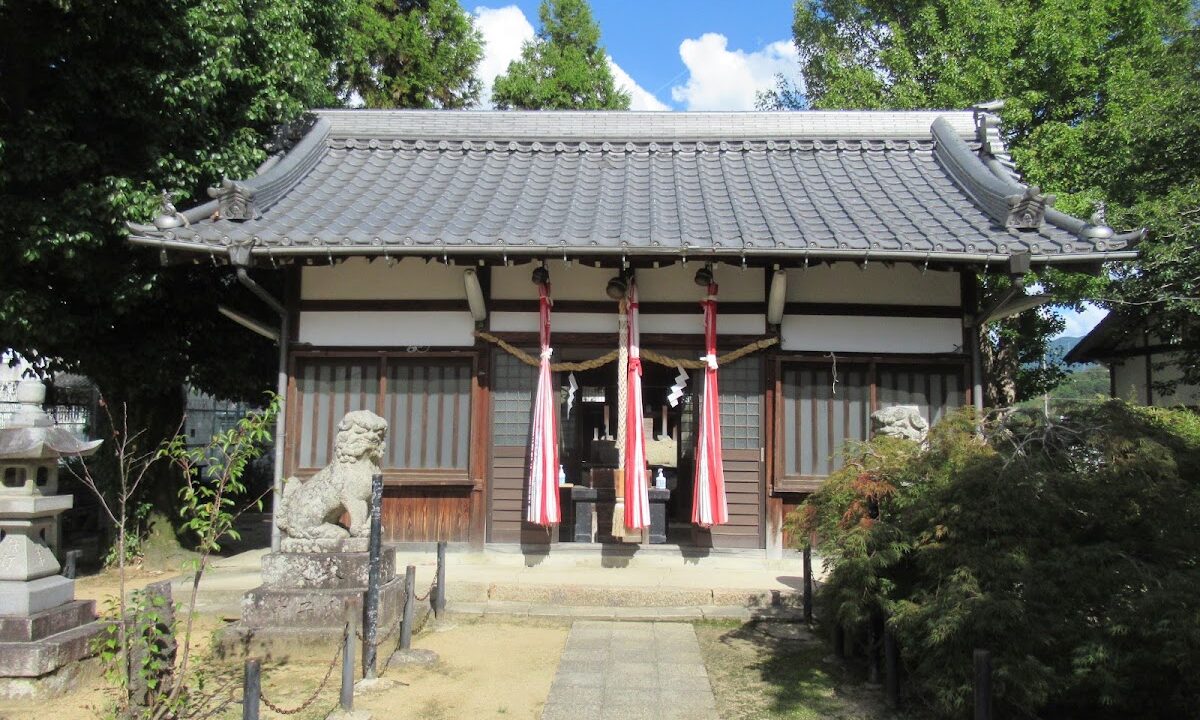
Itamo Shrine (Tondabayashi City, Osaka Prefecture) Complete Guide | History, Deities, Access, and Festival Information
What is Itamo Shrine?
Itamo Shrine is a Shinto shrine located at 8-7-39 Nishiitamochi-cho, Tondabayashi City, Osaka Prefecture. Locally, it is commonly known as “Itamochi Shrine” and has long been revered as the tutelary deity of the Itamochi area. Its former shrine rank was a village shrine, and it is currently affiliated with the Osaka Prefectural Shrine Association.
Located across the Ishikawa River from Terauchi-cho, a well-known tourist spot in Tondabayashi City, the Itamochi area is a quiet area that retains its old townscape. Itamo Shrine, situated in the heart of this area, is an important presence that conveys the history and culture of the region to the present day.
History of Itamo Shrine
Ancient Establishment
Itamo Shrine has been located in the Itamochi area of Onoue since ancient times. The exact founding date is unclear, but it is believed to have been a shrine dedicated by the Itamochi-no-Muraji or Itamochi-no-Muraji clan, who were of immigrant origin. The commonality between the clan name, the shrine name, and the place name suggests a deep connection to the development of this region in ancient times.
This area, belonging to Kinbe District of Kawachi Province, was part of the Kawachi region, which had active exchanges with the Asian continent since ancient times, and was home to many immigrant clans. The Itamochi-no-Muraji clan was one such clan, and is believed to have played an important role in the development of this region and the spread of culture.
Merger and Abolition in the Meiji Era
With the arrival of the Meiji era, the shrine was affected by the government’s policy of merging shrines. In 1907 (Meiji 40), Itamochi Shrine was merged with Takemikumari Shrine in Akasaka Village, Minamikawachi District (present-day Chihayaakasaka Village). As a result of this policy, Itamochi Shrine was abolished for a long time and disappeared from the region.
Takemizuwake Shrine is known as a prestigious shrine associated with Kusunoki Masashige, and many surrounding shrines were merged into it. However, the loss of their tutelary deity was a great loss for the local people, and their desire for restoration never faded.
Post-War Restoration
After World War II, the restoration of Itamo Shrine was realized through the enthusiasm of the local residents. In May 1950, after approximately 40 years, it was relocated and enshrined again at its original site, Itamochi, Onoue. This restoration was a significant event in restoring the region’s identity and forms the foundation of the local faith that continues to this day.
After its restoration, Itamo Shrine once again attracted reverence as the tutelary deity of the region, and various festivals are held throughout the year. In particular, the autumn grand festival features the pulling of danjiri (floats), preserving traditional festival culture.
About the Deities
Itamo Shrine enshrines five deities.
Amenominakanushi-no-kami
This is the supreme god, considered the first god to appear in Japanese mythology. In the Kojiki, he is described as one of the three creation gods who first appeared in Takamagahara at the time of the creation of heaven and earth. As a fundamental god located at the center of the universe, he is the being who governs all beginnings.
Amenomikumari-no-kami
Known as the god who distributes water, he oversees the management of irrigation water essential for agriculture. “Mikumari” means “water distribution,” and he has been worshipped as a deity who manages the heavenly water sources. The area around Tondabayashi has long been a thriving agricultural region, making the worship of water gods extremely important.
Mitsuhanome-no-kami
A god widely worshipped as the goddess of water. As a deity residing in all water sources such as wells, springs, and rivers, she is considered the guardian deity of water for daily life and agriculture. This shrine is particularly revered by women and is believed to bring blessings for safe childbirth and child-rearing.
Kuni no Mikumari no Kami
This deity, paired with Ama no Mikumari no Kami, distributes water on earth. As a guardian deity of actual water management facilities such as rivers and irrigation canals, this deity was extremely important in agricultural societies. It is thought to have had a deep connection with the water management system around the Itamochi area.
Seoritsuhime no Kami
Known as a goddess of purification, she carries away sins and impurities on the river currents to the sea. An important deity appearing in the Great Purification Prayer, she is believed to possess the power of purification and regeneration. She also has characteristics as a water deity, and it is thought that worshipping her together with other water deities exerts even stronger protective power.
Since four of these five enshrined deities are related to water, it is clear that Itamochi Shrine was a place of worship centered on water deities. This indicates a connection to the topography and agriculture around Tondabayashi, and tells the story of the importance of water management in this region since ancient times.
Shrine Grounds
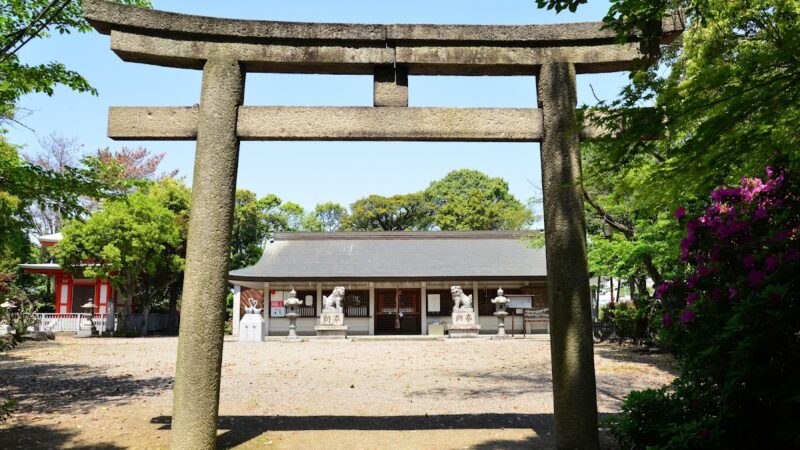
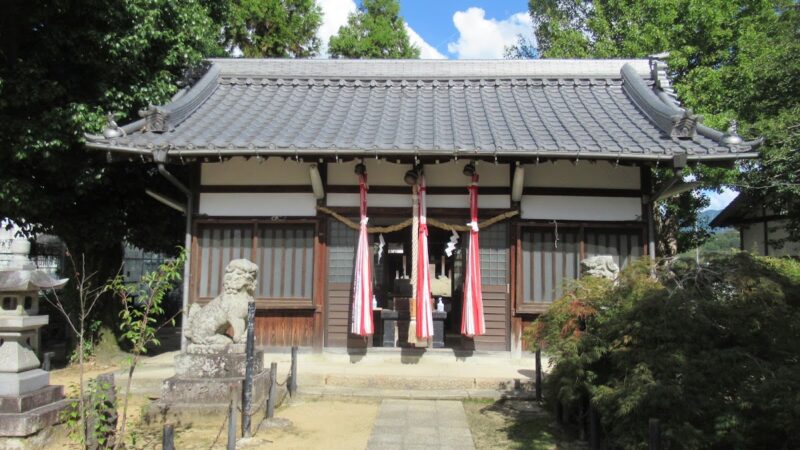
Despite being located in a residential area, the grounds of Itamo Shrine maintain a tranquil atmosphere. Although a small shrine, it is a space that conveys a sense of history, having been carefully preserved by the local people.
The shrine building was rebuilt during the reconstruction period and, while simple, is meticulously maintained. The grounds contain sacred trees and stone lanterns, creating an atmosphere that tells of a long history. While usually quiet, the grounds become bustling with many worshippers during festivals.
The cleaning and maintenance by local residents are thorough, conveying that it is a small but cherished shrine. Its charm lies in its peaceful environment, away from the hustle and bustle of the city, allowing for a peaceful visit.
Itamochi District Danjiri Festival
At the annual festival of Itamo Shrine, the danjiri (float) of the Itamochi district is pulled through the streets. Danjiri festivals are held in several districts within Tondabayashi City, and Itamochi district is one of the areas that carries on this tradition.
The Danjiri festival is held in the autumn, and many residents, mainly young people from the area, participate. The usually quiet streets of Itamochi district are filled with energetic shouts and the sound of drums, and the entire area is enveloped in the excitement of the festival.
Tondabayashi’s danjiri floats have a Kawachi-style design, different from those of the Senshu region such as Kishiwada, and are characterized by their unique pulling methods and decorations. The Itamochi district’s danjiri float is a valuable cultural asset that reflects the history and culture of the region, and is being passed down to future generations.
Access Information
Access by Train and Bus
Nearest Station: Kintetsu Nagano Line “Tondabayashi Station”
While it is possible to access the festival on foot from Tondabayashi Station, it is more convenient to use the bus due to the distance.
- Approximately 19 minutes on foot from Exit 2 of Tondabayashi Station
- Take the Kongo Bus from Tondabayashi Station, get off at the “Nishiitamochi Kindergarten” bus stop, and it’s a short walk from there.
Since the number of buses is limited, it is recommended to check the timetable in advance.
Access by Car
Address: 8-7-39 Nishiitamochi-cho, Tondabayashi City, Osaka Prefecture 584-0048
- Approximately 20 minutes from the “Miyake” exit of the Hanshin Expressway Route 14 Matsubara Line
- Approximately 25 minutes from the “Fujiidera” IC on the Nishi-Meihan Expressway
- Approximately 20 minutes from the “Habikino” IC on the Minami-Hanna Expressway
Regarding parking, due to the small size of the shrine, there may not be a dedicated parking lot. To avoid inconveniencing the neighbors, the use of public transportation is recommended. Temporary parking may be set up during festivals, so it is recommended to check in advance.
Nearby Attractions
Tondabayashi Terauchi-cho
Across the Ishikawa River from Itamo Shrine lies Terauchi-cho, a representative tourist spot of Tondabayashi City. It is a designated Important Preservation District for Groups of Traditional Buildings, preserving the townscape of the Edo period, where you can enjoy the historical scenery of old merchant houses and townhouses.
Terauchi-cho is an autonomous town that developed around the Kōshōji branch temple of the Jōdo Shinshū sect, and many historical buildings are still preserved today. Visiting it in conjunction with a visit to Itamo Shrine will allow you to gain a deeper understanding of Tondabayashi’s history.
Tatemizuwake Shrine
Tatemizuwake Shrine, where Itamo Shrine was merged during the Meiji era, is an Engishiki-listed shrine located in Chihayaakasaka Village. Known as a shrine associated with Kusunoki Masashige, it is a prestigious shrine with a main hall designated as an Important Cultural Property. It is a shrine worth visiting when tracing the history of Itamo Shrine.
Ishikawa Riverbed
The Ishikawa River, which flows near Itamo Shrine, is an important water source for the region and has deep ties to the former water deity worship. The area is now developed as a river park, where visitors can enjoy strolling and cycling.
Introduction to Shrines in Osaka Prefecture and the Position of Itamo Shrine
The Osaka Prefectural Shrine Association comprises numerous shrines throughout the prefecture, each playing an important role in conveying the history and culture of its region. Itamo Shrine is one such shrine, serving as a center of local faith in Tondabayashi City.
Osaka Prefecture boasts a diverse range of shrines, from large-scale shrines like Sumiyoshi Taisha and Osaka Tenmangu to small, community-based shrines like Itamo Shrine. Each shrine has its own unique history and enshrined deities, functioning as a central hub for local communities.
Although small in scale, Itamo Shrine has a distinctive history, including connections with immigrant clans, the Meiji-era consolidation of shrines, and post-war reconstruction, making it a prime example of the diversity of shrines in Osaka Prefecture. As a shrine preserved by the faith of local residents, it retains significant cultural value even today.
Points to Note When Visiting
Itamo Shrine is a small shrine located within a residential area. Please consider the following points when visiting.
- As it is located in a quiet residential area, please be mindful of noise levels.
- Please avoid street parking to avoid disturbing nearby residents.
- The shrine grounds are always open, but the shrine office may not always be staffed.
- For inquiries regarding Goshuin (shrine stamps) and other offerings, please contact Takemizuwake Shrine (TEL: 0721-72-0534).
- During festivals, the shrine becomes crowded with many people, resulting in a different atmosphere than usual.
The Local History Told by Itamo Shrine
Itamo Shrine is more than just a place of worship; it is a valuable cultural heritage site that conveys the history of the region to the present day. The presence of the Itamochi clan, who were of immigrant origin, the ancient worship of water deities, the impact of the Meiji-era shrine consolidation policy, and the post-war reconstruction efforts by local residents—here lies a microcosm of the history that Japanese shrines have walked.
In modern times, many small local shrines face difficulties in maintenance due to depopulation and aging. However, Itamo Shrine has been preserved to this day thanks to the efforts of local residents. As seen in the autumn Danjiri Festival, efforts to pass on traditions continue throughout the community, including the younger generation.
When visiting Tondabayashi City, why not extend your trip beyond the tourist attraction of Terauchi-cho to the Itamochi district on the opposite bank of the Ishikawa River and visit Itamochi Shrine? As you offer your prayers in the tranquil shrine grounds, you will feel the history of this land that has continued since ancient times, and the devotion of the people who have protected it.
Summary
Itamochi Shrine is a historical shrine located in Nishiitamochi-cho, Tondabayashi City, Osaka Prefecture. It is an ancient shrine believed to have been established by the Itamochi clan, a clan of immigrant origin, and enshrines five deities, particularly the water god, including Amenominakanushi-no-kami.
Although it was temporarily abolished in 1907 when it was merged with Takemizuwake Shrine, it was restored in 1950 thanks to the enthusiasm of local residents. Currently, as a former village shrine, it is revered as the tutelary deity of the Itamochi district, and the tradition of pulling a danjiri (festival float) during the autumn festival is still carried on.
It is accessible by bus from Tondabayashi Station on the Kintetsu Nagano Line, and can be visited in conjunction with nearby tourist attractions such as Tondabayashi Jinai-cho. Though small, it is a valuable shrine that conveys the history and culture of the region, making it a worthwhile place to visit.
As one of the shrines belonging to the Osaka Prefectural Shrine Association, Itamochi Shrine continues to be a place of faith deeply rooted in the community. Its tranquil grounds welcome many people as a place to escape the hustle and bustle of the city and find peace of mind, as well as a place to learn about the history of the region.