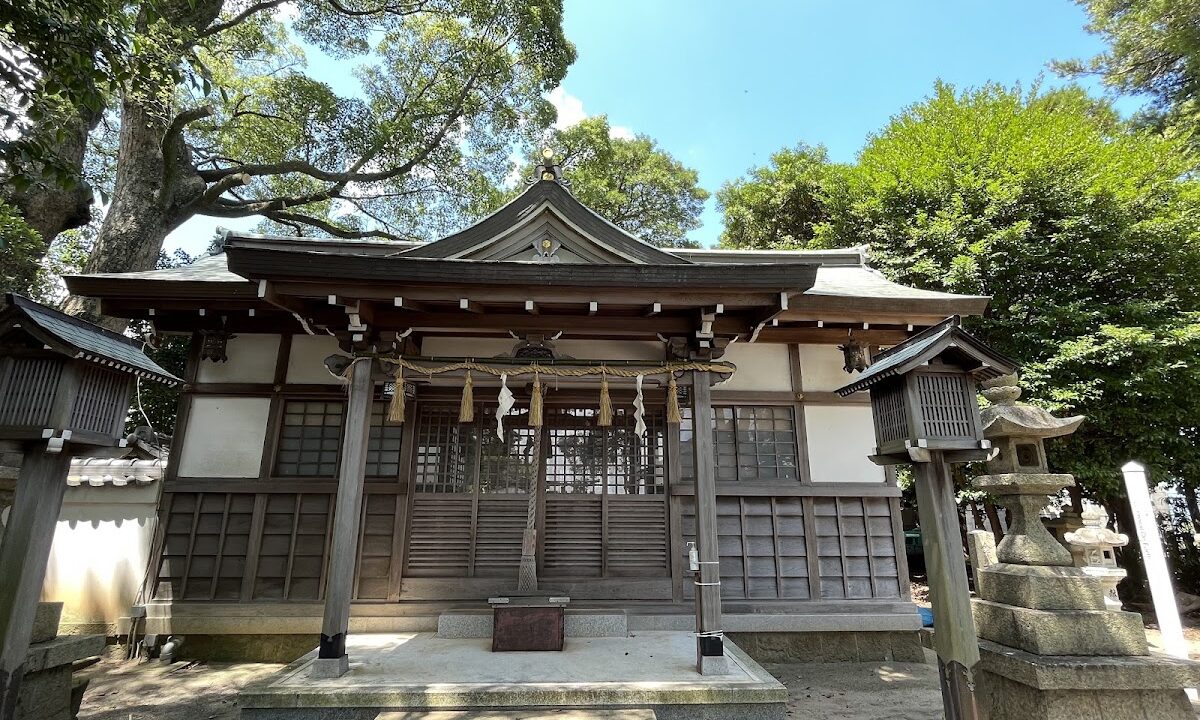
Kasasagimori-no-miya Shrine (Morinomiya Shrine) Complete Guide | History, Deities, Benefits, and Access Information for this Shikinaisha Shrine in Osaka Prefecture
Kasasagimori-no-miya Shrine, located near Morinomiya Station in Chuo Ward, Osaka City, is a historic shrine dedicated to Prince Shotoku and his parents. Affectionately known as “Morinomiya Shrine,” this ancient shrine, which is also the origin of the surrounding place name, boasts a history of over 1400 years as a Shikinaisha shrine, preserving the history and culture of Osaka to this day.
This article comprehensively introduces all the information you need to know before visiting Kasasagimori-no-miya Shrine, including its history, deities, benefits, highlights within the grounds, and access methods.
Basic Information about Kasasagimori Shrine
Official Name: Kasasagimori Shrine
Common Name: Morinomiya Shrine
Address: 1-14-4 Morinomiya Chuo, Chuo-ku, Osaka City, Osaka Prefecture 540-0003
Phone Number: 06-6941-9294
Shrine Rank: Shikinaisha (Shrine listed in the Engishiki), Former Prefectural Shrine
Founding: 2nd year of Emperor Sushun’s reign (589 AD)
Main Deities: Emperor Yomei, Empress Anahobe no Hashihito, Prince Shotoku
History of Kasasagimori Shrine
Origin of Founding and Relationship with Shitennoji Temple
Kasasagimori Shrine is said to have been founded in the 2nd year of Emperor Sushun’s reign (589 AD). This year coincides with the time when Prince Shōtoku built Shitennō-ji Temple, and it is believed that Kasasagi-no-Miya Shrine was originally constructed as the guardian shrine of Shitennō-ji Temple.
There is an interesting legend about the origin of the shrine’s name, “Kasasagi-no-Miya.” It is said that when Prince Shōtoku built Shitennō-ji Temple, there was a forest in this area where many magpies gathered, and thus the name was given. Magpies have been considered auspicious birds since ancient times, and it is believed that Prince Shōtoku chose this place as a sacred site.
Status as a Shikinaisha Shrine
Kasasagi-no-Miya Shrine is a Shikinaisha shrine listed in the Engishiki Jinmyōchō (a list of shrines compiled in the Heian period), and was a historically significant shrine recognized by the imperial court even during the Heian period. As a Shikinaisha shrine in Settsu Province, it has played an important role as a center of local faith since ancient times.
During the Edo period, it was ranked as a prefectural shrine, and under the Meiji era’s shrine ranking system, it was positioned as a former prefectural shrine, a shrine of high status in the region.
Origin of the Place Name Morinomiya
The current place names “Morinomiya” and “Morinomiya” originate from this Kasasagimori Shrine. This shrine, affectionately known as “Morinomiya” since the Edo period, became established as the name of the surrounding area, and was adopted as a town name and even a railway station name after the Meiji era.
Both the JR Osaka Loop Line’s “Morinomiya Station” and the Osaka Metro’s “Morinomiya Station” derive their place names from the existence of this shrine.
Deities and Benefits
Main Deities
Kasasagimori Shrine enshrines three main deities.
Emperor Yomei
The 31st Emperor of Japan and the father of Prince Shotoku. Although his reign was short, he is known as an emperor who deeply believed in Buddhism and laid the foundation for the flourishing of Buddhism in Japan.
Empress Anahobe no Hashihito
She was the empress of Emperor Yōmei and the mother of Prince Shōtoku. As the mother who supported Prince Shōtoku’s birth and growth, she is also worshipped as a guardian deity of child-rearing.
Prince Shōtoku
A member of the imperial family and politician of the Asuka period, he was a great figure who laid the foundation for Japanese culture and politics. He made significant contributions to the establishment of Japan’s national system, including the enactment of the Seventeen-Article Constitution, the establishment of the Twelve-Level Cap and Rank System, and the dispatch of envoys to the Sui Dynasty.
Main Benefits
The main benefits said to be bestowed at Kasasagimori Shrine are as follows:
- National Peace and Security: Inheriting the spirit of Emperor Yomei and Prince Shotoku’s wish for national peace.
- Great Wishes for Child-Rearing: Benefits for child-rearing and safe childbirth, stemming from the maternal nature of Empress Anahobe no Hashihito.
- Fulfillment of Wishes: Fulfillment of wishes, drawing on the wisdom of Prince Shotoku.
- Improved Fortune: Improved fortune, as the magpie is an auspicious bird.
- Exorcism: Warding off bad luck and protecting oneself from disaster.
- Disaster Prevention and Good Fortune: Removing disaster and inviting good fortune.
- Academic Success: Improvement of academic achievement, drawing on the learning of Prince Shotoku.
In particular, because Prince Shotoku and his son are enshrined here, many people visit seeking blessings related to family bonds, parent-child health, and child-rearing.
Highlights of the Shrine Grounds
Main Hall
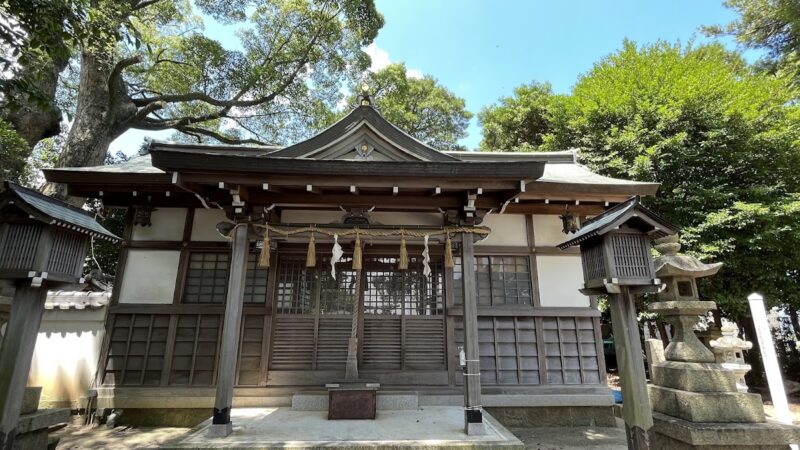
The main hall of Kasasagimori Shrine is a magnificent building that preserves the traditional style of shrine architecture. Three deities are enshrined here, and worshippers can offer their prayers in a serene atmosphere.
In front of the main shrine is a magnificent worship hall, the contrast between the vermilion pillars and white walls is beautiful, creating a sacred space despite being in the middle of the city.
Torii Gate and Approach
Despite its convenient location just a one-minute walk from the west exit of JR Morinomiya Station, stepping onto the shrine grounds reveals a quiet space far removed from the hustle and bustle of the city.
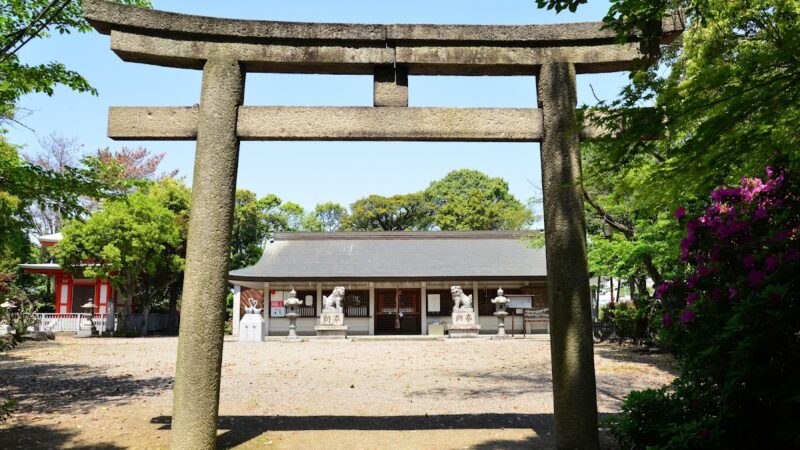
Passing through the entrance torii gate, a purified approach leads to the main shrine, guiding worshippers into the sacred realm.
Subsidiary Shrines
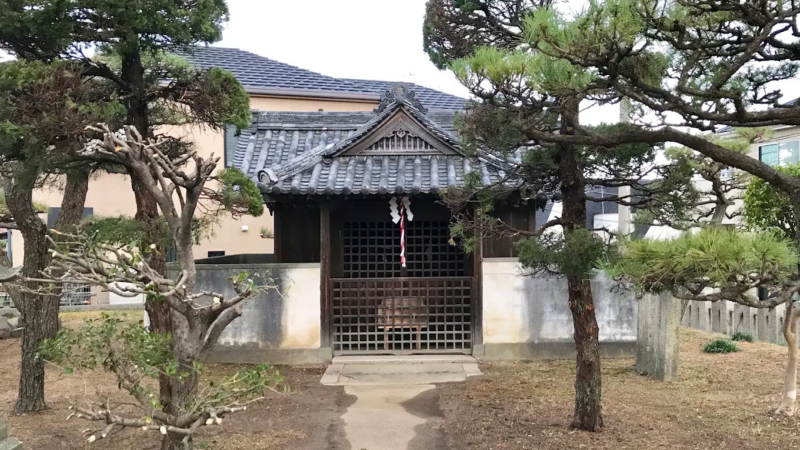
Within the grounds of Kasasagimori Shrine, there are several subsidiary shrines in addition to the main shrine.
Inari Shrine
This shrine enshrines Inari, the god known for granting blessings of business prosperity and abundant harvests. It attracts the devotion of local merchants and business owners.
Ebisu Shrine
This shrine enshrines Ebisu, known as the guardian deity of business prosperity and fishing.
Each of these subsidiary shrines offers its own unique blessings, and many worshippers visit them in conjunction with the main shrine.
Water Basin
A water basin is provided for purification before worship. You can cleanse your hands and mouth according to the proper etiquette before praying.
Shrine Office and Gift Shop
The shrine office on the grounds offers Goshuin (shrine stamps), various amulets, and talismans. Many people receive a Goshuin as a memento of their visit, and they are carefully written.
Annual Events and Rituals
Grand Festival
Various rituals are held throughout the year at Kasasagimori Shrine. The most important festival is the Grand Festival, attended by many parishioners and devotees, passing on the history and traditions of the shrine to future generations.
New Year’s Visit
The shrine is bustling with worshippers for the New Year’s visit. Due to its convenient location near Morinomiya Station, it is a popular spot for New Year’s visits in Osaka City.
Setsubun Festival
The Setsubun Festival is held in February, with prayers offered for protection against evil and for good fortune.
Shichi-Go-San Festival
Because of its reputation for blessings related to child-rearing, many families visit in November for Shichi-Go-San (a traditional Japanese rite of passage for children). Prayers are offered for the healthy growth of children, drawing inspiration from the bond between Empress Anahobe no Hashihito and Prince Shotoku.
Access
Access by Train
Kasasagimori Shrine is one of the most easily accessible shrines in Osaka City.
JR Osaka Loop Line
Approximately 1 minute walk from the west exit of Morinomiya Station
The shrine is visible immediately to the west upon exiting the station. It is easily accessible, approximately 15 minutes from Osaka Station and 10 minutes from Tennoji Station.
Osaka Metro Chuo Line
Approximately 3 minutes on foot from Exit 1 of Morinomiya Station.
Approximately 5 minutes from Honmachi Station, and easily accessible from the Cosmo Square area.
Osaka Metro Nagahori Tsurumi-ryokuchi Line
Approximately 3 minutes on foot from Morinomiya Station.
Approximately 10 minutes from Shinsaibashi Station, and also accessible from the Tsurumi-ryokuchi area.
Access by Car
Hanshin Expressway Route 13 Higashi-Osaka Line
Approximately 5 minutes from the Hoenzaka Exit.
Parking
There is no dedicated parking lot for the shrine, but there are several coin-operated parking lots in the surrounding area. However, parking fees are relatively high due to its central location. We recommend using public transportation.
Nearby Tourist Attractions
Sakasamori Shrine is within walking distance of Osaka’s representative tourist attractions, including Osaka Castle Park, Osaka Castle Hall, and Osaka Museum of History.
Osaka Castle Park
Approximately 10 minutes on foot. A vast park centered around Osaka Castle’s main tower, one of Japan’s three most famous castles.
Osaka Museum of History
Approximately 15 minutes on foot. This museum allows you to learn about Osaka’s history and culture, exhibiting the changes in Osaka from ancient times to the present day.
Naniwa Palace Site Park
Approximately 10 minutes on foot. This historical park is the site of the ancient Naniwa Palace and is ideal for a historical stroll.
A one-day sightseeing course visiting these spots in conjunction with your visit to the shrine is also recommended.
Manners and Etiquette for Shrine Visits
Basic Shrine Visit Etiquette
There are basic manners to observe when visiting a shrine. Please observe the following manners when visiting Kasasagimori Shrine.
- Bow before passing through the torii gate: This is a courtesy before entering the sacred area.
- Walk along the edge of the path: The center is considered the path for the gods.
- Purify yourself at the water basin: Purify your left hand, right hand, and mouth in that order.
- Bow twice, clap twice, and bow once in front of the main hall: This is the basic Shinto way of worship.
- Bow again at the torii gate when leaving: This expresses gratitude.
Notes on receiving a Goshuin (temple/shrine stamp)
A Goshuin is given as proof of your visit. Always request it at the shrine office after your visit, not before. It is important to bring your Goshuincho (stamp book) and request it politely.
The Charm and Characteristics of Kasasagimori Shrine
A Historic Sacred Site in the City
The greatest charm of Kasasagimori Shrine is that, despite being located in the heart of Osaka, just a one-minute walk from the station, it is a venerable shrine with a history of over 1400 years.
Despite being surrounded by buildings and apartments, stepping onto the shrine grounds evokes a sacred atmosphere from ancient times. This aspect of being an “urban oasis” attracts many visitors.
Faith Associated with Prince Shōtoku
As a shrine dedicated to Prince Shōtoku, one of the most important figures in Japanese history, and his parents, it holds immense historical value.
Prince Shōtoku’s achievements had an immeasurable influence on the formation of the Japanese nation, and Kasasagi-no-Miya, which conveys his spirit to the present day, is an important place of worship for history enthusiasts.
A Faith Rooted in the Community
Despite its status as a Shikinaisha (a shrine listed in the Engishiki) and former prefectural shrine, it is affectionately known as “Morinomiya-san” by the local people and functions as a place of daily worship.
Not only local parishioners, but also business people working nearby can be seen visiting during their lunch breaks, making it a spiritual haven in modern urban life.
Historical Connection to Shitennoji Temple
The shrine’s history as a guardian shrine of Shitennoji Temple is important when considering the history of Buddhism and Shinto in Osaka. As a valuable shrine that conveys the history of syncretism of Shinto and Buddhism, it is also attracting attention from a religious studies perspective.
Attire and Items to Bring When Visiting
Attire
While there are no particularly strict dress code regulations, it is desirable to dress appropriately, keeping in mind that it is a sacred place.
- Clean and presentable attire
- Modest clothing
- Remove your hat (remove it before passing through the torii gate)
For formal worship or prayers, a suit or formal attire is appropriate.
What to Bring
- Goshuincho (stamp book): Bring one if you collect Goshuin (temple/shrine stamps).
- Offering: Having small change on hand is convenient.
- Camera: Photography is generally permitted within the shrine grounds, but be aware that some areas, such as inside the main hall, are off-limits.
Summary: The Value of Visiting Kasasagimori-gu Shrine
Kasasagimori-gu Shrine (Morinomiya Shrine) is a Shikinaisha (shrine listed in the Engishiki) with over 1400 years of history, located in Chuo-ku, Osaka City. It enshrines Prince Shotoku and his parents and is known for its blessings related to national peace and security, child-rearing, and the fulfillment of wishes.
Its excellent accessibility—just a 1-minute walk from JR Morinomiya Station—and the tranquil atmosphere of its grounds, despite being in the heart of the city, make it a must-visit spot during your Osaka sightseeing.
Founded as the guardian shrine of Shitennoji Temple and the origin of the place name, this shrine is a valuable presence that conveys the history and culture of Osaka to the present day. Why not visit it in conjunction with your Osaka Castle sightseeing?
At Kasasagimori Shrine, where the spirit of Prince Shotoku and 1400 years of history breathe life into the atmosphere, spending time in quiet prayer will be a precious moment away from the hustle and bustle of modern life.