Horakuji Temple Complete Guide: History, Highlights, and Access | A Thorough Explanation of Horakuji Temples Across Japan
There are several temples named Horakuji throughout Japan. Each has its own unique history and culture, and has long been cherished as a center of local faith. This article provides detailed explanations of Horakuji temples in various locations, focusing on the particularly famous Horakuji in Higashisumiyoshi Ward, Osaka City, as well as those in Ashikaga City, Tochigi Prefecture, and Hyogo Prefecture.
Table of Contents
- Horakuji Temple (Tanabe Fudōson) in Higashisumiyoshi Ward, Osaka City
- Horakuji Temple in Ashikaga City, Tochigi Prefecture
- Horakuji Temple (Banshū Inu-dera) in Hyogo Prefecture
- Other Horakuji Temples
- Access Information for Each Horakuji Temple
Horakuji Temple (Tanabe Fudōson) in Higashisumiyoshi Ward, Osaka City
Basic Information
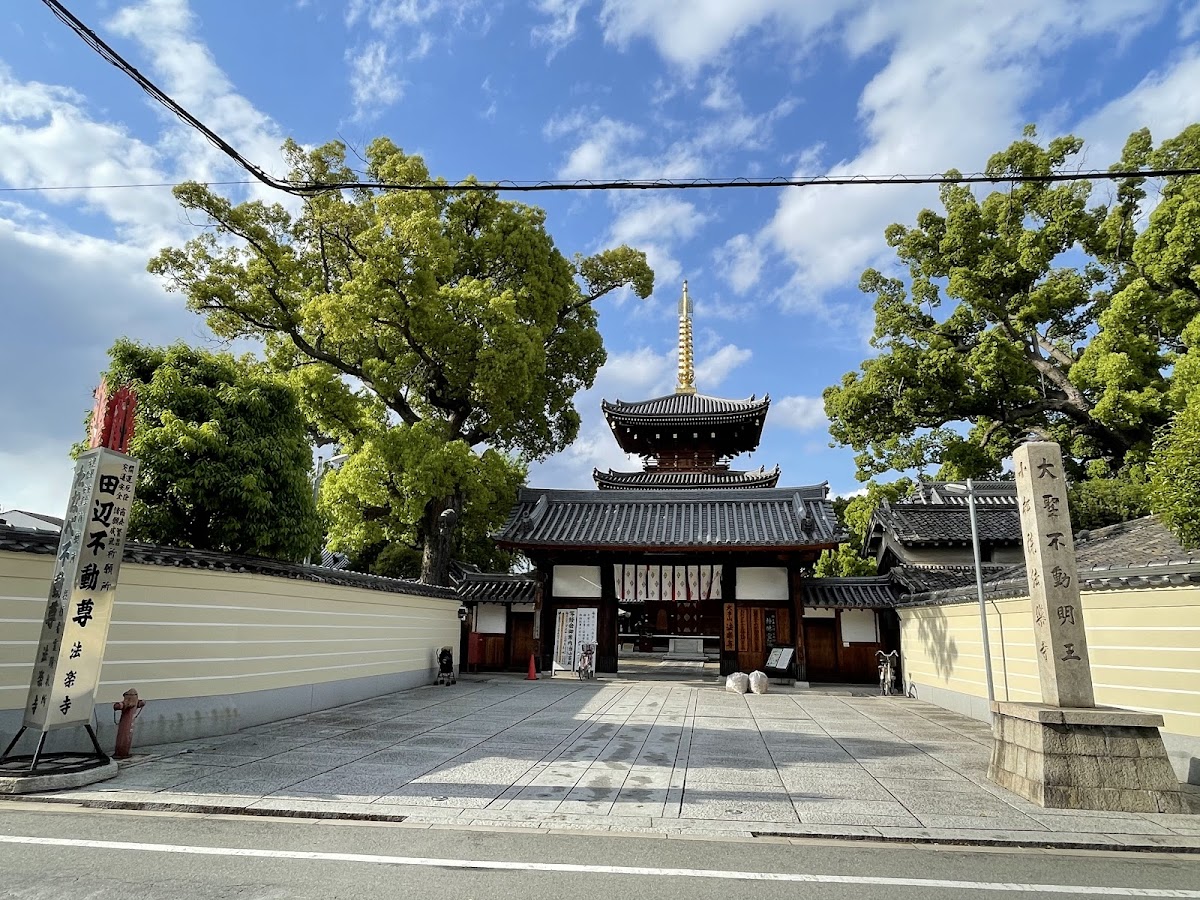
Shikinzan Komatsuin Horakuji is a Shingon sect Sennyūji school head temple located in Yamasaka 1-chome, Higashisumiyoshi Ward, Osaka City. Known affectionately as “Tanabe Fudo-son” by local residents, its principal image is the Great Holy Fudo Myoo. Its mountain name is Shikinzan, and its temple name is Komatsu-in. It is known as an ancient temple dating back to the late Heian period.
Location: 1-18-30 Yamasaka, Higashisumiyoshi-ku, Osaka City
Phone Number: 06-6621-2103
Sect: Shingon-shu Sennyu-ji School, Head Temple
Principal Image: Fudo Myoo
History
Founding and Taira no Shigemori
It is said that Horaku-ji Temple was founded in 1178 (Jisho 2) by Taira no Shigemori, the eldest son of Taira no Kiyomori, the leader of the Taira clan. According to tradition, the temple’s origins lie in the construction of a magnificent temple complex to enshrine the Nyoirin Kannon Bodhisattva, which was the personal devotional image of Minamoto no Yoshitomo, in order to mourn the spirits of both the Taira and Minamoto clans who died in the Genpei War, treating both enemies and allies equally.
Taira no Shigemori was a devout Buddhist, and in 1189, upon hearing of the high virtue of the Chinese Zen master Yuwangshan Fo Zhao, he offered 3,000 ryo of gold to seek a spiritual connection. This story is also recorded in Volume 3, “Kin-to,” of the *Tale of the Heike*. Fo Zhao, impressed by Shigemori’s devotion to Buddhism, bestowed upon him a purple-gold Buddha relic from Yuwangshan. From this origin, the temple came to be known as “Shikinzan” (Purple Gold Mountain).
Pilgrimage to Kumano and the Dedication Ceremony
Records indicate that Taira no Shigemori stopped at Horakuji Temple on his way to a pilgrimage to Kumano and held a dedication ceremony. During the late Heian period, pilgrimages to Kumano were popular among nobles and samurai, and Horakuji Temple was one of its important bases.
War and Reconstruction
Throughout its long history, Horakuji Temple has faced numerous trials. In particular, during the time of Oda Nobunaga, many of its buildings were destroyed by fire. However, reconstruction gradually progressed throughout the Edo period, and the current temple complex was established.
Even after the Meiji era, it continued to develop as a center of local faith, establishing its position as the head temple of the Sennyuji branch of the Shingon sect.
Highlights of the Temple Grounds
Main Hall
The main hall houses the principal image, the Great Holy Fudo Myoo. Fudo Myoo is an important deity in Esoteric Buddhism, worshipped as a Buddha who crushes worldly desires and saves all sentient beings. The Fudo Myoo at Horakuji Temple is considered particularly miraculous, attracting many pilgrims.
Temple Gate
The temple gate, which serves as the entrance to the temple grounds, is an important structure that reflects the status of the temple. It retains the architectural style of the Edo period and is a valuable historical relic that tells the story of the temple’s restoration.
Kosaka Kiseki Memorial Museum
The Kosaka Kiseki Memorial Museum is located within the temple grounds, exhibiting works and related materials by the calligrapher Kosaka Kiseki. It enhances the value of Horakuji Temple from a cultural and artistic perspective.
Cultural Properties
Horakuji Temple houses many cultural properties that have been preserved and passed down through its long history. Precious items from the Heian period to the Edo period are preserved, including Buddhist statues such as the Nyoirin Kannon Bodhisattva statue, ancient documents, and Buddhist implements.
Annual Events
Fudo Myoo Festival
The 28th of each month is the festival day for Fudo Myoo, attracting many worshippers. A special goma (fire ritual) is performed on this day to pray for the wishes of the worshippers. The Goma fire ritual is performed twice a day, at 10:30 AM and 1:30 PM.
Other Events
Throughout the year, various Buddhist events are held, including New Year’s Day visits, Setsubun festivals, and Obon memorial services. These events also serve as important gathering places for the local community.
Access
Access by Train:
- Get off at Minami-Tanabe Station (East Exit) on the JR Hanwa Line, approximately 5 minutes on foot (approximately 100m east)
- Get off at Tanabe Station (Osaka Metro Tanimachi Line), approximately 10 minutes on foot
Admission Fee: Free entry to the temple grounds (special viewings require confirmation)
Horakuji Temple, Ashikaga City, Tochigi Prefecture
Basic Information
Horakuji Temple, located in Honjo, Ashikaga City, Tochigi Prefecture, is a Soto Zen Buddhist temple. Known for its connection to the Ashikaga clan, it is an indispensable part of Ashikaga City’s history.
Location: 3-2067 Honjo, Ashikaga City, Tochigi Prefecture
Sect: Soto Zen
Mountain Name: Seigi-zan
History and Relationship with the Ashikaga Clan
Horakuji Temple in Ashikaga City has deep ties to the Ashikaga clan, who founded the Muromachi Shogunate. The Ashikaga clan expanded their power from this region during the Kamakura and Muromachi periods. Horakuji Temple flourished as one of the Ashikaga clan’s family temples and, along with Ashikaga School, as a cultural center.
The temple grounds contain historical sites and tombs related to the Ashikaga clan, making it a valuable place to visit for history enthusiasts.
Temple Grounds and Highlights
Characterized by Zen Buddhist architecture typical of Soto Zen temples, the temple offers a tranquil atmosphere for Zen meditation and other practices. The main hall and other temple buildings retain Edo period style, conveying the history of Ashikaga to the present day.
Access
Access by Train/Walking:
- Approximately 25 minutes on foot or 12 minutes by car from JR Ryomo Line “Ashikaga Station”
- Approximately 25 minutes on foot or 12 minutes by car from Tobu Isesaki Line “Ashikaga-shi Station”
Access by Car:
- Approximately 15 minutes by car from Kita-Kanto Expressway “Ashikaga IC”
Horakuji Temple (Banshu Inu-dera) in Hyogo Prefecture
Basic Information
Kinrakuzan Horakuji Temple is located in Hyogo Prefecture and is a temple with a unique history, known by its nickname “Banshu Inu-dera” (Banshu Dog Temple).
Nickname: Banshu Inu-dera
Mountain Name: Kinrakuzan
History and Origin
Horakuji Temple, known as Banshu Inu-dera, has a rare origin story: it was founded in honor of two loyal dogs. This legend is widely known in the region, and the temple is cherished as an embodiment of Buddhist teachings that preach compassion for animals.
The story of the loyal dog celebrates loyalty and devotion to its master and is passed down as one of the most moving legends about dogs in Japan.
Features
As its nickname “Dog Temple” suggests, the temple is dedicated to dogs, with many lucky charms and votive tablets, and attracts many visitors praying for the health and safety of their pets. In today’s world, where animal welfare is highly valued, it is gaining attention as a temple with new meaning.
Other Horakuji Temples
Horakuji Temple in Tawaramoto Town, Nara Prefecture
There is also a Horakuji Temple in Tawaramoto Town, Shiki District, Nara Prefecture. According to historical records, it was built on the site of Emperor Korei’s Kuroda Ioto Palace and is said to have been founded by Prince Shotoku.
The temple buildings were destroyed by fire in 1207, but were rebuilt in 1222. A wooden panel bearing an ink inscription from August of the third year of the Chōroku era (1459) depicts the temple complex of Hōraku-ji during its heyday, and it is said that the temple boasted 25 buildings during its peak in the Muromachi period.
The main image is a standing statue of Kōyasu Jizō Bodhisattva, and the temple also houses other older Buddhist statues, such as a seated statue of Jizō Bodhisattva in monastic form (early Muromachi period).
Hōraku-ji Temple, Fukuyama City, Hiroshima Prefecture
There is also a Shingon Buddhist temple called Hōraku-ji in Hirano, Kannabe-cho, Fukuyama City, Hiroshima Prefecture. This temple functions as a center of local faith and also has an attached cemetery and burial ground.
Guidelines for Visiting Horakuji Temple
Temple Visiting Manners
When visiting a temple, please observe the following basic manners:
- Dress Code: Avoid revealing clothing and wear clean attire.
- Bow at the Temple Gate: Bow before entering the temple grounds to compose yourself.
- Quietness: Act quietly within the temple grounds and be considerate of other visitors.
- Photography: Do not take pictures in areas where photography is prohibited.
- Offering: Offer a monetary donation at the main hall and bow in prayer.
About Goshuin (Temple Seals)
Many Horakuji temples offer Goshuin. Bring your Goshuincho (stamp book) and request one at the temple office after your visit. It is important to remember that Goshuin are proof of your visit, not a stamp rally.
Cultural Significance of Horakuji Temple
The Philosophy of Equality Between Friend and Enemy
The philosophy of “equality between friend and enemy,” embodied particularly by Horakuji Temple in Osaka, symbolizes the Buddhist spirit of compassion. The idea of offering prayers for both friend and foe without distinction, amidst the fierce conflict of the Genpei War, holds universal value that resonates with modern peace philosophy.
Center of Local Communities
Horakuji temples throughout Japan have functioned not merely as religious institutions, but as centers of local communities. Through annual events and festivals, they deepen bonds among people and play a role in passing on traditional culture to future generations.
Protection of Cultural Properties
Horakuji temples, with their long history, house many cultural properties, including buildings, Buddhist statues, and ancient documents. These are valuable resources for studying Japanese history and art, and their proper preservation and public access are essential.
Horakuji Temple in the Modern Age
As a Place of Worship
Even in modern times, Horakuji temples function as a place of worship for many people. In particular, at Horakuji Temple in Osaka, many worshippers visit on the monthly festival days to receive Goma fire rituals. The devotion to Fudo Myoo remains strong, and people with various wishes visit the temple.
As a Tourist Resource
As a temple of high historical value, Horakuji Temple is also attracting attention as a tourist resource. In particular, Horakuji Temple in Ashikaga City, along with Ashikaga School and Bannaji Temple, is an important component of “Ashikaga, the City of Learning,” and is included in historical sightseeing routes.
A Hub for Cultural Activities
Like Horakuji Temple in Osaka, which houses the Kosaka Kiseki Memorial Museum, some temples function not only as religious centers but also as hubs for cultural and artistic activities. They contribute to the promotion of local culture through diverse activities such as calligraphy exhibitions and cultural lectures.
Summary
Temples named Horakuji exist throughout Japan, each with its own unique history and characteristics. Horakuji Temple, the head temple of the Shingon sect’s Sennyuji branch, located in Higashisumiyoshi Ward, Osaka City, is most famous for its venerable history, having been founded by Taira no Shigemori, and for embodying the philosophy of equality between friend and foe. It is bustling with many worshippers on the 28th of each month, its festival day, and is affectionately known as Tanabe Fudōson in the local community.
Horakuji Temple in Ashikaga City, Tochigi Prefecture, has a distinctive history as a temple associated with the Ashikaga clan, while Horakuji Temple in Hyogo Prefecture is known as the “Dog Temple” due to a legend of a loyal dog. Furthermore, there are Horakuji Temples in Nara and Hiroshima Prefectures, each serving as a center of faith in their respective regions.
When visiting Horakuji Temple, it is important to understand its historical background and cultural significance, and to observe appropriate manners during your visit. In the tranquil atmosphere of the temple grounds, you can reflect on its long history and find peace of mind.
Access to each Horakuji Temple is relatively good, and they can be reached by public transport or car. Horakuji Temple in Osaka is particularly easy to access, located just a 5-minute walk from JR Minami-Tanabe Station, making it a convenient place to visit.
Please do visit Horakuji Temple, where you can experience Japanese history and culture.