Complete Guide to Modorogi Shrine (Otsu City, Shiga Prefecture): An Ancient Shrine Protecting Travelers’ Safe Journeys
Modorogi Shrine, located in Ikadachi-cho, Otsu City, Shiga Prefecture, is an ancient shrine cherished by the local community as a place to pray for safe travels. Situated along National Route 477, facing the former Saba Kaido (Mackerel Road), this shrine, as its unique pronunciation “Modorogi” suggests, has attracted worshippers as a place to pray for travelers’ safe return. This article comprehensively introduces information useful for visiting Modorogi Shrine, including its history, enshrined deities, blessings, highlights of the grounds, information on Goshuin (shrine stamps), and access methods.
What is Modorogi Shrine?: The Meaning Behind the Name “Modorogi”
As its name suggests, Modorogi Shrine is a shrine that prays for “returning.” The reading “Modorogi” is said to originate from the archaic word “modoroku” (to return), and the shrine has long been a place of worship for travelers and local residents, who prayed for the safe return of those who had embarked on journeys.
Located at 518 Ikadachi-cho, Otsu City, Shiga Prefecture, this shrine faces the Saba Kaido (Wakasa Kaido), a road that runs from the western shore of Lake Biwa to Wakasa and Obama. Many travelers once passed through this area. It is said that merchants transporting seafood to Kyoto and pilgrims would visit this shrine to pray for safe travels and a safe return.
Deity and Divine Virtue: History of the Shrine Dedicating the Spirit of Fujiwara no Tabiko
Deity
The deity enshrined at Kanrai Shrine is Fujiwara no Tabiko no Mitama. Fujiwara no Tabiko was a figure from the Heian period and is worshipped as a deity associated with travel. The fact that the name includes the character for “travel” suggests its character as a deity that presides over the safety of travelers.
Divine Virtues and Benefits
The main divine virtues that can be bestowed at Kanrai Shrine are as follows:
- Safe Travel: Safe journeys and safe return for travelers
- Traffic Safety: Safe travel by car in modern times
- Long-lasting Military Fortune: Safe and victorious warriors
- Family Safety: Health and peace for family members
- Protection from Misfortune: Protection from disaster
It is particularly known for its blessings of safe travel, and many people visit before traveling or going on business trips. As the name “Modorogi” (meaning “returning”) suggests, people visit with the wish that they will “definitely return safely.”
History of Kanrai Shrine: An ancient shrine that has walked hand in hand with the Saba Kaido (Mackerel Road)
Founding and History
The exact founding date of Kanrai Shrine is unknown, but it is believed to have existed since the Heian period. The shrine’s enshrinement of Fujiwara no Tabiko suggests a deep connection to the faith of Heian-period aristocrats.
Relationship with the Saba Kaido Road
The National Route 477, which the shrine faces, was once an important transportation route known as the Saba Kaido (Wakasa Kaido). It served as a route for transporting seafood, such as mackerel, caught in Wakasa Bay to Kyoto, and as a major road connecting Kyoto and the Hokuriku region, with many people traveling along it.
Kanrai Shrine was an important place of prayer for travelers traversing this road. It served as a place to pray for safe journeys before crossing treacherous mountain paths and to offer thanks upon a safe return, thus walking hand in hand with the history of the road.
Current Management System
Currently, Kanrai Shrine is managed by Ogura Shrine. Therefore, goshuin (shrine seals) are issued at Ogura Shrine. It continues to be carefully preserved as a local guardian shrine and a historically significant ancient shrine.
Highlights of the Shrine Grounds: The Vermilion Torii Gate and the Tranquil Atmosphere
The Vermilion Torii Gate
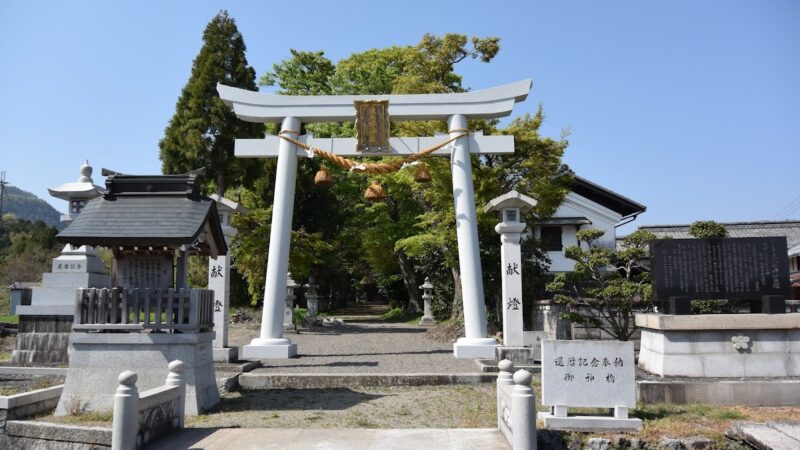
The first thing that catches the eye upon visiting Kanrai Shrine is its beautiful vermilion torii gate. Standing along the national highway, this gate makes a striking impression on the shrine’s presence. The vibrant vermilion color signifies the entrance to the sacred area and also symbolizes a warm welcome to travelers.
The Worship Hall and Main Shrine
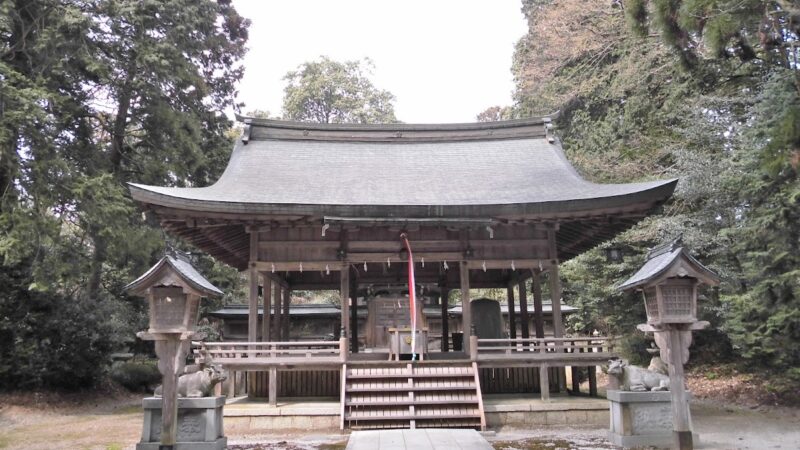
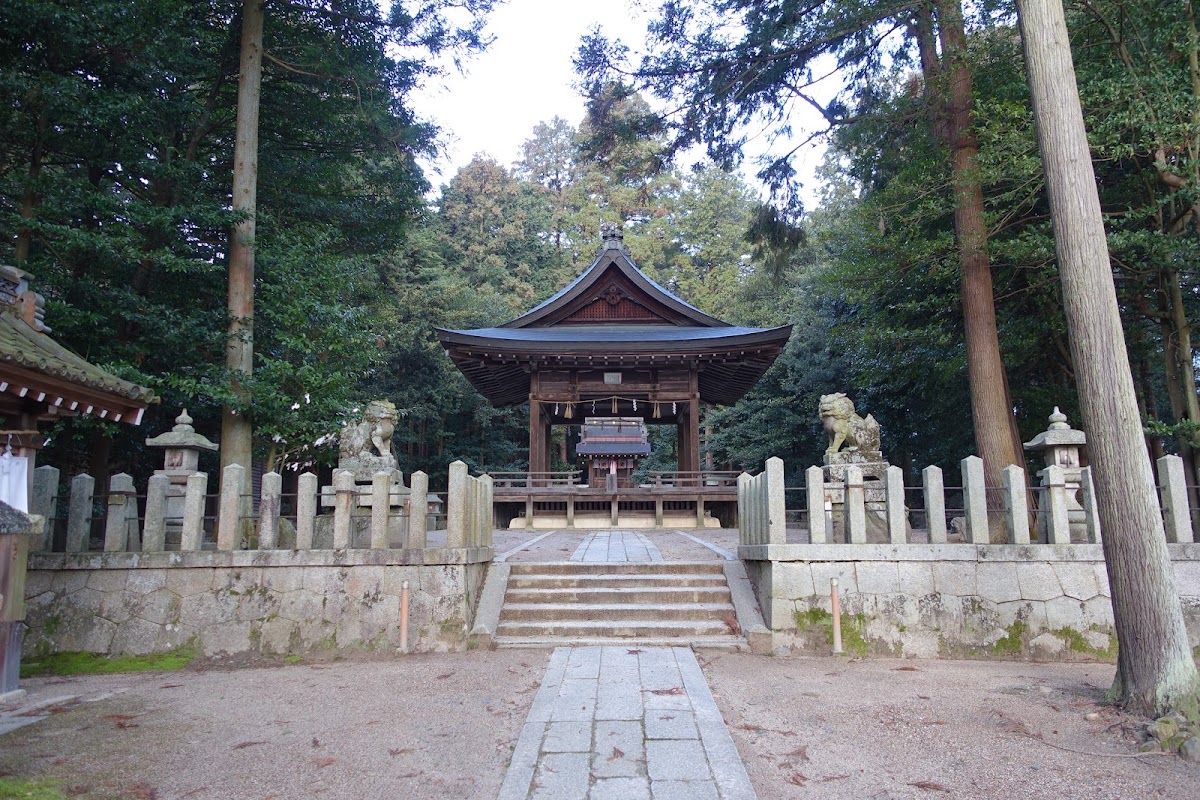
After passing through the torii gate, the worship hall appears within the compact shrine grounds. While simple, the worship hall is meticulously maintained, reflecting the deep faith of the local people. Behind the worship hall sits the main shrine, quietly enshrining the deity.
Frog Figurines
In front of the worship hall, there are frog figurines that delight visitors. Frogs are popular symbols of safe travel and traffic safety, as the Japanese word for frog (kaeru) sounds similar to “safe return” (kaeru). Combined with the name “Modorogi” of Kanrai Shrine, it creates a welcoming atmosphere for visitors.
The Sacred Ginkgo Tree
There is a magnificent ginkgo tree on the shrine grounds, which displays beautiful yellow leaves in autumn. This ginkgo tree, as a sacred tree that has watched over the history of the shrine, and as a presence that makes one feel the changing seasons, soothes the hearts of visitors. During the autumn foliage season, it presents such a magnificent view that people passing by on the national highway stop to admire it.
Subsidiary Shrines: Wakamiya Shrine and Shimoji Shrine
Several subsidiary shrines are enshrined on the grounds of Kanrai Shrine.
Wakamiya Shrine
Wakamiya Shrine is a subsidiary shrine that enshrines Wakamiya, the main deity. Wakamiya worship is found throughout Japan, and often enshrines the child deity or related deities of the main deity. It is revered as an important subsidiary shrine at Kanrai Shrine.
Shimoji Shrine
Shimoji Shrine is also one of the subsidiary shrines enshrined on the grounds. These smaller shrines are worshipped alongside the main shrine, serving as guardian deities of the region and as deities possessing specific divine virtues.
These subsidiary shrines indicate that Kanrai Shrine was not merely a place for praying for safe travels, but also a central hub of community faith.
Festivals and Annual Festivals: Annual Events
Annual Festival
Kanrai Shrine holds religious ceremonies throughout the year. The annual festival, in particular, is the most important event for the shrine, where local residents gather to express gratitude for divine blessings and pray for future peace.
For information on the dates and details of the annual festival, please inquire at Ogura Shrine, which is managed by the same shrine. As a shrine deeply rooted in the community, this festival is carefully preserved by parishioners and devotees.
Other Annual Events
It is believed that the shrine also holds annual events commonly observed at Japanese shrines, such as the New Year’s visit (Hatsumode), Setsubun (bean-throwing festival), and the summer purification ritual (Nagoshi no Harae). Despite its small size, the shrine continues to uphold its traditions.
Goshuin Information: Issuance at Ogura Shrine
The goshuin (seal) of Kanrai Shrine is issued at Ogura Shrine, which is also managed by Kanrai Shrine. After visiting Kanrai Shrine, you can visit Ogura Shrine to receive the goshuin.
About Ogura Shrine
Ogura Shrine is the shrine responsible for managing Kanrai Shrine and is also located in Otsu City. Those wishing to receive a goshuin are advised to check the visiting hours and availability in advance.
Goshuin Collecting Etiquette
Goshuin are not merely stamp rallies; they are given as proof of worship. Always complete your worship before receiving a goshuin. It is also important to bring your goshuin book and request it using polite language.
Access and Visiting Information
Location
Address: 518 Ikadachi-cho, Otsu City, Shiga Prefecture
Access by Car
Kanrai Shrine is located along National Route 477, making it easily accessible by car.
- From Kyoto: Take National Route 367 to National Route 477
- From Otsu city center: Take Prefectural Route 558, etc., to National Route 477
- Car navigation setting: Search for “Kanrai Shrine” or address
There is parking space for visitors in front of the shrine, but please be extremely careful of traffic safety when parking as it is located along a national highway.
Access by Public Transportation
Public transportation access is limited, but the following methods are available:
- Take a bus or taxi from JR Kosei Line “Katata Station”
- If taking a bus, take a bus bound for Ikadachi and walk from the nearest bus stop
If using public transportation, it is recommended to check the timetable and route in advance. ### Visiting Hours
The temple grounds are generally open for free visits. However, please refrain from visiting early in the morning or late at night, and visit during reasonable hours.
Nearby Tourist Attractions
When visiting Kanrai Shrine, you can also visit nearby tourist attractions:
- Kōshōji Temple: A nearby temple where you can see historical architecture.
- Kanda Shrine: Another shrine located in the Ikadachi area.
- Historical Sites along the Saba Kaido Road: Follow the historical road that connected Wakasa and Kyoto.
- Western Shore of Lake Biwa: Enjoy the lakeside scenery and a drive along the lakeside road.
Etiquette for Visiting Kanrai Shrine
Etiquette for Visiting Shrines
When visiting Kanrai Shrine, please observe the basic etiquette for visiting a shrine:
- Bow at the Torii Gate: Bow before passing through the torii gate to show respect for entering the sacred area.
- Walking on the Approach: The center of the approach is considered the path of the gods, so walk along the sides.
- Watering Procedure: If there is a watering basin, cleanse your left hand, then your right hand, then your mouth.
- Worship at the Main Hall: Worship using the ritual of two bows, two claps, and one bow.
- Bow Upon Departure: When leaving the shrine grounds, turn back at the torii gate and bow.
How to Pray for Safe Travel
When visiting Kanrai Shrine before your trip, pray with the following mindset:
- Mentally report your travel destination and itinerary to the gods.
- Pray for safety during your journey and a safe return.
- Vow to return to the shrine to express your gratitude upon your return.
- If possible, visit the shrine again on your return journey to express your thanks.
The Charm of Kanrai Shrine: A Quiet Place of Prayer
The greatest charm of Kanrai Shrine lies in its simplicity and tranquil atmosphere. Unlike large tourist shrines, it has the approachability of a small, community-based shrine.
Despite its location along a national highway, stepping onto the shrine grounds reveals a quiet space far removed from the hustle and bustle of everyday life. This shrine embraces the individual feelings of each visitor, serving as a place to pray for safe travels and a place to express gratitude for daily peace.
Seasonal Expressions
Kanrai Shrine displays different expressions throughout the four seasons:
- Spring: New greenery sprouts, and the air is refreshing.
- Summer: Covered in deep green, it offers cool shade.
- Autumn: The sacred ginkgo tree displays magnificent yellow leaves, coloring the approach to the shrine.
- Winter: Enveloped in silence, one can feel the dignified atmosphere of the sacred grounds.
Kanrai Shrine and the Modern Age: The Prayer for Safe Travels Remains
Kanrai Shrine was once a place where travelers traversing the Saba Kaido (Mackerel Road) prayed for their safe return. Even today, that spirit of prayer continues unchanged.
Even in modern times, where travel by car is the norm, visitors come with various thoughts and feelings: those praying before trips or business trips, those praying for safe driving, and those praying for the safe travels of loved ones. The wish to “definitely return,” embodied in the name “Modorogi,” resonates in people’s hearts as a universal prayer that transcends time.
Connection with the Community: Guardian Deity of Ikadachi
Kanrai Shrine has played a central role in the local community as an important place of worship in the Ikadachi area. It is cherished by local residents as their tutelary deity, and festivals serve as a gathering place for people to deepen their bonds.
The small but carefully maintained shrine grounds are a testament to the local people’s affection for the shrine and their determination to preserve tradition. Visitors can experience a part of the history and culture of this region.
Summary: Praying for Safe Travels at Kanrai Shrine
Located in Ikadachi-cho, Otsu City, Shiga Prefecture, Kanrai Shrine, as its unique name “Modorogi” suggests, is an ancient shrine where people pray for safe travels and a safe return. This shrine, dedicated to the spirit of Fujiwara no Tabiko and intertwined with the history of the Saba Kaido (Mackerel Road), continues to attract worshippers today seeking blessings for safe travel and traffic safety.
With its vermilion torii gate, frog figurines, and sacred ginkgo tree, the shrine grounds have a welcoming atmosphere that warmly greets visitors. Unlike large-scale tourist shrines, Kanrai Shrine offers a simple and quiet place of prayer, providing peace and protection to many.
Why not visit Kanrai Shrine to pray for safety before your trip, as a stop during a drive, or as part of a tour of Shiga Prefecture’s historical shrines? A visit with a prayer for a safe return will surely bring peace and tranquility to your heart.