Hayao Shrine (Otsu City, Shiga Prefecture) Complete Guide | Goshuin (Shrine Seal), Divine Virtues, and Access Information
Nestled quietly on the slopes of Mt. Nagara in Otsu City, Shiga Prefecture, Hayao Shrine is an ancient shrine with a history of approximately 1200 years. Founded as the guardian shrine of the northern branch of Mii-dera Temple (Onjo-ji Temple), it has long been revered as the guardian deity of the Jimon sect. This article provides detailed information useful for visitors, including the history of Hayao Shrine, its enshrined deities, divine virtues, highlights of the grounds, goshuin information, and access methods.
Basic Information about Hayao Shrine
Location: 736 Yamagami-cho, Otsu City, Shiga Prefecture
Main Deity: Takehayasusano-no-Mikoto
Associated Deity: Sarutahiko-no-Mikoto
Founded: 859 AD
Shrine Rank: Former Village Shrine
Annual Festival: Second Sunday of October
Parking: Available (Free)
Hayao Shrine is located approximately 12 minutes on foot from Keihan Railway’s “Otsu City Hall Station” or approximately 5 minutes on foot from the “Oujigaoka Park Bus Stop.” Surrounded by the lush greenery of Mount Nagara, the shrine grounds exude a tranquil atmosphere, far removed from the hustle and bustle of the city.
History and Origins of Hayao Shrine
Founded by Chisho Daishi Enchin
The founding of Hayao Shrine dates back to the first year of the Jogan era (859 AD). It is said that when Chisho Daishi Enchin (also known as Chicho Daishi) was restoring Mii-dera Temple, he brought a divided spirit of Hayao Okami from Hiyoshi Taisha Shrine (the seven Hiyoshi shrines) in Sakamoto and enshrined it in this location. Enchin founded Hayao Shrine, along with the Shinra Zenjindo (a nationally designated important cultural property), as the guardian deity of the northern precinct of Mii-dera Temple.
Chisho Daishi Enchin was the founder of the Tendai Jimon sect. After training at Enryaku-ji Temple on Mount Hiei, he traveled to Tang China to study esoteric Buddhism. Upon his return to Japan, he developed Mii-dera Temple (Onjo-ji Temple) as a base for the Tendai Jimon sect. Hayao Shrine became one of the religious and spiritual pillars of Mii-dera Temple, serving as the guardian deity of the Jimon sect.
History of Conflict with the Sanmon School and Reconstruction
From the Heian period to the Middle Ages, the Tendai sect split into the Sanmon school, based at Enryaku-ji Temple on Mount Hiei, and the Jimon school (Jimon sect), based at Mii-dera Temple, resulting in fierce conflict. Because Hayao Shrine was the guardian shrine of Mii-dera Temple, it was frequently attacked by the Sanmon school, repeatedly reduced to ashes and then rebuilt.
Despite this history of hardship, Hayao Shrine has been preserved to this day thanks to the faith of the local people and the efforts of the monks of Mii-dera Temple. Although it became an independent shrine from Mii-dera Temple due to the Meiji-era separation of Shinto and Buddhism, it still retains a historical background that suggests a deep connection with Mii-dera Temple.
Relationship with Sakamoto Hiyoshi Taisha Shrine
Hayao-no-Okami, the deity enshrined at Hayao Shrine, was originally a deity worshipped at Sakamoto Hiyoshi Taisha Shrine. Hiyoshi Taisha Shrine is known as the guardian deity of Enryaku-ji Temple, located at the foot of Mount Hiei, and is a large shrine consisting of several shrine buildings known as the Hiyoshi Seven Shrines (or Hiyoshi Twenty-One Shrines).
Hayao-no-Okami is enshrined as one of the Hiyoshi Seven Shrines, and it was when Chisho Daishi divided the spirit of this deity and made it the guardian deity of Mii-dera Temple that Hayao Shrine was established. Thus, Hayao Shrine has a history deeply connected to Hiyoshi Taisha Shrine, Mii-dera Temple, and Mount Hiei, the centers of Buddhism and Shinto in Omi and Kyoto.
Deities and Divine Virtues
Main Deity: Takehayasusano-no-Mikoto
The main deity of Hayao Shrine is Takehayasusano-no-Mikoto. In Japanese mythology, Susanoo-no-Mikoto is known as the younger brother of Amaterasu-Omikami and is famous as a heroic god who slayed the eight-headed serpent Yamata-no-Orochi. As his name “Takehaya” (meaning “fast warrior”) suggests, he is worshipped as a brave, courageous, and decisive deity.
Divine Virtues of Susanoo-no-Mikoto:
- Courage and Good Fortune: Grants courage to face difficulties and good fortune in competitions.
- Protection from Misfortune and Disaster: Purifies and wards off all calamities and evil spirits.
- Industrial Development: Protects the development of all industries, including agriculture and commerce.
- Matchmaking: From the myth of Susanoo-no-Mikoto’s union with Kushinadahime-no-Mikoto, he brings good fortune in relationships.
- Compassion and Family Safety: Protects the family and brings peace to the home.
Enshrined Deity: Sarutahiko-no-Mikoto
Sarutahiko-no-Mikoto is enshrined alongside the main deity. Sarutahiko-no-Mikoto is a Kunitsukami (earthly deity) who guided the descent of the heavenly grandchild and is widely worshipped as the “god of opening paths.”
Divine Virtues of Sarutahiko-no-Mikoto:
- Opening the Way and Guidance: Guiding you to the right path at life’s crossroads
- Traffic Safety: Safe travels and protection from traffic accidents
- Protection from Directional Misfortunes: Removing misfortunes related to direction during moving or travel
- Business Success: Guiding new businesses and plans to success
- Longevity and Longevity: Protection for a long and healthy life
Shrine within the Precincts: Ko-Otomo Shrine (Otomo no Yota no Ōkimi)
To the left of the main hall is the Ko-Otomo Shrine, where Otomo no Yota no Ōkimi is enshrined. Otomo no Yota no Ōkimi was the son of Prince Ōtomo (Emperor Kōbun), who was defeated in the Jinshin War, and is considered the founder of Mii-dera Temple (Onjō-ji Temple).
Prince Otomo Yota, in order to mourn his father’s passing, built a temple using the profits from the land bestowed upon him by Emperor Tenmu. This marked the beginning of Mii-dera Temple. The presence of a shrine dedicated to the temple’s founder within the grounds of Hayao Shrine, which has deep ties to Mii-dera Temple, is historically significant.
Highlights of the Shrine Grounds
Architectural Style of the Main Hall
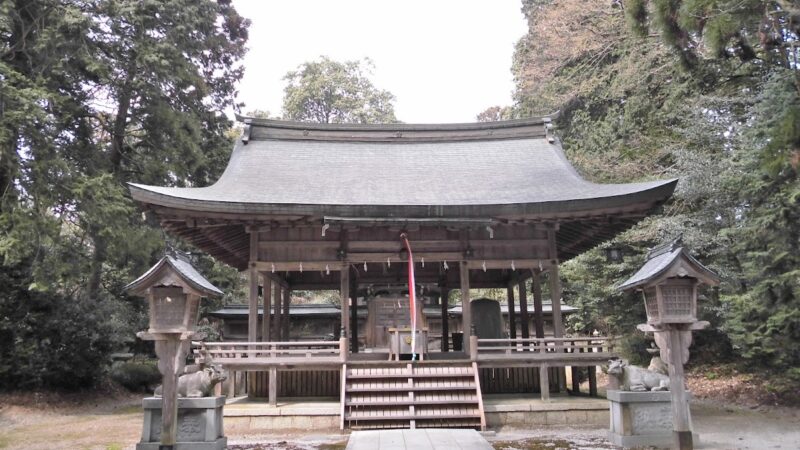
The main hall of Hayao Shrine is built in the irimoya-zukuri style, a magnificent structure measuring one ken 3 shaku wide and one ken 3 shaku deep. The irimoya-zukuri style is a highly dignified architectural style that combines a gable roof with a hipped roof, and is used for important shrine buildings.
The main hall enshrines Takehaya Susanoo-no-Mikoto and Sarutahiko-no-Mikoto, creating a solemn atmosphere. The architectural details show elements of the Edo period, making it a building of high historical value.
Worship Hall
The worship hall measures 2 ken 3 shaku in width and 2 ken 3 shaku in depth, serving as a place for worshippers to offer prayers. Looking towards the main shrine from the worship hall, one can feel a solemn atmosphere against the backdrop of the lush greenery of Mount Nagara.
Relationship with the Mountain Fudo Hall
Near Hayao Shrine is the Mountain Fudo Hall, which houses a statue of Fudo Myoo said to have been carved by Chisho Daishi. In the past, during the era of syncretism of Shinto and Buddhism, Hayao Shrine and the Mountain Fudo Hall were worshipped as one entity. Even today, the two are close together, and many worshippers visit both.
Sengoku-iwa Rock
Near the shrine grounds is a massive rock called “Sengoku-iwa Rock,” known as part of the natural landscape of Mount Nagara. This rock has been an object of worship since ancient times, preserving the remnants of mountain worship.
The Shrine Grounds Enveloped in Silence
The greatest charm of Hayao Shrine is its tranquil atmosphere. Located on the slopes of Mt. Nagara, the shrine grounds are surrounded by lush greenery, creating a tranquil space where only the sounds of birdsong and wind can be heard. It’s a precious place to escape the hustle and bustle of the city and find peace of mind during your visit.
Goshuin (Shrine Seal) Information
Goshuin are available at Hayao Shrine.
Donation Fee: 300 yen
Location: Shrine office (advance confirmation is recommended as staff may be absent)
Hours: 9:00 AM – 4:00 PM (approximate)
The goshuin features the calligraphy of “Hayao Shrine” and the shrine’s seal. Characterized by its simple yet powerful calligraphy, it’s a popular souvenir for visitors. However, due to the shrine’s size, the office isn’t always open. Therefore, to ensure you receive a goshuin, it’s recommended to call ahead or visit during festivals or other special events.
If you don’t already have a goshuin notebook, this might be a good opportunity to purchase one. Some major shrines in Shiga Prefecture offer original goshuincho (stamp books).
Annual Events and Festivals
Annual Festival (Second Sunday of October)
The annual festival of Hayao Shrine is held every year on the second Sunday of October. Parishioners and local residents gather, and a solemn Shinto ritual is performed. The festival sometimes includes the dedication of Kagura (sacred dance) and a Naorai (celebratory feast), making it an important event that strengthens the bonds of the local community.
Other Festivals
- New Year’s Day Festival (January 1st): A festival celebrating the New Year
- Setsubun Festival (Around February 3rd): A Shinto ritual for warding off evil
- Summer Purification Ceremony (June 30th): A Shinto ritual to purify oneself of the impurities accumulated over the past six months
- Year-End Purification Ceremony (December 31st): A Shinto ritual to purify oneself of the impurities accumulated over the past year
During these festivals, the normally quiet shrine grounds become bustling with worshippers.
Access Methods
Access by Public Transportation
Using the Keihan Railway:
- Get off at “Otsu City Hall Station” on the Keihan Ishiyama-Sakamoto Line, approximately 12 minutes on foot.
- Get off at “Keihan Otsukyo Station,” approximately 11 minutes on foot.
Using the Bus:
- Get off at “Oujigaoka Park Bus Stop,” approximately 5 minutes on foot (nearest bus stop).
The route from Otsu City Hall Station to the shrine goes through a residential area and uphill. Since signs are limited, we recommend using a smartphone map app.
Access by Car
From the Meishin Expressway:
- Approximately 15 minutes from “Otsu IC”
- Approximately 20 minutes from “Kyoto East IC”
Parking: There are several free parking spaces in front of the shrine. However, it may get crowded during events such as festivals, so please consider using public transportation.
When searching using a car navigation system, searching for “Hayao Shrine, Yamagami-cho, Otsu City” or the phone number will display the accurate location.
Combining with Nearby Attractions
In addition to visiting Hayao Shrine, you can also visit the following nearby spots:
Mii-dera Temple (Onjo-ji Temple): Approximately 15 minutes on foot
The head temple of the Tendai Jimon sect, it houses numerous national treasures and important cultural properties. This temple is deeply connected to the history of Hayao Shrine.
Oujigaoka Park: Approximately 5 minutes on foot
A vast park, also known as a famous cherry blossom viewing spot. Ideal for families to relax.
Lake Biwa Canal: Approximately 10 minutes on foot
A historical waterway constructed during the Meiji era, famous for its beautiful cherry blossom trees.
Omi Jingu Shrine: Approximately 10 minutes by car
A shrine dedicated to Emperor Tenji, known as a sacred site for fans of the anime “Chihayafuru.”
Manners and Precautions for Visiting a Shrine
Basic Worship Etiquette
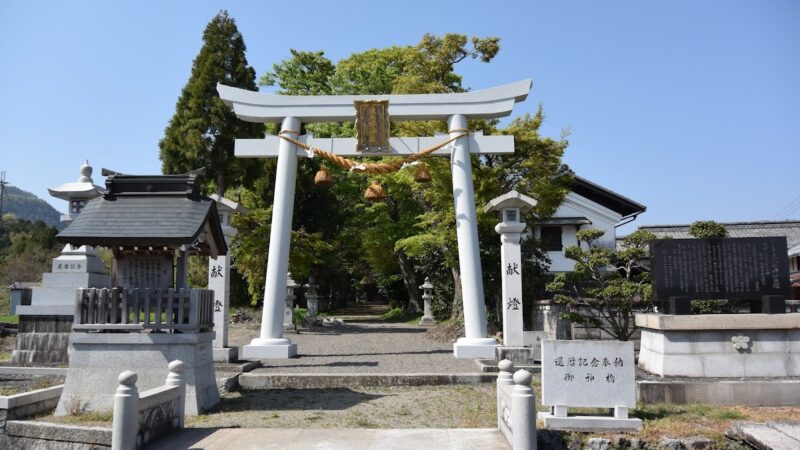
- Bow before passing through the torii gate: This is a courtesy before entering the sacred area.
- Avoid walking in the center of the path: The center is considered the path of the gods.
- Purify yourself at the water basin: Purify your left hand, right hand, and mouth in that order.
- Worship at the main hall: Two bows, two claps, and one bow is the basic ritual.
- Visit the subsidiary shrines: Be sure to also visit the Kotomo Shrine.
Photography
Photography is generally permitted within the shrine grounds, but please refrain from taking pictures inside the main hall or during religious ceremonies. Also, please be considerate of other worshippers.
Attire
There are no strict dress code regulations, but please wear clean clothing appropriate for visiting a shrine. Since you will be walking on mountain paths, comfortable walking shoes are recommended.
Seasonal Precautions
- Spring/Autumn: The weather is pleasant, making it the ideal season for visiting the shrine.
- Summer: Insect repellent and a hat will make your visit more comfortable.
- Winter: It gets cold due to the mountainous location. Please take thorough precautions against the cold.
Benefits Received at Hayao Shrine
By visiting Hayao Shrine, you can expect the following benefits:
Protection from Misfortune and Disaster
The powerful divine authority of Takehaya Susanoo-no-Mikoto will protect you from all kinds of misfortunes. This is especially recommended for those in their unlucky years or those facing a turning point in their lives.
Prayer for Victory and Success
You can pray for success in competitive situations such as exams, job hunting, and sports matches. With the protection of the courageous Susanoo-no-Mikoto, you will gain the strength to overcome difficulties.
Good Fortune and Path Opening
With the guidance of Sarutahiko-no-Mikoto, the right path in life will open up for you. Visiting this shrine is effective when starting something new or when you are unsure of your future path.
Family Safety and Matchmaking
Through the benevolent divine virtue of Susanoo-no-Mikoto, family bonds will deepen and you will be blessed with good relationships.
Longevity and Health Prayer
Through the divine virtue of Sarutahiko-no-Mikoto, who grants longevity, you will be protected and blessed with good health and a long life.
Gourmet and Rest Spots Around Hayao Shrine
Bakery TOIRO
A popular bakery within walking distance of Hayao Shrine. Known for its delicious bread made with local ingredients, it’s perfect for a break or light meal after visiting the shrine. Taking it out and enjoying it at Oujigaoka Park is also recommended.
Tea Houses and Cafes Around Mii-dera Temple
Around Mii-dera Temple, there are tea houses and cafes with beautiful views of Lake Biwa. You can relax and enjoy the view of Lake Biwa after visiting the shrine.
Restaurants in Otsu City
Around Otsu City Hall Station, there are numerous restaurants where you can enjoy Omi beef and delicacies from Lake Biwa. Enjoying Shiga’s cuisine along with your visit to the shrine is a great idea.
How to Enjoy Visiting Hayao Shrine
Visiting as a Historical Exploration
Visiting Hayao Shrine as part of a historical exploration of Tendai Buddhist sacred sites such as Mii-dera Temple, Hiyoshi Taisha Shrine, and Enryaku-ji Temple on Mount Hiei will provide a deeper understanding. You can experience firsthand the history of Japanese religion, including the conflict between the Sanmon and Jimon factions and the history of Shinto-Buddhist syncretism.
As a Shrine for Collecting Goshuin (Shrine Stamps)
Hayao Shrine is an essential stop on a pilgrimage to collect Goshuin from shrines and temples in Shiga Prefecture. Many famous shrines and temples are located nearby, such as Omi Jingu Shrine, Hiyoshi Taisha Shrine, Mii-dera Temple, and Ishiyama-dera Temple, allowing for efficient visits.
Combine with a Nature Walk
We recommend visiting the shrine while enjoying the nature of Mt. Nagara. You can refresh your mind and body by enjoying the forest bathing around the shrine grounds and observing natural landscapes such as Sengoku-iwa.
A Place for Quiet Time
Hayao Shrine, which has not been commercialized for tourism, is ideal for those who wish to offer prayers in peace. You can escape the hustle and bustle of everyday life and have time to reflect on yourself.
Summary
Hayao Shrine, with its 1200-year history, is a shrine that quietly continues to protect the local faith. It enshrines the powerful deities Takehaya Susanoo-no-Mikoto and Sarutahiko-no-Mikoto, and offers various divine blessings such as protection from evil, good fortune, and opening new paths.
With its deep connections to Mii-dera Temple and Hiyoshi Taisha Shrine, its history of conflict with the Sanmon sect, and the Kotomo-Otomo Shrine dedicated to Otomo Yota-no-Ō, it has many historically interesting elements, making it valuable not only as a tourist spot but also as a place to learn about Japanese religious history.
Nestled amidst the lush greenery of Mount Nagara, the shrine grounds offer the perfect environment for peaceful worship. When visiting Otsu City, be sure to stop by Hayao Shrine and experience its history and tranquil atmosphere.
Receiving a Goshuin (shrine stamp) and combining your visit with a trip to Mii-dera Temple and Oujigaoka Park will make for a fulfilling day. We hope your visit to Hayao Shrine, a hidden gem in Shiga Prefecture, will be a memorable experience.