Complete Guide to Seki Semimaru Shrine (Shiga Prefecture) | History, Benefits, and Access Information for the Upper and Lower Shrines
Seki Semimaru Shrine, located on Mt. Osaka in Otsu City, Shiga Prefecture, is a historic shrine dedicated to Semimaru, a master biwa player of the Heian period and a figure featured in the Hyakunin Isshu (One Hundred Poets, One Poem Each). It has long been revered as the god of music and performing arts, and even today, many people in the entertainment industry and musicians visit the shrine. This article provides a detailed explanation of the characteristics, history, benefits, and access methods for each of the upper, lower, and branch shrines of Seki Semimaru Shrine.
What is Seki Semimaru Shrine?
Seki Semimaru Shrine is the collective name for three shrines located in Otsu City, Shiga Prefecture. The shrine complex consists of three shrines: the Upper Shrine (formerly known as Seki Daimyojin Semimaru-gu), the Lower Shrine (formerly known as Seki Shimizu Daimyojin Semimaru-gu), and the Branch Shrine (Semimaru Shrine). Each functions as an independent shrine, yet they are united by a shared faith centered around Semimaru-ko.
The shrine holds the rank of former village shrine and is located at the ancient and important transportation hub of Osaka-no-Seki. Along with Semimaru’s waka poem, “Whether going or returning, we part,” it has been revered as a shrine that watches over safe journeys and important life events.
Reasons for Three Semimaru Shrines
The existence of three Semimaru Shrines within Otsu City stems from geographical factors related to Mount Osaka and the spread of the faith. Mount Osaka was a difficult section of the Tokaido road connecting Kyoto and eastern Japan, and has long been a place where many travelers passed through. It is believed that the faith in Semimaru-ko, who is said to have lived in seclusion in this area, spread to the upper and lower parts of the mountain and the surrounding areas, leading to the establishment of shrines in each region. The Upper Shrine is located in Osaka 1-chome along National Route 1, the Lower Shrine is along National Route 161, and the Branch Shrine is in Otani-cho. Each shrine has been supported by different groups of worshippers and local communities, and continues to thrive to this day.
About Semimaru | A Poet and Master of the Biwa (Japanese Lute)
Semimaru was a blind biwa player who was active in the mid-Heian period. He appears in classical literature such as the *Konjaku Monogatari-shu* and the Noh play *Semimaru*, and is known for his outstanding biwa technique and talent in waka poetry.
Famous Poems Selected for the Hyakunin Isshu
The following waka poem, included in the Ogura Hyakunin Isshu, is famous as one of Semimaru’s representative works.
“This is the barrier at Ōsaka, where those who go and those who return part ways, where those who know and those who do not.”
This poem, which describes the encounters and partings of people passing through Ōsaka Barrier, is a famous poem that has been passed down through generations, expressing the transience of life and the sentiment of travel. Combined with the legend that Semimaru built a hermitage in this area, Ōsaka Barrier and Semimaru have become inextricably linked.
Worship as the Ancestor of Music and Performing Arts
Semimaru, who, despite being blind, made a name for himself as a master of the biwa (lute), came to be worshipped as a god who presides over musical and performing arts talent. He is particularly revered by string instrument players such as biwa, shamisen, and koto players, as well as kabuki actors and Noh performers—people involved in the performing arts.
Even today, musicians and performing arts professionals visit the shrine to pray for improvement in their skills and success on stage, and performing arts offerings are sometimes made.
Characteristics of Seki Semimaru Shrine Upper Branch
Location and Grounds
Seki Semimaru Shrine Upper Branch is located along National Route 1 in Osaka 1-chome, Otsu City, Shiga Prefecture. Situated at the foot of Mt. Osaka, which retains traces of the old Tokaido road, the shrine grounds are enveloped in a tranquil atmosphere despite facing a busy national highway.
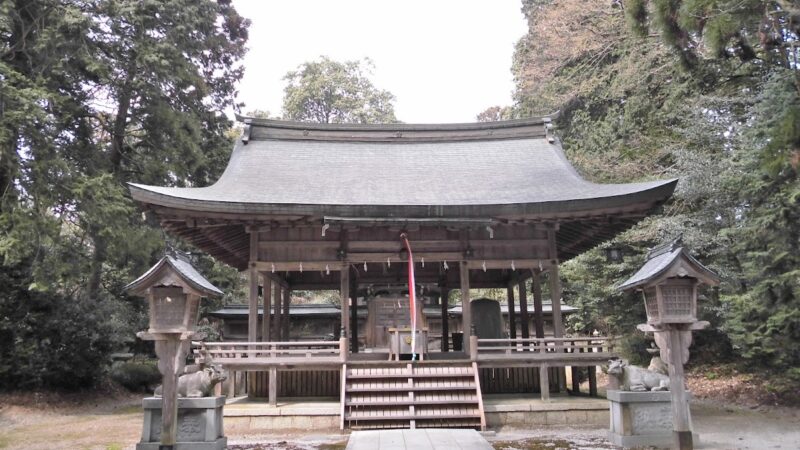
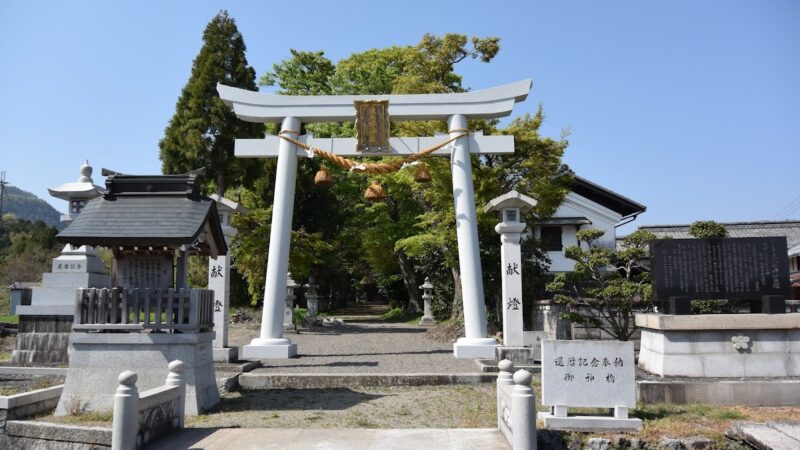
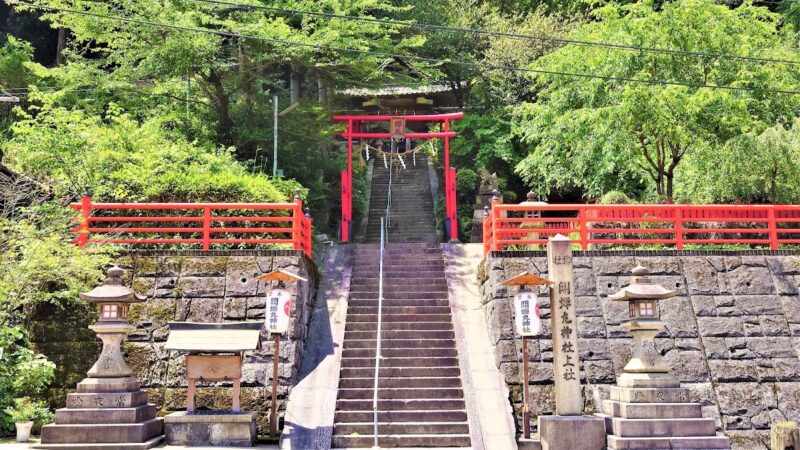
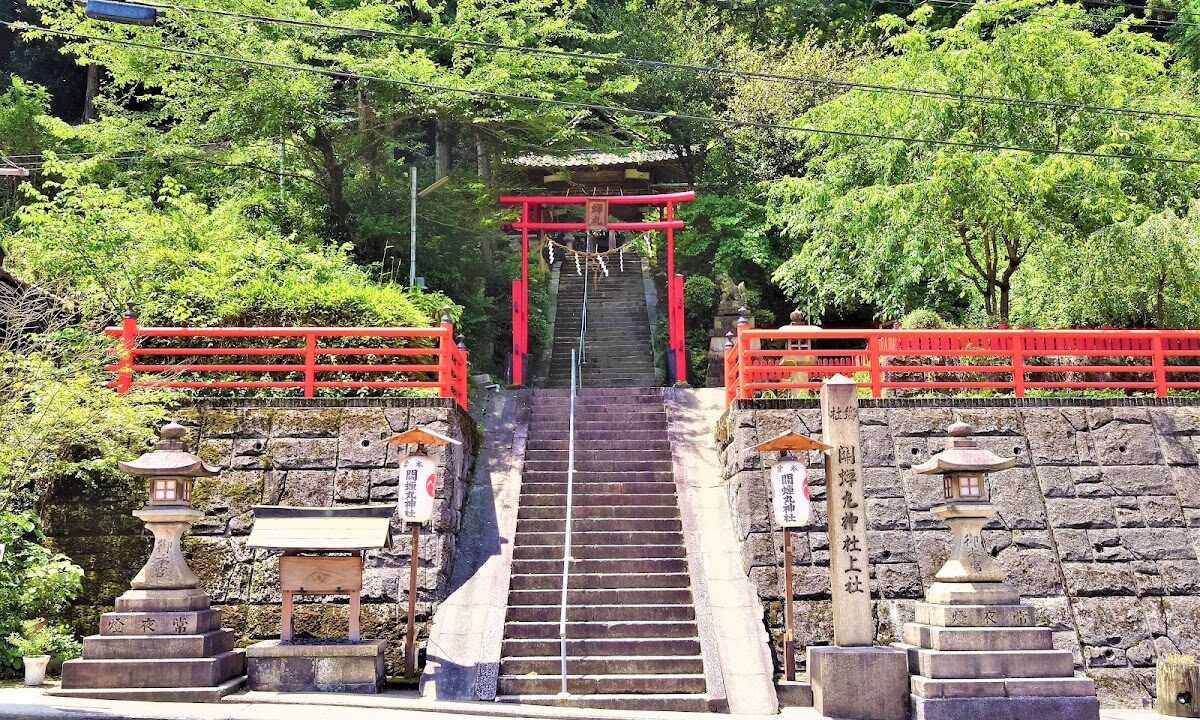
The grounds are relatively compact, but the well-maintained shrine buildings and surrounding forest welcome visitors. The main hall is located at the top of a stone staircase, surrounded by subsidiary shrines and stone monuments.
Deities and Benefits
The main deity of the Upper Branch is Sarutahiko-no-Mikoto, and Semimaru-ko is also enshrined there. Sarutahiko-no-Mikoto is known as the god of opening paths, and is believed to grant blessings for safe travels and opening up one’s path in life.
In combination with Semimaru-ko, the following blessings are believed to be received:
- Improvement in performing arts and musical skills: Derived from Semimaru-ko, a master of the biwa (lute)
- Safe travel and traffic safety: As the guardian deity of the Ōsaka Barrier
- Good fortune and prosperity: The power of Sarutahiko-no-Mikoto to open roads
- Healing of eye diseases: Based on the legend that Semimaru regained his sight after being blind
History and origins of the Upper Shrine
The exact founding date of the Upper Shrine of Seki Semimaru Shrine is unclear, but it is believed that the worship of Semimaru already existed during the Heian period. Ōsaka Mountain has been a key transportation point since ancient times, and a checkpoint was also established there.
During the Edo period, it attracted the faith of travelers on the Tōkaidō road, and was particularly revered by those involved in performing arts. Following the Meiji-era separation of Shinto and Buddhism, Buddhist elements were removed, resulting in the current shrine form.
Characteristics of Seki Semimaru Shrine Lower Shrine
Location and Atmosphere of the Grounds
Seki Semimaru Shrine Lower Shrine is located along National Route 161 (Nishi-Omi Road), a short distance from the Upper Shrine. The Lower Shrine derives its name from the pure spring water called “Seki Shimizu,” and is a shrine deeply connected to the blessings of water.
The grounds are lush with ancient trees, maintaining a rich natural environment despite being in an urban area. As you proceed along the approach, a vermilion shrine building appears, providing a tranquil space for worship.
Deities and Special Blessings
The main deity of the Lower Shrine is Toyotama-hime no Mikoto, and Semimaru-ko is also enshrined here. Toyotama-hime no Mikoto is known as the goddess of the sea and water, and is believed to grant blessings for beauty and safe childbirth.
The following are some of the notable blessings unique to the Shimosha (Lower Shrine):
- Healing of Eye Diseases: A strong belief based on the anecdote of Semimaru regaining his sight after being blind.
- Improvement in Performing Arts: Faith in Semimaru as the god of music.
- Healthy Hair (God of Hair): Believed to offer blessings related to hair.
- Beauty and Matchmaking: The divine virtues of Toyotama-hime no Mikoto.
The blessing of healing eye diseases is particularly famous, attracting worshippers from all over Japan who pray for good eye health.
History and Cultural Assets of the Shimosha
The Shimosha is a shrine that has long been located at the foot of Mt. Ōsaka, and has attracted worshippers as a place where clear spring water flows. By enshrining Toyotama-hime no Mikoto, the god of water, and Semimaru, it has formed a unique form of worship as a god of water, the source of life, and the god of performing arts.
Stone monuments and lanterns that tell the story of its history remain on the shrine grounds, conveying the depth of faith that has continued since the Edo period.
Relationship with Ono no Komachi’s Mound
Near the lower shrine of Seki Semimaru Shrine is the “Ono no Komachi Mound,” commemorating Ono no Komachi, a poet of the Heian period. Both Semimaru and Ono no Komachi were prominent poets of the Heian period, indicating the region’s long-standing and deep connection to literature and the arts.
According to tradition, Ono no Komachi spent her later years in this area, and there is a theory that she had contact with Semimaru. Many people visit both shrines together, as they are considered deities of literature and the arts.
About the Branch Shrine (Semimaru Shrine)
Semimaru Shrine in Otani-cho
The branch shrine of Seki Semimaru Shrine is located in Otani-cho, Otsu City. While smaller in scale than the upper and lower shrines, it is a beloved place of worship rooted in the community.
The branch shrine stands quietly within a residential area, supporting the daily faith of the local people. It’s a hidden gem, known only to those in the know as a place where one can worship peacefully in a quiet environment.
Role and Characteristics of the Branch Shrine
The branch shrine also enshrines Semimaru-ko and is believed to bring blessings for improvement in performing arts and musical skills. Compared to the upper and lower shrines, there are fewer tourists, and daily worship and festivals are mainly conducted by local residents.
Some worshippers undertake the “Semimaru Shrine Pilgrimage,” visiting all three shrines and deepening their faith while experiencing the unique characteristics of each shrine.
Annual Events and Festivals of Seki Semimaru Shrine
Grand Festival and Performing Arts Offerings
Seki Semimaru Shrine holds various festivals throughout the year. The Grand Festival is a particularly important event, with many local residents and performing arts professionals participating.
During the Grand Festival, a Shinto ritual is performed to commemorate the virtues of Semimaru-ko and pray for the prosperity of music and performing arts. In recent years, dedication performances using traditional instruments such as the biwa and koto, as well as dance and other performing arts offerings, have been held, creating a vibrant atmosphere befitting the god of performing arts.
Modern Performing Arts Dedication Events
In addition to traditional festivals, Seki Semimaru Shrine sometimes hosts dedication performances and concerts by contemporary musicians and artists. These events express gratitude to Semimaru-ko through music of all genres, including classical music, traditional Japanese music, and pop.
These events connect not only classical performing arts but also contemporary music culture, providing an opportunity for a wide range of generations to learn about the shrine.
Goshuin (Shrine Seals) and Amulets
Goshuin of Seki Semimaru Shrine
At Seki Semimaru Shrine, you can receive goshuin at both the Upper Shrine and the Lower Shrine. The goshuin includes the shrine’s name and the date of visit in ink, and is stamped with the shrine’s seal.
Among visitors collecting goshuin, visiting both the Upper and Lower Shrines to receive both is popular. Some branch shrines may also offer Goshuin (shrine stamps), so it’s a good idea to check in advance.
Amulets for Artistic Improvement and Special Amulets
At Seki Semimaru Shrine, amulets for improving artistic skills and musical abilities are available. They are particularly popular among musicians and entertainers, and many people carry them attached to their instrument cases or bags.
In addition, various other amulets are available, corresponding to the shrine’s blessings, such as amulets for healing eye diseases and traffic safety. There’s even a rare amulet for healthy hair, which is attracting attention from those in the beauty industry.
Access Information | How to Get to the Upper Shrine, Lower Shrine, and Branch Shrine
Access to Seki Semimaru Shrine Upper Shrine
Access by Train
- Approximately 20 minutes on foot from JR Biwako Line “Otsu Station”
- Approximately 15 minutes on foot from Keihan Electric Railway Keishin Line “Kamieicho Station”
Access by Car
- Approximately 10 minutes from Meishin Expressway “Otsu IC”
- Along National Route 1, near Osaka 1-chome
- Parking: Limited space available (checking on-site is recommended)
Access to Seki Semimaru Shrine Lower Shrine
Access by Train
- Approximately 15 minutes on foot from JR Biwako Line “Otsu Station”
- Approximately 10 minutes on foot from Keihan Electric Railway Keishin Line “Kamieicho Station”
Access by Car
- Along National Route 161 (Nishi-Omi Road)
- Approximately 15 minutes from Meishin Expressway “Otsu IC”
- Parking: There are a few parking spaces on the shrine grounds.
Access to the Branch Shrine (Semimaru Shrine)
Access by Train
- Take a bus or taxi from JR Biwako Line “Otsu Station”
- Head towards Otani-cho
Access by Car
- Head towards Otani-cho from National Route 161
- Be careful of the narrow roads as it is located in a residential area
Recommended Route for Visiting the Three Shrines
If you have ample time, we recommend visiting all three shrines: the Upper Shrine, the Lower Shrine, and the Branch Shrine.
- Begin your visit at the Upper Shrine (along National Route 1)
- Travel to the Lower Shrine on foot or by car (approximately 10-15 minutes)
- Finally, visit the Branch Shrine (Otani-cho)
Allowing about half a day for the entire trip will allow you to visit at a leisurely pace. You can enjoy the different atmospheres of each shrine and deepen your faith in Semimaru-ko.
Nearby Tourist Attractions
Osakayama Mountain and the Old Tokaido Road
Around Seki Semimaru Shrine, remnants of the historically romantic Old Tokaido Road remain. Osakayama Mountain has been known since ancient times as a difficult point for travel and is a famous place that appears in many literary works.
Walking along the Old Tokaido Road, it’s enjoyable to imagine the scenery seen by travelers of the past. Remnants of the Edo period, such as cobblestones and signposts, are scattered throughout the area.
Lake Biwa and Otsu City
Otsu City is located at the southern end of Lake Biwa, offering beautiful lakeside scenery. After visiting Seki Semimaru Shrine, strolling along the shores of Lake Biwa or exploring the tourist attractions in Otsu City is highly recommended.
Main Tourist Attractions in the Surrounding Area
- Mii-dera Temple (Onjo-ji Temple): A famous temple on the Saigoku Thirty-Three Kannon Pilgrimage
- Ishiyama-dera Temple: A temple associated with Murasaki Shikibu
- Enryaku-ji Temple on Mount Hiei: A World Cultural Heritage Site
- Lake Biwa Canal: A civil engineering heritage site from the Meiji era
Historical and Cultural Facilities in Otsu
Otsu City boasts numerous facilities where you can learn about its history and culture.
- Otsu City Museum of History: Exhibits the history and culture of Otsu
- Omi Jingu Shrine: A shrine dedicated to Emperor Tenji, a sacred site for karuta (Japanese playing cards)
- Zeze Castle Ruins Park: Castle ruins on the shores of Lake Biwa
Visiting these together with Seki Semimaru Shrine will allow you to gain a deeper understanding of Otsu’s rich history and culture.
Manners and Precautions for Visiting Shrines
Basic Etiquette for Visiting Shrines
Please observe the basic etiquette for visiting shrines and show respect.
- Bow before passing through the torii gate.
- Purify your hands and mouth at the water basin.
- Hold the ladle in your right hand and wash your left hand.
- Switch the ladle to your left hand and wash your right hand.
- Switch the ladle back to your right hand, receive water in your left hand, and rinse your mouth.
- Finally, hold the ladle upright and wash the handle.
- Bow twice, clap twice, and bow once in front of the main hall.
- Remain quiet within the shrine grounds.
Photography
Photography is generally permitted within the shrine grounds, but please note the following:
- Refrain from taking photos inside the main hall or during religious ceremonies.
- Be considerate of other worshippers.
- It is advisable to check in advance before using a tripod.
- Post to social media with moderation.
Attire for Worship
There are no particularly strict dress code regulations, but it is desirable to wear clothing that reflects the sacred nature of the place.
Clothing for Worship
There are no particularly strict dress code regulations, but appropriate attire is desirable. – Avoid revealing clothing.
- Shoes are preferable to sandals.
- Remove your hat in front of the main shrine.
The Charm and Value of Visiting Seki Semimaru Shrine
A Sacred Site for Music and Performing Arts Professionals
Seki Semimaru Shrine is a sacred site of special significance for people involved in music and performing arts. Professional musicians and entertainers sometimes visit, praying for improvement in their skills and success on stage.
Students studying music and people who play instruments as a hobby also visit, praying for improvement. The faith in Semimaru-ko, the god of performing arts with a history of over a thousand years, is certainly passed down to the present day.
Romance of History and Literature
The Ōsaka Barrier, celebrated in the Hyakunin Isshu (One Hundred Poets, One Poem Each), Semimaru-ko, a legendary master of the biwa (lute), and the land of Ōtsu, where the culture of the Heian period remains strong. Seki Semimaru Shrine is a precious place where you can feel the romance of history and literature.
For those interested in classical literature and learning about traditional Japanese culture, visiting the places where Semimaru is said to have lived will bring a profound sense of wonder that cannot be obtained from books alone.
A Quiet and Healing Space
Despite its location in an urban area, the grounds of Seki Semimaru Shrine are enveloped in a tranquil atmosphere. The forests surrounding the Upper and Lower Shrines, in particular, offer a healing space that allows you to forget the hustle and bustle of the city.
Taking time to pray in peace, away from the busyness of daily life, will be a precious moment for modern people. You can reflect on the quiet time that Semimaru spent playing the biwa (lute).
Summary | Experiencing Performing Arts and History at Seki Semimaru Shrine
Seki Semimaru Shrine is a historic shrine in Otsu City, Shiga Prefecture, dedicated to Semimaru, a master biwa player of the Heian period. It consists of three shrines: the Upper Shrine, the Lower Shrine, and a branch shrine, each with its own unique characteristics and blessings.
This shrine is known for its diverse blessings, including improvement in music and performing arts, healing of eye diseases, and safe travels, and is particularly revered by those in the entertainment industry. Located at the historical site of Ōsaka no Seki, mentioned in the Hyakunin Isshu (One Hundred Poets, One Poem Each), it’s a valuable spot to experience classical literature and traditional Japanese culture.
It’s easily accessible on foot from JR Ōtsu Station and Keihan Railway stations, making it ideal for a visit in conjunction with Lake Biwa sightseeing or exploring Ōtsu city. Visiting all three shrines allows you to deepen your devotion to Semimaru-kō while experiencing the unique character of each shrine.
For music lovers, those involved in performing arts, those interested in history and literature, and those seeking inner peace, Seki Semimaru Shrine is a special place well worth visiting. Why not experience the divine blessings of Semimaru-kō at this place of faith that has been passed down for over a thousand years?