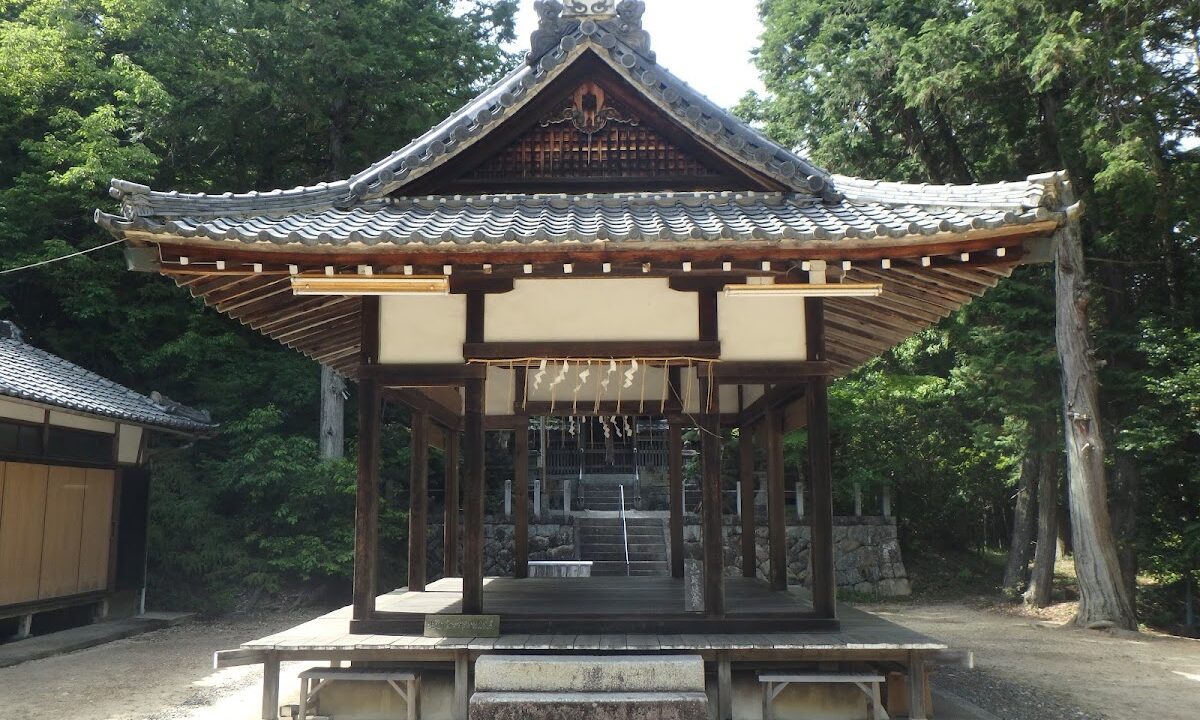
Complete Guide to Namiho Shrine (Otsu City, Shiga Prefecture) | History, Deities, and Access Information
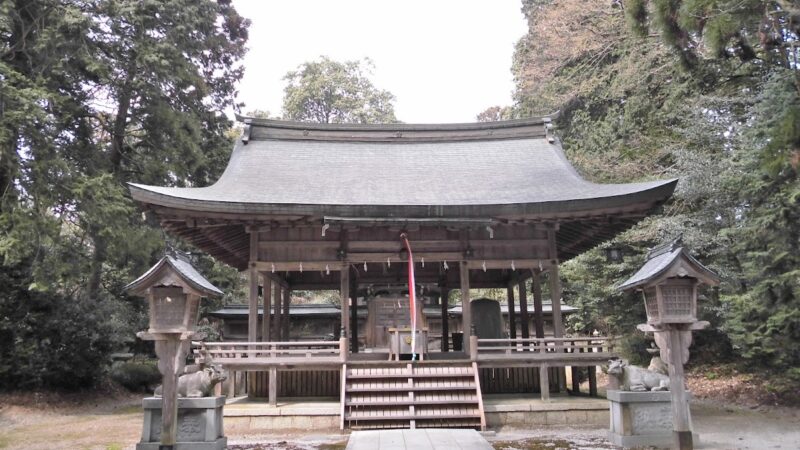
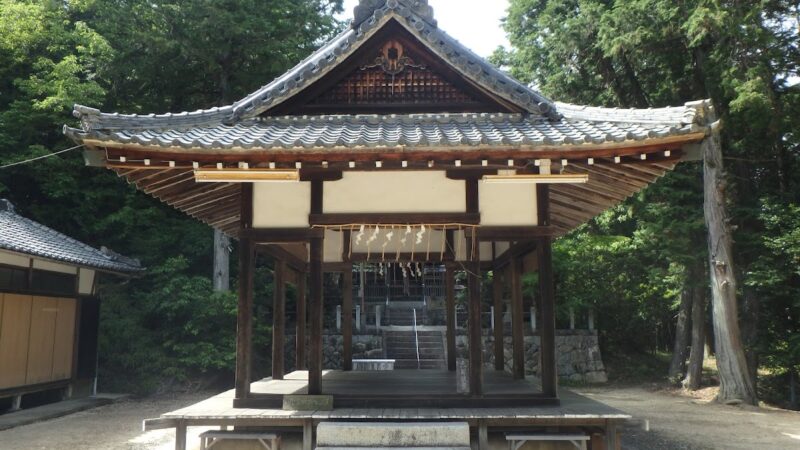
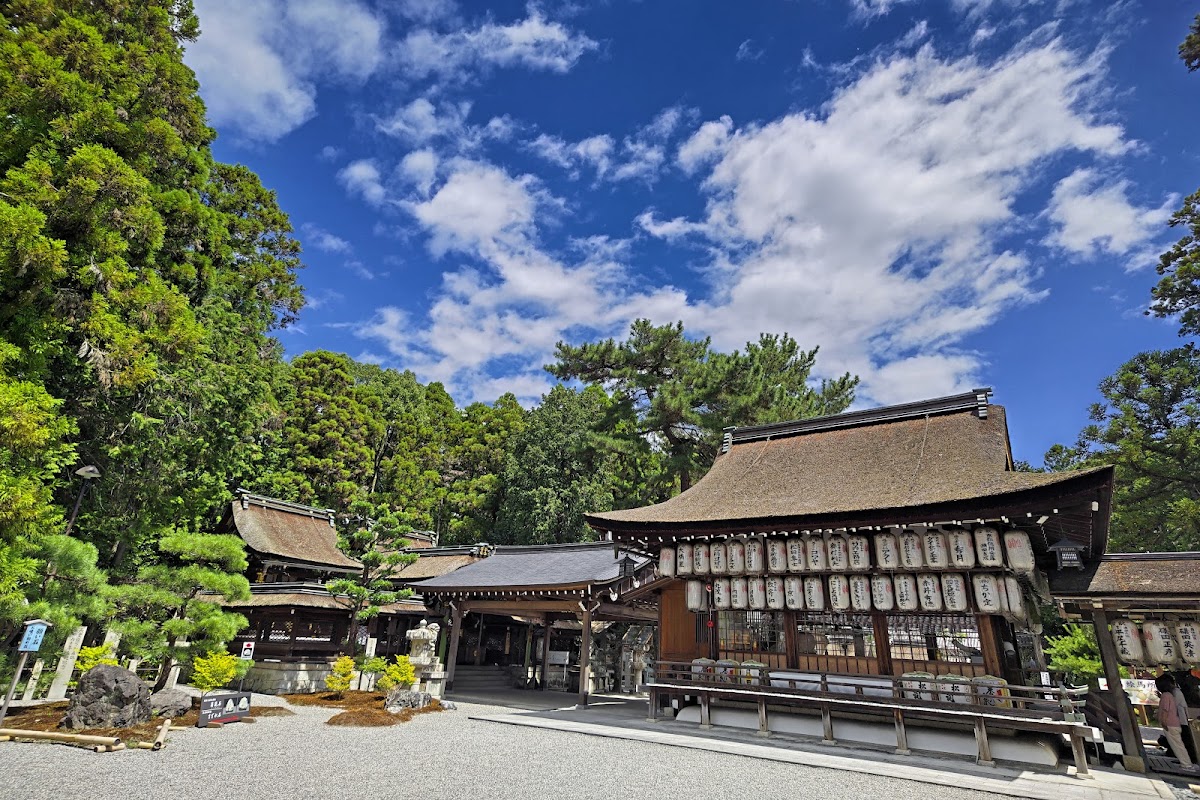
Namiho Shrine, located in Kamita-Kamishibahara-cho, Otsu City, Shiga Prefecture, is a historical shrine deeply rooted in the local community. Situated on the southern shore of Lake Biwa, it is a venerable shrine dedicated to Amaterasu Omikami and Yamato Takeru, and is cherished by the local people. This article provides a detailed introduction to Namiho Shrine, including its history, enshrined deities, access methods, and nearby attractions.
Basic Information about Namiho Shrine
Namiho Shrine is located in Kamita-Kamishibahara-cho, in the southern part of Otsu City, Shiga Prefecture. Registered as a religious corporation under the jurisdiction of the prefectural governor, it has a long history as a spiritual pillar of the local community.
Location and Contact Information
Address: 549 Kamishibahara-cho, Kamita, Otsu City, Shiga Prefecture 520-2153
Namiho Shrine is located in a relatively quiet residential area of Otsu City, providing a peaceful environment for worship.
About the Deities Enshrined
The following deities are enshrined at Namiho Shrine:
Amaterasu Omikami
The supreme deity in Japanese mythology and the ancestral deity of the Imperial family. Also known as the principal deity of Ise Grand Shrine, she is believed to bestow blessings such as national peace and security, abundant harvests, and good fortune.
Yamato Takeru no Mikoto
The son of Emperor Keiko, the 12th emperor, and a representative hero in Japanese mythology. Legends of his military prowess and pacification of various regions remain, and he is believed to bestow blessings such as long-lasting military fortune, protection from evil, and success in competitions. In Shiga Prefecture, Yamato Takeru is famous as the principal deity of Takebe Taisha Shrine, and there are several shrines in the prefecture that enshrine Yamato Takeru.
By enshrining these two deities, Namiho Shrine is revered as a shrine that bestows a wide range of blessings, from national peace and security to personal good fortune and protection from evil.
History and Origins of Namiho Shrine
While detailed records of the founding date of Namiho Shrine are limited, it is believed to have a long history as an old shrine in the region.
Deep Connections to the Community
The Uedakami area has long developed as an agricultural region on the southern shore of Lake Biwa. Namiho Shrine has been closely involved in the lives of the local residents as the tutelary deity of this region. It has a history of being worshipped across generations as a place to pray for a bountiful harvest, family safety, and the healthy growth of children.
Origin of the Shrine Name
The name “Namiho” is a beautiful name that evokes images of the waves of Lake Biwa and rice stalks. The name likely reflects the area’s location near Lake Biwa and its agricultural background. It may evoke the image of waves swaying like ears of rice, or perhaps symbolize a wish for a bountiful harvest.
Access Methods
Here’s a detailed guide to accessing Namiho Shrine.
Access by Train
Nearest Station: JR Tokaido Main Line “Seta Station”
Namiho Shrine is approximately 3-4 kilometers from Seta Station. It takes about 40 minutes on foot, so using a bus or taxi from the station is recommended.
Access by Bus
Teisan Konan Kotsu buses operate from Seta Station, and you can use bus routes towards Ueda-kami. While it’s possible to walk from the nearest bus stop, bus services may be limited, so it’s recommended to check the timetable in advance.
Access by Car
Approximately 15 minutes from Meishin Expressway “Seta-Nishi IC” or “Seta-Higashi IC”
Access by car is the most convenient. Since the area around the shrine is a residential area, please be considerate of the nearby residents when visiting. We recommend checking parking availability in advance.
Car Navigation Settings
Searching for the address “549 Kamida-Kamishibahara-cho, Otsu City, Shiga Prefecture” will guide you to the vicinity of the shrine.
Manners and Etiquette for Visiting a Shrine
We will introduce basic manners and etiquette for visiting a shrine.
How to Pass Through the Torii Gate
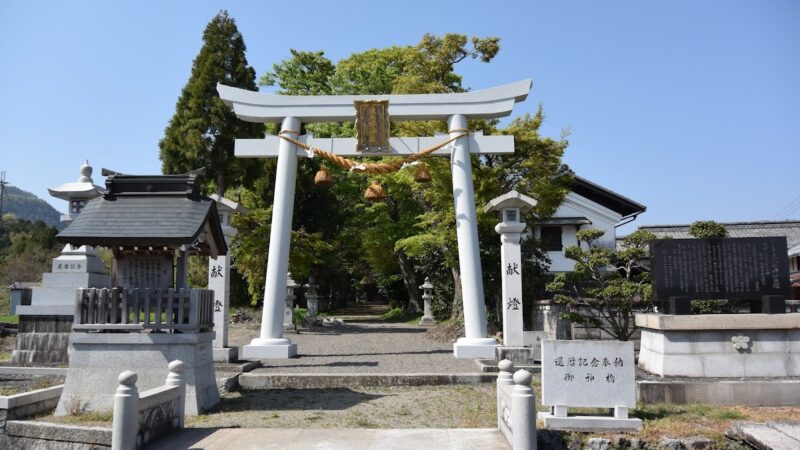
The torii gate, the entrance to the shrine, is a boundary separating the sacred realm from the secular world. Before passing through the torii gate, bow and compose yourself before entering the shrine grounds. Since the center of the path is considered the path of the gods, it is considered polite to walk along the side.
Ritual of Washing Hands
- Take the ladle with your right hand and wash your left hand.
- Switch the ladle to your left hand and wash your right hand.
- Take the ladle back into your right hand, receive water in your left hand, and rinse your mouth.
- Wash your left hand once more.
- Hold the ladle upright, let water flow over the handle, and return it to its original position.
Ritual of Worship at the Main Hall
Worship is conducted using the general shrine worship method: “Two bows, two claps, one bow.”
- Gently place your offering in the offering box.
- Ring the bell if there is one.
- Bow deeply twice.
- Clap your hands twice at chest height.
- Pray sincerely with your hands clasped together.
- Finally, bow deeply once.
Regarding Goshuin (Shrine Seals)
Regarding the issuance of Goshuin at Namiho Shrine, there may not be a permanent shrine office. If you wish to receive a Goshuin, it is recommended to check in advance.
Shiga Prefecture has many shrines famous for their Goshuin (shrine stamps). Major shrines in Otsu City, such as Takebe Taisha and Omi Jingu, usually offer Goshuin. Visiting these shrines after visiting Namiho Shrine would be a good idea.
Annual Events and Festivals
Local shrines hold various festivals and events throughout the year. Namiho Shrine may also hold local traditional events.
Main Annual Events (Examples of typical shrines)
New Year’s Day Festival (January 1st)
A festival to celebrate the New Year and pray for peace throughout the year.
Spring Grand Festival
A festival to pray for the arrival of spring and a bountiful harvest.
Summer Purification Ceremony (around June 30th)
A ceremony to purify oneself of the impurities accumulated over the past six months and pray for good health for the remaining half of the year.
Autumn Grand Festival
The most important festival to give thanks for the harvest and pray for the prosperity of the region. Great Purification Ceremony (December 31st)
This is a Shinto ritual to purify oneself of the impurities accumulated over the past year and to welcome the new year with a fresh start.
Specific festival dates may be available on local bulletin boards or in Otsu City’s tourist information.
Attractions Around Namiho Shrine
Here are some nearby shrines and spots you might want to visit when you come to Namiho Shrine.
Takebe Taisha Shrine
Location: 1-16-1 Jinryo, Otsu City, Shiga Prefecture
This is a prestigious shrine known as the Ichinomiya (first-ranked shrine) of Omi Province. Like Namiho Shrine, it enshrines Yamato Takeru as its main deity. The vast grounds include a main hall designated as an Important Cultural Property, making it one of Shiga Prefecture’s representative shrines. It is believed to bring good fortune, protection from evil, and matchmaking.
Tagami Shinmei Shrine
Several shrines are scattered throughout the Kamitagami area, and Shinmei Shrine is one of them. As a center of local faith, it protects the area along with Namiho Shrine. ### Seta no Karahashi Bridge
This historical bridge is counted as one of Japan’s three most famous bridges. It is said that “He who controls the Karahashi Bridge controls the world,” and it has played an important role as a transportation hub since ancient times. It is a tourist spot where you can enjoy the beautiful scenery of Lake Biwa.
Ishiyama-dera Temple
This ancient temple is known as the 13th temple of the Saigoku Thirty-Three Kannon Pilgrimage. It is also famous as the place where Murasaki Shikibu conceived the idea for “The Tale of Genji,” and boasts many attractions, including the national treasure main hall and pagoda.
Shiga Prefecture’s Shrine Culture
Shiga Prefecture is known for its high “shrine density,” with approximately 1,436 shrines within the prefecture. Blessed with the abundant water source of Lake Biwa, and having flourished as a transportation hub since ancient times, it has nurtured a diverse shrine culture.
Major Shrines in Shiga Prefecture
Hiyoshi Taisha
The head shrine of all Hiyoshi, Hie, and Sanno shrines nationwide, revered as the guardian deity of Mount Hiei.
Taga Taisha
Affectionately known as “O-Taga-san,” it is known for its blessings of longevity and matchmaking.
Omi Jingu
A shrine dedicated to Emperor Tenji, also famous as a sacred site for competitive karuta (a Japanese card game).
Shirahige Shrine
A shrine known as “Omi’s Itsukushima,” with its beautiful torii gate floating on Lake Biwa.
Along with these famous shrines, community-based shrines like Namiho Shrine support Shiga Prefecture’s rich religious culture.
About the Kamitakami District of Otsu City
The Kamitakami district, where Namiho Shrine is located, is a naturally rich area in the southern part of Otsu City.
Regional Characteristics
This is a quiet residential area surrounded by rural landscapes, which has developed as an agricultural region since ancient times. Blessed with the bounty of Lake Biwa, traditional lifestyles and culture still thrive here. In recent years, housing development has progressed, creating a community where new and old residents coexist.
Transportation Access
Access to central Otsu City and Kyoto is excellent, with a well-developed transportation network centered around JR Seta Station. National Route 1 and the Meishin Expressway are also nearby, making travel by car convenient.
Points to Note When Visiting
Here are some points to note when visiting Namiho Shrine.
Visiting Hours
Generally, shrine grounds are open for worship from sunrise to sunset, but please refrain from visiting at night. Visiting during daylight hours is recommended.
Dress Code
There are no specific dress code requirements for visiting the shrine, but please dress in clean, respectful attire. Avoid excessive exposure, and it is considered good manners to remove hats and sunglasses before passing through the torii gate.
Photography
Photography is generally permitted on the shrine grounds, but please follow the signs if there are areas where photography is prohibited, such as inside the main hall. Please be considerate of other worshippers.
Quiet Worship
Shrines are sacred places. Please refrain from loud conversations and making noise, and worship quietly. It is polite to set your mobile phone to silent mode and to make calls outside the shrine grounds.
Local Community and the Shrine
Namiho Shrine is not merely a tourist spot; it functions as a central hub for the local community.
Ujiko System
The traditional system of local residents (ujiko) supporting and cooperating in the maintenance and management of the shrine is still in operation. The shrine is protected through the cooperation of local residents in managing festivals and cleaning the grounds.
Venue for Local Events
The shrine is also an important gathering place for the community. During festivals, local residents gather, creating a place for intergenerational exchange. For children, it’s a valuable opportunity to learn about traditional culture.
Visiting Shrines in Shiga Prefecture
Starting from Namiho Shrine, we recommend enjoying a tour of shrines throughout Shiga Prefecture.
Tips for Visiting Shrines
Choose a Theme
Choosing a theme, such as the enshrined deity, blessings, or architectural style, will deepen your understanding.
Prepare a Goshuincho (Stamp Book)
Collecting Goshuin (stamps) as a record of your shrine visits is one of the joys. The Goshuincho offered at each shrine are also appealing.
Learn About History
Researching the history and origins of the shrine beforehand will make your visit more meaningful.
Enjoy the Seasons
Enjoy the different expressions of the shrine in each season, such as cherry blossoms, fresh greenery, autumn leaves, and snowscapes.
Summary
Namiho Shrine is a historical shrine located in Kamitakami Shibahara-cho, Otsu City, Shiga Prefecture, enshrining Amaterasu Omikami and Yamato Takeru no Mikoto. As a place of worship deeply rooted in the community, it has been cherished by local residents for many years.
It is easily accessible from JR Seta Station and conveniently located for those traveling by car. Its charm lies in its tranquil environment, perfect for a peaceful visit.
Shiga Prefecture boasts a diverse array of shrine culture, from community-oriented shrines like Namiho Shrine to large-scale shrines such as Takebe Taisha and Hiyoshi Taisha. Why not take this opportunity to experience Shiga Prefecture’s rich shrine culture by visiting Namiho Shrine?
Shrine visits are not merely sightseeing; they are a valuable experience that connects you with traditional Japanese culture and spirituality. Taking time to quietly offer your prayers and express your gratitude and wishes to the gods at Namiho Shrine may bring you inner peace and renewed vitality.
When you visit Shiga Prefecture, be sure to visit Namiho Shrine and experience the history and culture of faith that thrives in the region.