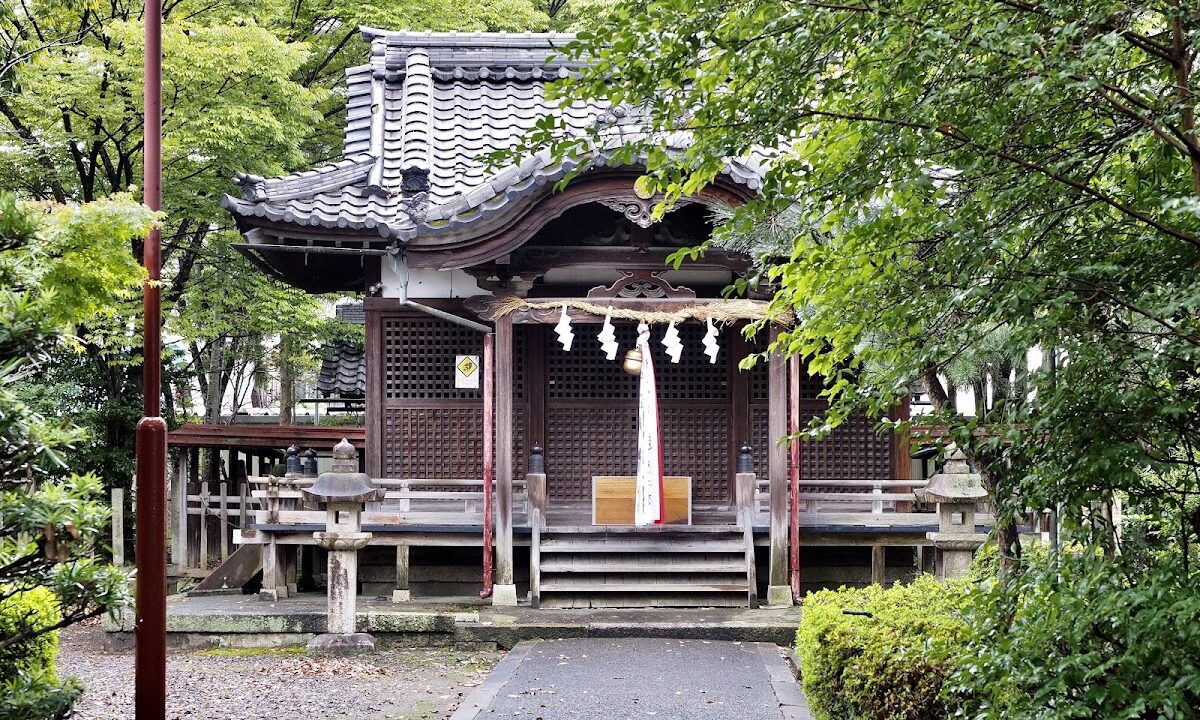
Sakaki Shrine (Hikone City, Shiga Prefecture) Complete Guide | History, Goshuin (Shrine Seal), and Access Information
Located in the heart of Hikone City, Shiga Prefecture, within walking distance of JR Hikone Station, Sakaki Shrine is a historic shrine that has been affectionately known as “Shinmei-san” by locals since the Edo period. It is a venerable shrine that received the reverence of the Ii family, the lords of the Hikone domain, and continues to attract the faith of local residents today.
This article comprehensively introduces all the information you need to know before visiting Sakaki Shrine, including its detailed history, enshrined deities, highlights within the grounds, goshuin information, and access methods.
Basic Information about Sakaki Shrine
Location: 149 Ansei-cho, Hikone City, Shiga Prefecture 522-0082
Phone Number: 0749-22-1237
Nearest Station: Approximately 10 minutes on foot from JR Hikone Station
Main Deity: Amaterasu Omikami
Former Shrine Rank: Village Shrine
Founded: Genroku 7 (1694)
Sakaki Shrine is located in the heart of Hikone City, near the JR railway overpass along Prefectural Road 25. It’s within walking distance of Hikone Station, making it easily accessible for tourists.
History and Origins of Sakaki Shrine
Founding History
The history of Sakaki Shrine dates back to Genroku 7 (1694). According to records of the Shiga Prefectural Shrine Association, the current shrine grounds originally housed a temple called “Kongoji Hojuin,” and a small shrine called “Shinmei-gu” was enshrined in one corner of it.
In 1694 (Genroku 7), Ii Naoharu, the fourth lord of the Hikone Domain, ordered his chief retainer, Saigo Izumi, to invite the deity from the Grand Shrine of Uga-cho, Sakata District (near present-day Maibara City) to the Shinmei-gu site and construct a shrine building. This is considered the founding of Sakaki Shrine.
Deep Connection with the Ii Family
Since its founding, Sakaki Shrine has received deep reverence from successive lords of the Hikone Domain of the Ii family. The Ii family was a prestigious family of hereditary daimyo, descended from Ii Naomasa, one of the Four Heavenly Kings of Tokugawa, and ruled the large Hikone Domain with a 350,000 koku (unit of rice production) yield. As a shrine whose construction was personally ordered by the lord himself, Sakaki Shrine held a special status.
For the people of Hikone, a castle town, the shrine was affectionately known as “Shinmei-san” as a shrine revered by the feudal lord, and became a center of local faith.
Renaming in the Meiji Era
In 1869 (Meiji 2), influenced by the separation of Shinto and Buddhism, the shrine was renamed from “Shinmei-gu” to its current name, “Sakaki Shrine.” “Sakaki” refers to the sacred tree of the sakaki tree, essential for Shinto rituals. This renaming clarified the shrine’s character.
Under the Meiji-era shrine ranking system, it was classified as a village shrine, establishing its position as an important religious facility in the local community.
Deities and Divine Virtues
Main Deity: Amaterasu Omikami
The main deity of Sakaki Shrine is Amaterasu Omikami, the supreme deity in Japanese mythology. Amaterasu Omikami is the deified sun goddess and is enshrined at Ise Grand Shrine as the ancestral deity of the Imperial family.
The reason why Sakaki Shrine was originally called “Shinmei-gu” is because the general name for shrines dedicated to Amaterasu Omikami is “Shinmei-sha” or “Shinmei-gu.”
Divine Virtues (Benefits)
Sakaki Shrine, which enshrines Amaterasu Omikami, is believed to offer the following divine virtues:
- Good Fortune and Prosperity: The life force of the sun goddess enhances all kinds of luck.
- Family Safety: Protects the health and peace of the family.
- Business Prosperity: Brings development and prosperity to businesses.
- Exorcism: Has the power to ward off and purify disasters.
- National Security: Protects the peace and prosperity of the nation.
In particular, due to its history of being revered by the Ii family, it has also been believed to offer benefits for military success and career advancement.
Highlights of the Shrine Grounds
Shrine Building
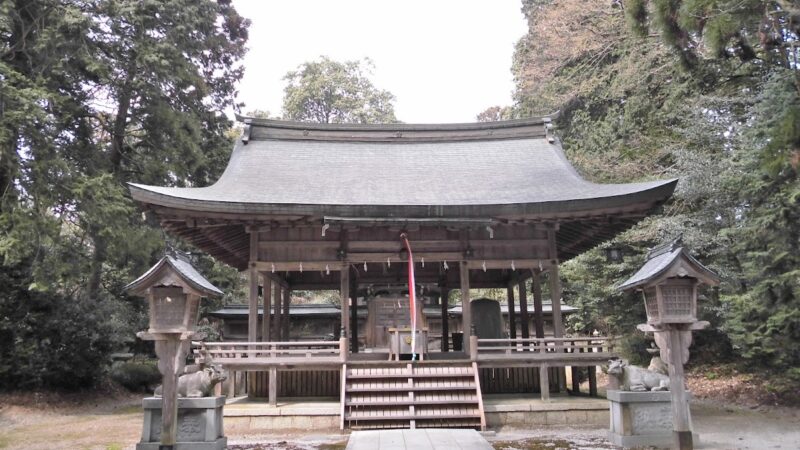
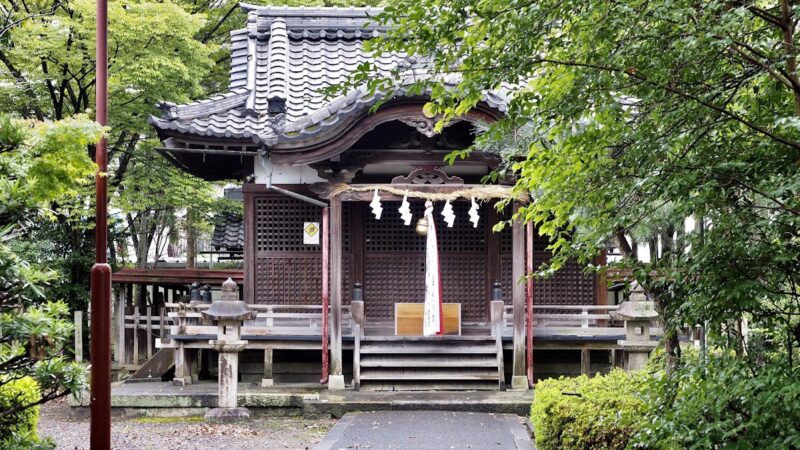
The shrine building of Sakaki Shrine, while small, exhibits a dignified presence. Since its founding in 1694 (Genroku 7), the shrine has maintained its traditional architectural style despite several restorations.
The worship hall is a simple yet sturdy wooden structure, exuding a tranquil atmosphere befitting the castle town of Hikone. The main sanctuary sits behind the worship hall, quietly enshrining Amaterasu Omikami.
Atmosphere of the Shrine Grounds
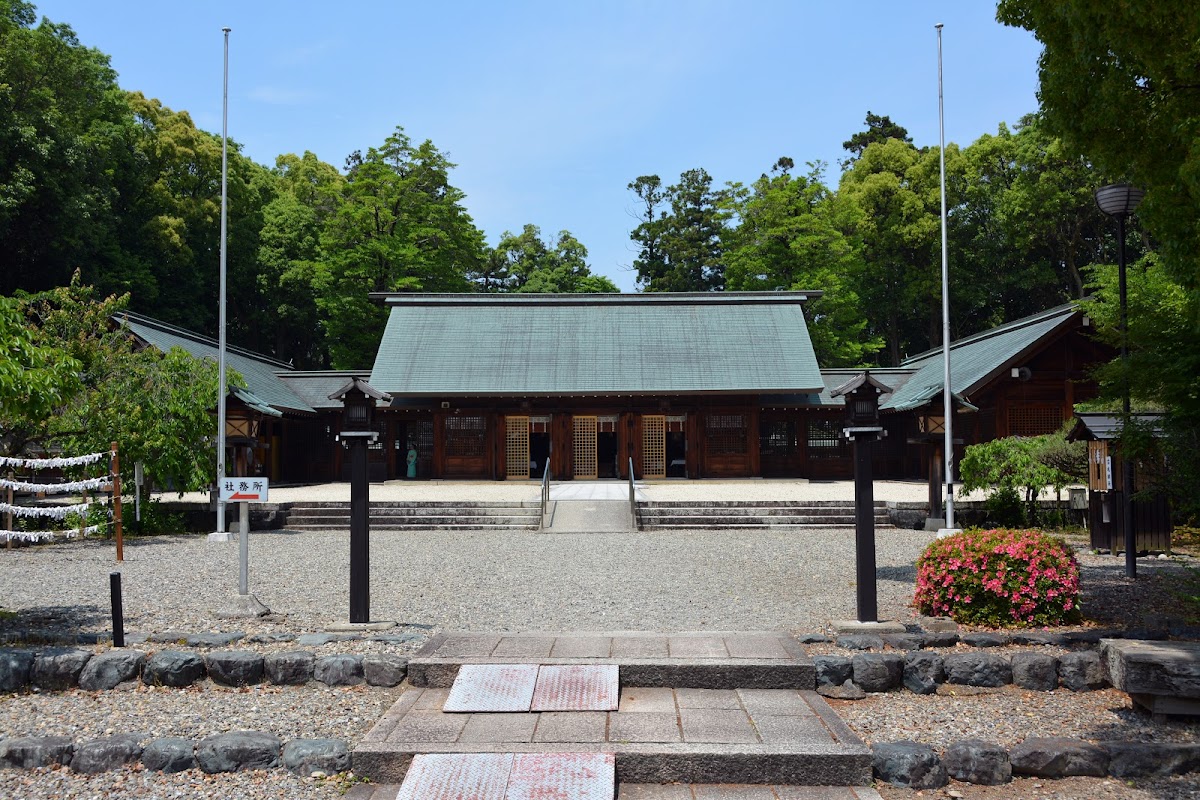
Despite being located in the city center, within walking distance of Hikone Station, the shrine grounds are enveloped in a peaceful atmosphere. Visitors appreciate it as a “calm shrine,” a place to escape the hustle and bustle of the city and find peace of mind.
Trees are planted throughout the grounds, allowing visitors to experience the beauty of nature throughout the seasons. The sakaki tree, in particular, is the origin of the shrine’s name and contributes to its sacred atmosphere.
Stone Monuments and Memorials
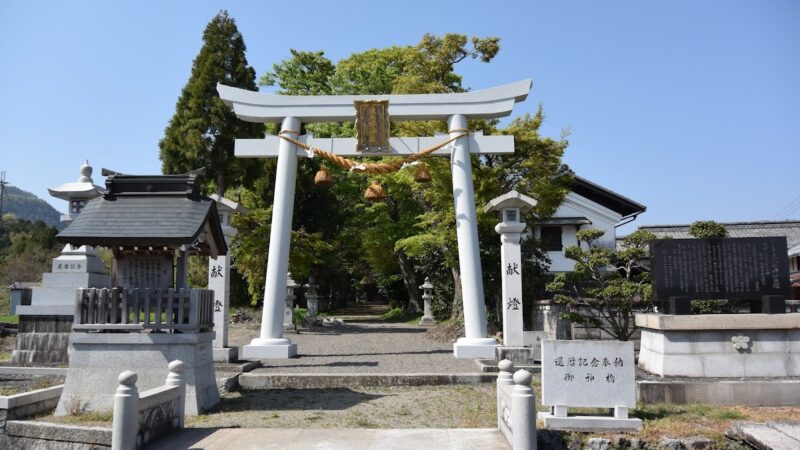
Stone monuments and memorials telling the history of Sakaki Shrine are erected within the grounds. These are valuable historical materials that convey the region’s history from the Edo period through the Meiji, Taisho, and Showa eras.
Goshuin Information
About Receiving Goshuin
Goshuin (temple/shrine stamps) are available at Sakaki Shrine. While the recent boom in goshuin collecting has led to an increase in shrine visits, Sakaki Shrine is known as a relatively quiet, hidden gem for worship.
Receiving Hours: Generally during the daytime (please contact the shrine directly for details)
Offering Fee: Generally around 300-500 yen
Electronic Goshuin
As a modern initiative, Sakaki Shrine has also introduced an electronic goshuin system. According to reports, several people have already obtained electronic goshuin, and it is attracting attention as a digital-age method of recording pilgrimages.
Manners When Receiving Goshuin
Goshuin are received as proof of your visit. Please observe the following etiquette:
- Complete your prayers first before receiving your goshuin (temple/shrine stamp).
- Prepare a goshuincho (stamp book) (avoid using notebooks or colored paper).
- Request using polite language.
- Wait quietly while your goshuin is being written.
- Remember to express your gratitude.
Access and Transportation Information
Access by Train
Approximately 10 minutes on foot from JR Biwako Line “Hikone Station”
Hikone Station is a major station where the Special Rapid Service also stops, and is accessible from Kyoto Station in about 50 minutes and from Osaka Station in about 1 hour and 20 minutes. The distance from the station to Sakaki Shrine is flat and within walking distance.
Walking Route from Hikone Station
- Exit Hikone Station West Exit
- Proceed northwest along the road in front of the station
- Turn left when you reach Prefectural Road 25
- Kenboku Shrine is located in Ansei-cho, near the JR overpass.
Using a map app or navigation system will ensure you arrive without getting lost.
Access by Car
Approximately 10 minutes from the Meishin Expressway “Hikone IC”
After exiting the Hikone Interchange, proceed towards Hikone city center via National Route 8. Entering “Kenboku Shrine” or the address “149 Ansei-cho, Hikone City” into your car navigation system will guide you.
Parking Information
Due to the size of the shrine, there may not be a dedicated large parking lot. If you are visiting by car, we recommend using a nearby coin-operated parking lot or contacting the shrine in advance.
There are several paid parking lots around Hikone Station, so parking there and walking to the shrine is another option.
Nearby Tourist Attractions
After visiting Sakaki Shrine, we recommend exploring the tourist attractions in Hikone City.
Hikone Castle (National Treasure)
Located about a 15-minute walk from Sakaki Shrine, Hikone Castle, a National Treasure, is a famous castle built as the residence of the Ii family. Its keep is designated a National Treasure and is a valuable cultural asset as one of the 12 remaining castle keeps.
Genkyu-en Garden
Located northeast of Hikone Castle, this daimyo garden is designated a National Place of Scenic Beauty. Visitors can enjoy the beautiful scenery throughout the seasons.
Yumekyobashi Castle Road
This shopping street recreates an Edo-period castle town, lined with souvenir shops and restaurants. You can enjoy Omi beef and other Hikone specialties.
Sawayama Castle Ruins
The ruins of Sawayama Castle, known as the residence of Ishida Mitsunari. Only the remains exist today, but it’s a must-see spot for history buffs.
Annual Events and Festivals
Sakaki Shrine holds various Shinto rituals throughout the year.
Main Annual Events
- New Year’s Day Festival (January 1st): A festival celebrating the New Year
- Setsubun Festival (around February 3rd): A ritual for warding off evil and bringing good fortune
- Grand Festival (Autumn): The most important festival at the shrine
- Niiname-sai Festival (November 23rd): A festival to give thanks for a bountiful harvest
- Great Purification Ceremony (June 30th, December 31st): A ritual to cleanse away sins and impurities accumulated over the past six months
For detailed dates and times, please contact the shrine directly.
Manners and Etiquette for Visiting a Shrine
Basic Etiquette for Visiting a Shrine
- Bow before passing through the torii gate: A courtesy before entering the sacred area.
- Purify yourself at the water basin: Purify in the order of left hand → right hand → mouth → left hand.
- Walk along the edge of the path: The center is the path for the gods.
- Bow twice, clap twice, and bow once in front of the main hall: Basic Shinto etiquette.
- State your wish specifically: State your address and name in your mind first.
Regarding Attire
Everyday clothes are acceptable, but avoid overly casual attire (flip-flops, tank tops, etc.). Appropriate attire is desirable as it is a sacred place.
Regarding Photography
Photography is generally permitted on the shrine grounds, but please observe the following points:
- Do not take photos in areas where photography is prohibited, such as inside the main hall.
- Be considerate of other worshippers.
- Refrain from taking photos during religious ceremonies.
- Use flash sparingly.
The Charm and Characteristics of Sakaki Shrine
Historical Value
Founded in 1694 (Genroku 7), Sakaki Shrine boasts a history of over 300 years and is an important cultural heritage site that tells the story of Hikone’s history. Its history of being revered by the Ii family, a powerful daimyo family, gives it a special value unmatched by other shrines.
Accessibility
Its location within walking distance of Hikone Station is extremely convenient for tourists. It’s within easy reach of Hikone Castle, allowing for an efficient sightseeing route.
Serene Atmosphere
Despite being located in the city center, the shrine grounds are enveloped in a tranquil atmosphere. It is valued not only by locals but also by visitors from afar as a place to escape the hustle and bustle and find peace of mind.
Connections to the Community
The history of the shrine, affectionately known as “Shinmei-san,” demonstrates its function as a central hub for the local community. Even today, it continues to attract the faith of local residents and plays a vital role in supporting community bonds.
Relationships with Other Shrines in Hikone City
Besides Sakaki Shrine, many other shrines are located within Hikone City.
Hikone Shrine
Located within Hikone Castle, this shrine enshrines the successive lords of the Ii family.
Taga Taisha Shrine
Located in Taga Town, adjacent to Hikone City, this Engishiki-listed shrine, affectionately known as “O-Taga-san,” is the largest shrine in Shiga Prefecture.
Sawayama Shrine
Located on the site of Sawayama Castle, this shrine is known for its connection to Ishida Mitsunari.
Visiting these shrines together will allow for a deeper understanding of Hikone’s history and culture.
Actual Feedback from Visitors to Sakaki Shrine
The following are comments from people who have actually visited Sakaki Shrine:
- “A peaceful shrine within walking distance of Hikone Station”
- “Quiet and calming despite being in the city center”
- “You can feel the history associated with the Ii family”
- “Small but dignified”
- “You can feel the atmosphere of a shrine loved by the locals”
These comments show that Sakaki Shrine is a charming shrine deeply rooted in the community.
Inquiries and Pre-Visit Confirmation
If you have any questions before visiting, please contact us using the following methods:
Phone Number: 0749-22-1237
Address: 149 Ansei-cho, Hikone City, Shiga Prefecture 522-0082
You can also find information about Sakaki Shrine on the Shiga Prefectural Shrine Association website. We recommend checking the latest information and schedules of Shinto rituals in advance.
Summary: A Recommendation to Visit Sakaki Shrine
Sakaki Shrine is a historic shrine founded in 1694 (Genroku 7) by order of the Ii clan, the lords of the Hikone domain. It enshrines Amaterasu Omikami and has been revered by successive generations of the Ii family. Even today, it is affectionately known as “Shinmei-san” by the local people.
Despite its convenient location, approximately a 10-minute walk from Hikone Station, the shrine grounds are enveloped in a tranquil atmosphere, providing a peaceful environment for worship. Visiting in conjunction with a visit to Hikone Castle will allow you to gain a deeper understanding of the history of the Ii family and Hikone.
Goshuin (shrine stamps) are available, making it a great choice for those who enjoy visiting shrines. An electronic goshuin system is also available, offering a modern way to record your visits.
When visiting Hikone City, Shiga Prefecture, be sure to visit Sakaki Shrine. You’re sure to find a peaceful moment in these temple grounds, steeped in over 300 years of history.