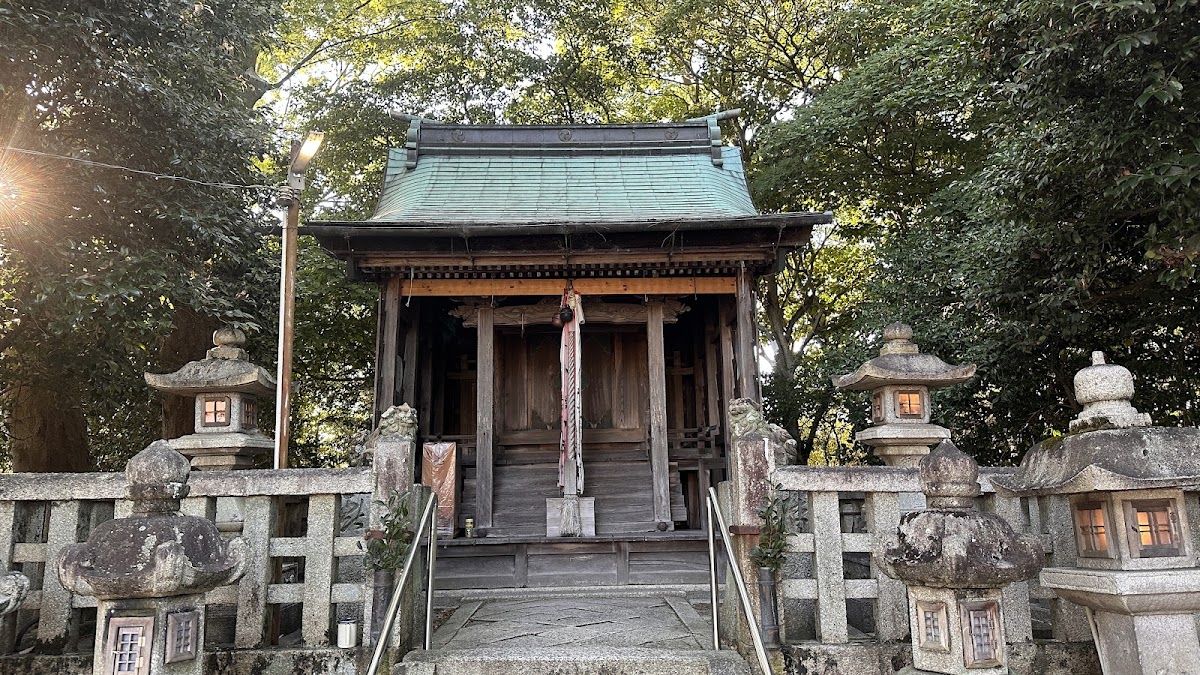
Tsuruginomiya Shrine (Shiga Prefecture) Complete Guide: A Thorough Explanation of Deities, Blessings, Access, and Highlights
Tsuruginomiya Shrine, located in Shiga Prefecture, is a historic shrine that has been revered by the local people for centuries. This article provides a detailed explanation of everything you need to know before visiting, including the history of Tsuruginomiya Shrine, its enshrined deities, blessings, access methods, and highlights within the shrine grounds.
What is Tsuruginomiya Shrine?
Tsuruginomiya Shrine is a shrine located in Shiga Prefecture, and its name suggests a history related to “Tsurugi” (sword). It has long been revered by local people as a guardian deity of the region and as a god of military fortune and protection against misfortune.
Because the shrine’s name includes the character “Tsurugi” (sword), it is highly likely that it enshrines a god of war or a deity related to swords, and is believed to offer blessings for martial arts, victory in competitions, and protection against misfortune.
History and Origins of Tsurugi-no-miya Shrine
History of Founding
While the exact founding date of Tsurugi-no-miya Shrine is unclear due to the loss of old records, local traditions suggest it may have been an object of worship since before the Heian period.
Shiga Prefecture has been a vital transportation hub since ancient times, a land frequented by many warriors and travelers. Therefore, shrines dedicated to praying for military success and safe journeys were established throughout the region. It is believed that Tsurugi-no-miya Shrine developed within this historical context as a guardian shrine of the region.
Connection to the Community
Tsurugi-no-miya Shrine, as the local tutelary deity, has been closely intertwined with the lives of the people who have lived in the area for generations. The custom of visiting the shrine at significant life events and seasonal changes, such as praying for a bountiful harvest, family safety, and protection from evil, has been passed down through generations.
It also functions as a central location for local festivals and annual events, deepening the bonds of the local community through the shrine.
About the Enshrined Deities
The enshrined deities of Tsurugi-no-Miya Shrine may vary depending on the shrine’s history and traditions, but generally, shrines bearing the name “Tsurugi” (sword) often enshrine the following deities:
Possible Main Deities
Susanoo-no-Mikoto
Susanoo-no-Mikoto is a deity known for slaying the Yamata-no-Orochi (eight-headed serpent) and extracting the Ame-no-Murakumo-no-Tsurugi (later known as the Kusanagi-no-Tsurugi) from its tail. He is widely worshipped as a god of martial prowess and protection against evil.
Takemikazuchi-no-Mikoto
A war god known as the main enshrined deity of Kashima-Jingu Shrine, he is also revered as a god of swords. It is believed to bring blessings for improvement in martial arts, good fortune in competitions, and protection from evil.
Futsunushi-no-Kami
This deity is also known as a god of war and is the principal deity of Katori Shrine. As the god who governs the spiritual power of the sword, it is believed to bring blessings for long-lasting military fortune and victory.
For specific information about the enshrined deities, please contact the shrine directly or check the historical records on the shrine grounds.
Blessings and Divine Virtues
The main blessings you can receive at Tsurugi-no-Miya Shrine are as follows:
Long-lasting Military Fortune and Victory
As a shrine with the name “Tsurugi” (sword), you can pray for success in all kinds of competitions, including martial arts, sports, exams, and business. Athletes, students, and business owners often visit the shrine.
Protection from Evil and Misfortune
Swords have been believed since ancient times to have the power to ward off evil spirits. It is believed to bring blessings for warding off evil during unlucky years and protection from misfortunes in daily life.
Family Safety and Good Health
As the guardian deity of the region, this shrine protects the health and safety of families.
Traffic Safety
As a shrine where prayers for safe travel are offered, it is also suitable for car blessings and prayers for traffic safety.
Good Fortune and Prosperity
Suitable for prayers at turning points in life or when starting something new.
Highlights of the Shrine Grounds
There are several points of interest within the grounds of Tsurugi-gu Shrine that visitors should pay attention to.
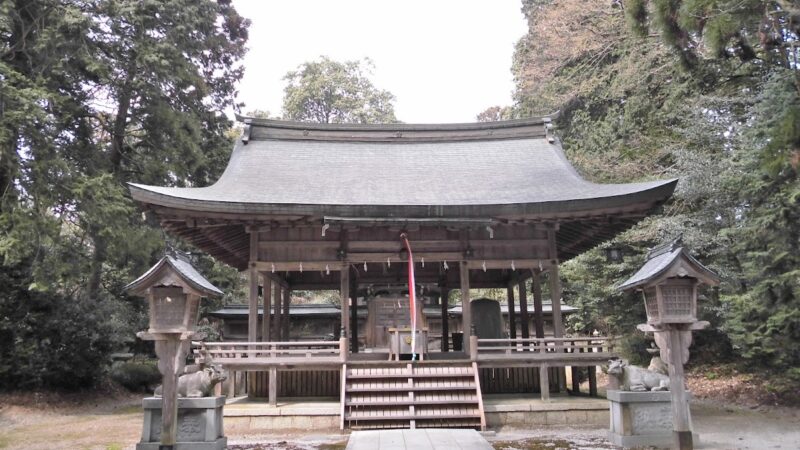
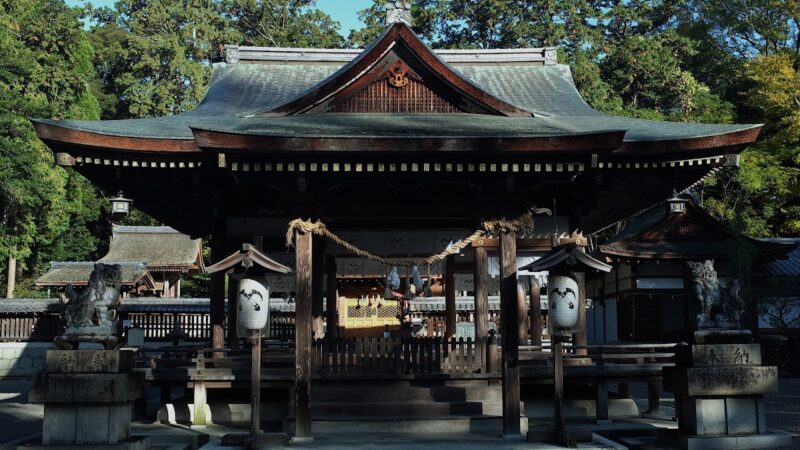
Main Hall and Worship Hall
The main hall and worship hall, the heart of the shrine, preserve the traditional style of shrine architecture. You can offer heartfelt prayers in a tranquil atmosphere.
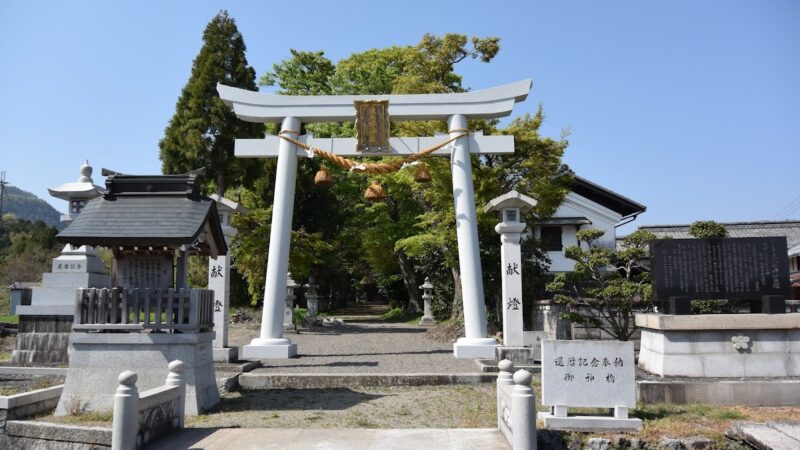
Torii Gate
The torii gate, the entrance to the sacred area, is the face of the shrine. Bow before passing through the torii gate.
Water Basin
There is a water basin for purifying the body and mind before praying. It is important to purify yourself according to the correct etiquette before visiting the shrine.
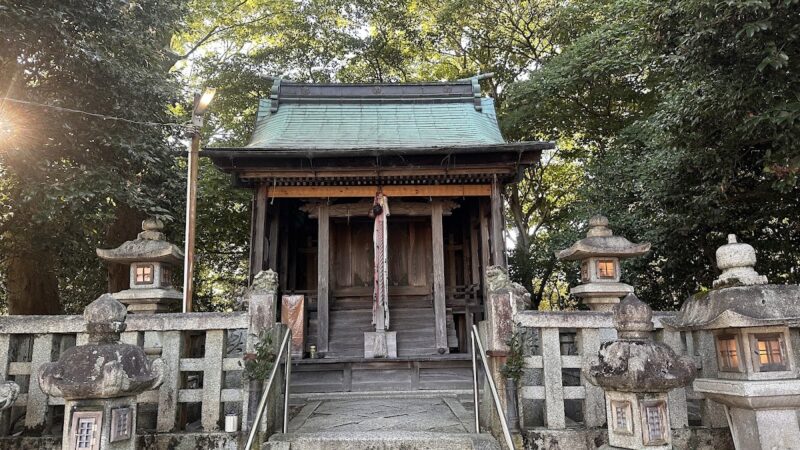
Shrines within the Precincts
Besides the main shrine, there may be several smaller shrines within the precincts. Each enshrines a different deity, and various blessings can be received.
Sacred Trees
Sacred trees, having stood for many years, tell the story of the shrine’s history. They are believed to possess sacred power, and many visitors quietly offer prayers before them.
Stone Monuments and Memorials
Within the precincts, there may be stone monuments that record the history of the shrine and local events. These are valuable resources for understanding the shrine’s origins.
How to Visit and Manners
Here are the basic manners and etiquette for visiting Tsurugi-no-miya Shrine.
Basic Etiquette for Visiting
- Bow before passing through the torii gate: This is a courtesy when entering the sacred area.
- Walk along the edge of the path: The center of the path is considered the path of the gods. 3. Purifying yourself at the water basin:
- Take the ladle with your right hand and purify your left hand.
- Switch the ladle to your left hand and purify your right hand.
- Switch the ladle back to your right hand, receive water in your left hand, and rinse your mouth.
- Purify your left hand once more.
- Hold the ladle upright, purify the handle, and return it to its original position.
- Worship in front of the main hall:
- Bow lightly.
- Place your offering in the offering box.
- Ring the bell if there is one.
- Bow twice, clap twice, and bow once (bowing deeply twice, clapping twice, bowing deeply once).
- Bow again when leaving: Turn around and bow once as you leave the torii gate.
Attire for worship
There are no specific rules, but as it is a sacred place, clean and subdued attire is desirable.
Photography
Photography is generally permitted on the shrine grounds, but it is considered good manners to refrain from taking pictures inside the main hall or during Shinto rituals. If you have any concerns, please check with the shrine office.
Information on Amulets and Goshuin (Shrine Seals)
Amulets
At Tsurugi-no-miya Shrine, you may be able to receive various types of amulets.
- Victory Amulet: Blessings for success in all kinds of competitions
- Exorcism Amulet: Blessings for protection against evil and misfortune
- Traffic Safety Amulet: Safety for cars and travel
- Family Safety Amulet: Health and peace for the family
- Academic Success Amulet: Success in studies and exams
Please inquire with the shrine office regarding availability and distribution times.
Goshuin (Shrine Seals)
Goshuin are calligraphic inscriptions and red seals given at shrines as proof of worship. You may be able to receive a goshuin at Tsurugi-no-miya Shrine, but this depends on the opening hours and availability of the shrine office.
When requesting a goshuin, bring your goshuincho (seal book) and ask at the shrine office after completing your worship. Having a donation (typically around 300-500 yen) ready will make things smoother.
Access and Transportation Information
Specific access methods to Tsurugi-no-miya Shrine vary depending on the shrine’s location. The following are examples of general access methods.
Access by Train
It is common to use buses or taxis from major stations within Shiga Prefecture. It is recommended to check the distance from the nearest station and transportation options in advance.
Access by Car
If visiting by private car, enter the shrine name or address into your car’s navigation system. It is advisable to check road conditions around the shrine and parking availability in advance.
Parking
The availability and number of parking spaces vary depending on the size of the shrine. While there may be parking spaces for visitors, congestion is expected during festivals, so consider using public transportation.
Annual Events and Festivals
Tsurugi-no-miya Shrine holds various Shinto rituals and festivals throughout the year.
Main Annual Events
New Year’s Day Festival (January 1st)
A festival to celebrate the New Year and pray for peace throughout the year. It is bustling with many first shrine visits of the year.
Setsubun Festival (around February 3rd)
Events such as bean-throwing are held, and prayers are offered for protection against evil.
Spring Grand Festival
An important festival of the shrine held in spring. A portable shrine (mikoshi) may be carried out.
Summer Purification Ceremony (June 30th)
A ceremony to purify oneself of the impurities accumulated over the past six months and pray for good health and protection from illness for the remaining half of the year.
Autumn Grand Festival
A festival to give thanks for the autumn harvest and pray for the prosperity of the community.
Year-End Purification Ceremony (December 31st)
A Shinto ritual to purify oneself of the impurities accumulated over the past year and welcome the new year with purity.
For specific dates and details, please contact the shrine directly.
Nearby Tourist Attractions
When visiting Tsurugi-no-miya Shrine, exploring the surrounding tourist attractions will make your trip even more fulfilling.
Major Tourist Attractions in Shiga Prefecture
Lake Biwa
Lake Biwa, Japan’s largest lake, is a representative tourist attraction of Shiga Prefecture. Enjoy lakeside drives, cruises, and waterside activities.
Hikone Castle
A famous castle designated as a National Treasure, the view from the keep is spectacular. You can also meet Hikonyan (the castle’s mascot).
Enryaku-ji Temple
Located on Mount Hiei, it is the head temple of the Tendai sect and a World Cultural Heritage site.
Ishiyama-dera Temple
An ancient temple where Murasaki Shikibu is said to have conceived the idea for “The Tale of Genji.”
Omihachiman
A region with beautiful waterside scenery and preserved historical townscapes.
Points to Note When Visiting
Here are some points to keep in mind when visiting Tsurugi-no-miya Shrine. ### Opening Hours of the Shrine Office
If you wish to receive a Goshuin (shrine stamp) or amulet, please check the opening hours of the shrine office in advance. Generally, it is around 9:00 AM to 5:00 PM, but this varies depending on the shrine.
Crowds on Festival Days
During festivals such as the annual grand festival and New Year’s visits, the shrine becomes crowded with many worshippers. It is recommended to visit with plenty of time to spare.
Weather Preparations
The shrine grounds are outdoors, so please bring an umbrella or rain gear in case of rain, a parasol or hat in summer, and warm clothing in winter.
Pet Policy
Whether or not pets are allowed varies by shrine. It is generally recommended to refrain from bringing pets or to check in advance.
Emergency Contact Information
For peace of mind in case of an emergency, it is advisable to check the shrine’s contact information and the nearest medical facility.
The Charm of Tsurugi-no-miya Shrine
The greatest charm of Tsurugi-no-miya Shrine is its warm atmosphere, which has been cultivated alongside the local people throughout its long history. Unlike large, touristy shrines, this shrine offers a quiet and peaceful environment for a leisurely visit.
As its name “Tsurugi” (sword) suggests, this shrine holds special significance for those seeking good fortune in competitions and protection from evil. Visiting before life’s turning points or important challenges can provide inner strength and support.
As a local guardian shrine, it’s also an ideal place to express daily gratitude. When visiting Shiga Prefecture, be sure to visit Tsurugi-gu Shrine and experience its serene atmosphere and divine blessings.
Summary
Tsurugi-gu Shrine is a historic shrine located in Shiga Prefecture, known for its blessings of long-lasting military fortune, protection from evil, and victory. It has long been revered as a local guardian shrine, offering a quiet and peaceful atmosphere for heartfelt worship.
When visiting, please observe proper etiquette and manners, and offer your gratitude and prayers to the deities. You can also receive Goshuin (shrine stamps) and amulets, making it an ideal shrine to visit at life’s milestones or before important challenges. Surrounded by the rich nature and history of Shiga Prefecture, we invite you to refresh your mind and body and gain new vitality at Tsurugi-no-miya Shrine. We pray that your visit will be fruitful.