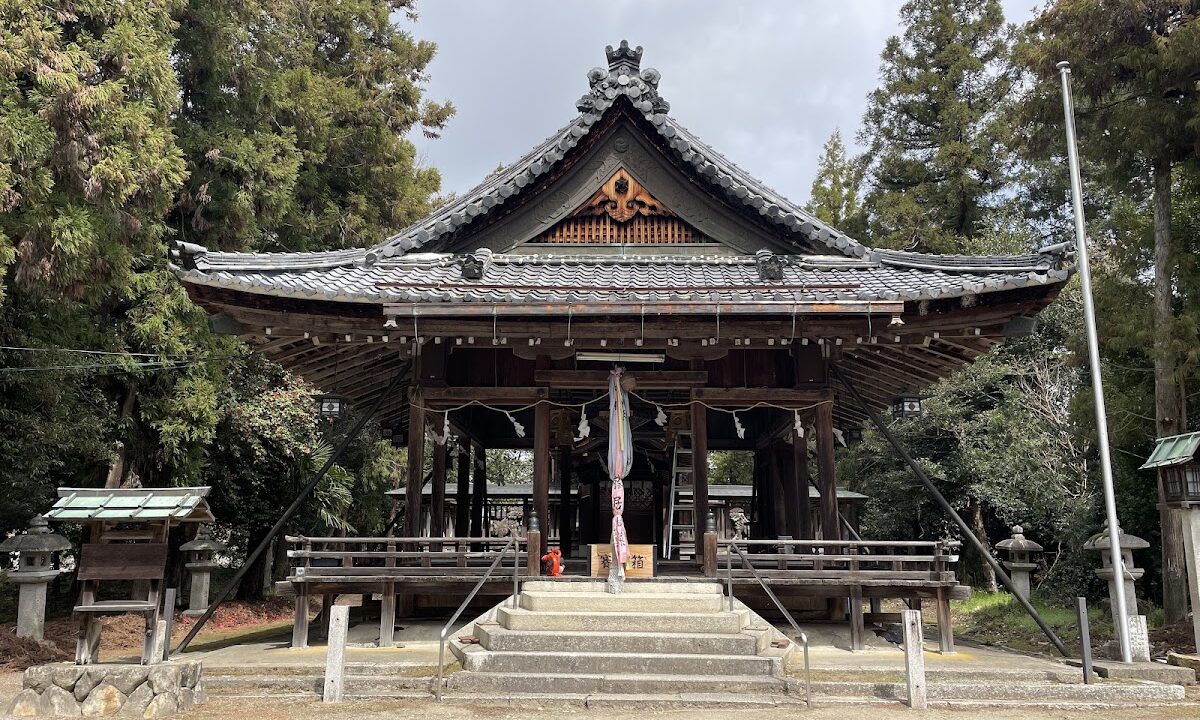
Complete Guide to Ooro Shrine (Shiga Prefecture) | History, Deities, Goshuin (Shrine Seal), and Access Information
Ooro Shrine (also known as Ooro Jinja or Dairo Jinja), located in Higashiomi City, Shiga Prefecture, is an ancient shrine deeply intertwined with the history of the region. This article comprehensively introduces all the information you need to know before visiting, including the historical background of Ooro Shrine, its enshrined deities and blessings, highlights of the shrine grounds, information on goshuin (shrine seals), annual events, and access methods.
About Ooro Shrine
Ooro Shrine is a shrine located in Higashiomi City, Shiga Prefecture, and is a historical shrine that has attracted the faith of local residents since ancient times. The place name “Ooro” is said to originate from the topography and historical background of the region, and this can be seen in the shrine’s name.
Revered as the local tutelary deity, the shrine has long been closely intertwined with people’s lives, serving as a place to pray for abundant harvests, family safety, and peace in the community. Even today, it is carefully preserved by local parishioners, and many worshippers visit during seasonal festivals.
Pronunciation and Name of the Shrine
The pronunciation of “大隴神社” is either “Ōrōjinja” or “Dairōjinja.” While pronunciations may vary by region, both are recognized as official pronunciations. The kanji character “隴” means “ridge” or “furrow,” and has been used since ancient times as a place name related to agriculture.
History of 大隴神社
Origin of Founding
While there are no clear records regarding the founding date of 大隴神社, local traditions and documents suggest it was established sometime between ancient and medieval times. The Higashiomi region of Shiga Prefecture has long been a center of agriculture, with a lifestyle centered around rice paddy cultivation.
It is said that this shrine was founded as a place to pray for abundant harvests and the safety of the region, coinciding with the development of the area and the growth of agriculture. In ancient village communities, shrines were not merely places of worship but also played an important role in strengthening community bonds.
Changes from the Medieval to the Early Modern Period
In the medieval period, with the development of samurai society, influential figures in the region made donations to the shrine and improved its buildings. During the Sengoku period (Warring States period), this region was also affected by war, but the shrine continued to be protected by the faith of the local residents.
In the Edo period, it was officially recognized as the guardian shrine of the village, and regular festivals began to be held. Records from this period suggest that the spring and autumn festivals and rituals praying for bountiful harvests were grand.
Development Since the Modern Era
With the Meiji-era separation of Shinto and Buddhism and the establishment of the shrine system, Ooru Shrine was reorganized as a modern shrine. From the Meiji era to the early Showa era, renovations to the shrine buildings and improvements to the grounds were carried out, resulting in a form close to its current appearance.
Even after World War II, the shrine was maintained and managed by the local parishioners’ organization, and continues to function as a central presence in the local community. In recent years, it has also attracted attention as a place for conveying local history and culture, and has become a subject of local history research.
Deities and Benefits
Main Deity
The deities enshrined at Ooru Shrine are based on local traditions and the history of the shrine. Similar to many local tutelary shrines, it is believed that deities with characteristics of agricultural gods and guardian deities of the region are enshrined.
The following deities are considered to be enshrined here:
- Ōyamatsumi-no-kami: Widely worshipped as the god of mountains and agriculture.
- Ōnamuchi-no-mikoto: Known as the god of land development and industry.
- Local Guardian Deity: The guardian deity unique to that land.
Benefits
The following are some of the benefits that can be received by visiting Ōryū Shrine:
Abundant Harvest and Agricultural Prosperity
As the shrine is located in an area centered on agriculture, many worshippers visit to pray for a bountiful harvest and the development of agriculture.
Family Safety and Good Health
As a guardian deity of the region, there is a deep-rooted belief in praying for the health and safety of families.
Regional Peace and Protection from Evil
As a guardian deity of the region, it plays a role in protecting the peace and safety of the entire community.
Business Prosperity and Success
Many business owners and entrepreneurs praying for the development of local industries can be seen visiting the shrine.
Highlights of the Shrine Grounds
Shrine Architecture
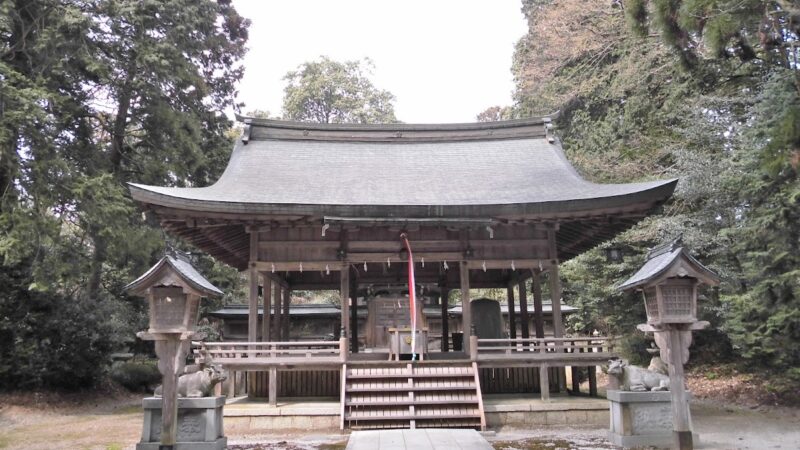
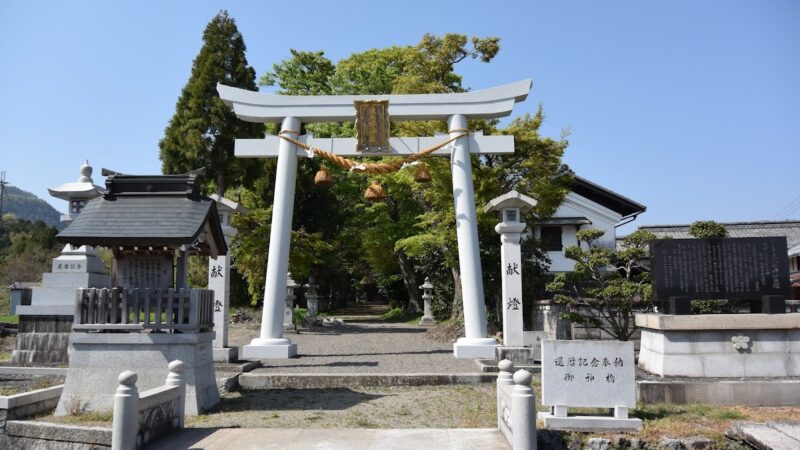
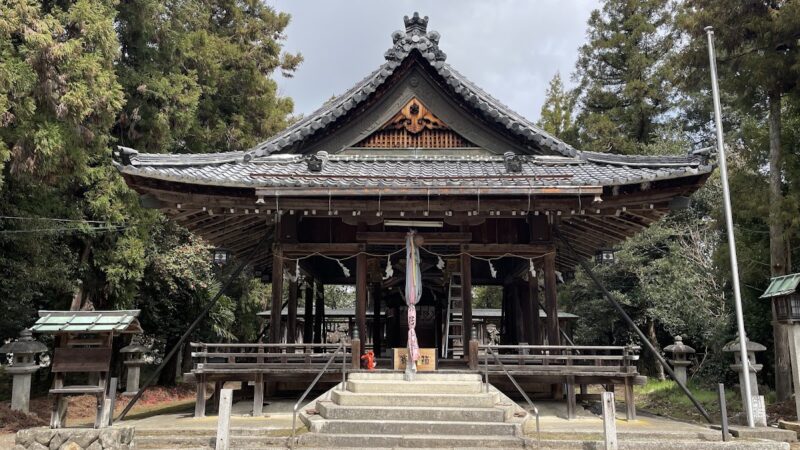
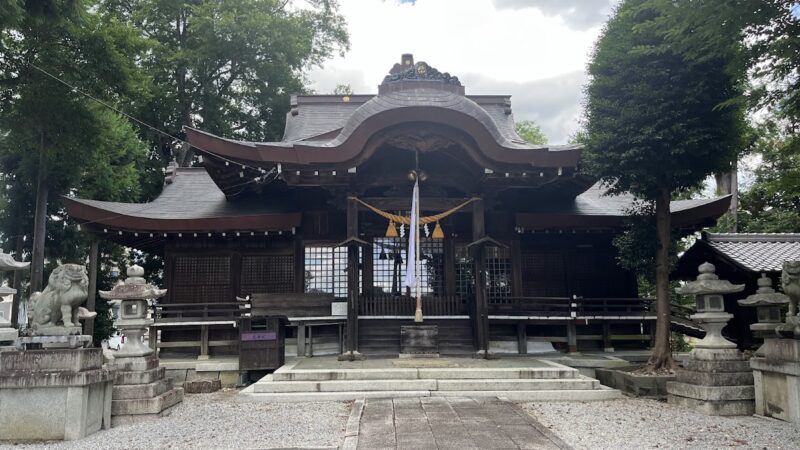
The shrine buildings of Dairyu Shrine follow traditional shrine architectural styles and are structured to suit the local climate and environment. The main buildings, such as the main hall, worship hall, and torii gate, are neatly arranged, creating a serene atmosphere.
The architectural style and decorations of the shrine buildings reflect the technology and aesthetic sensibilities of the time, and their architectural historical value is recognized. Regular repairs maintain their excellent condition, preserving their value as historical buildings.
Natural Environment of the Shrine Grounds
The shrine grounds are planted with ancient trees and seasonal flowers, allowing visitors to enjoy the natural beauty of each season. In particular, the ancient sacred trees, which tell the story of the shrine’s history, attract the attention of visitors.
The shrine grounds, which display different expressions with each season—cherry blossoms and fresh greenery in spring, deep green in summer, vibrant autumn leaves, and a serene, dignified landscape in winter—offer healing and peace to visitors.
Stone Monuments and Memorials
Within the shrine grounds, there are stone monuments commemorating past donations and telling the history of the region. These inscriptions reveal the relationship between the shrine and the local community, and the state of faith in each era.
In particular, the stone monuments from the Edo period to the Meiji period are valuable historical materials that convey the social conditions and the faith of the people at that time.
Annual Events and Festivals
Spring Festival
In spring, the Spring Grand Festival is held to pray for a bountiful harvest. This traditional Shinto ritual, held before the start of full-scale farming work, is a time to pray for a good harvest and offer thanks to the gods.
Local parishioners attend, and the Shinto rituals, including the recitation of prayers by the priests and the offering of sacred branches, are performed solemnly. After the festival, offerings from the sacred food are sometimes distributed to worshippers.
Autumn Festival
In autumn, the Autumn Grand Festival is held to give thanks for the harvest. It is an important festival to offer gratitude to the gods for a successful harvest after a year of farming.
During the autumn festival, depending on the region, a portable shrine procession and devotional performances may take place, enveloping the entire community in a festive atmosphere. It is an event in which children also participate, providing a place for intergenerational exchange.
Other Annual Events
New Year’s Day Festival (January 1st)
A Shinto ritual for the first shrine visit of the year, praying for happiness and peace in the new year. Many worshippers visit to offer their New Year’s greetings.
Setsubun Festival (February)
A Shinto ritual for warding off evil and inviting good fortune. Events such as bean-throwing may be held.
Summer Purification Ceremony (end of June)
A Shinto ritual to purify oneself of the impurities accumulated over the past six months and pray for safety in the remaining half of the year. A ritual of passing through a ring of reeds may also be performed.
Monthly Festival
A Shinto ritual held regularly each month to pray for the maintenance of the shrine and the peace and security of the community.
About Goshuin (Shrine Seals)
Issuance of Goshuin
Daikoku Shrine may issue goshuin to visitors. However, for smaller shrines, the shrine office may not be open all the time, so it is recommended to check in advance if you wish to receive a goshuin.
In many local shrines, the chief priest also serves as the head priest, and goshuin may only be available on specific days and times. To be sure to receive a goshuin, it is best to visit on the day of a major event such as a regular festival.
Characteristics of Goshuin
Goshuin generally include the shrine name, the date of visit, and the shrine’s seal. The goshuin (seal) of Dairyu Shrine is also believed to follow traditional styles.
A goshuin is not merely a stamp or signature; it is proof of your visit to the shrine and an important symbol of your connection with the gods. When receiving it, please handle it with gratitude and care.
About Goshuincho (Seal Books)
When receiving a goshuin, it is customary to use a dedicated goshuincho. Avoid using notebooks or memo pads. It is unclear whether Dairyu Shrine offers its own original goshuincho, but they should be able to stamp your own.
Manners and Etiquette for Visiting Shrines
Basic Etiquette for Visiting Shrines
There are ancient customs and etiquette for visiting shrines. When visiting Dairyu Shrine, please observe the following basic manners.
How to Pass Through the Torii Gate
The torii gate is the entrance to the sacred area. Bow before passing through and walk avoiding the center of the path (the path of the gods).
Procedure for Washing Hands at a Shrine
If there is a water basin for washing hands, purify yourself in the following order:
- Take the ladle with your right hand and wash your left hand.
- Switch the ladle to your left hand and wash your right hand.
- Switch the ladle back to your right hand, receive water in your left hand, and rinse your mouth.
- Wash your left hand again.
- Hold the ladle upright, let the water flow down the handle, and return it to its original place.
Worship at the Main Hall
The basic procedure is two bows, two claps, and one bow (two bows, two claps, one bow):
- Gently place your offering in the offering box.
- If there is a bell, ring it.
- Bow deeply twice.
- Clap your hands twice at chest height.
- Join your hands and pray.
- Finally, bow deeply once.
Attire and Mindset for Shrine Visits
For shrine visits, clean and subdued attire is desirable. Avoid overly revealing or flashy clothing.
As a mindset, it is important to have a grateful and humble attitude. When visiting a shrine, not only make wishes to the gods, but also express your gratitude for everyday blessings.
Photography Etiquette
While photography is generally permitted on the shrine grounds, there are places and situations where photography is prohibited, such as inside the main hall or during religious ceremonies. If you are unsure, please check with shrine staff.
Also, please be considerate of the privacy of other visitors and avoid taking photos that prominently feature people.
Access Information
Location
Daikoku Shrine is located in Higashiomi City, Shiga Prefecture. For the specific address, we recommend checking the latest information at the local tourist information center or city hall.
Higashiomi City is located in the eastern part of Shiga Prefecture, a naturally rich area at the foot of the Suzuka Mountains. It is known as an area blessed with many historical temples and shrines, and cultural assets and historical sites.
Access by Public Transportation
By Train
The nearest station may be one of the stations on the Ohmi Railway or the JR Biwako Line. From the station, you can access the shrine by local bus, taxi, or on foot.
Since local shrines are often located far from train stations, it is important to check transportation options in advance.
By Bus
Community buses and regular bus routes may be available. Since the number of services may be limited, please check the timetable in advance.
Access by Car
Route from Major Roads
Access is possible from major arterial roads such as the Meishin Expressway and National Route 8. Enter the shrine name or address into your car navigation system and set it as your destination.
Parking
Depending on the size of the shrine, there may or may not be a dedicated parking lot. Temporary parking may be provided during events such as festivals.
Please park in designated areas only, as street parking inconveniences local residents.
Nearby Tourist Attractions
Besides Dairyu Shrine, Higashiomi City has many other points of interest:
Eigenji Temple
A head temple of the Eigenji branch of the Rinzai school, famous for its autumn foliage.
Hyakusaiji Temple
One of the three temples of Kotō, designated as a national historical site.
Tarobo Shrine (Aga Shrine)
A sacred site of mountain worship, revered as a god of victory and good fortune.
Ōmi Merchant Museum / Nakaji Yūjin Memorial Hall
A facility where you can learn about the history and culture of Ōmi merchants.
Visiting these tourist spots in conjunction with your visit to Dairyu Shrine is highly recommended.
Connections with the Community
Parishioners’ Organization and Shrine Maintenance
Dairyu Shrine is supported by a local parishioner organization. Parishioners are local residents who worship the shrine’s guardian deity and cooperate in the maintenance and management of the shrine and the operation of festivals.
Shrines are protected by the dedicated efforts of their parishioners, including regular cleaning, maintenance of the shrine buildings, and preparations for festivals. This kind of community cohesion plays a vital role even in modern society.
Preservation of Local Culture
Shrine festivals and annual events provide valuable opportunities to pass on local traditional culture to future generations. Children can naturally learn about local history and culture by participating in festivals.
In recent years, the migration of young people to urban areas has made the preservation of traditional events a challenge in some regions. However, it is believed that the local people at Dairyu Shrine are working together to preserve their culture.
Contribution to Regional Development
Shrines are symbols of regional identity and also serve as tourist resources. Worshippers and tourists visiting historic shrines contribute to the local economy.
Furthermore, regional revitalization efforts centered around shrines are underway in various places, and Dairyu Shrine also has the potential to become a core element of regional development.
Shiga Prefecture’s Shrine Culture
Characteristics of Shiga Prefecture’s Shrines
Shiga Prefecture has flourished as a key location in the Kinki region since ancient times, and is home to many historical shrines. The rich natural environment centered around Lake Biwa, and its geographical location as a transportation hub since ancient times, have fostered a unique shrine culture.
Abundance of Engishiki-listed Shrines
Many shrines listed in the Engishiki Jinmyocho (a historical record of shrines) exist in Shiga Prefecture, testifying to its ancient history of faith.
Lake and Mountain Worship
The worship of Lake Biwa and the surrounding mountains is reflected in the deities enshrined and the history of the shrines.
Omi Merchants and Shrines
The activities of Omi merchants and their faith in shrines became intertwined, and shrines flourished alongside the development of commerce.
Shrines in the Higashiomi Region
The Higashiomi region, including Higashiomi City, is home to a diverse range of shrines, from locally rooted shrines like Dairyu Shrine to large shrines that attract worshippers from a wider area.
This region is blessed with abundant water resources from the Suzuka Mountains and fertile land in the plains, and agriculture has flourished here since ancient times. Therefore, many shrines dedicated to agricultural deities and water deities can be found here.
Visitor Voices and Experiences
A Peaceful Environment for Healing
Many visitors to Dairyu Shrine appreciate its tranquil atmosphere and the warmth of its community roots. Because it is a simple shrine that hasn’t been commercialized for tourism, visitors say they can pray at their own pace and find peace of mind.
Spending time in the shrine grounds, surrounded by nature and away from the hustle and bustle of the city, is a precious opportunity to be freed from the stresses of everyday life.
Interaction with Local People
Visitors during festivals sometimes experience warm interactions with local people. The kind words of the parishioners, who share the history of the shrine and local stories, make for a deeper pilgrimage experience.
These human connections make you realize that the shrine is not merely a tourist spot, but a living place of faith.
Beauty in Every Season
Many visitors return seasonally, enjoying the beauty of each season: the fresh greenery of spring, the deep green of summer, the vibrant autumn leaves, and the tranquility of winter.
In particular, the shrine grounds are enveloped in a mystical atmosphere in the early morning and at dusk, making for a special pilgrimage experience.
Points to Note When Visiting
Shrine Office Opening Hours
For smaller shrines, the shrine office may not be open all the time. If you wish to obtain a Goshuin (shrine stamp) or amulet, it is recommended to contact the shrine in advance to confirm or visit on the day of a major event such as a festival.
Consideration of Season and Weather
Since visiting a shrine is an outdoor activity, preparations appropriate to the season and weather are necessary.
- Summer: Heatstroke prevention (hat, hydration)
- Winter: Cold weather protection (warm clothing)
- Rainy weather: Prepare rain gear, check footing for safety
If the shrine’s approach is unpaved, it can become slippery in rainy weather, so choose comfortable walking shoes.
Insect repellent measures
Shrines surrounded by nature tend to have many insects, especially mosquitoes, in the summer. We recommend taking appropriate measures such as using insect repellent spray and wearing long sleeves.
Consideration for nearby residents
Since shrines are often located in residential areas, visitors need to be considerate of the lives of nearby residents regarding noise, street parking, etc.
- Avoid loud conversations
- Use designated parking areas
- Always take your trash home
- Do not trespass on private property
By observing these manners, good relations with the community will be maintained, and the shrine will continue to be carefully preserved.
The Future and Preservation Activities of Dairyu Shrine
Value as a Cultural Asset
Dairyu Shrine possesses the aspect of a valuable cultural asset that conveys the history of the region. History is inscribed in various forms, such as the shrine architecture, stone monuments, and ancient documents, and it is important to pass these on to future generations.
Preservation activities in cooperation with local educational institutions and cultural property protection organizations are expected.
As a Hub for the Local Community
In rural areas facing population decline and aging, shrines play an important role in maintaining community cohesion. Intergenerational exchange is fostered through festivals and cleaning activities.
In the future, the role of shrines as places where local people gather will likely become even more important.
Utilization as a Tourism Resource
Historical shrines also have value as a local tourism resource. However, it is necessary to avoid excessive commercialization and to appropriately welcome visitors while maintaining their original form as a place of worship.
Initiatives to let more people know about the shrine’s charm through information dissemination via social media are also effective.
Summary
Daikoku Shrine is a historic shrine located in Higashiomi City, Shiga Prefecture, deeply rooted in the faith and lives of the local people. Many worshippers visit seeking blessings for abundant harvests, family safety, and community peace.
By praying in the tranquil grounds, you can enjoy a special time away from the hustle and bustle of everyday life. You can also enjoy the beauty of nature throughout the seasons, and you’ll likely discover something new with each visit.
When visiting, please observe basic shrine etiquette and be considerate of local residents and other worshippers. If you wish to receive a Goshuin (shrine stamp), it is recommended to check the shrine office’s opening hours in advance.
Through a visit to Daikoku Shrine, you can experience the rich history and culture of Shiga Prefecture, as well as the warmth of the local people. Why not visit at least once?
—
Pre-Visit Checklist
- [ ] Check the shrine’s location and the latest access information
- [ ] Check the opening hours of the shrine office (if you wish to receive a Goshuin stamp)
- [ ] Check the dates of major events such as annual festivals
- [ ] Check appropriate clothing and items to bring depending on the weather and season
- [ ] Check basic worship etiquette
- [ ] Check information on nearby tourist spots (if you have time)
We hope your visit to Dairyu Shrine will be a memorable and wonderful experience for you.