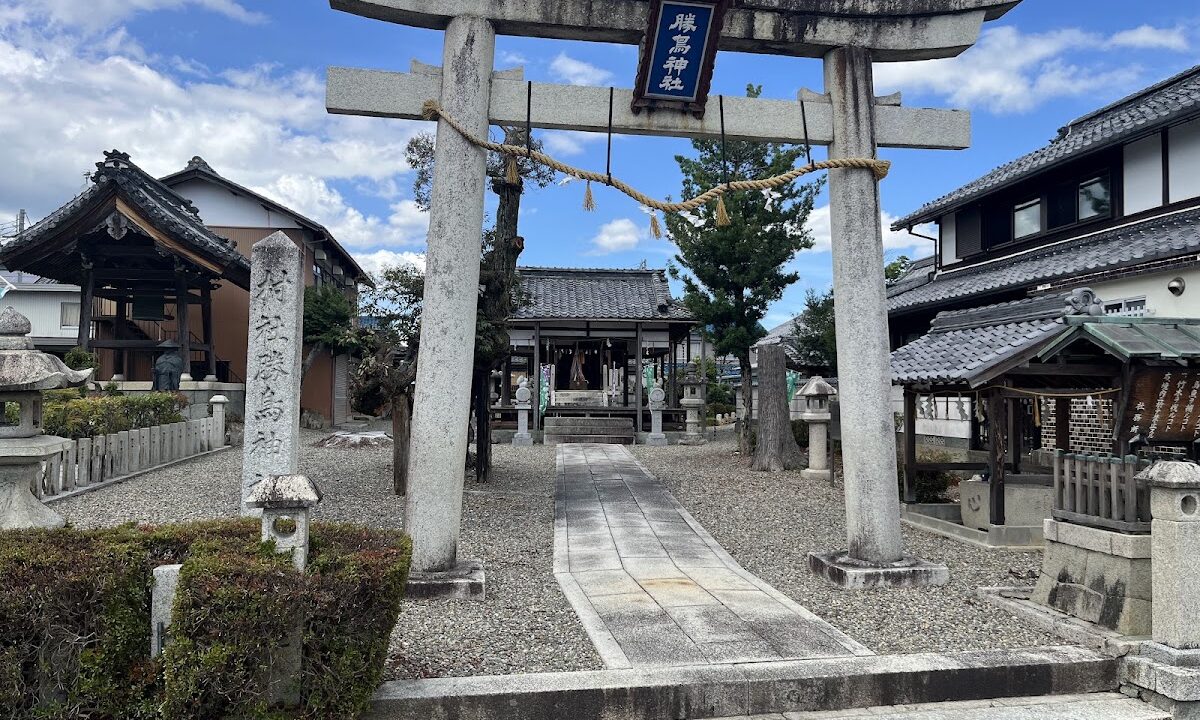
Katsutori Shrine (Hikone City, Shiga Prefecture) Complete Guide: The History and Blessings of an Ancient Shrine Dedicated to Ame-no-Wakahiko-no-Mikoto
Katsutori Shrine, located in Hikone City, Shiga Prefecture, is a historic shrine dedicated to Ame-no-Wakahiko-no-Mikoto, a figure from ancient Japanese mythology. Affectionately known locally as “Mitsu no Katsutori-san,” it has long been a center of local faith.
This article provides detailed information you should know before visiting, including the history of Katsutori Shrine, its enshrined deity, the legend surrounding the Katsutori Stone, the highlights of the shrine grounds, and access methods.
History and Origins of Katsutori Shrine
Legend of its Founding and Ame-no-Wakahiko-no-Mikoto
The founding of Katsutori Shrine is the subject of a legend dating back to ancient times. The main deity, Ame-no-Wakahiko-no-Mikoto, is a mythological figure appearing in the Kojiki and Nihon Shoki.
According to legend, when Ame-no-Wakahiko-no-Mikoto set out from Izumo Province on his eastward campaign, he stopped at Mitsu with Kotoshironushi-no-Mikoto and others. Later, when Ame-no-Wakahiko-no-Mikoto died in battle in Mino Province, the brother of Shita-Teruhime-no-Mikoto buried his remains in Mitsu and erected the Katsutori Stone.
This Katsutori Stone is the origin of the shrine’s name and remains an important object of worship today.
Mitsu and Katsutori Shrine
The Mitsu district, where Katsutori Shrine is located, is a historically significant area within Hikone City. Due to its proximity to Lake Biwa, it flourished as a transportation hub since ancient times, a place where various cultures and beliefs intersected.
The shrine, as the local guardian deity, has watched over the lives of the people who have lived in this area for generations. It is cherished as a place of worship closely tied to daily life, offering prayers for safety in agriculture and fishing, family safety, and protection from evil.
Deities and Blessings
Main Deity: Ame-no-Wakahiko-no-Mikoto
Ame-no-Wakahiko-no-Mikoto is a god sent to the earthly realm (Ashihara-no-Nakatsukuni) at the command of Amaterasu-Omikami. In Japanese mythology, he is known as a god with a complex history, and after descending to earth, he is said to have married Shita-teruhime-no-Mikoto, the daughter of Okuninushi-no-Mikoto.
At Katsutori Shrine, Ame-no-Wakahiko-no-Mikoto is enshrined as the main deity, and his bravery and ambition are celebrated.
Enshrined Deities: Kotoshironushi-no-Mikoto and Oyamakui-no-Mikoto
Along with Ame-no-Wakahiko-no-Mikoto, the following deities are enshrined at Katsutori Shrine:
Kotoshironushi-no-Mikoto
A son of Okuninushi-no-Mikoto, he is a god widely worshipped as “Ebisu-sama.” He is known as the god of business prosperity, maritime safety, and protection of fisheries. There is a legend that he stopped by the Mitsu area together with Ame-no-Wakahiko-no-Mikoto.
Ōyamakui-no-Mikoto
A mountain god known as the guardian deity of Mount Hiei. He is believed to offer protection for agriculture and land, as well as protection against misfortune and good fortune.
Benefits of Katsutori Shrine
The main benefits believed to be obtained at Katsutori Shrine are as follows:
- Improved Luck in Competitions: Because the shrine’s name includes the character for “victory” (勝), worshippers visit to pray for success in competitions and passing exams.
- Long-lasting Military Fortune: Due to the nature of Ame-no-Wakahiko-no-Mikoto as a god of war, it is worshipped by people who wish for success in sports and competitions.
- Family Safety: As the guardian deity of the region, it protects the health and safety of families.
- Business Prosperity: Through the divine virtues of Kotoshironushi-no-Mikoto, you can pray for the development of your business and the prosperity of your commerce.
- Protection from Misfortune and Good Fortune: Through the power of Oyamakui-no-Mikoto, it is believed that misfortune is warded off and good fortune is brought.
Legend of the Katsutori Stone
What is the Katsutori Stone?
The Katsutori Stone is a stone said to have been erected when the remains of Ame-no-Wakahiko-no-Mikoto were buried. This stone is the origin of the shrine’s name and has been revered as sacred since ancient times.
There are several theories about the origin of the name “Kachitori” (勝鳥), but it is said to derive from a legend that celebrated the bravery of Ame-no-Wakahiko-no-Mikoto, and that his soul ascended to heaven as a bird, or from the belief that it was a sacred stone that brought victory.
Beliefs Related to Stones
In ancient Japan, the belief in Iwakura (rock formations), where large or special stones were worshipped as yorishiro (objects inhabited by gods), was widespread. The Kachitori Stone is a valuable example of this ancient belief that still exists today.
Locally, there is a legend that touching this stone will improve one’s luck in competitions and grant wishes, and many worshippers still visit today.
Highlights of the Shrine Grounds
Main Hall and Worship Hall
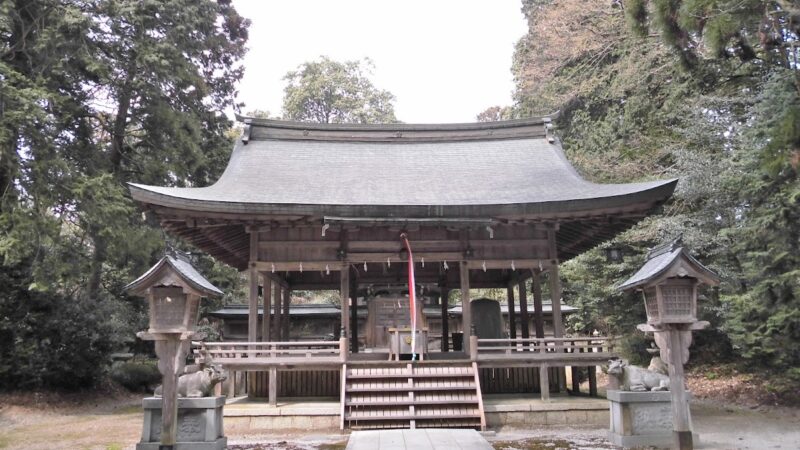
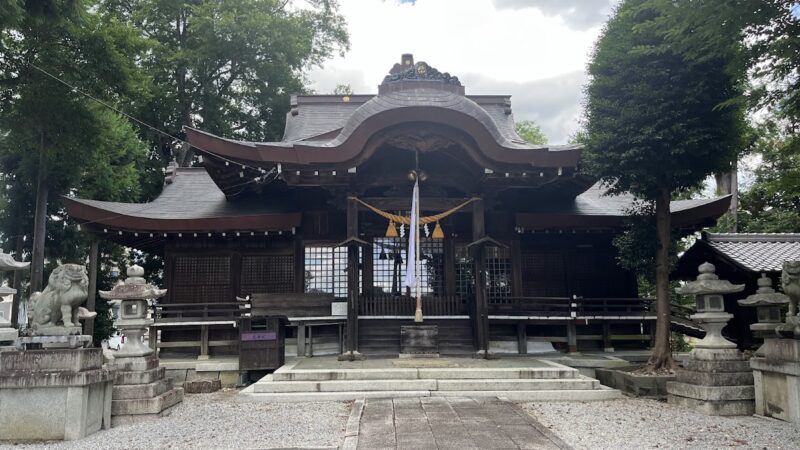
The main hall of Kachitori Shrine preserves the traditional style of shrine architecture. While not large in scale, it is characterized by its tranquil atmosphere befitting a local guardian shrine.
The worship hall is where daily prayers and festivals are held, and it serves as the center of faith for the local people.
Atmosphere of the Shrine Grounds
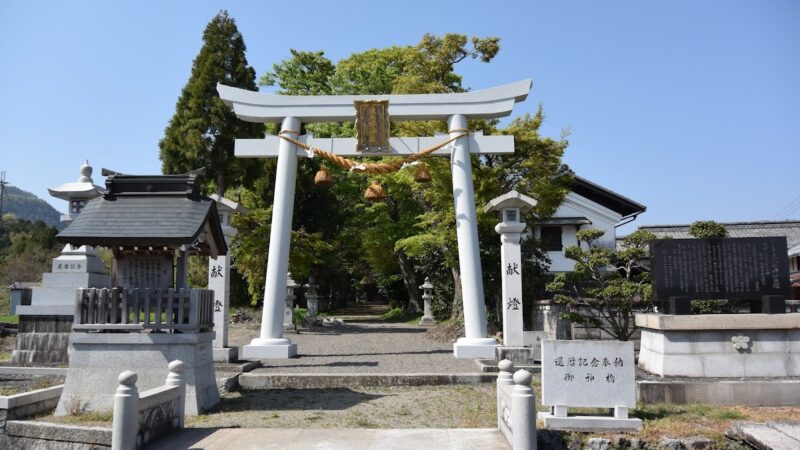
The shrine grounds are enveloped in a quiet and peaceful atmosphere. Ancient trees stand tall, allowing visitors to experience the beauty of nature throughout the seasons. The grounds are particularly beautiful in spring with its fresh greenery and in autumn with its vibrant foliage.
The tranquil environment, far removed from the hustle and bustle of the city, is ideal for a peaceful and calm visit.
Shrine Office and Items Available
At the shrine office, you can obtain items such as amulets and Goshuin (stamped seals). However, it is recommended to check the opening hours and days in advance.
As this is a small local shrine, the shrine office may not always be open. Those wishing to obtain Goshuin or amulets should check with the Hikone Tourism Association or Hikone City Tourist Information Center before visiting.
Annual Events and Festivals
Grand Festival
Katsutori Shrine holds various festivals throughout the year. The most important festival, the Grand Festival, brings together local parishioners for portable shrine processions and offerings.
For the local people, the annual festival is a special day of the year, an important opportunity to reaffirm the bond between the shrine and the community.
Daily Rituals
In addition to the annual festival, traditional Shinto rituals such as monthly festivals and New Year’s Day festivals are continuously performed. These rituals play an important role in preserving the history and traditions of the shrine and passing them on to future generations.
How to Visit and Etiquette
Basic Worship Etiquette
When visiting Katsutori Shrine, please observe the following basic etiquette:
- Bow before passing through the torii gate: Show respect before entering the sacred area.
- Purify yourself at the water basin: Purify your left hand, right hand, and mouth in that order.
- Worship in front of the main hall: Two bows, two claps, and one bow is the basic procedure.
- Walk quietly around the grounds: Remember to be considerate of other worshippers.
- Bow again at the torii gate when leaving: Express your gratitude.
Points to Note During Your Visit
- The shrine grounds are a sacred place, so please refrain from loud conversations and noisy behavior.
- Photography is generally permitted, but please refrain from taking pictures in areas where photography is prohibited, such as inside the main hall.
- Please take your trash with you and help keep the shrine grounds clean.
- It is recommended to refrain from bringing pets to the shrine or to check in advance.
Access Information
Location
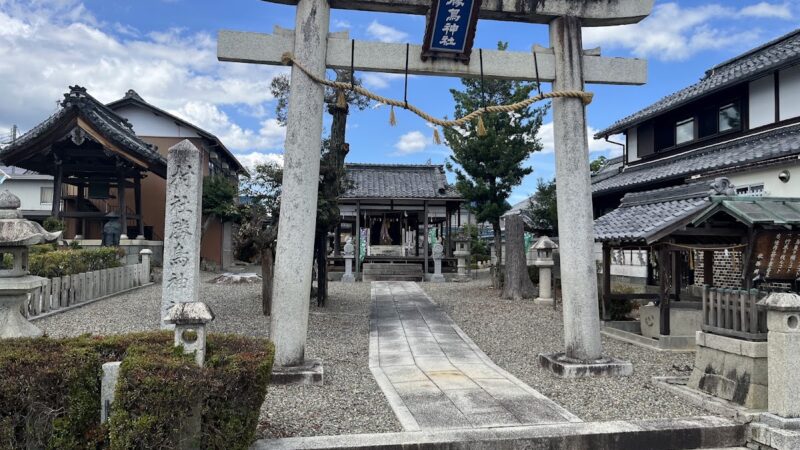
Katsutori Shrine is located in Mitsu-cho, Hikone City, Shiga Prefecture. While it’s a little distance from Hikone Castle and Hikone Station, its location in a quiet residential area allows for peaceful worship.
Access by Public Transportation
From JR Hikone Station
- Take a bus or taxi from Hikone Station
- Approximately 30 minutes on foot (depending on distance)
- For detailed bus routes, please inquire at the Hikone Tourist Information Center or the Hikone City Tourist Information Office.
The Hikone Tourist Information Office, operated by the Hikone Tourism Association, provides access information to shrines and temples in the city, so it’s a good idea to inquire before your visit.
Access by Car
From the Meishin Expressway
- Approximately 15-20 minutes by car from Hikone IC
- Please enter “Katsutori Shrine” or the address into your car navigation system.
Parking
- There may be a few parking spaces on the shrine grounds or nearby, but it is recommended to check in advance for details.
- It may get crowded during festivals, so please consider using public transportation.
Opening Hours and Admission Fee
Visiting Hours
- Entry to the shrine grounds is generally free.
- The shrine office may have limited opening hours, so those wishing to receive a Goshuin (shrine stamp) should check in advance.
Admission Fee
- Free (Donations are welcome at your discretion)
Nearby Tourist Attractions
Hikone Castle
Hikone Castle, designated a National Treasure, is a must-see tourist spot when visiting Katsutori Shrine. From the castle tower, you can enjoy a panoramic view of Lake Biwa and its beautiful scenery throughout the seasons.
Other Shrines and Temples in Hikone City
Besides Katsutori Shrine, Hikone City has many other historical temples and shrines:
- Taga Taisha: A shrine known affectionately as “O-Taga-san,” dedicated to longevity and good health.
- Ryotanji: The family temple of the Ii family of the Hikone Domain.
- Seiryoji: A temple associated with Ii Naosuke.
Lake Biwa Tourism
Lake Biwa, Japan’s largest lake, is another attraction of Hikone City. Various activities can be enjoyed, such as cycling along the lakeshore and taking a sightseeing boat cruise.
Katsutori Shrine’s Connection to the Community
Role as a Local Guardian Shrine
Katsutori Shrine is the local guardian shrine of the Mitsu district, playing a central role in the community. It is a place cherished across generations, visited for important life events such as baby blessings, Shichi-Go-San (a traditional rite of passage for children), and New Year’s visits.
Preserving Local Traditions
Shrine festivals and events play a vital role in passing on local traditional culture to future generations. Younger generations participate in the preparation and operation of these festivals, deepening their attachment to the region and their understanding of tradition.
Potential as a Tourism Resource
While Hikone City is a tourist city centered around Hikone Castle, small local shrines like Katsutori Shrine are also valuable tourism resources that convey history and culture. The Hikone Tourism Association is actively working to disseminate information about these hidden gems.
Visitor Feedback and Reputation
Quiet and Peaceful Atmosphere
Visitors often comment on the shrine’s peaceful and calming atmosphere, noting that it is cherished by the locals. The unpretentious, unspoiled atmosphere actually highlights the shrine’s inherent charm.
Power Spot for Good Luck in Competitions
Because the shrine’s name includes the character for “victory” (勝), many people visit before exams, job interviews, or sports matches. Reports of positive results after visiting the shrine have also been received. ### A Place Where You Can Feel the Local History
Visitors who are history enthusiasts often comment on the shrine’s unique history, such as “It’s a rare shrine that enshrines the mythological god Ama-no-Wakahiko-no-Mikoto” and “The legend of the Katsutori Stone is fascinating.”
Summary: The Charm of Katsutori Shrine
Katsutori Shrine in Hikone City, Shiga Prefecture, is a historic shrine with Ama-no-Wakahiko-no-Mikoto as its main deity. It possesses multifaceted charm, including ancient legends surrounding the Katsutori Stone, the presence of the enshrined deities Kotoshironushi-no-Mikoto and Oyamakui-no-Mikoto, and its role as the local guardian deity.
While not a large-scale tourist shrine, its tranquil atmosphere and the warmth rooted in the local community soothe the hearts of visitors. Why not extend your trip a little when visiting Hikone Castle and visit this historic shrine?
Before visiting, it is recommended to check the latest information at the Hikone Tourism Association, Hikone Tourist Center, or Hikone City Tourist Information Center. You can obtain useful information such as opening hours and festival dates.
Katsutori Shrine will undoubtedly continue to be cherished by many people as a hidden historical spot in Shiga Prefecture.