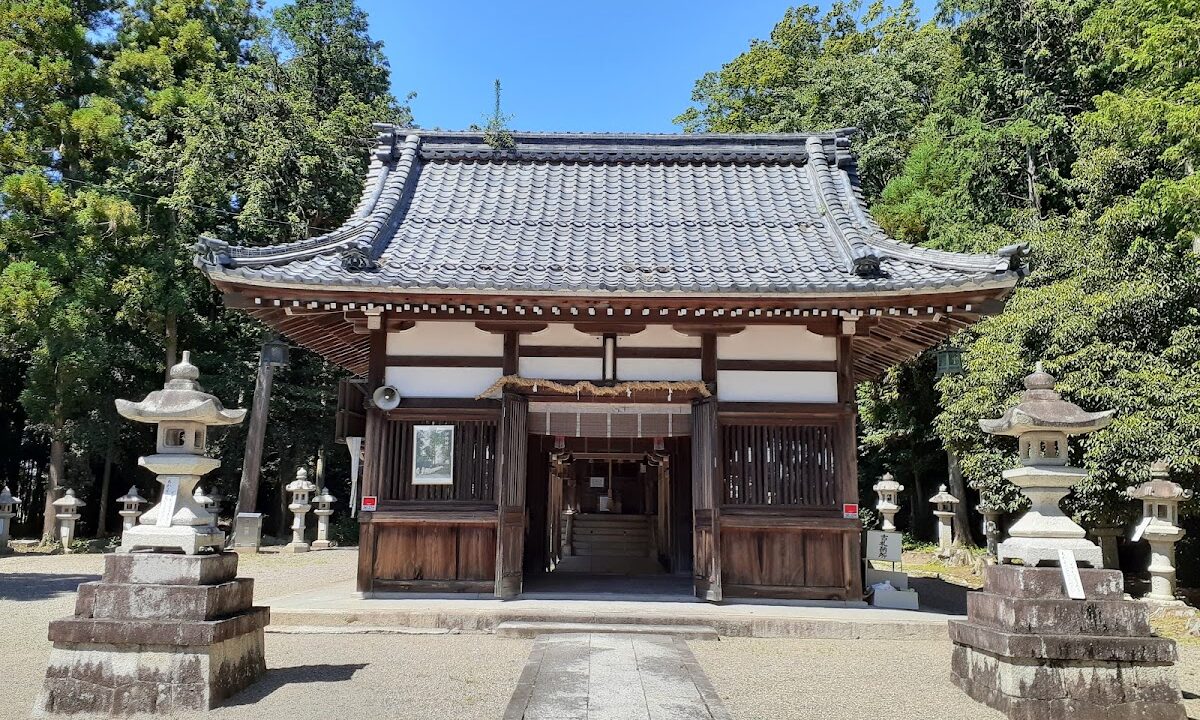
Ajiki Shrine (Shiga Prefecture) Complete Guide | Visiting Japan’s Oldest Garden and the History of Immigrants
Ajiki Shrine, located in Toyosato-cho, Inukami-gun, Shiga Prefecture, is a Shikinaisha (a shrine listed in the Engishiki) with a history of over 1500 years. Affectionately known locally as “Ajiki-san,” it preserves one of Japan’s oldest gardens and a deep history related to immigrants from Baekje. This article comprehensively introduces information you should know before visiting Ajiki Shrine, including its history, highlights, goshuin (shrine stamp) information, and access methods.
What is Ajiki Shrine? | Its Status and History as a Shikinaisha
Ajiki Shrine is a historically significant shrine with the status of a “Shikinaisha,” listed in the Engishiki Jinmyocho (a list of shrines compiled during the Heian period). Its former shrine rank was Prefectural Shrine, and it is known as a shrine of important historical value within Shiga Prefecture.
History of its Founding and Deep Connections with Immigrants
The exact founding date of Ajiki Shrine is unknown, but it is believed to predate the Asuka period, dating back over 1500 years. The “Ajiki clan” (also written as Ajiki clan), from which the shrine derives its name, was a noble family of immigrants who came to ancient Japan from Baekje.
The Ajiki clan had deep ties with the imperial court and was an important clan that brought advanced continental culture and technology to Japan. This shrine is said to have been founded by the Ajiki clan to enshrine their ancestors. It is a valuable example of ancient Japanese belief, where immigrants worshipped their own roots as gods.
Main Deity and Enshrined Deities
Main Deity: Ajisukitakahikone-no-kami
Ajisukitakahikone-no-kami is a deity that appears in the Kojiki and Nihon Shoki, and is considered a child of Okuninushi-no-mikoto. However, at Ajiki Shrine, the prevailing theory is that this deity’s name refers to the Ajiki clan themselves, who were immigrants from Baekje. In other words, it exhibits an interesting form of worship where mythological deities and historical figures overlap.
Deities Enshrined:
- Michinushi-no-Muchi-no-Kami
- Amenokoyane-no-Kami
- Ukemochi-no-Kami
- Susanoo-no-Mikoto
- 7 other deities
A total of 11 deities are enshrined, indicating that this shrine is a fusion of diverse beliefs.
One of Japan’s Oldest Gardens | Highlights of the Prefectural Designated Scenic Spot
The greatest highlight of Ajiki Shrine is undoubtedly its garden, one of Japan’s oldest, believed to have been created approximately 1500 years ago. It is a Shiga Prefecture designated scenic spot and has been selected as one of the “100 Famous Gardens of Shiga Prefecture.”
The Legend of the Garden’s Creation by Wani
The garden is said to have been created by Wani, a legendary figure credited with introducing Chinese characters to Japan. Wani was also an immigrant from Baekje, and a real person whose records are found in the Kojiki and Nihon Shoki. The legend that the Ajiki clan invited Wani to create the garden speaks to the network among immigrants and the advanced landscaping techniques they possessed.
If this garden truly dates back 1500 years, it would be one of the oldest gardens in Japan, predating the Asuka period, making it an extremely important cultural asset in the history of gardens.
Characteristics of the Pond-Style Island Garden
The garden of Ajiki Shrine is built in a style called “pond-style island garden.” It is characterized by its unique arrangement, spreading out east and west like a bird’s wings from the main shrine building.
East Pond: Approximately 920 tsubo (3,036 m²)
West Pond: Approximately 770 tsubo (2,541 m²)
Total Area: Approximately 5,700 tsubo
The two ponds feature peninsulas and islands, and combined with their beautifully curved shapes, create an elegant and sacred atmosphere. The ponds are surrounded by lush trees, displaying different expressions throughout the seasons.
The Landscape of the Approach Lined with Stone Lanterns
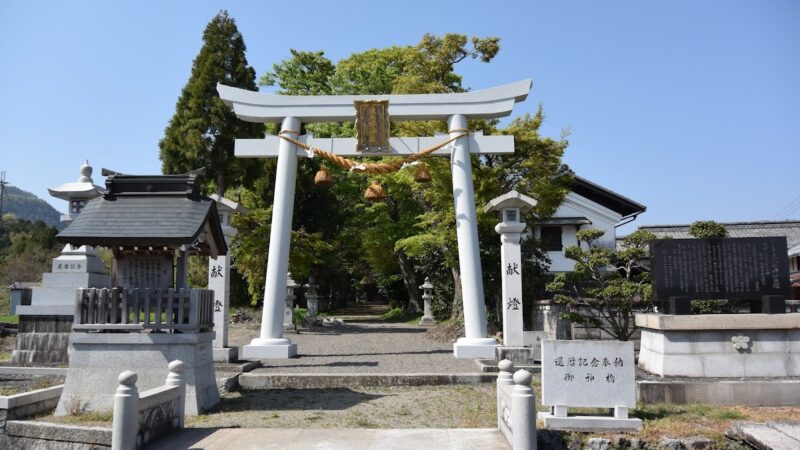
The approach leading from National Route 8 to the shrine is lined with numerous stone lanterns. The landscape, with the garden continuing along these lanterns, creates a unique atmosphere characteristic of Ajiki Shrine, transporting visitors to ancient times.
Walking along the approach, the greenery of the garden and the surface of the ponds, seen through the stone lanterns, evoke a tranquil and sacred feeling. Especially during the seasons of fresh greenery and autumn leaves, the colors of the trees add to the beauty of the scenery.
Highlights of the Shrine Grounds and Cultural Properties
Main Hall, a Prefecturally Designated Tangible Cultural Property
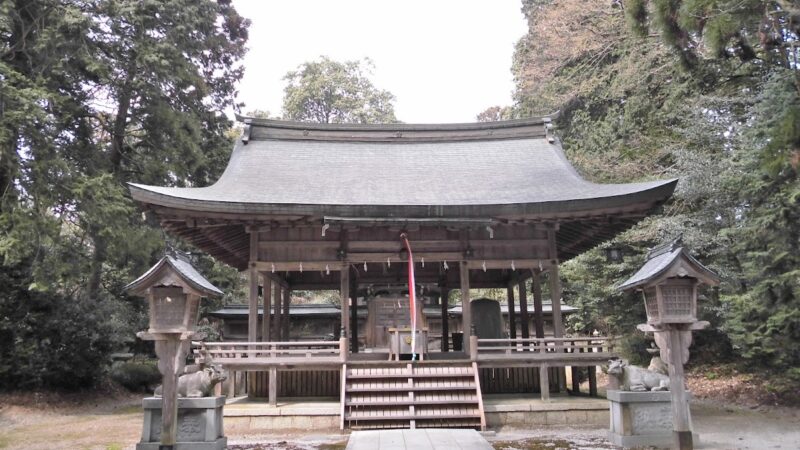
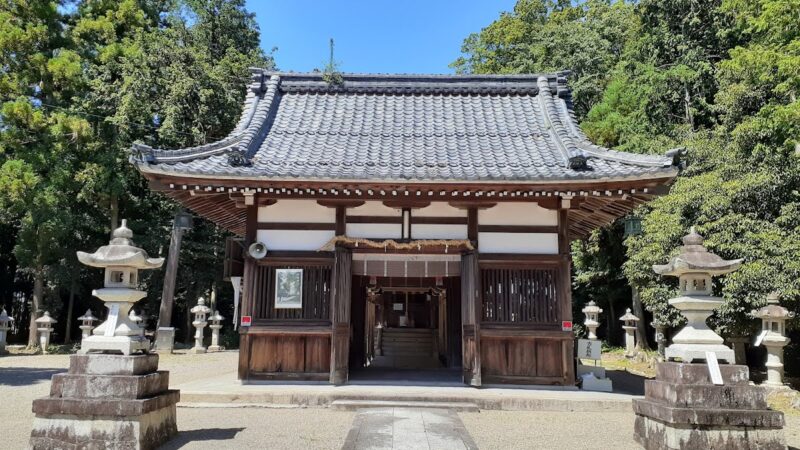
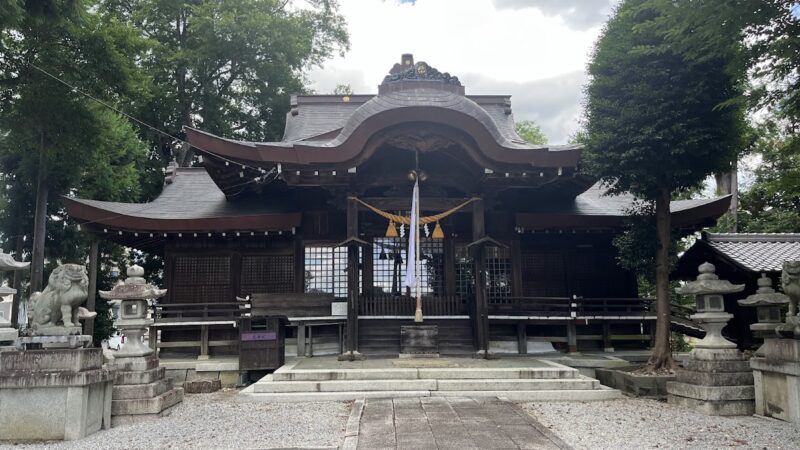
The main hall of Ajiki Shrine was built in 1664 (Kanbun 4) and is designated as a Shiga Prefecture-designated tangible cultural property. Built in the Shinmei-zukuri architectural style, it exhibits a simple yet dignified appearance.
In fact, the current shrine building is a reconstruction. During the Sengoku period, the shrine was destroyed by fire during Oda Nobunaga’s campaigns, but it was rebuilt during the Edo period. This history illustrates how the turmoil of the Sengoku period affected many temples and shrines in Shiga Prefecture.
Integrated Spatial Composition of Shrine Building and Garden
A noteworthy feature of Ajiki Shrine is its integrated spatial composition of the shrine building and garden. The garden, which extends east and west from the main hall, is not merely decorative, but plays a role in creating a sacred space throughout the entire shrine grounds.
This configuration, where almost the entire shrine grounds are gardened, is a valuable example for understanding the relationship between ancient shrine architecture and gardens. The atmosphere where the shrine and garden are seamlessly integrated offers a unique charm that cannot be experienced at other shrines.
Goshuin (Shrine Seal) and Goshuincho (Shrine Seal Book) Information
You can receive a goshuin at Ajiki Shrine. With its status as a Shikinaisha (a shrine listed in the Engishiki, an ancient Japanese legal code) and its garden, one of the oldest in Japan, the goshuin will be a special one for goshuin collectors.
Regarding the Issuance of Goshuin
Regarding the issuance of goshuin, it is recommended to check in advance, as there may not always be a permanent shrine office. As this shrine is carefully preserved by the local people, it is important to pray quietly and show respect for the local faith when visiting.
When requesting a goshuin, please do so respectfully after completing your prayers. A goshuin is not merely a commemorative stamp, but a sacred item received from the shrine as proof of your visit.
Access and Basic Information
Location
Address: 529-1169 Ajiki-Nishi, Toyosato-cho, Inukami-gun, Shiga Prefecture
Access by Train
Nearest Station:
- Approximately 3km from JR Biwako Line “Kawase Station”
- Approximately 2km from Ohmi Railway Main Line “Toyosato Station”
It takes about 30 minutes to walk from either station, so taking a taxi is recommended. It’s about a 10-minute taxi ride from Kawase Station and about a 5-minute ride from Toyosato Station.
Access by Car
The shrine is located a short distance east of National Route 8. Entering “Ajiki Shrine” or the address into your car navigation system will guide you there.
Parking:
There is no dedicated parking lot, but there may be spaces available along the roads around the shrine. However, please be considerate of local residents.
The shrine is within walking distance of the former Toyosato Elementary School building (known as a pilgrimage site for fans of the anime “K-On!”), so if you plan to visit both, you can consider using the former school building’s parking lot.
Visiting Hours and Admission Fee
Visiting Hours: Grounds are freely accessible (visits are possible at all times)
Admission Fee: Free
While parts of the garden can be seen from outside the shrine, viewing it up close within the grounds allows for a deeper appreciation of its beauty and historical value.
Inquiries
For detailed information and the latest updates, please contact the Toyosato Town Hall or the Toyosato Town Tourism Association.
Toyosato Town Hall:
Phone Number: 0749-35-8112 (Main)
Nearby Tourist Attractions
Former Toyosato Elementary School Buildings
The former Toyosato Elementary School building, located within walking distance of Ajiki Shrine, is a masterpiece of modern architecture built in 1937. The school became nationally known as the model for the anime “K-On!”, and has become a pilgrimage site visited by many fans.
Architecturally, it is of great value, a beautiful school building that strongly retains the characteristics of Vories’ architecture. The interior is open to the public and can be freely viewed.
Historical Walks Along the Omi Railway Line
Along the Omi Railway Main Line, there are many historical tourist spots, including Hikone Castle. When visiting Ajiki Shrine, it is recommended to also visit the surrounding historical sites as part of a trip exploring the history and culture of Omi.
Best Season for Visiting and Photo Opportunities
The Beauty of the Garden in Each Season
The garden of Ajiki Shrine shows a different face in each of the four seasons.
Spring: The fresh greenery is beautiful, and the young leaves reflected on the surface of the pond create a refreshing atmosphere.
Summer: The shrine grounds, enveloped in deep green, have a cool breeze even in the heat.
Autumn: During the autumn foliage season, the trees change color, and the reflection of the leaves in the pond is exceptionally beautiful.
Winter: After the leaves have fallen, the shape of the pond and the stone arrangements become clearer, allowing you to enjoy the structural beauty of the garden.
Photography Tips
When photographing the garden, the combination of the stone lantern and the garden as seen from the approach to the shrine is an excellent angle. Also, to capture the beautiful curves of the pond, it is recommended to view the entire scene from a slightly elevated position.
The shrine grounds are a quiet and sacred place, so please be considerate of other visitors and nearby residents when taking photographs. Please refrain from using tripods or making loud noises.
Historical Significance of Ajiki Shrine
A Valuable Heritage of Immigrant Culture
Ajiki Shrine is a valuable cultural heritage that conveys the traces of immigrants in ancient Japan. The Ajiki Shrine, founded by the Ajiki clan, immigrants from Baekje, and the tradition that the Wang In clan, who introduced Chinese characters to Japan, were involved in its landscaping, speaks to the history of ancient international exchange and cultural transmission.
Importance in Ancient Garden History
The garden, believed to have been created approximately 1500 years ago, occupies an extremely important position in the history of Japanese gardens. While very few gardens from before the Asuka period remain, the Ajiki Shrine garden is a rare example that conveys ancient landscaping techniques and aesthetic sensibilities.
Its style, a pond-centered, multi-island garden, may have influenced the development of later Japanese gardens and is attracting attention from the perspective of garden research.
A Faith Rooted in the Community
Despite its long history, the Ajiki Shrine remains affectionately known as “Ajiki-san” by locals and is a center of community faith. Even after being destroyed by fire during Oda Nobunaga’s campaigns, it was rebuilt and preserved through the efforts of the local people.
The continuation of these locally rooted beliefs demonstrates that shrines are not merely historical relics, but still function as living places of worship.
Etiquette and Precautions for Visiting a Shrine
Basic Etiquette for Visiting a Shrine
- Bow before passing through the torii gate: This is a courtesy before entering the sacred area.
- Avoid the center of the path: The center is considered the path of the gods.
- Purify yourself at the water basin: Cleanse your hands and mouth before praying.
- Two bows, two claps, one bow: This is the general etiquette for visiting a shrine.
Precautions when viewing the garden
- The garden is a valuable cultural asset designated as a prefectural scenic spot. Please be careful not to throw anything into the pond or damage the plants.
- As the shrine is located in a quiet residential area, please refrain from loud conversations and noise.
- Please be sure to take your trash with you.
Summary | A Sacred Space Woven from History and Nature
Ajiki Shrine is a special place in Shiga Prefecture, boasting a history of over 1500 years as a Shikinaisha (a shrine listed in the Engishiki, an ancient Japanese legal code) and possessing one of the oldest gardens in Japan. The history of the Ajiki clan, immigrants from Baekje; the legend of the garden’s creation by Wani; the beautiful garden designated as a prefectural scenic spot; and the deeply rooted local faith—all these elements blend together to create a unique atmosphere unlike any other.
Despite being close to National Route 8, stepping into the shrine grounds reveals a tranquil and sacred space. The stone lantern-lined approach, the beautifully curving pond, and the seasonal colors of the trees—the scenery they create will deeply move visitors.
When visiting Shiga Prefecture, be sure to visit Ajiki Shrine and experience this special space where ancient history and nature harmonize. The tranquil beauty of one of Japan’s oldest gardens, combined with the atmosphere of a shrine steeped in the history of immigrants, will surely create lasting memories.