Complete Guide to Taga Shrine | History, Blessings, and How to Visit “O-Taga-san” Across Japan
Taga Shrines are shrines dedicated to Izanagi-no-Mikoto and Izanami-no-Mikoto, the gods of creation in Japanese mythology, and are located throughout Japan. Affectionately known as “O-Taga-san,” they have long attracted worshippers seeking various blessings, including longevity, matchmaking, and protection from evil. This article provides detailed information on the history, blessings, and methods of visiting Taga Shrines throughout Japan, focusing on Taga Taisha in Shiga Prefecture, as well as those in Hachioji, Tokyo, Nogata, Fukuoka, Wakayama, Sapporo, and other locations.
What is Taga Shrine? | The History of a Shrine Revered as a “God of Life”
Izanagi-no-Mikoto and Izanami-no-Mikoto, the main deities of Taga Shrine, are a married couple in Japanese mythology who gave birth to the Japanese archipelago and the countless gods, including Amaterasu-Omikami. Due to its character as the “parent deity of life,” Taga Shrine is revered nationwide as the “god of life.”
Mythology and Beliefs of the Enshrined Deities
Izanagi-no-Mikoto and Izanami-no-Mikoto are central figures in the creation myths of Japan and the gods recorded in the Kojiki and Nihon Shoki. The two deities are said to have stood on the Heavenly Floating Bridge and stirred the sea with the Heavenly Jeweled Spear to create the Japanese archipelago. Afterward, Izanami-no-Mikoto died after giving birth to the god of fire and departed for the underworld. This myth symbolizes the birth, death, and rebirth of life.
Based on this mythological background, Taga Shrine has been a place of prayer for all kinds of human life and prosperity, including longevity, healing from illness, safe childbirth, and matchmaking. In particular, the prayers for “naming consultations” and “baby naming” are known as unique features of Taga Shrine.
Taga Faith Spreads Nationwide
Taga faith spread throughout Japan from the medieval period onward. In particular, with Taga Taisha Shrine in Inukami-gun, Shiga Prefecture as the head shrine, various warlords and feudal lords throughout the country invited branch shrines to be established, and these shrines came to be worshipped as guardian deities of their respective regions. Even today, Taga Shrines are located throughout Japan, including Tokyo, Fukuoka, Wakayama, Shimane, and Hokkaido, and each region enjoys fervent devotion.
Taga Taisha Shrine, Shiga Prefecture | Head Shrine of the Taga Faith
History and Status of Taga Taisha Shrine
Taga Taisha Shrine, located in Taga-cho, Inukami-gun, Shiga Prefecture, is a venerable shrine with the status of a former Kanpei Taisha (a high-ranking government-supported shrine) and the head shrine of the Taga faith. While the exact date of its founding is unknown, it has long been affectionately known as “O-Taga-san” and has garnered nationwide devotion as a god of longevity and good health.
It was already recognized as an important shrine during the compilation of the “Kojiki” in the Nara period, and received reverence from the imperial court during the Heian period. In the Middle Ages, the shrine was deeply revered by samurai families, and Toyotomi Hideyoshi, in particular, is known for praying for the recovery of his mother, Omandokoro, from illness. After his prayers were answered, he donated the Taiko Bridge and the Okushoin (inner study hall) to the shrine.
Highlights of the Shrine Grounds
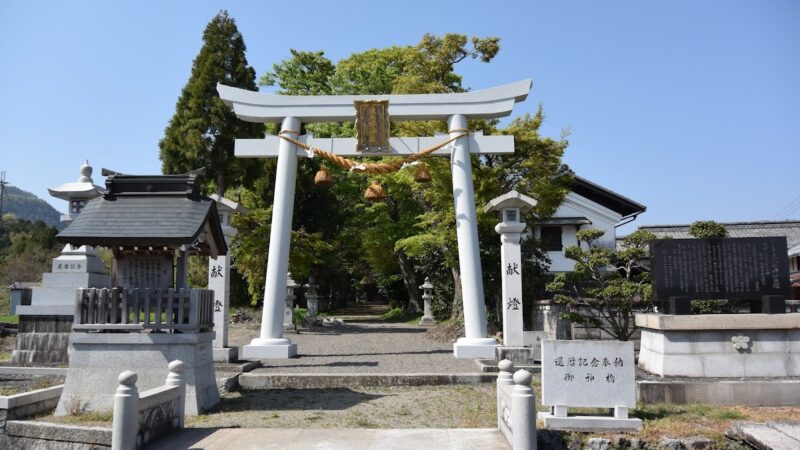
The grounds of Taga Taisha Shrine contain numerous historical buildings and points of interest. A large torii gate stands at the entrance to the approach, and souvenir shops and restaurants line both sides of the path leading from the station to the shrine, bustling with worshippers.
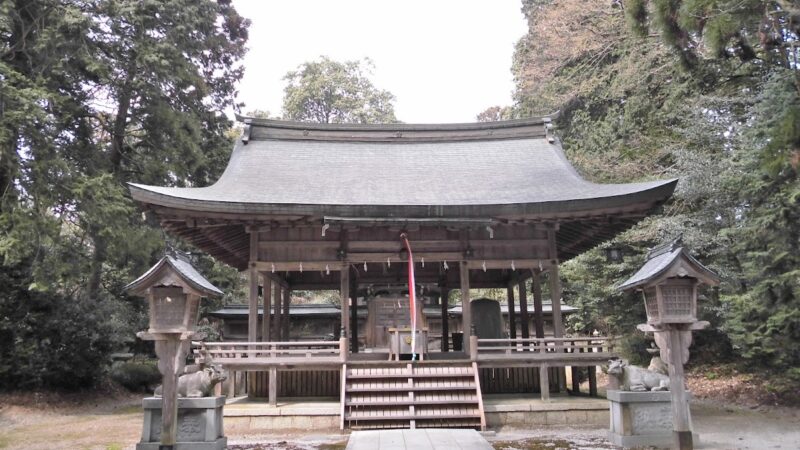
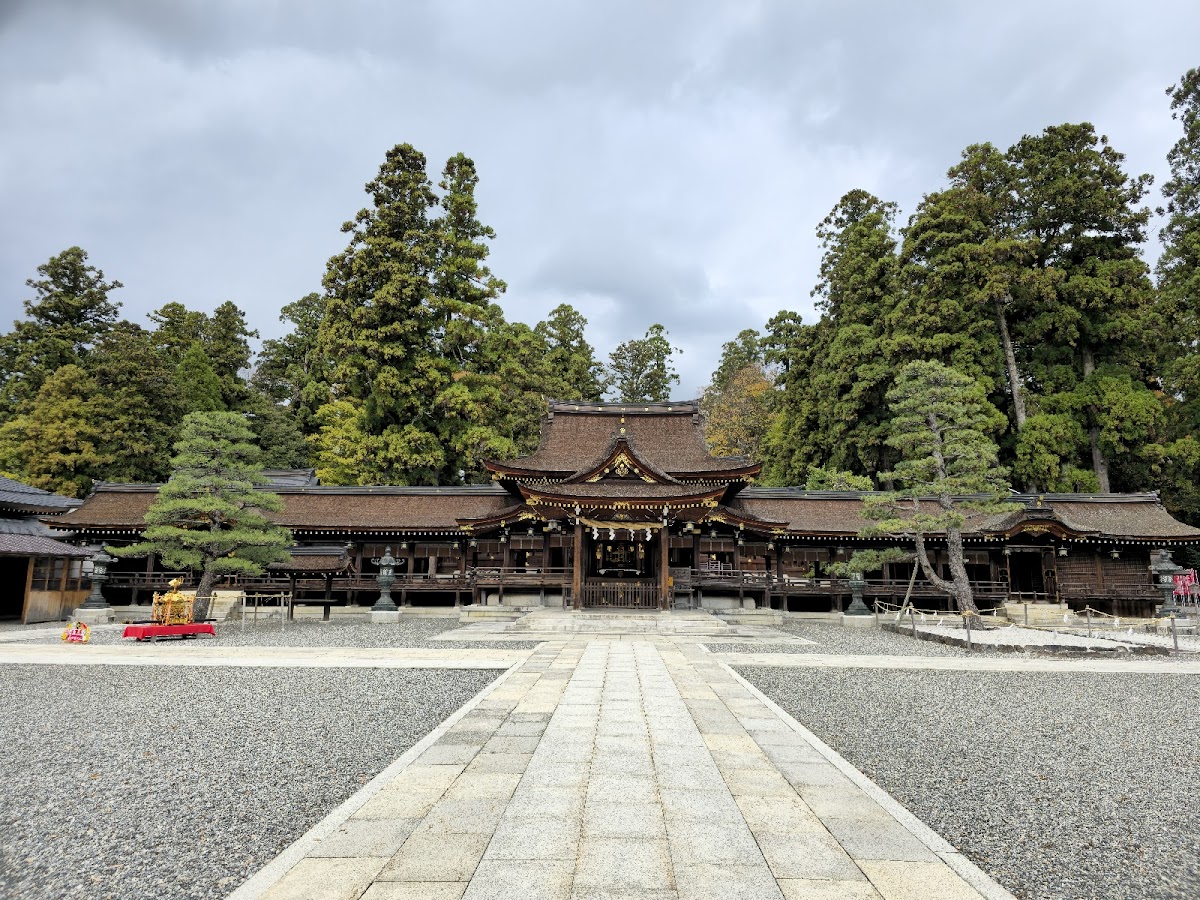
The main hall is a magnificent shrine building that preserves the architectural style of the Edo period, and along with the worship hall, it is protected as an important cultural property. The grounds also contain buildings associated with Toyotomi Hideyoshi, such as the Taiko Bridge and the Okushoin, making it a popular spot for history buffs.
Annual Events at Taga Taisha Shrine
Various festivals are held at Taga Taisha Shrine throughout the year. Particularly important is the Grand Festival on April 22nd, a grand celebration attracting many worshippers and featuring a procession of portable shrines and palanquins through the town. Traffic restrictions are in place during the Grand Festival, so it’s recommended to check the information beforehand.
Also, a special exhibition of treasures is held in the spring, allowing visitors to view valuable treasures passed down through the shrine. Information on these events is regularly posted on the Taga Taisha official website.
Taga Shrine, Hachioji City, Tokyo | The Taga Shrine of the Kanto Region, established by Minamoto no Tsunemoto
Founding of Hachioji Taga Shrine
Taga Shrine, located in Hachioji City, Tokyo, is said to have been established in 938 AD by Minamoto no Tsunemoto, who was appointed Musashi no Suke (governor of Musashi Province), to pray for a bountiful harvest and eternal peace. It was established by branching off from Taga Taisha Shrine in Shiga Prefecture. With a history of over 1000 years, it is an important center of Taga worship in the Kanto region.
Minamoto no Tsunemoto was a samurai known as the ancestor of the Seiwa Genji clan, and a figure who dedicated himself to pacifying the Kanto region. The fact that Tsunemoto revered the divine power of Taga Shrine and enshrined it in this location indicates that the Taga faith was deeply revered by samurai families even at that time.
Prayers and Blessings of Hachioji Taga Shrine
Hachioji’s Taga Shrine accepts various prayers related to life’s milestones, such as first shrine visits for newborns, Shichi-Go-San (7-5-3) festivals, family safety, business prosperity, traffic safety, recovery from illness, safe childbirth, success in examinations, exorcism, and 60th birthday purification ceremonies.
Furthermore, they also conduct off-site ceremonies such as ground-breaking ceremonies, completion ceremonies, and house-move-in purification ceremonies, functioning as a shrine closely integrated into the local community. They also offer naming consultations, continuing to pass on their role as a “life god” that celebrates the birth of new life.
Visitor Information and Access
When visiting Hachioji Taga Shrine, it is recommended to check the latest visiting hours and prayer reception hours on the official website before your visit. The shrine grounds have a calm atmosphere, providing a peaceful environment for worship away from the hustle and bustle of the city.
Taga Shrine, Nogata City, Fukuoka Prefecture | Guardian Shrine of Nogata Castle Town
History of Nogata Taga Shrine
Taga Shrine in Nogata City, Fukuoka Prefecture, has long been a place of local faith as the guardian shrine of Nogata Castle Town. While the exact founding date is unknown, it is said to have been formerly known as “Hino-shomiya/Hino-wakamiya” and called “Myoken Daimyojin Taga Okami” during the Nara period.
It enshrines the married deities Izanagi-no-Okami and Izanami-no-Okami, and is cherished by the local people as a god of longevity, pacification, and protection against evil. As a shrine that has walked hand in hand with the history of Nogata, it continues to attract many worshippers today. ### The Divine Procession Returns After 30 Years
Nogata Taga Shrine has a tradition of a divine procession (mikoshi togyo) with a history of over 300 years. Recently, the procession was revived after a 30-year hiatus, attracting attention as a grand festival involving the entire community. The shrine recruited bearers for the mikoshi and phoenix palanquin from the local area, demonstrating its commitment to preserving this traditional culture.
The divine procession is an important Shinto ritual in which the shrine’s deity tours the parish area, praying for the peace and prosperity of the region. The revival of this tradition strengthens community bonds and provides a valuable opportunity to pass on traditional culture to the next generation.
Official Information for Nogata Taga Shrine
Nogata Taga Shrine provides information on its official website and Instagram account (@tagajinjya.nogata), where you can find festival information and photos of the shrine grounds. We recommend checking the latest information before visiting.
Taga Shrine, Wakayama City, Wakayama Prefecture | The “God of Life” near Wakayama Castle
Characteristics of Wakayama Taga Shrine
Taga Shrine in Wakayama City, Wakayama Prefecture, is a branch shrine of Shiga Prefecture’s Taga Taisha Shrine, located near Wakayama Castle. Affectionately known as “O-Taga-san, the God of Life,” it attracts many worshippers seeking blessings for longevity, matchmaking, and protection from evil.
It is particularly known for prayers for naming babies, safe childbirth, matchmaking, and good fortune, and many people visit the shrine at important milestones in their lives. Despite its urban location, it maintains a tranquil atmosphere, providing a peaceful environment for worship.
Photogenic Grounds
The grounds of Wakayama Taga Shrine are renowned for their beautiful decorations, including the purification fountain and the main hall, and are popular for their artistic goshuin (shrine stamps), making them ideal for photography. Popular with visitors in the age of social media, the number of young visitors, in particular, is increasing.
Each shrine has its own unique design for its goshuin (temple/shrine stamp), making Wakayama Taga Shrine a must-see spot for those who enjoy collecting goshuin.
Taga Shrine, Sapporo City, Hokkaido | Shrine within the grounds of Sapporo Gokoku Shrine
The Origins of Sapporo Taga Shrine
Taga Shrine in Sapporo City, Hokkaido, was established in 1949 (Showa 24) as a shrine within the grounds of Sapporo Gokoku Shrine, with a divided spirit invited from Taga Taisha Shrine in Shiga Prefecture. Its establishment shortly after the war is deeply connected to the history of Hokkaido’s development.
In 1971 (Showa 46), the four deities of Yamahana Shrine, the tutelary shrine of the former Yamahana Tondenhei village, were welcomed and enshrined together with Taga Shrine, giving it the role of guardian deity of the Yamahana area. In 2019 (Reiwa 1), the shrine celebrated its 70th anniversary and continues to develop as a shrine deeply rooted in the community.
The History of the Tondenhei and Taga Shrine
The Yamahana Tondenhei village was an important base for the Tondenhei system established during the Meiji era for the development of Hokkaido. The deities of Yamahana Shrine, which were revered by the Tondenhei and their families, were enshrined together with those of Taga Shrine, creating a unique form of worship that intertwined the history of development with the Taga faith.
Even today, local people cherish Taga Shrine as the “guardian deity of the region,” and many worshippers visit for New Year’s prayers and annual festivals.
Taga Shrine, Matsue City, Shimane Prefecture | An Ancient Shrine Recorded in the Izumo Fudoki
The Long History of Matsue Taga Shrine
Taga Shrine in Matsue City, Shimane Prefecture, is an ancient shrine recorded in the “Izumo Fudoki,” and enshrines Susanoo-no-Mikoto and five other deities. As a shrine deeply intertwined with the mythology of the Izumo region, it has continued to attract worshippers from ancient times to the present day.
It was also deeply revered by successive provincial governors and the Amago clan during the Sengoku period, and was protected as a domain shrine by the Matsudaira clan during the Edo period. The fact that the shrine’s crest is a three-leaf hollyhock speaks to its deep connection with the Matsudaira clan.
The Kamiari Festival and Taga Shrine
In the Izumo region, there is a tradition that gods from all over Japan gather in the tenth month of the lunar calendar (Kamiari-zuki). At Taga Shrine in Matsue, there is a tradition that on November 25th, the gods who have gathered in the Izumo region from all over Japan stop by on their way back and are entertained, and it is known as one of the shrines where the Kamiari Festival is held.
This Kamiari Festival is a unique form of worship in the Izumo region, indicating that Taga Shrine plays an important role in the region’s religious ceremonies.
Main Benefits and Prayers at Taga Shrine
Longevity and Healing from Illness
The most representative benefit of Taga Shrine is longevity. The auspicious “Otagajakushi” (a type of ladle) is said to be the origin of the word “otama-shakushi” (a type of ladle) and is known as a symbol of longevity. Many people also pray here for recovery from illness; the story of Toyotomi Hideyoshi praying for his mother’s recovery is famous.
Matchmaking and Marital Harmony
Because it enshrines Izanagi-no-Mikoto and Izanami-no-Mikoto, a married couple, it is also known for its blessings of matchmaking and marital harmony. Many people seeking good relationships and those praying for a harmonious marriage visit the shrine.
Safe Childbirth and Fertility
As the “Parent God of Life,” prayers for safe childbirth and fertility are also popular. People praying for a safe delivery during pregnancy and those praying for children visit the shrine.
Naming Ceremony, First Shrine Visit, and Shichi-Go-San Festival
Taga Shrine is known for its prayers related to children’s growth, including naming consultations to celebrate the birth of a new life, first shrine visits, and Shichi-Go-San celebrations to commemorate children’s growth.
Protection from Evil, Family Safety, and Traffic Safety
Many visitors come to pray for safety in daily life, such as protection from evil during unlucky years, family safety, and traffic safety. The shrine also accepts prayers for modern needs, such as business prosperity and success in exams.
How to Visit Taga Shrine and Etiquette
Basic Worship Etiquette
When visiting Taga Shrine, follow the general etiquette of visiting a shrine. Bow when passing through the torii gate, and avoid walking in the center of the path. Cleanse your hands and mouth at the water basin before proceeding to the main hall.
At the main hall, the basic ritual is “two bows, two claps, and one bow.” After offering your donation, bow deeply twice, clap your hands twice, silently recite your wish, and then bow once more.
Receiving a Prayer
For formal prayers, it is recommended to make a reservation in advance by phone or through the website. The prayer fee (offering) varies depending on the shrine, but generally starts from 5,000 yen.
On the day of the prayer, arrive 10 minutes before your reservation time and fill out the application form at the reception. During the prayer, the Shinto priest will recite a prayer, and worshippers will offer a tamagushi (sacred branch).
Visiting by Car
Many Taga Shrines have parking facilities, but congestion is expected during festivals and the New Year’s visit period. Especially during major festivals such as the ancient festival of Taga Taisha, traffic restrictions are implemented, so using public transportation or checking information in advance is important.
Each shrine’s official website contains information on parking and traffic restrictions, so please check before visiting.
Taga Shrine’s Goshuin (Shrine Seals) and Gifts
The Charm of Goshuin
Each Taga Shrine offers unique goshuin (shrine seals). Taga Shrine in Wakayama Prefecture, in particular, is known for its artistic goshuin and is popular among goshuin enthusiasts.
Goshuin are received directly at the shrine as proof of worship. Bring your goshuincho (seal book) and request one at the reception. The offering fee is generally around 300 to 500 yen.
Amulets and Gifts
Taga Shrine offers various amulets for longevity, matchmaking, safe childbirth, traffic safety, and more. The “O-Taga Shakushi” (Taga Ladle) is a representative gift of Taga Shrine and is popular as a symbol of longevity.
Other gifts such as ema (votive tablets), hamaya (demon-repelling arrows), and kumade (rakes) are available depending on the season, allowing you to choose according to your wishes.
Tourist Attractions Around Taga Shrine
Around Taga Taisha Shrine, Shiga Prefecture
The approach to Taga Taisha Shrine is lined with traditional souvenir shops and restaurants, making it enjoyable to stroll around after your visit. The famous “Itokiri Mochi” (thread-cut rice cakes) are a well-known souvenir for visitors to Taga Taisha Shrine.
Nearby are other representative tourist spots in Shiga Prefecture, such as Hikone Castle and Lake Biwa, which can be visited in conjunction with a visit to Taga Taisha Shrine.
Around Taga Shrine, Wakayama
Taga Shrine in Wakayama City is located near Wakayama Castle, making it a convenient location for a visit combined with a stroll through the castle town. Wakayama Castle was the residence of the Kishu Tokugawa family, one of the three main branches of the Tokugawa clan, and is a tourist spot with magnificent views from its keep.
Around Taga Shrine, Hachioji
Hachioji City is easily accessible from central Tokyo, and is close to nature-rich tourist destinations such as Mount Takao. You can enjoy the history and nature of Hachioji in conjunction with a visit to Taga Shrine.
Summary | Offering Prayers to the “God of Life” at Taga Shrine
Taga Shrine, dedicated to Izanagi-no-Mikoto and Izanami-no-Mikoto, the gods of creation in Japanese mythology, is revered as the “God of Life” and attracts fervent devotion throughout Japan. With Taga Taisha in Shiga Prefecture as its head shrine, it has branch shrines in various locations including Tokyo, Fukuoka, Wakayama, Sapporo, and Shimane, each developing its own unique history and faith.
Accepting prayers for all aspects of human life and prosperity, including longevity, matchmaking, safe childbirth, and protection from evil, Taga Shrine remains a popular destination for many visitors at important life milestones. Check the official websites of each shrine for the latest visiting information and prayer guides, and plan your visit to “O-Taga-san.” The tranquil atmosphere of the shrine grounds will provide a precious time to renew your appreciation for the preciousness of life and your gratitude to the gods.