Complete Guide to Chomeiji Temple | The Charm of the 808 Stone Steps and the 31st Temple of the Saigoku Thirty-Three Kannon Pilgrimage
Chomeiji Temple is an independent Tendai sect temple located on the mountainside of Mt. Chomeiji in Omihachiman City, Shiga Prefecture. Known as the 31st temple of the Saigoku Thirty-Three Kannon Pilgrimage, it is believed to grant the benefit of “long life.” This ancient temple, famous for its spectacular panoramic view of Lake Biwa and its long stone steps of 808, is said to have been founded by Prince Shotoku and boasts a history of over 1400 years.
This article comprehensively introduces information you should know before visiting Chomeiji Temple, including its history, highlights within the temple grounds, access methods, and visiting information.
History and Origins of Chomeiji Temple
Takenouchi no Sukune and the Legend of Longevity
The origins of Chomeiji Temple date back to the time of Emperor Keiko. According to legend, Takenouchi no Sukune, who served Emperor Keikō (the 12th emperor), discovered a spring gushing forth beneath a willow tree while climbing Mount Chōmeiji. It is said that after drinking the water from this spring, he lived to be over 300 years old.
This legend is reflected in the poem of the Saigoku Thirty-Three Kannon Pilgrimage: “Eight thousand years, a long life at Chōmeiji Temple beneath the willow, surely a tribute to the steps of those who carry it,” and is the origin of the temple’s name, Chōmeiji.
Founded by Prince Shōtoku
In the 27th year of Emperor Suiko’s reign (619 AD), when Prince Shōtoku visited this area, he heard the legend of Takenouchi no Sukune’s longevity and is said to have personally carved three statues—Senju Kannon, Juichimen Kannon, and Shō Kannon—to serve as the temple’s principal images. The Prince named the temple “Chōmeiji” (meaning “long life temple”) and established it as a sacred site for praying for long life.
Due to this founding legend, Chōmyōji Temple has long been a place of worship associated with Prince Shōtoku.
Development from the Heian to the Kamakura Period
In the late Heian period, Sasaki Sadatsuna, the governor of Ōmi Province, became a devout follower. It is said that the main hall was built to commemorate Sadatsuna after his death in the Hōgen Rebellion. The current main hall is an important building that inherits the architectural style of this period.
From the Kamakura period onward, it continued to develop as a Tendai sect temple and attracted many pilgrims as a stop on the Saigoku Thirty-Three Kannon Pilgrimage.
Trials and Reconstruction in the Sengoku Period
During the Sengoku period, many temple buildings were destroyed by fire, but they were rebuilt in the early Edo period. Many of the buildings seen today were constructed during this period. In particular, the main hall, the three-story pagoda, and the Goma Hall are valuable cultural assets that represent the pinnacle of Edo period architectural technology.
The Principal Image and Beliefs of Chomeiji Temple
The Three-Bodied Principal Image
The principal image of Chomeiji Temple is the “Thousand-Armed Eleven-Faced Holy Kannon Bodhisattva,” a single image combining the three deities: the Thousand-Armed Kannon, the Eleven-Faced Kannon, and the Holy Kannon. This is a hidden Buddha image said to have been carved by Prince Shotoku himself, and is not usually open to the public.
In the main hall, a statue of the Thousand-Armed Kannon Bodhisattva, created during the Kamakura period, is enshrined as a substitute (omaedachi), and visitors can worship this statue. This substitute statue is also designated as an Important Cultural Property.
The Benefit of Longevity
Chomeiji Temple is known for its benefit of “longevity,” attracting worshippers from all over Japan who pray for good health, long life, and protection from illness. This benefit, originating from the legend of Takenouchi no Sukune’s longevity, is also celebrated in the poems of the 33 temples of the Saigoku Kannon Pilgrimage.
Many elderly people and those undergoing medical treatment visit the temple to pray for health and longevity, and it is believed that their wishes will be granted by climbing the stone steps to the top.
31st Temple of the Saigoku Thirty-Three Kannon Pilgrimage
Chomeiji Temple has long welcomed pilgrims as the 31st temple of the Saigoku Thirty-Three Kannon Pilgrimage. The previous temple was Hogonji Temple (Chikubu Island), the 30th temple, and the next temple was Kannonshoji Temple (Omihachiman City), the 32nd temple.
The Saigoku Thirty-Three Kannon Pilgrimage is considered the oldest pilgrimage route in Japan, and it remains a central sacred site for Kannon worship, attracting many pilgrims even today.
Highlights of the Temple Grounds
808 Stone Steps
An essential part of Chomeiji Temple’s story is the 808 stone steps leading from the shore of Lake Biwa to the main hall. These stone steps are famous as the “Chomeiji Temple Steps,” and visitors can experience the meaning of spiritual training by climbing them.
There are rest areas along the steps, allowing you to climb at your own pace. From the steps, you can enjoy beautiful views of Lake Biwa, which show different expressions with each season.
For those who are not confident in their physical strength or for the elderly, there is also a road that allows you to drive up to the mountainside. From the parking lot, you can reach the main hall by climbing only about 150 stone steps.
Main Hall (Important Cultural Property)
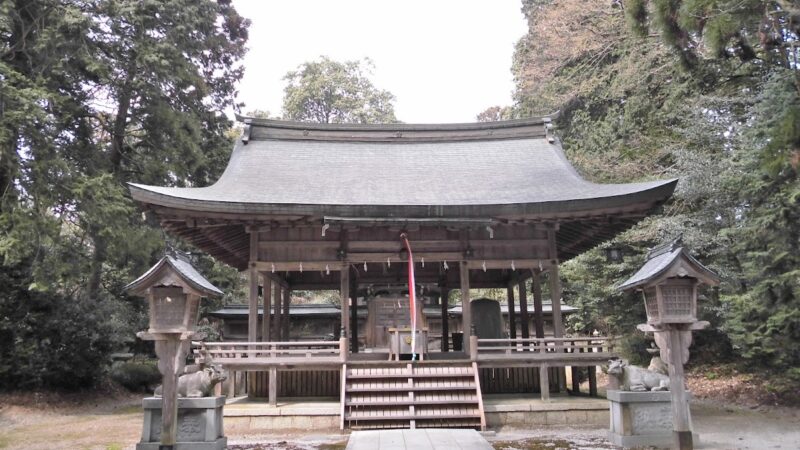
The main hall of Chomeiji Temple is a valuable building that conveys the style of the late Heian period and is designated as a National Important Cultural Property. It is a magnificent building with a hipped roof and cypress bark roofing, and the principal image, the Thousand-Armed Eleven-Faced Holy Kannon Bodhisattva, is enshrined inside.
The inner sanctuary of the main hall is enveloped in a solemn atmosphere, allowing visitors to quietly offer their prayers. Architecturally, it strongly retains the characteristics of its reconstruction during the Kamakura period, and holds significant architectural historical value.
Three-Storied Pagoda (Important Cultural Property)
The three-storied pagoda towering within the temple grounds is also designated as an Important Cultural Property. Built in the early Edo period, its cypress bark roof and vermilion pillars exhibit a beautiful harmony.
The pagoda stands on the mountainside of Chomeiji Mountain, and its appearance against the backdrop of Lake Biwa makes it an excellent photo spot. Especially during cherry blossom and autumn foliage seasons, the scenery created by the pagoda and nature captivates visitors.
Goma Hall and Bell Tower
The Goma Hall is a building influenced by Shugendo (mountain asceticism), and Goma prayers are still performed there today. The bell tower houses a temple bell cast during the Edo period, and its sound is cherished as part of the “Soundscape of Omi.”
Sanbutsudo Hall
The Sanbutsudo Hall houses three statues: Amida Buddha, Yakushi Buddha, and Shakyamuni Buddha. This hall is also protected as an important cultural property and preserves the architectural style of the Edo period.
Spectacular Views
From the grounds of Chomeiji Temple, you can enjoy a magnificent panoramic view of Lake Biwa. The view from in front of the main hall is particularly stunning, offering a view of the blue waters of Lake Biwa, the mountains on the opposite shore, and the townscape of Omihachiman.
You can enjoy the beautiful scenery of each season: cherry blossoms in spring, fresh greenery in summer, autumn leaves in fall, and snowscapes in winter. Lake Biwa at sunset is especially spectacular and a popular spot for photography enthusiasts.
Cultural Properties and Treasures
Nationally Designated Important Cultural Properties
Chomeiji Temple preserves many important cultural properties. The main ones are as follows:
- Main Hall: A building that conveys the style of the late Heian period
- Three-Storied Pagoda: Built in the early Edo period
- Goma Hall: Architecture influenced by Shugendo (mountain asceticism)
- Thousand-Armed Kannon Bodhisattva Statue (Front Standing Statue): Buddhist sculpture from the Kamakura period
- Eleven-Headed Kannon Standing Statue: A work from the late Heian period
- Holy Kannon Standing Statue: Buddhist statue from the Heian period
These cultural properties occupy an important position in the history of Japanese Buddhist art and are recognized as having high academic value.
Prefectural Designated Cultural Properties
Shiga Prefecture designated cultural properties include the bell tower, Niomon gate, and sutra repository. These are also valuable buildings that convey the architectural style of the Edo period.
Temple Treasures
Chomeiji Temple houses many temple treasures, including ancient documents, Buddhist paintings, and crafts. In particular, items related to Prince Shotoku and valuable materials collected by successive chief priests are important documents that tell the history of the temple.
Access Methods
Access by Public Transportation
Train and Bus
- Get off at JR Biwako Line “Omihachiman Station”
- Take the Omi Railway bus bound for “Chomeiji” from the north exit of Omihachiman Station (approximately 25 minutes)
- Get off at the “Chomeiji” bus stop and it’s a short walk (the entrance to the stone steps)
Since the number of buses is limited, it is recommended to check the timetable in advance. Please note that there are especially few buses on weekdays.
Access by Private Car
From the Meishin Expressway
- Approximately 30 minutes from the Ryuo Interchange on the Meishin Expressway
- Approximately 40 minutes from the Yokaichi Interchange on the Meishin Expressway
From National Route 8
- At the Chomeiji-guchi intersection on National Route 8, head towards Lake Biwa
- Head north along the lakeside road and follow the signs for Chomeiji Temple
Parking
- Foothill Parking (Free): Near the entrance to the stone steps
- Mountainside Parking (Paid): You can drive up close to the main hall
Using the mountainside parking significantly reduces the number of steps you need to climb (you will still need to climb approximately 150 steps). Parking fees are around 500 yen for a regular car.
Visiting Information
Visiting Hours
- Regular Season: 8:00 AM – 5:00 PM
- Winter Season (November – February): 8:00 AM – 4:30 PM
Hours may change due to weather or temple events; please check in advance.
Admission Fee
- Temple Grounds: Free (Donations and maintenance contributions are optional)
- Treasure Hall: Fee applies only during special exhibitions (normally closed)
While Chomeiji Temple is generally free to visit, you can make a donation to help with the temple’s maintenance. There is a stamp office in front of the main hall where you can receive temple stamps and amulets.
Temple Stamp
You can receive a temple stamp for the 31st temple of the Saigoku Kannon Pilgrimage. You can have it written directly into your stamp book at the stamp office, or pre-printed stamps are available.
Goshuin (temple stamp) fee: 300 yen
Temple stamping hours: 8:00 AM – 5:00 PM (until 4:30 PM in winter)
Annual Events
- January 1st – 3rd: First shrine visit of the year
- February 3rd: Setsubun Festival
- Early April: Cherry Blossom Festival
- August 9th: Sennichi-e (Visiting the temple on this day is said to bring the merit of 1000 days)
- Mid-November: Autumn leaves illumination (Held depending on the year)
Nearby Tourist Attractions
Omihachiman City Center
Located about 20 minutes by car from Chomeiji Temple, Omihachiman City Center is known as a water town that retains the atmosphere of the Edo period. You can stroll along the Hachiman Canal and through the old townscape.
Preceding and Preceding Temples of the Saigoku Thirty-Three Kannon Pilgrimage
Temple No. 30: Hogonji Temple (Chikubu Island)
A temple located on Chikubu Island in Lake Biwa. It’s about a 30-minute boat ride from Chomeiji Temple, and many pilgrims visit both.
Temple No. 32: Kannonshoji Temple
Also a temple located in Omihachiman City. It’s about a 30-minute drive from Chomeiji Temple.
Azuchi Castle Ruins
The ruins of Azuchi Castle, built by Oda Nobunaga. It’s about a 20-minute drive from Chomeiji Temple, a must-see spot for history buffs.
Points and Manners for Visiting
Clothing and Items to Bring
Since you’ll be climbing stone steps, comfortable shoes and clothing are essential. The following items are especially helpful:
- Drinking water (especially in summer)
- Towel
- Hat (for sun protection)
- Walking stick (for assistance climbing the stone steps)
- Camera (for capturing scenic views)
Precautions when climbing the stone steps
The 808 stone steps are not easy. Please keep the following points in mind when climbing:
- Don’t overexert yourself: Climb slowly at your own pace
- Take breaks: Utilize the rest areas along the way
- Stay hydrated: Be especially careful of heatstroke in summer
- Be careful when descending: Descending puts more strain on your knees, so be careful
If you are not confident in your physical fitness, we recommend driving up to the mountainside parking lot.
Temple Visiting Etiquette
- Please pray quietly in the main hall.
- Photography is only permitted in designated areas.
- Photography inside buildings is generally prohibited.
- Please be considerate of other visitors.
Chomeiji Temple in Every Season
Spring (March-May)
During cherry blossom season, the temple grounds are dyed in a pale pink hue. The row of cherry trees along the stone steps is particularly magnificent, attracting many worshippers and tourists. Early April is the best time to see them.
Summer (June-August)
A beautiful season of fresh greenery. The contrast between the blue of Lake Biwa and the green of the mountains is striking. A special memorial service is held on August 9th, the Sennichi-e.
Autumn (September-November)
Known as a famous spot for autumn foliage, the best time to visit is from mid- to late November. The combination of the trees colored red and yellow and the three-story pagoda is a spectacular sight.
Winter (December to February)
Chomeiji Temple is exceptionally beautiful in a snowy landscape. While there are fewer visitors, you can pray in peace in the tranquil grounds. Many visitors come for Hatsumode (first shrine visit of the New Year).
Summary
Chomeiji Temple is a venerable temple with a history of over 1400 years, and as the 31st temple of the Saigoku Thirty-Three Kannon Pilgrimage, it has welcomed many pilgrims. With its 808 stone steps, important cultural property buildings, breathtaking views of Lake Biwa, and the blessing of “long life,” it offers many reasons to visit.
It is also a temple full of historical romance, with legends of its founding by Prince Shotoku and the longevity of Takenouchi no Sukune. Climbing each step of the stone staircase and reflecting on the faith of people from ancient times will provide a deeper experience than mere sightseeing.
When you visit Omihachiman, be sure to visit Chomeiji Temple. Whether you’re visiting to pray for good health and longevity, as part of a pilgrimage to the 33 temples of Saigoku, or simply to enjoy the breathtaking views of Lake Biwa, Chomeiji Temple offers a special experience for all visitors.