Complete Guide to Hogonji Temple | The Charm of Chikubu Island’s Thirty-Three Kannon Pilgrimage Site and National Treasure Karamon Gate
Chikubu Island floats about 6km offshore in the northern part of Lake Biwa. Hogonji Temple, nestled on this mystical island, is a venerable temple with a history of nearly 1300 years. As the 30th temple of the Thirty-Three Kannon Pilgrimage of Saigoku, and one of Japan’s three great Benzaiten temples, it has attracted many worshippers since ancient times.
This article comprehensively introduces information you should know before visiting Hogonji Temple, including its history, highlights, access methods, and annual events.
What is Hogonji Temple? | A Faithful Island Floating in Lake Biwa
Hogonji Temple is a Shingon sect Buzan school temple located on Chikubu Island in Nagahama City, Shiga Prefecture. Its mountain name is Gankonsan, and its principal image is Daibenzaiten. The Kannon Hall houses a statue of the Thousand-Armed Kannon Bodhisattva, the principal image of the 33 temples of the Saigoku Kannon Pilgrimage.
Chikubu Island is a small island, approximately 2 km in circumference and 0.4 square kilometers in area, but it has long been revered as an “island where gods reside.” Before the Meiji-era separation of Shinto and Buddhism, it flourished as a sacred site of syncretism of Shinto and Buddhism, with Hogonji Temple and Tsukubusuma Shrine operating as a single entity.
Basic Temple Information
- Sect: Shingon-shu Buzan-ha
- Mountain Name: Gankinzan
- Principal Image: Daibenzaiten
- Pilgrimage Site: 30th of the Saigoku Thirty-Three Kannon Pilgrimage, 29th of the Omi Thirty-Three Kannon Pilgrimage, 145th of the Pilgrimage Route of Shinto and Buddhist Sacred Sites
- Founded: 724 AD
- Founder: Gyoki Bodhisattva
- Cultural Properties: 2 National Treasures, 5 Important Cultural Properties
History of Hogonji Temple | A Story Beginning with Emperor Shomu’s Imperial Prayer
The Oracle of Amaterasu Omikami and the Founding
A mystical legend surrounds the founding of Hogonji Temple. In 724 AD, Emperor Shomu received a divine message in a dream from Amaterasu Omikami: “There is a small island in the lake of Omi Province. This island is a sacred place of Benzaiten, so build a temple and pray for national peace and abundant harvests.”
Following this message, the Emperor dispatched Gyoki Bodhisattva as an imperial envoy to Chikubu Island. It is said that Gyoki traveled to the island, carved a statue of Benzaiten as the principal image, and built temple buildings. This marked the beginning of Hogonji Temple.
Flourishing from the Heian to Kamakura Periods
During the Heian period, devotion to Chikubu Island grew even stronger. In particular, the worship of Benzaiten and Kannon merged, and pilgrimages by members of the imperial family and nobility increased. Chikubu Island’s name appears in the *Konjaku Monogatari-shu* and *Heike Monogatari*, and it became a widely known sacred site even in the capital.
During the Kamakura period, warlords such as Minamoto no Yoritomo and Ashikaga Takauji visited Chikubu Island to pray for victory in battle and the security of their territories. During this time, Hogonji Temple became a place of deep devotion among these Sengoku warlords.
Deep Connection with Toyotomi Hideyoshi
A noteworthy aspect of Hogonji Temple’s history is its relationship with Toyotomi Hideyoshi. Hideyoshi deeply revered Chikubu Island and dedicated himself to the development of the temple.
Following Hideyoshi’s will, the Kannon Hall and the Karamon Gate were relocated to Chikubu Island from Toyokuni Mausoleum in Higashiyama, Kyoto. This Karamon Gate is now designated a National Treasure and is a valuable structure, being the only remaining structure from the Toyotomi-era Osaka Castle. The Karamon Gate, adorned with the magnificent decorations of the Momoyama period, is a representative architectural masterpiece of Hogonji Temple and continues to captivate many visitors.
Changes Since the Edo Period
During the Edo period, the Saigoku Thirty-Three Kannon Pilgrimage became popular among common people, and Hogonji Temple, as the 30th temple, welcomed many pilgrims. A visit to Chikubu Island, combined with a boat trip on Lake Biwa, became a popular religious journey.
Although Hogonji Temple and Tsukubusuma Shrine were separated by the Meiji-era Shinto-Buddhist Separation Order, they remain adjacent to each other, and it is common for visitors to visit both.
Highlights of the Temple Grounds | A Treasure Trove of National Treasures and Important Cultural Properties
The grounds of Hogonji Temple contain numerous national treasures and important cultural properties. Here are some of the main highlights.
National Treasure: Karamon Gate
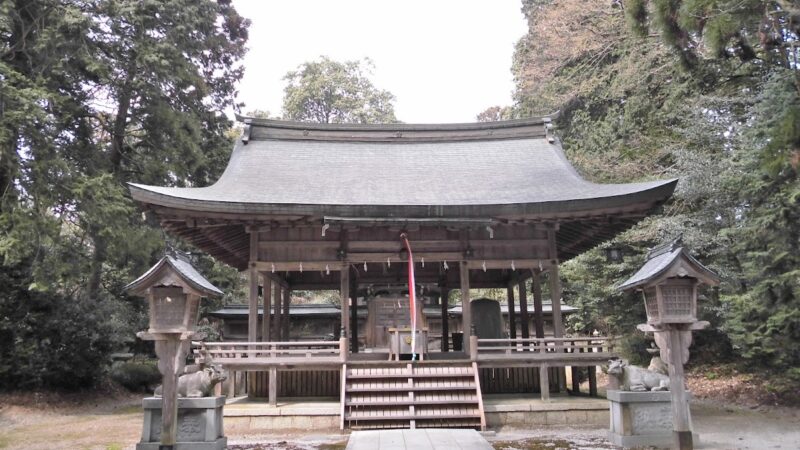
The Karamon Gate, designated a national treasure, is the most representative building of Hogonji Temple. This gate was relocated from Toyokuni Mausoleum in Higashiyama, Kyoto, according to the last wishes of Toyotomi Hideyoshi, and is a valuable historical structure that preserves the architectural style of the Momoyama period.
The most striking feature of the Karamon Gate lies in its magnificent decoration. The black lacquered pillars are adorned with gold leaf carvings, and auspicious motifs such as peonies, chrysanthemums, and phoenixes cover the entire structure. It is especially known as the “Gate of Day-Long Viewing” because of its beauty that one could gaze upon all day without tiring of it.
As the only surviving building from the Toyotomi period of Osaka Castle, it possesses extremely high historical value and is a must-see cultural asset that embodies the essence of Momoyama culture.
Important Cultural Property: Kannon-do Hall
The Kannon-do Hall, the main hall of the 30th temple of the Saigoku Kannon Pilgrimage, is also designated as an Important Cultural Property. Like the Karamon Gate, this building was relocated from Toyokuni Shrine according to the last wishes of Toyotomi Hideyoshi.
Inside the Kannon-do Hall, the principal image, the Thousand-Armed Kannon Bodhisattva, is enshrined. This Kannon is affectionately known as “Chikubu-shima Kannon” and is believed to bring blessings for safe voyages, business prosperity, and matchmaking.
Photography is prohibited inside the hall, but quietly joining your hands in prayer amidst the solemn atmosphere offers a truly cleansing experience.
Daibenzaiten-do Hall
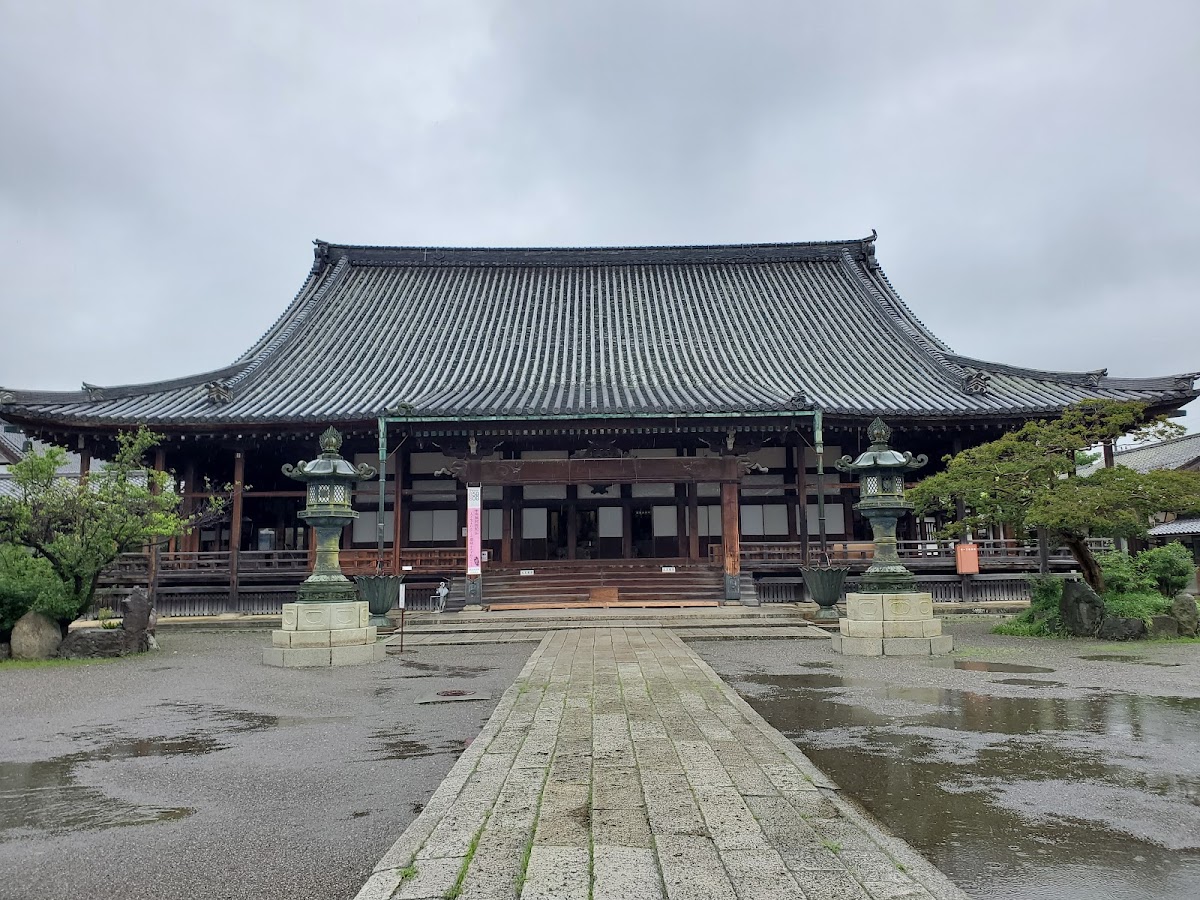
The Daibenzaiten-do Hall, the main hall of Hogonji Temple, was rebuilt in 1942. It is a magnificent and elegant building that faithfully reproduces the architectural style of the Fujiwara period, and enshrines the principal image, Daibenzaiten, inside.
Benzaiten is a deity originally derived from Saraswati, the river goddess of India, who was incorporated into Buddhism. She is worshipped as the goddess of music, art, learning, and wealth. Hogonji Temple’s Benzaiten is considered one of the three great Benzaiten shrines in Japan, alongside those of Enoshima Shrine (Kanagawa Prefecture) and Itsukushima Shrine (Hiroshima Prefecture).
Important Cultural Property: Stone Five-Storied Pagoda
Within the temple grounds is a stone five-storied pagoda built during the Kamakura period, designated as an Important Cultural Property. This tower, approximately 6 meters tall, is made of granite, and each level, from the eaves to the finial, is intricately carved.
It is a rare example of a five-story stone pagoda in Japan and is highly regarded as a masterpiece of Kamakura period stone art.
National Treasure: Lotus Sutra Preface
The “Lotus Sutra Preface,” owned by Hogonji Temple, is also designated a National Treasure. This is a sutra copied in the late Heian period and is known as a decorated sutra with gold and silver leaf scattered on the paper.
It is usually not open to the public, but is sometimes displayed in special exhibitions. As an artistic work that encapsulates the aesthetic sensibilities of the Heian aristocracy, it is an important cultural property in the history of calligraphy and art.
Dragon God Worship Hall and the Spectacular View of Lake Biwa
Proceeding along the boat-shaped corridor that continues from the main hall (National Treasure) of Tsukubusuma Shrine, you will reach the Dragon God Worship Hall. This location juts out into Lake Biwa, allowing visitors to practice “kawarake-nage” (throwing earthenware discs) towards the lake’s surface.
The tradition is that you write your wish on a kawarake (small unglazed earthenware disc), throw it towards the torii gate standing in the lake, and if it passes through the gate, your wish will come true. It’s a popular spot where you can enjoy making a wish while admiring the magnificent scenery of Lake Biwa.
Access and Visiting Information | A Special Temple Only Accessible by Boat
Chikubu Island is an island floating in Lake Biwa, and therefore can only be reached by boat. This unique access method is one of the attractions of visiting Hogonji Temple.
Access by Boat
Regular ferries operate to Chikubu Island from the following ports.
From Nagahama Port
- Operating Company: Biwako Kisen
- Travel Time: Approximately 30 minutes
- Access: Approximately 5 minutes on foot from JR Hokuriku Main Line “Nagahama Station”
- Parking: Approximately 30 spaces (paid) around Nagahama Port
- Hokuriku Expressway: Approximately 15 minutes from Nagahama IC to Nagahama Port
From Imazu Port
- Operating Company: Biwako Kisen
- Travel Time: Approximately 25 minutes
- Access: Approximately 5 minutes on foot from JR Kosei Line “Omi-Imazu Station”
From Hikone Port
- Operating Company: Omi Marine
- Travel Time: Approximately 40 minutes
- Access: Approximately 10 minutes by bus from JR Tokaido Main Line “Hikone Station”
Admission Fee and Visiting Hours
- Admission Fee: Adults 400 yen, Children (Elementary School Students) 300 yen
*Boat fare is separate.
- Visiting Hours: 9:00 AM – 4:30 PM (May vary depending on the season)
- Estimated Time Required: Approximately 1 to 1.5 hours for visiting the island.
Points to Note for Visiting
- Check the Boat Timetable: Boat services are limited, so check the timetable in advance and plan your round trip accordingly.
- Wear Comfortable Shoes: There are many stairs on the island, so comfortable shoes are recommended.
- Pay Attention to Weather: Boat services may be cancelled in rough weather. Particular caution is needed during winter.
- Dining Facilities: There are only a limited number of restaurants on the island. It is advisable to eat beforehand or bring snacks if needed.
Annual Events and Festivals | Seasonal Buddhist Services
At Hogonji Temple, various Buddhist services and events are held throughout the year.
Main Annual Events
- January 1st: Shushō-e (New Year’s Ceremony)
- February 3rd: Setsubun-e (Star Festival)
- April 8th: Hana Matsuri (Buddha’s Birthday Festival)
- June 10th: Benzaiten Taisai (Great Festival of Benzaiten)
- July 7th: Renge-e (Lotus Flower Ceremony)
- August 18th: Sennichi-e (Thousand-Day Ceremony)
- December 31st: Joya no Kane (New Year’s Eve Bell)
Special Events | Renge-e (Lotus Flower Ceremony)
The Renge-e (Lotus Flower Ceremony), held on July 7th, is one of Hogonji Temple’s important annual events. During this ceremony, lotus flowers, which grow naturally in Lake Biwa, are offered to the Buddha, and prayers are offered for safe voyages and abundant catches.
Since ancient times, Chikubu Island has been a place of worship for fishermen and sailors of Lake Biwa. The Renge-e (Lotus Flower Festival) continues as a traditional event that carries on the prayers of these people.
Benzaiten Grand Festival
The Benzaiten Grand Festival on June 10th is the most important Buddhist service, praising the principal deity, the Great Benzaiten. Many worshippers visit to pray for improvement in performing arts, academic success, business prosperity, and more.
Goshuin (temple stamp) and Pilgrimage to Hogonji Temple
30th Temple of the Saigoku Thirty-Three Kannon Pilgrimage
Hogonji Temple is the 30th temple of the Saigoku Thirty-Three Kannon Pilgrimage. Goshuin can be obtained at the Kannon Hall.
Goeika:
“The moon and the sun float on the waves of Chikubu Island, as if loading treasures onto a ship.”
This goeika expresses the mystical atmosphere of Chikubu Island floating on Lake Biwa and the joy of gaining treasure in one’s heart through worship.
Other Pilgrimage Sites
- Goshu Thirty-Three Kannon Pilgrimage Sites, No. 29
- Shinto-Buddhist Pilgrimage Route, No. 145 (Shiga No. 27)
Those undertaking the pilgrimage to each site can also receive Goshuin (temple stamps) at each site.
Chikubu Island and Surrounding Attractions
Tsukubusuma Shrine
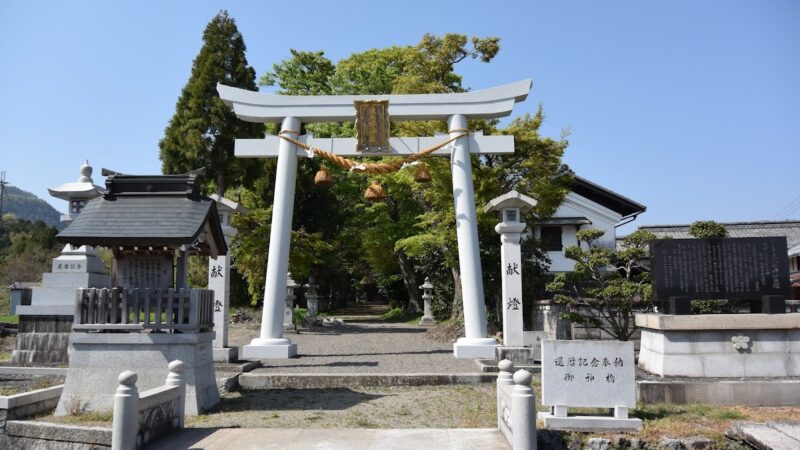
Tsukubusuma Shrine, adjacent to Hogonji Temple, was once an integrated shrine with Hogonji Temple. The main hall is a Momoyama period building designated as a National Treasure, donated by Toyotomi Hideyori.
When visiting Hogonji Temple, it’s common to also visit Tsukubusuma Shrine. The boat corridor connecting the two is also a highlight.
Spectacular Views of Lake Biwa
From Chikubu Island, you can enjoy a magnificent 360-degree view of Lake Biwa. The scenery known as “The Deep Green Reflection of Chikubu Island” is particularly famous and is counted as one of the Eight Views of Lake Biwa.
During the seasons of fresh greenery and autumn leaves, the entire island is enveloped in beautiful colors, showcasing its ever-changing expressions throughout the seasons.
Sightseeing in Nagahama City
Before or after your boat trip from Nagahama Port, you can also enjoy sightseeing in Nagahama City. There are plenty of attractions, including the old townscape including Kurokabe Square, Nagahama Castle, and Toyokuni Shrine.
Model Itinerary for Visiting Hogonji Temple
Day Trip Plan (Departing from/Arriving in Nagahama)
9:00 Arrive at JR Nagahama Station
9:30 Depart by boat from Nagahama Port
10:00 Arrive at Chikubu Island, visit Hogonji Temple and Tsukubusuma Shrine
11:30 Explore the island, try throwing clay discs
12:00 Light meal on the island
13:00 Depart from Chikubu Island
13:30 Arrive at Nagahama Port
14:00 Sightseeing in Nagahama City (including Kurokabe Square)
16:00 Depart from JR Nagahama Station
Saigoku Thirty-Three Kannon Pilgrimage Plan
We recommend a pilgrimage course around Lake Biwa, starting from Ishiyama-dera Temple (Otsu City), the 29th temple, to Hogon-ji Temple (30th temple), and then to Chomei-ji Temple (Omihachiman City), the 31st temple.
The Charm of Hogon-ji Temple | Why Does It Attract So Many People?
Mysterious Location
Hogon-ji Temple’s greatest charm lies in its unique location as an island floating in Lake Biwa. The extraordinary nature of this “island where the gods reside,” accessible only by boat, evokes a special feeling in the hearts of visitors.
A Treasure Trove of History and Cultural Assets
Hogon-ji Temple, boasting two National Treasures and five Important Cultural Properties, is truly a treasure trove of cultural assets. In particular, the Karamon Gate, associated with Toyotomi Hideyoshi, continues to fascinate history and architecture enthusiasts as a valuable architectural structure that conveys the essence of Momoyama culture.
Diversity of Faith
Hogonji Temple, with its history of Kannon worship, Benzaiten worship, and syncretism of Shinto and Buddhism, embodies the diversity of Japanese religious culture. It is a place visited by people with various purposes, including pilgrims on the Saigoku Thirty-Three Kannon Pilgrimage, Benzaiten worshippers, and history enthusiasts.
Natural Beauty of Lake Biwa
The view of Lake Biwa from Chikubu Island is beautiful throughout the seasons, soothing the hearts of visitors. The boat trip itself is a special experience, a welcome escape from everyday life.
Visitor Voices | Reviews and Experiences
“The experience of crossing to the island by boat was special. I was overwhelmed by the beauty of the Karamon Gate.” (Woman, 50s)
“I visited as part of the Saigoku Thirty-Three Kannon Pilgrimage, and it had a mystical atmosphere unlike the other temples.” (Man, 60s)
“Throwing earthenware discs was fun. The view of Lake Biwa was also superb.” (Woman, 30s)
“There were a lot of stairs, which made it a little challenging, but it was a wonderful temple that was well worth it.” (Man, 40s)
Summary | A Sacred Site on Lake Biwa You Should Visit at Least Once in Your Life
Hogonji Temple boasts a history of nearly 1300 years and is one of Japan’s leading ancient temples, possessing numerous national treasures and important cultural properties. It has multifaceted charms, including its unique location on Chikubu Island in Lake Biwa, the Karamon Gate associated with Toyotomi Hideyoshi, the Daibenzaiten (one of Japan’s three great Benzaiten statues), and its Kannon worship as the 30th temple of the Saigoku Thirty-Three Kannon Pilgrimage. The unique accessibility—only possible by boat—makes the visit a truly special experience. Enjoying the beauty of Lake Biwa in every season, the time spent quietly offering prayers on this island steeped in history and faith will be a precious moment that allows you to forget the hustle and bustle of everyday life.
This temple is a must-visit not only for those undertaking the Saigoku Thirty-Three Kannon Pilgrimage, but also for anyone interested in history and cultural heritage, or planning a trip to Lake Biwa. Please consider adding a visit to Chikubu Island and Hogonji Temple to your travel plans, perhaps combined with a boat trip from Nagahama, Hikone, or Imazu.