Enryaku-ji Temple Complete Guide | History, Highlights, Access, and Visiting Information Explained in Detail
Enryaku-ji Temple is the head temple of the Tendai sect, located on Mount Hiei, which straddles Otsu City in Shiga Prefecture and Kyoto City in Kyoto Prefecture. Registered as a World Cultural Heritage site in 1994 as part of the “Historic Monuments of Ancient Kyoto,” it is known as one of the most important temples in the history of Japanese Buddhism.
This article provides a detailed explanation of information you should know before visiting Enryaku-ji Temple, from its history and architecture to training experiences and access methods.
What is Enryaku-ji Temple? | The Mother Mountain of Japanese Buddhism
Enryaku-ji Temple is a temple founded in 788 (Enryaku 7) by Saicho, and is a magnificent religious complex encompassing the entire Mount Hiei, which is 848 meters above sea level. It is also called the “Mother Mountain of Japanese Buddhism,” and is known as the place where the founders of Kamakura Buddhism, such as Honen, Shinran, Eisai, Dogen, and Nichiren, trained.
Basic Information on Enryaku-ji Temple
- Official Name: Hieizan Enryaku-ji Temple
- Sect: Tendai Sect (Head Temple)
- Principal Image: Yakushi Nyorai (Medicine Buddha)
- Founder: Saicho (Dengyo Daishi)
- Established: 788 (Enryaku 7)
- World Heritage Site Registration: 1994
- Location: 4220 Sakamoto Honmachi, Otsu City, Shiga Prefecture
- Temple Grounds Area: Approximately 500 hectares
The name Enryaku-ji Temple originates from the era name “Enryaku” during the reign of Emperor Kanmu. Initially called “Ichijo Shikan-in,” the temple was granted the name “Enryaku-ji” by imperial decree in 823.
History of Enryaku-ji Temple | 1200 Years of Progress
Founded by Saichō
The history of Enryaku-ji Temple begins in 788 when Saichō ascended Mount Hiei and established Ichijō Shikan-in, with Yakushi Nyorai (Medicine Buddha) as its principal deity. Saichō traveled to Tang China in 804 to study Tendai Buddhism, and upon his return to Japan, established the foundation of Tendai Buddhism in Japan.
Prosperity in the Heian Period
During the Heian period, Enryaku-ji Temple flourished under the protection of the imperial court. Mount Hiei, located northeast of Kyoto, served as a “guardian temple of the capital,” protecting it from evil spirits. After Saichō’s death, his disciples expanded the temple complex, and in the 9th century, eminent monks such as Ennin and Enchin emerged, deepening the teachings of Tendai Buddhism.
Medieval Warrior Monks and Power
From the late Heian period to the Kamakura period, Enryaku-ji Temple grew into a powerful religious force. It possessed a large number of warrior monks and frequently clashed with the imperial court and other temples. During this time, Enryaku-ji also wielded significant political influence, forming a powerful force known as the “Sanmon” (mountain gate).
Burning by Oda Nobunaga
In 1571 (Genki 2), Oda Nobunaga burned down Enryaku-ji Temple. This is known as the “Burning of Mount Hiei,” and most of the temple buildings were destroyed, resulting in the deaths of many monks and residents. Nobunaga is said to have taken this harsh measure because he believed Enryaku-ji had supported opposing forces.
Restoration in the Edo Period
With the support of Toyotomi Hideyoshi, Tokugawa Ieyasu, and others, Enryaku-ji Temple gradually recovered. During the Edo period, it received the patronage of the shogunate, and many of the major buildings seen today were rebuilt during this period.
Enryaku-ji Temple in Modern and Contemporary Times
Due to the Meiji-era separation of Shinto and Buddhism, Enryaku-ji Temple faced a difficult period, but it continued to exist as the center of the Tendai sect. Its designation as a World Heritage Site in 1994 recognized its value as an international cultural property, and it continues to attract many worshippers and tourists today.
Structure of Enryaku-ji Temple | Three Towers and Sixteen Valleys
Enryaku-ji Temple is not a single building, but rather a collective term for approximately 150 halls and pagodas scattered throughout Mount Hiei. Its structure is called “Three Towers and Sixteen Valleys,” and it is divided into three areas: Todo (East Tower), Saito (West Tower), and Yokawa.
Todo Area
Todo is the birthplace of Enryaku-ji Temple and the most important area. Major buildings are concentrated here, making it the center of worship.
Konpon-chudo (National Treasure)
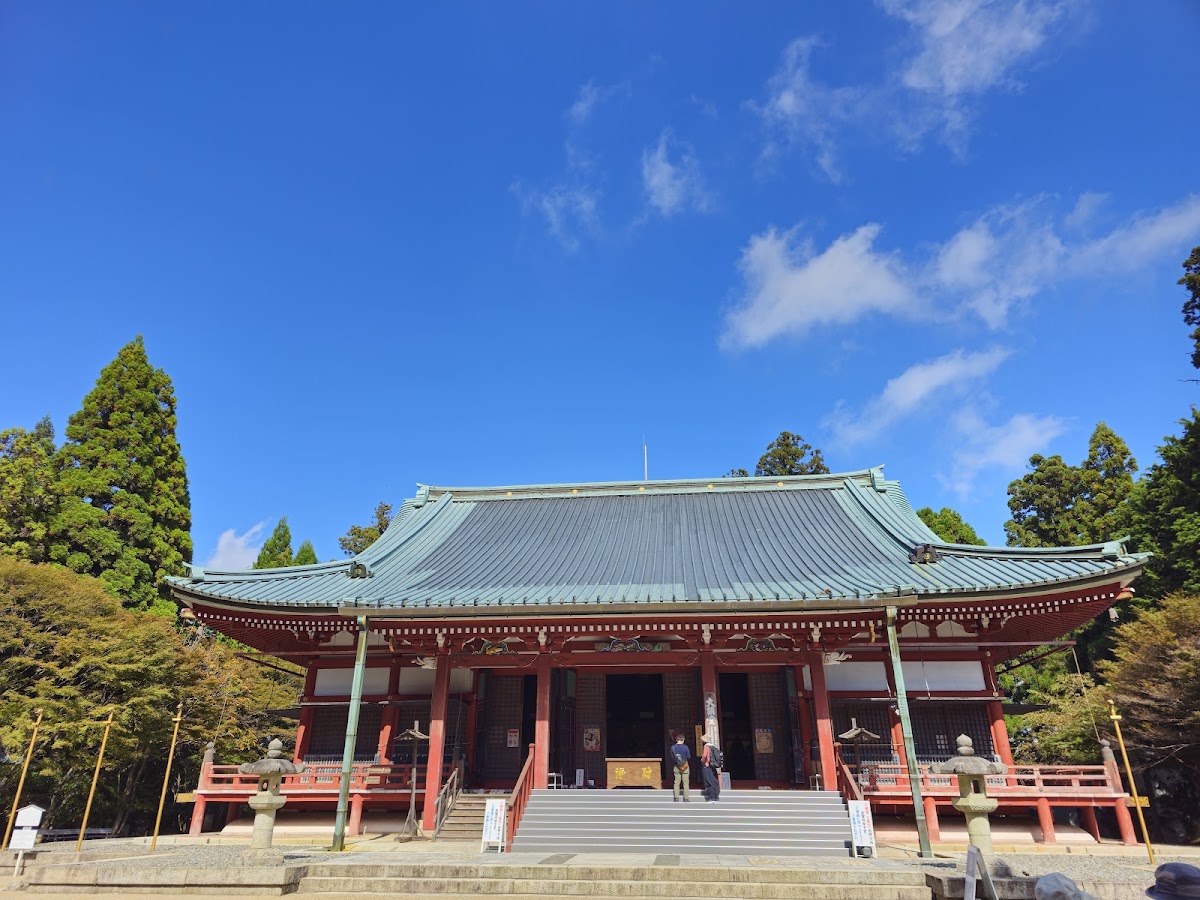
The Konpon-chudo is the main hall of Enryaku-ji Temple, housing a statue of Yakushi Nyorai (Medicine Buddha) said to have been carved by Saicho himself. The current building was rebuilt in 1642 (Kanei 19) by order of Tokugawa Iemitsu and was designated a National Treasure in 1953.
Features of Konpon-chudo:
- Architectural Style: Hip-and-gable roof, copper plate roofing
- Scale: 11 bays in length, 6 bays in width
- Features: “Descending ceiling” structure where the floor is lower than the ground
- Eternal Flame: A lamp said to have burned continuously for over 1200 years since Saicho’s time.
The Konpon-chudo is currently undergoing major renovation work that will last approximately 10 years, but it is still possible to visit and observe the construction work.
Great Lecture Hall (Important Cultural Property)
Located northwest of the main hall, the Great Lecture Hall is a building used for learning and spiritual training. The principal image is Dainichi Nyorai (Vairocana Buddha), and portraits of high-ranking Tendai Buddhist priests are displayed inside. The current building was rebuilt in 1964.
Ordination Platform Hall
The Ordination Platform Hall is where Tendai Buddhist priests receive the ordination to become formal monks. It originates from the fact that the Mahayana ordination platform, which Saicho sought throughout his life, was granted by imperial decree seven days after his death.
Amida Hall
This hall, with Amida Nyorai as its principal image, is used as a place for chanting the Buddha’s name. Memorial services for those who died on Mount Hiei are also held here.
Hokke Sojiin East Pagoda
This pagoda, in the style of a multi-storied pagoda, is one of the representative landscapes of Enryaku-ji Temple. It was rebuilt in 1980 to commemorate the 1150th anniversary of the death of Dengyo Daishi.
Saito Area
Located approximately 1 kilometer north of Toto (East Pagoda), the Saito area is dotted with important temple buildings amidst a tranquil atmosphere.
Shakado (Tenborindo – Important Cultural Property)
This is the central hall of the Saito area, with Shakyamuni Buddha as its principal image. It is the oldest existing building at Enryaku-ji Temple, having been relocated from Mii-dera Temple’s main hall by Toyotomi Hideyoshi in 1595.
Ninai-do (Jogyo-do/Hokke-do)
This building has a rare structure, consisting of two identical halls connected by a corridor. The Jogyo-do was used for the Jogyo-zanmai practice, with Amida Buddha as the principal image, while the Hokke-do was used for the Hokke-zanmai practice, with Shakyamuni Buddha as the principal image. The name “Ninai-do” (meaning “carrying hall”) originates from a legend that Benkei carried these two halls on a carrying pole.
Jodo-in Temple
This is the location of Saichō’s mausoleum and is considered the most sacred place at Enryaku-ji Temple. Ascetics who have completed the “Twelve-Year Mountain Retreat,” a 12-year period of ascetic training without descending the mountain, serve as “Jishin” (attendants) at Saichō’s mausoleum.
Yokawa Area
Located approximately 4 kilometers further north from the West Pagoda, the Yokawa area is the most tranquil training ground within Enryaku-ji Temple.
Yokawa Chudō (Important Cultural Property)
This is the central hall of the Yokawa area, with the Holy Kannon Bodhisattva as its principal image. It features a unique stage-like architectural style, and the current building was rebuilt in 1971.
Gansan Daishi-dō (Shiki Kōdō)
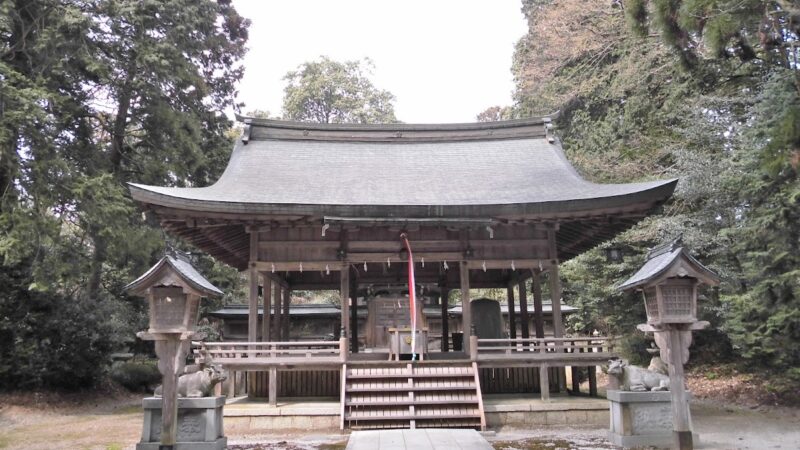
This hall enshrines Ryōgen (Gansan Daishi), considered the restorer of the Tendai sect. It is considered the birthplace of fortune-telling slips (omikuji), and many worshippers still visit today.
Eshindo Hall
This is believed to be the place where Genshin (Eshin Sozu), known as the author of the *Ojo Yoshu* (Essentials of Rebirth in the Pure Land), practiced asceticism.
National Treasures and Important Cultural Properties of Enryaku-ji Temple
Enryaku-ji Temple houses numerous national treasures and important cultural properties.
National Treasures
- Konpon Chudo (Building)
- Dengyo Daishi Nyutocho (Document)
Important Cultural Properties (Buildings)
- Shakado (Tenborindo)
- Yokogawa Chudo
- Rurido
- Daikodo
- Kaidanin
- Numerous others
Important Cultural Properties (Art and Crafts)
- Silk Painting of Sanno Gongen
- Wooden Statue of Yakushi Nyorai and Two Attendants
- Wooden Standing Statue of Sho Kannon Bosatsu
- Numerous other Buddhist statues, scriptures, and calligraphic works
Enryaku-ji Temple Training Experience
Enryaku-ji Temple offers training experience programs that are open to the general public.
Zen Meditation Experience
You can experience Zen meditation based on “Shikan,” a meditation method of the Tendai sect. Instruction for beginners is available, making it a valuable opportunity to calm your mind.
Sutra Copying Experience
You can experience copying Buddhist scriptures such as the Heart Sutra. This practice enhances concentration and calms the mind.
Temple Lodging Experience
At the Enryaku-ji Temple Hall, you can experience temple lodging, enjoy vegetarian cuisine, and participate in morning prayers.
Thousand-Day Circumambulation Pilgrimage
Known as the most rigorous ascetic practice at Enryaku-ji Temple, the Thousand-Day Circumambulation Pilgrimage is a seven-year ascetic practice involving pilgrimages to sacred sites throughout Mount Hiei and Kyoto City. While general participation is not permitted, there is an opportunity to hear a Dharma talk by a “Great Ajari” who has completed this practice.
How to Access Enryaku-ji Temple
There are multiple routes to Enryaku-ji Temple, accessible from both Shiga Prefecture and Kyoto Prefecture.
Access from Kyoto
Using the Eizan Railway, Eizan Cable Car, and Ropeway
- From Demachiyanagi Station on the Eizan Railway to Yase-Hieizanguchi Station (approx. 15 minutes)
- From Cable Yase Station to Cable Hiei Station (approx. 9 minutes) on the Eizan Cable Car
- From Rope Hiei Station to Hieizan Summit Station (approx. 3 minutes) on the Eizan Ropeway
- From the summit station, take a bus or walk to each area
Access from Shiga
Using the Sakamoto Cable Car
- Get off at Hieizan-Sakamoto Station on the JR Kosei Line or Sakamoto-Hieizanguchi Station on the Keihan Ishiyama-Sakamoto Line
- Walk or take a Kojaku Kotsu bus to Cable Sakamoto Station
- Take the Sakamoto Cable Car to Cable Enryakuji Station (approx. 11 minutes) (Japan’s longest cable car)
- Walking distance from the station to the East Pagoda area
Access by Car
Hieizan Driveway (Kyoto side)
- Approximately 20 minutes from Kyoto East IC
- Toll road (2,300 yen for regular cars)
Okuhiei Driveway (Shiga side)
- Approximately 15 minutes from Ogi Ramp
- Toll road (840 yen for regular cars)
Parking Information
- East Pagoda Parking: Approximately 150 cars
- West Pagoda Parking: Approximately 50 cars
- Yokogawa Parking: Approximately 40 cars
- Parking fee: 500 yen for regular cars
Visiting Information
Visiting Hours
- East Pagoda Area: 8:30 AM – 4:30 PM (9:00 AM – 4:00 PM in December, 9:00 AM – 4:30 PM in January and February)
- West Pagoda/Yokogawa Area: 9:00 AM – 4:00 PM (9:30 AM – 3:30 PM in December, 9:30 AM – 4:00 PM in January and February)
Admission Fees
- Combined Ticket Including the National Treasure Hall (Treasure Museum):
- Adults: 1,000 yen
- Junior and Senior High School Students: 600 yen
- Elementary School Students: 300 yen
- Combined Ticket for East Pagoda, West Pagoda, and Yokokawa (Excluding the National Treasure Hall):
- Adults: 700 yen
- Junior and Senior High School Students: 500 yen
- Elementary School Students: 300 yen
Estimated Time Required
- East Pagoda Area Only: 1.5-2 hours
- East Pagoda + West Pagoda: 3-4 hours
- All Three Pagodas: 5-6 hours
Notes and Manners for Visiting Enryaku-ji Temple
Dress Code
- Due to its mountainous location, temperatures are 5-10 degrees Celsius lower than in the lowlands.
- Please wear comfortable walking shoes.
- Warm clothing is essential during winter.
Photography
- Photography is generally prohibited inside the temple.
- Photography of the exterior and grounds is permitted, but please be considerate of the monks.
Visitor Etiquette
- Please maintain silence and be mindful that this is a place of spiritual training.
- The eternal flame in the Konpon-chudo Hall is sacred; please view it with respect.
- Smoking is permitted only in designated areas.
Tourist Spots Around Enryaku-ji Temple
Sakamoto (Shiga Prefecture)
Sakamoto, which developed as a temple town for Enryaku-ji Temple, has numerous satobo (retirement residences for Enryaku-ji monks) and Hiyoshi Taisha Shrine. Its beautiful stone-walled townscape has been designated a “Preservation District for Important Traditional Buildings.”
Hiyoshi Taisha Shrine
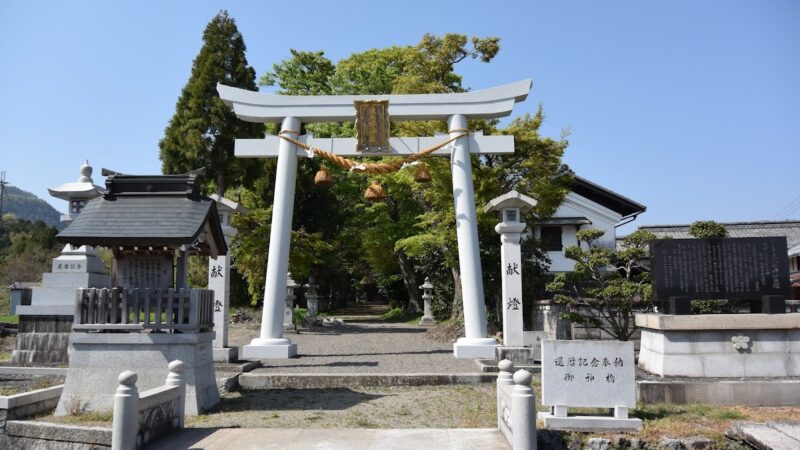
This shrine enshrines the guardian deity of Mount Hiei and is the head shrine of over 3,800 Hiyoshi, Hie, and Sanno shrines nationwide. It is an important shrine that preserves the history of the syncretism of Shinto and Buddhism.
Lake Biwa
You can enjoy the view of Lake Biwa from Sakamoto. A promenade is maintained along the lakeshore, making it ideal for a stroll.
Annual Events at Enryaku-ji Temple
Enryaku-ji Temple holds various Buddhist services and events throughout the year.
Main Annual Events
- January 1st: Shushō-e (New Year’s Ceremony)
- January 3rd: Gansan Daishi Mikage-ku (Memorial Service for Gansan Daishi)
- April: Dengyo Daishi Mikage-ku (Memorial Service for Dengyo Daishi) (Sange-e)
- August: Mantō-e (Lantern Festival)
- October: Hokke Taikai (Lotus Sutra Festival)
- December 31st: Oni-oi-shiki (Demon Exorcism Ceremony), Joya no Kane (New Year’s Eve Bell Ringing)
The Mantō-e in August, in particular, is enveloping the temple in a fantastical atmosphere as thousands of lanterns are lit in the Konpon-chūdō (Main Hall) and other halls and pagodas.
Enryaku-ji Temple and Japanese Buddhism
Enryaku-ji Temple has played a crucial role in the history of Japanese Buddhism, truly deserving of the title “Mother Mountain of Japanese Buddhism.”
Founders of Kamakura New Buddhism
Many of the founders of the new Buddhist sects established during the Kamakura period trained at Enryaku-ji Temple.
- Honen (Jodo-shu): Ascended Mount Hiei at age 15 and trained for approximately 25 years.
- Shinran (Jodo Shinshu): Ordained at age 9 and trained for approximately 20 years.
- Eisai (Rinzai-shu): Studied Tendai Buddhism at Mount Hiei.
- Dogen (Soto-shu): Ascended Mount Hiei at age 13 and trained.
- Nichiren (Nichiren-shu): Studied Tendai Buddhism at Mount Hiei and deepened his study of the Lotus Sutra.
These eminent monks established their own unique teachings based on rigorous training and profound scholarship at Enryaku-ji Temple.
Characteristics of Tendai Buddhism
The Tendai sect considers the Lotus Sutra as its fundamental scripture and expounds the idea of “all sentient beings possess Buddha-nature,” meaning that all beings have Buddha-nature. Furthermore, it practiced a comprehensive Buddhist education encompassing Tendai, Esoteric Buddhism, Zen, and monastic disciplines, known as “Four Schools in One.” ## The Modern Significance of Enryaku-ji Temple
Even today, Enryaku-ji Temple is not merely a historical heritage site, but plays a vital role in religious activities and cultural development.
Religious Activities
Currently, approximately 100 monks reside at Enryaku-ji Temple, continuing their daily religious services and training. Rigorous practices such as the Sennichi Kaihogyo (thousand-day pilgrimage) are also preserved, and the temple functions as a place of Buddhist practice in the modern era.
Cultural Property Protection
As a World Heritage Site, Enryaku-ji Temple undergoes continuous and appropriate preservation and restoration. The major renovation of the Konpon-chudo (main hall) presents an important opportunity to pass on traditional techniques to future generations.
International Exchange
Enryaku-ji Temple welcomes visitors from around the world and plays a role as a center for disseminating Japanese Buddhist culture. It also actively participates in dialogues with religious leaders worldwide and in peace activities.
Things to Know Before Visiting Enryaku-ji Temple
Best Season
- Spring (April-May): Beautiful fresh greenery and mild weather
- Autumn (October-November): Stunning autumn foliage, the most popular season
- Summer: Cool and comfortable as a summer retreat
- Winter: Beautiful snowscapes, but be aware of potential transportation disruptions
Tips to Avoid Crowds
- Weekday mornings are relatively less crowded
- The autumn foliage season (November) is extremely crowded, so early morning visits are recommended
- The Yokokawa area has relatively few visitors, allowing for a peaceful visit
Dining Facilities
- There is a restaurant inside the Enryaku-ji Kaikan where you can enjoy vegetarian and regular cuisine
- There are shops in each area where you can purchase snacks and drinks
- There are also restaurants in Sakamoto and Yase
Summary
Enryaku-ji Temple is a sacred site of Japanese Buddhism with a history of over 1200 years, and a cultural property of high value as a World Heritage Site. Founded by Saicho, this temple has produced many eminent monks and has had an immeasurable influence on the development of Japanese Buddhism.
Within the temple grounds, which spread across Mount Hiei with its three towers and sixteen valleys, are numerous precious buildings, including the National Treasure Konpon-chudo Hall, where rigorous ascetic practices continue to this day. Visitors can experience the profound depths of Japanese spiritual culture amidst its solemn atmosphere.
A visit to Enryaku-ji Temple holds more meaning than mere sightseeing. It is an experience of encountering a magnificent story woven from Japanese history, culture, and the faith of its people. Please take the time to visit this sacred mountain.