What is Shōrakuji Temple? A Thorough Explanation of the Characteristics, Access, and Memorial Services of Historic Temples Across Japan
There are several temples named “Shōrakuji” throughout Japan. Each belongs to a different sect and, as a venerable temple with its own unique history and tradition, has served as a center of faith in its region. This article provides a detailed explanation of Shōrakuji temples in various locations, including their history, the characteristics of their grounds, the memorial services they offer, and how to access them.
Shōrakuji Temple in Machida City, Tokyo (Jōdo Sect)
Overview of Sanbōzan Shōryūin Shōrakuji Temple
Located in Haramachida, Machida City, Tokyo, Shōrakuji Temple, officially known as “Sanbōzan Shōryūin Shōrakuji,” is a temple belonging to the Jōdo sect. Its principal image is Amida Buddha, and the 35th head priest currently serves as the representative director. Known as one of the most historically significant temples in Machida City, it serves as a center of faith for local residents.
History and Origins of Machida Shōrakuji Temple
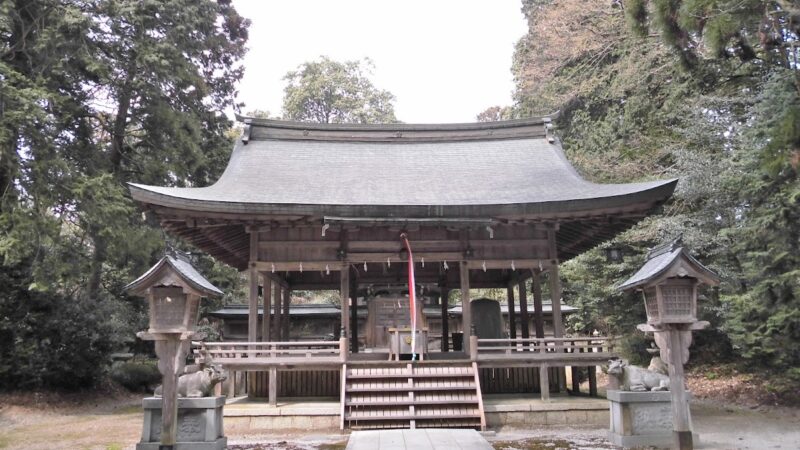
Machida’s Shōrakuji Temple is a temple with a long history. While maintaining the danka (parishioner) system that has continued since the Edo period, it also proposes new forms of memorial services that meet modern needs. The main hall maintains traditional architectural styles while being designed with consideration for the comfort of visitors.
Perpetual Memorial Service and Columbarium Services
Machida’s Shōrakuji Temple offers memorial services that adapt to changing times. Particularly noteworthy are the perpetual memorial service and columbarium.
Features of Perpetual Memorial Service
- Available with peace of mind even for those without successors
- The temple takes responsibility for perpetual memorial services
- Plans with no annual management fees are also available
- A form of memorial service that values family ties
About the Columbarium
- Indoor facility unaffected by weather
- Clean and well-maintained environment
- Barrier-free design for the elderly’s safety
- Individual columbarium spaces
About Buddhist Services and Funerals
Shōrakuji Temple handles a wide range of services, from traditional Buddhist ceremonies to modern funerals. The memorial service is solemnly conducted in the main hall, with an experienced head priest respectfully officiating. Funeral arrangements can be tailored to the family’s wishes, and consultations are available at any time.
Columbarium Tours and Events
Shōrakuji Temple in Machida regularly holds columbarium tours and information sessions. You can tour the facility and receive detailed explanations about the perpetual memorial service system and costs.
In addition, the temple offers the following activities for parishioners and local residents:
- Buddhist Name Workshop: An opportunity to learn about Buddhist teachings and the significance of Buddhist names
- Yoga Class: A monthly program for refreshing mind and body
- New Year’s Eve Bell Ringing: A New Year’s Eve bell ringing event open to the public at the end of the year
- Shōrakuji Official LINE: Distributes the latest information and event announcements
Access Information
Location: Haramachida, Machida City, Tokyo
Transportation Access:
- Within walking distance from Machida Station on the Odakyu Line
- Also accessible from Machida Station on the JR Yokohama Line
- Parking available (limited spaces)
Shōrakuji Temple (Shinshu Otani School), Niigata City, Niigata Prefecture
Overview of Rindazan Shōrakuji Temple
Shōrakuji Temple, located on Nishibori-dori in Chuo-ku, Niigata City, Niigata Prefecture, is a temple belonging to the Shinshu Otani School. Its official name is “Rinda-san Shōraku-ji,” and as a venerable temple that carries on the teachings of Shinran Shonin, it holds an important position in the history of Buddhism in Niigata.
The Founding and History of Niigata Shōraku-ji
There are two theories regarding the origin of Shōraku-ji.
The first theory: It is said to have begun in Tenpuku 1 (1233), when Ando Gonto, the lord of Anjō Village in Mikawa Province, converted to Buddhism under the teachings of Shinran Shonin.
The second theory: It is said to have been founded in Bun’ei 10 (1273) by Enzenbō (a direct disciple of Shinran Shonin, also known as Wada Yoshimori).
In any case, it is certain that it is a temple with a long history dating back to the Kamakura period. While there are various theories regarding when it moved to Niigata, it settled in its current location during the Edo period and developed as a center of local faith.
Role as the British Consulate during the Meiji Era
Shōraku-ji Temple in Niigata has a unique history unlike other temples. During the Meiji era, when Niigata opened its port, a portion of Shōraku-ji Temple’s grounds was used as the British Consulate. This fact demonstrates the important role Shōraku-ji Temple played in Niigata’s development as an international port city.
Even today, historical sites and explanatory plaques that convey the atmosphere of this era are installed on the temple grounds, making it a valuable place for learning about Niigata’s modern history.
Highlights of the Main Hall and Temple Grounds
The main hall of Niigata’s Shōraku-ji Temple has reached its current form after several reconstructions. While maintaining the traditional architectural style of the Shinshu Ōtani sect, its structure has been adapted to Niigata’s climate.
The temple grounds offer the following points of interest:
- Main Hall: A magnificent structure, the central facility for conveying the teachings of Shinran Shonin.
- Bell Tower: Houses a historic temple bell.
- Garden: A Japanese garden where you can enjoy the beauty of the four seasons.
- Historical Materials: Displays of valuable materials from the time when the temple served as the British Consulate.
Relationship between Temple Members and the Community
Shōraku-ji Temple in Niigata maintains the traditional temple membership system while also being open to the general public. In addition to providing consultations on memorial services and Buddhist rituals, the temple actively participates in local cultural activities, playing a central role in the community.
Access Information
Location: 8-1588 Nishibori-dori, Chuo-ku, Niigata City, Niigata Prefecture
Phone Number: 025-222-3303
Transportation Access:
- Accessible by bus from JR Niigata Station
- Conveniently located in the city center
Shōraku-ji Temple in Yuasa Town, Wakayama Prefecture
Overview and History of Shōraku-ji Temple in Yuasa
The founding date of Shōraku-ji Temple in Yuasa Town, Wakayama Prefecture, is unknown, but the presence of excellent Buddhist statues dating from the late Heian period to the Kamakura period suggests that it was a temple with a considerable scale.
Connection with Myōe Shōnin
In 1210 (Jōgen 4), Myōe Shōnin, known as the restorer of the Kegon sect, is said to have had a deep connection with Shōraku-ji Temple when he visited Yuasa. This historical fact indicates that Shōraku-ji Temple was not merely a local temple, but held a certain position in the Buddhist world at the time.
Cultural Value
Shōraku-ji Temple in Yuasa houses several valuable Buddhist statues dating from the late Heian period to the Kamakura period. These statues demonstrate the high level of Buddhist art at the time and are important cultural assets that tell the story of the cultural prosperity of this region.
Shōraku-ji Temple (Shingon-shu Yamashina-ha) in Hachioji City, Tokyo
Hachioji Sokusai Fudōson Shōraku-ji Temple
Shōraku-ji Temple in Hachioji City, Tokyo, belongs to the Shingon-shu Yamashina-ha sect and has the famous Kyoto temple “Kashū-ji” as its head temple. It is affectionately known as “Hachioji Sokusai Fudōson” and is a central place of worship for Fudō Myōō.
Role as a Spiritual Sanctuary
Even amidst the recent decline in religious affiliation, Shōraku-ji Temple in Hachioji aims to be a source of daily spiritual solace for people. The head priest delivers sermons in an easy-to-understand manner, making Buddhist teachings applicable to modern life.
Shōraku-ji Temple (Sōtō Zen) in Shinshiro City, Aichi Prefecture
Overview of Shōraku-ji Temple
Located in Shinshiro City, Aichi Prefecture, Shōraku-ji Temple is a Sōtō Zen temple with a history of over 800 years, and its head temple is Eihei-ji Temple. The 74th abbot of Eihei-ji Temple, Chokushi Jikishi Enshō Zenji, was the previous head priest of this temple, and it is considered one of the important temples in the Sōtō Zen sect.
Ashikaga Takauji and the Koyasu Jizō Bodhisattva
Shōraku-ji Temple in Shinshiro is said to have been founded by Ashikaga Takauji. The principal image, the Koyasu Jizō Bodhisattva, is legendary to have been created by Emperor Go-Shirakawa (reigned 1155-1158), and many worshippers visit to pray for safe childbirth and child-rearing.
Practice as a Zen Temple
As a Sōtō Zen temple, it offers training experiences such as zazen (seated meditation) sessions and sutra copying sessions, providing opportunities for the general public to experience the teachings of Zen.
How to Choose a Memorial Service at Shōrakuji Temple
Points to Consider When Choosing Perpetual Memorial Services
Shōrakuji Temples in various locations offer perpetual memorial services. When choosing, please check the following points:
- Memorial Service Period: What exactly does “perpetual” mean?
- Cost: Are there initial fees and annual maintenance fees?
- Period Until Joint Interment: The period of individual interment.
- Frequency of Memorial Services: How many joint memorial services are held annually?
- Sect: Does it align with your faith?
How to Choose a Columbarium
When choosing a columbarium, it is important to consider the following points:
- Location and Access: Is it a place you can visit regularly?
- Cleanliness of Facilities: Is it well-maintained?
- Equipment: Is it barrier-free, air-conditioned, etc.?
- Contract Details: Usage period and renewal conditions.
- Atmosphere: Is it a peaceful environment for visiting?
Points to Check During Your Visit
When attending a columbarium tour and information session, please confirm the following points:
- The actual size and location of the burial space
- Annual maintenance costs
- How memorial services are conducted
- Support system after contract signing
- Voices and reviews from other users
Access to various locations of Shorakuji Temple
Shorakuji Temple, Machida City
- Address: Haramachida, Machida City, Tokyo
- Nearest Station: Machida Station (Odakyu Line/JR Yokohama Line)
Shorakuji Temple, Niigata City
- Address: 8-1588 Nishibori-dori, Chuo-ku, Niigata City, Niigata Prefecture
- Phone: 025-222-3303
- Nearest Station: JR Niigata Station
Shorakuji Temple, Yuasa Town
- Address: Yuasa Town, Arida District, Wakayama Prefecture
- Access: Within walking distance from JR Yuasa Station
Shorakuji Temple, Hachioji City
- Address: Hachioji City, Tokyo
- Nearest Station: Hachioji Station (JR Chuo Line/Keio Line)
Shōrakuji Temple, Shinshiro City
- Address: Shinshiro City, Aichi Prefecture
- Access: Shinshiro Station (JR Iida Line)
About Buddhist Services and Memorial Services at Shōrakuji Temple
Types of Common Memorial Services
The main memorial services held at Shōrakuji Temple include:
- Annual Memorial Services: First anniversary, third anniversary, seventh anniversary, etc.
- Obon Memorial Services: Segaki-e, Urabon-e
- Higan Memorial Services: Joint memorial services for spring and autumn equinoxes
- Monthly Memorial Days: Individual monthly visits
- Special Memorial Services: Eye-opening ceremony, interment ceremony, etc.
How to Apply for a Memorial Service
If you wish to hold a memorial service, please apply using the following procedure:
- 1. Contact the temple by phone or visit in person for consultation.
- Schedule a date and time (confirm the head priest’s schedule).
- Determine the content and scale of the memorial service.
- Confirm the offering and costs.
- Discuss the flow of the day.
Guidelines for Offerings
The amount of the offering varies depending on the region and the content of the memorial service, but the general guidelines are as follows:
- Annual Memorial Service: 30,000 to 100,000 yen
- Monthly Memorial Day: 5,000 to 10,000 yen
- Obon/Higan: 10,000 to 30,000 yen
- Funeral: 200,000 to 500,000 yen or more
For specific amounts, we recommend contacting each temple directly.
The Role of Shōrakuji Temple in Modern Times
Balancing Tradition and Innovation
Shōrakuji temples throughout Japan are undertaking new initiatives to meet the needs of modern society while preserving their long history and traditions. Shōrakuji Temple is characterized by its flexible approach to modern times, offering modern forms of memorial services such as perpetual memorial services and columbariums, holding yoga classes and various workshops, and disseminating information through LINE and its website.
As a Center for the Local Community
Shōrakuji Temple is not merely a religious facility; it also plays a central role in the local community. The temple grounds serve as a place of relaxation for residents, providing a space for intergenerational interaction through various events and activities.
The Future of Memorial Services
In today’s society, characterized by declining birth rates, an aging population, and the rise of nuclear families, Shōrakuji Temple’s proposed “new forms of memorial services” are gaining support from many people. It offers options that meet the needs of the times, such as perpetual memorial services not bound by the traditional parishioner system, columbariums with minimal management burden, and flexible memorial service methods that cherish family ties while adapting to individual lifestyles.
Summary
Temples bearing the name “Shōrakuji” exist throughout Japan, each belonging to a different sect such as Jōdo-shū, Shinshū Ōtani-ha, Shingon-shū Yamashina-ha, and Sōtō-shū, yet each plays an important role as a center of local faith.
Shōrakuji in Machida City focuses on modern memorial services such as perpetual memorial services and columbariums, while Shōrakuji in Niigata City is a historical temple that inherits the teachings of Shinran Shōnin and also has a unique history, having served as a British consulate during the Meiji period. Shōrakuji in Yuasa Town, Hachiōji City, and Shinshiro City also each have their own unique history and characteristics, serving as spiritual havens for local residents.
Those considering perpetual memorial services or columbarium use are advised to first attend a columbarium tour and information session to actually visit the temple grounds and facilities. The atmosphere of the memorial services in the main hall, the personality of the head priest, and the demeanor of the parishioners and other users are all important factors in making your decision.
Each Shōrakuji temple, while preserving tradition, adapts to changing times and continues to propose new forms of memorial services. Choosing a temple that suits your own and your family’s beliefs, lifestyle, and values will be the first step towards a peaceful memorial service.