Complete Guide to Soanji Temples: History, Highlights, and Access Information
Soanji is the name of several temples located throughout Japan, each possessing its own unique history and cultural value. This article comprehensively explains the historical background, architectural features, cultural properties, and essential information for visitors to major Soanji temples across the country.
What is Soanji?
The name Soanji is used for multiple temples throughout Japan. While these temples differ in characteristics depending on their sect, founding date, and region, each has played a vital role as a center of local faith.
The use of the characters “Soan” in temple names often reflects the names of the founding monks or parishioners, or embodies a wish for peace and tranquility in Buddhism. Understanding the origins of each temple deepens our understanding of Japanese Buddhist history and regional culture.
Introduction to Major Soanji Temples
Soanji Temples in Aichi Prefecture
Aichi Prefecture has several Soanji temples, each deeply intertwined with local history. In particular, around Nagoya City and in the Mikawa region, there are many Soanji temples founded from the Sengoku period to the Edo period, which have functioned as local family temples.
Many of these temples belong to the Soto or Rinzai sects and have played a role in spreading the teachings of Zen Buddhism in the region. Stone Buddha statues and memorial towers from the Edo period remain on the temple grounds, conveying the state of faith at that time.
Soanji Temples in Kyoto Prefecture
There are also temples called Soanji within Kyoto Prefecture. Due to Kyoto’s location, these temples often have long histories dating back to the Heian and Kamakura periods, and tend to have high cultural value.
Some Soanji temples in Kyoto have deep connections to the tea ceremony and flower arrangement, and have functioned as centers of cultural activity. The beauty of their gardens and the elegance of their architectural styles attract many worshippers and tourists.
Soanji Temples in Other Regions
Temples named Soanji are scattered throughout Japan, mainly in the Tokai and Kansai regions. Each temple has developed uniquely within the context of local historical events and its connections with influential figures.
Some local Soanji temples are central to local traditional events and festivals, playing a vital role in maintaining community cohesion.
Historical Background of Soanji Temples
Founding History
Many Soanji temples were founded between the Muromachi and Edo periods. This was a time when Zen Buddhism was widely accepted by the samurai class, and powerful warlords and local families established temples as their family temples.
The name Soanji often derives from the posthumous Buddhist name of the founding monk or the name of the parishioners who built the temple. Furthermore, “So” signifies the foundation of a sect or teaching, while “An” means peace and tranquility, reflecting a desire for inner peace through Buddhist teachings.
Connection to the Sengoku Period
During the Sengoku period, many temples were caught in the flames of war, undergoing repeated destruction and reconstruction. Soanji Temple is no exception; despite the effects of regional warfare, it has maintained its faith without extinguishing its flame.
Some Soanji temples developed under the patronage of Sengoku period warlords and played an important role as their family temples. These temples sometimes retain artifacts and tombs associated with these warlords.
Development in the Edo Period
With the establishment of the temple registration system (danka system) in the Edo period, Soanji Temple built a stable foundation as the family temple of the local residents. Many temple buildings were constructed during this period, forming the foundation of the temple complex seen today.
During the Edo period, Soanji Temple functioned not only as a religious facility but also as a center of education and culture. The establishment of temple schools and its role as a hub for local cultural activities made it deeply rooted in the community.
Architecture and Cultural Properties
Main Hall and Temple Layout
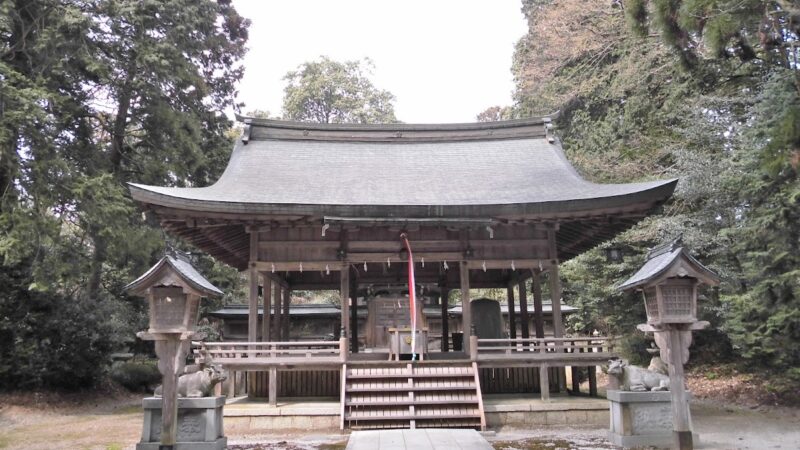
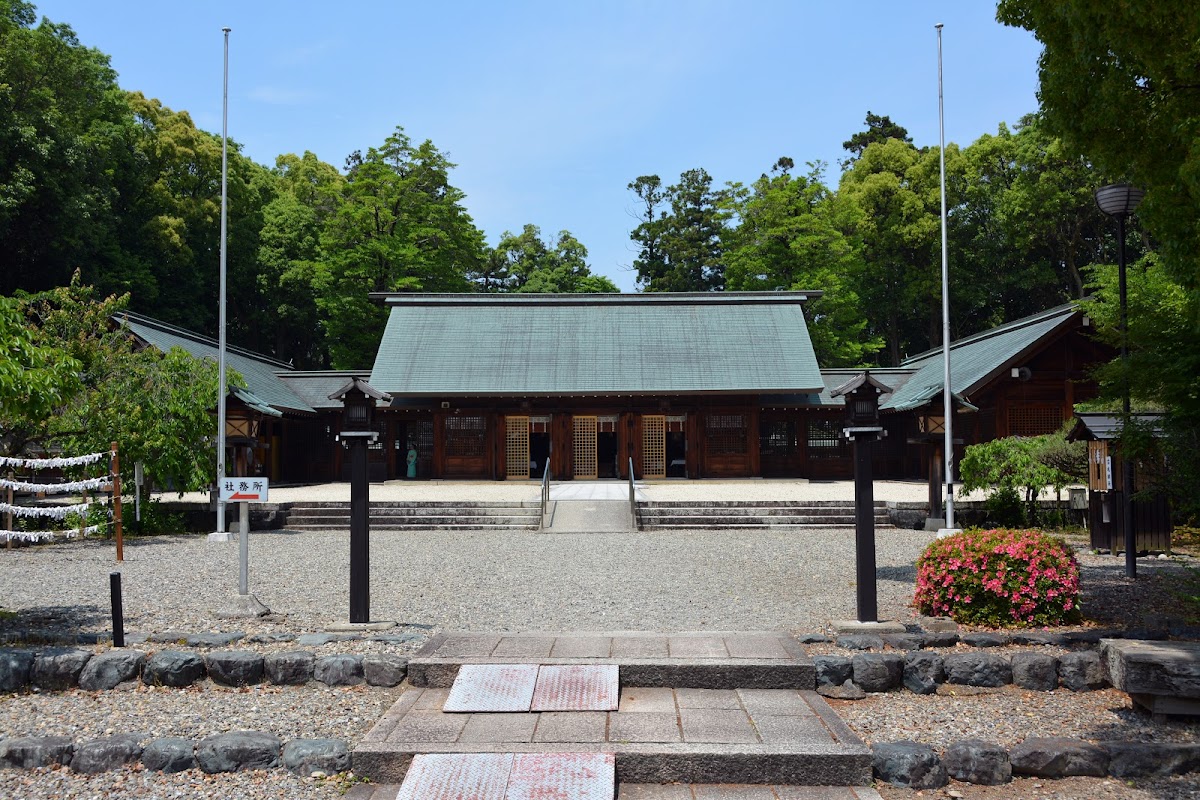
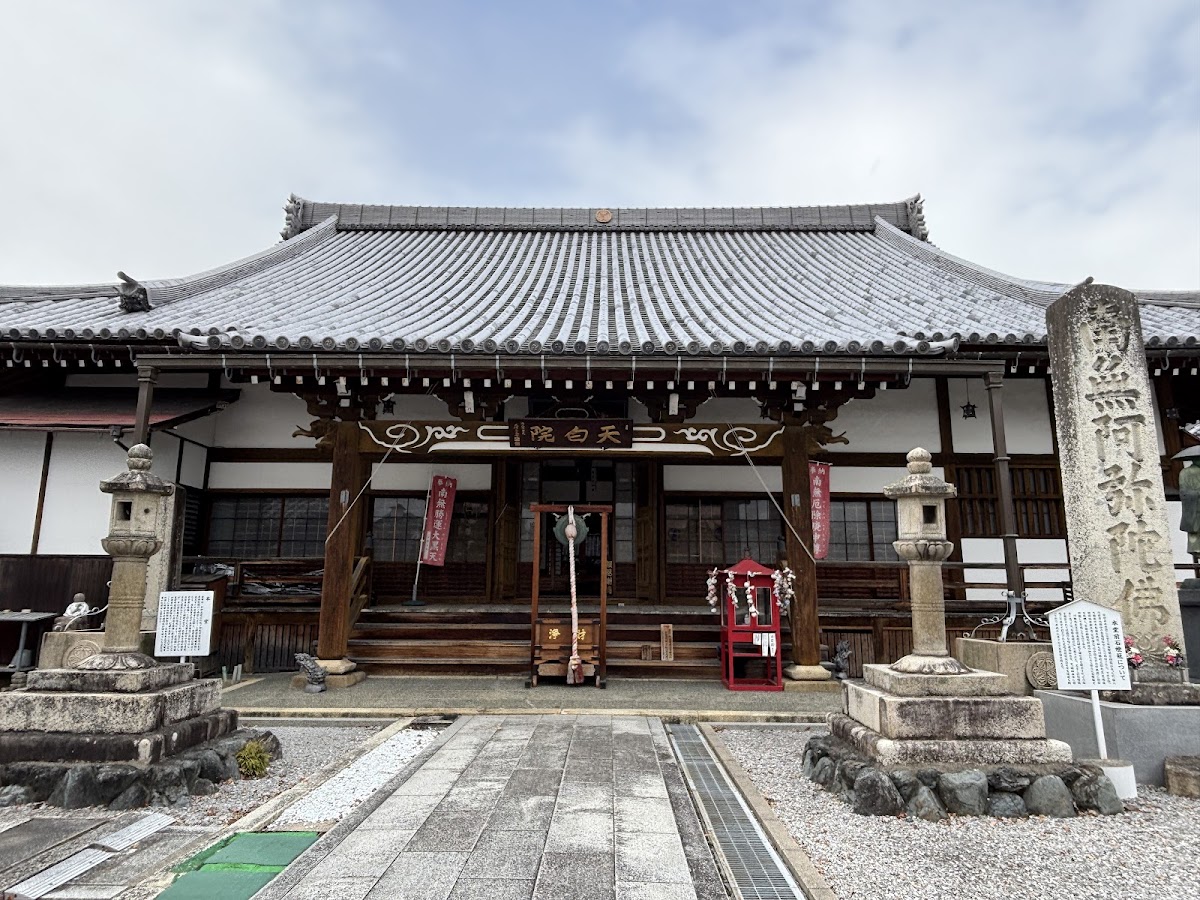
The main halls of Soanji Temples often employ either Zen Buddhist or Japanese architectural styles. The main hall houses the principal image of worship, allowing visitors to pay their respects.
The layout of the temple grounds varies from temple to temple, but generally includes a main gate, main hall, living quarters (kuri), and bell tower. The layout of the temple grounds often reflects Feng Shui principles and Buddhist cosmology, making it an interesting subject of study from the perspectives of architectural and religious history.
Gardens and Landscapes
Many Zen Buddhist temples, such as Soanji, possess beautiful gardens. While the styles vary, including dry landscape gardens and pond gardens, all are spaces that express the spirituality of Zen.
Gardens are not merely decorations; they are places of practice and objects of meditation. The arrangement of stones and plants holds deep meaning, allowing visitors to enjoy the beauty of the four seasons.
Buddhist Statues and Artworks
Soanji temples sometimes house Buddhist statues and artworks that have been passed down since the temple’s founding. The principal image of worship, such as Shakyamuni Buddha, Amida Buddha, or Kannon Bodhisattva, varies depending on the temple’s sect and history.
Furthermore, some temples house cultural artifacts such as calligraphy, paintings, and crafts. These are usually not open to the public, but may be viewable on special occasions.
Temple Bells and Stone Sculptures
Temple grounds sometimes contain temple bells cast during the Edo and Meiji periods. These bells bear inscriptions, providing clues to the social conditions of the time through information about the casting date and donors.
Stone sculptures such as Hōkyōintō pagodas, Gorintō pagodas, stone Buddha statues, and lanterns are scattered throughout the grounds. Many of these were erected as memorial towers and are valuable historical materials that tell the story of the region’s history and the evolution of its beliefs.
Annual Events at Sōanji Temple
Spring Events
In spring, the Hana Matsuri (Buddha’s Birthday Festival) is held. This is a celebration of the birth of Buddha, generally held around April 8th. Worshippers pour sweet tea over the statue of the infant Buddha as an offering.
Also, the spring equinox memorial service is an important event. Parishioners and local residents gather to honor their ancestors. It often coincides with the cherry blossom season in the temple grounds, allowing people to spend time in faith amidst the beauty of the season.
Summer Events
During the Obon period, the Urabon-e (Obon Festival) is held. This is an important event to welcome and honor the spirits of ancestors, and many parishioners visit the temple. A Segaki (feeding of hungry ghosts) service may also be held.
Some Soanji temples also hold community-based events such as Jizo-bon (Jizo Festival), providing an opportunity to pray for the healthy growth of children.
Autumn Events
The autumn equinox memorial service, like the spring service, is an important opportunity for ancestor worship. Autumn is a time to give thanks for the harvest and to reflect on nature’s bounty and the kindness of our ancestors.
Some temples hold cultural events such as moon-viewing parties and art appreciation events. You can spend a peaceful time in the quiet temple grounds during the beautiful autumn foliage season.
Winter Events
On New Year’s Eve, the temple bell is rung. The 108 rings of the bell are a ritual to dispel human desires and welcome the new year with a pure heart. Some temples allow general visitors to ring the bell.
In the new year, temples are bustling with visitors for Hatsumode (first shrine visit of the year). People visit to pray for good health and safety for their families throughout the year, welcoming the new year at the temple.
Etiquette and Manners for Visiting a Temple
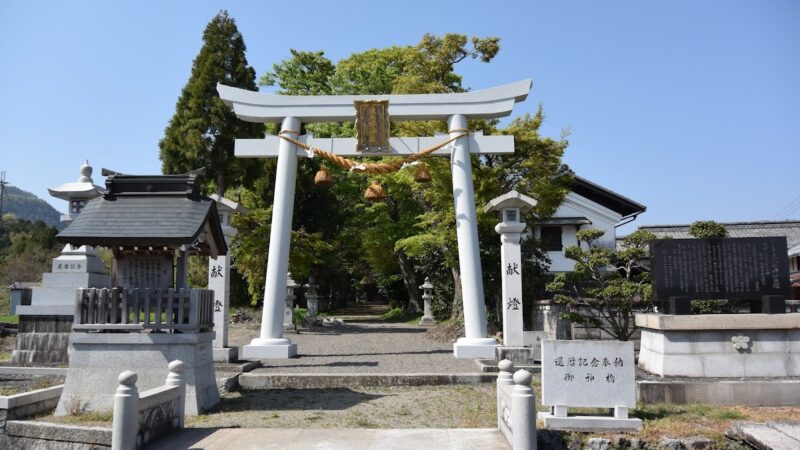
Etiquette at the Temple Gate
When visiting a temple, it is proper etiquette to bow before the temple gate before entering the grounds. The temple gate is the entrance to a sacred space, and showing respect is important. When passing through the temple gate, be careful not to step on the threshold. This is a common courtesy in Buddhist temples and shows respect for a sacred place.
Worship at the Main Hall
Before entering the main hall, purify your hands and mouth at the water basin. Inside the main hall, join your hands in prayer before the principal image and worship quietly. If offering a monetary donation, place it quietly in the offering box.
When visiting, it is important to be considerate of other worshippers, refrain from speaking loudly, and avoid taking photos in areas where photography is prohibited.
Behavior on the Temple Grounds
The temple grounds are a place of spiritual practice, and a tranquil atmosphere is required. Avoid loud conversations and running around; quiet strolling is desirable.
Smoking and littering are strictly prohibited. The beauty and cleanliness of the temple grounds are maintained through the daily efforts of the monks and parishioners. By observing proper etiquette, each visitor can help maintain this beautiful environment. ## Access and Visiting Information
Transportation Access
Access to Soanji Temple varies greatly depending on the temple’s location. Temples in urban areas are easily accessible by public transport, while temples in mountainous or suburban areas may be more convenient to visit by private car.
Many major Soanji temples can be accessed by bus or taxi from the nearest station. It is recommended to check transportation information on the official website or tourist guide beforehand.
Visiting Hours and Fees
Generally, temple visiting hours are from 9:00 AM to around 5:00 PM, but this varies depending on the season and the temple. Visiting hours may change during the New Year holidays or special events.
While free entry to the temple grounds is often available, there may be a fee for special viewings of the main hall, gardens, or treasure hall. Fees are generally around several hundred yen.
Parking and Surrounding Facilities
Many temples have parking lots for visitors, but capacity is limited. Especially during events, congestion is expected, so it is advisable to consider using public transport.
In the surrounding area, you may find tea houses, restaurants, and souvenir shops where you can rest. You may also be able to purchase local specialties and Buddhist-related items.
Soanji Temple and Local Culture
Connection with the Local Community
Soanji temples have played a role not merely as religious institutions, but as centers of local communities. Through the danka system (parishioner system), they have maintained deep ties with local residents, and have been close to people’s lives through weddings, funerals, and annual events.
Even today, many temples function as centers for local festivals and cultural activities, serving as places for intergenerational exchange. In areas facing aging populations and depopulation, temples play a crucial role in maintaining community bonds.
Education and Cultural Transmission
During the Edo period, many Soanji temples provided educational facilities as terakoya (temple schools), contributing to the improvement of the local cultural level through literacy, arithmetic, and moral education.
Even today, activities such as Zen meditation sessions, sutra copying sessions, and Dharma talks are conducted to transmit Buddhist teachings and traditional Japanese culture. These activities are often open not only to local residents but also to the general public.
Value as a Tourism Resource
Soanji Temple, with its historical value and cultural assets, is also an important tourist resource for the region. Its beautiful gardens, architecture, and seasonal natural scenery attract many tourists.
While balancing tourism promotion with its role as a place of worship, the temple also contributes to the local economy. An increase in worshippers and tourists has a positive impact on surrounding shops and accommodations.
Preservation and Future of Soanji Temple
Efforts to Protect Cultural Properties
At Soanji Temple, which possesses old buildings and works of art, the preservation of cultural properties is a crucial issue. Regular repairs and preservation treatments are necessary, requiring significant costs and specialized skills.
Efforts continue to pass on this valuable cultural heritage to future generations, utilizing subsidies from the national and local governments, as well as donations from parishioners and the general public.
Changes and Challenges of the Danka System
In modern society, the Danka system is facing various changes. Due to population migration to urban areas, the rise of nuclear families, and declining religious affiliation, temples are experiencing a decrease in the number of parishioners and an aging population.
To address these challenges, many temples are striving to create more open temples, exploring new forms of community engagement by offering events and experiential programs for the general public.
Digitalization and Information Dissemination
In recent years, many temples have begun using websites and social media to disseminate information. New initiatives utilizing digital technology, such as event announcements, Dharma talks, and online Zen meditation sessions, are spreading.
This makes it possible to deliver Buddhist teachings to many people beyond geographical constraints, and a new relationship between temples and society is emerging.
Summary
Soanji temples are historical temples located throughout Japan, each possessing its own unique history and cultural value. Since their founding, they have played an important role as centers of local faith and as centers of culture and education.
Their beautiful architecture, gardens, and valuable cultural assets convey the richness of Japanese Buddhist culture to the present day. Through annual events and visits to the temple, we, living in the modern age, can connect with the faith and wisdom of our ancestors.
Amidst the changes of modern society, such as a declining birthrate, an aging population, and diversifying values, Soanji Temple is exploring new ways of engaging with society. By preserving tradition while adapting to the times, it will continue to be an indispensable presence in the local community.
When you visit Soanji Temple, why not spend some time in its tranquil grounds, reflecting on its history and culture, and finding peace of mind? It will be a valuable opportunity to connect with Buddhist teachings and experience traditional Japanese culture.