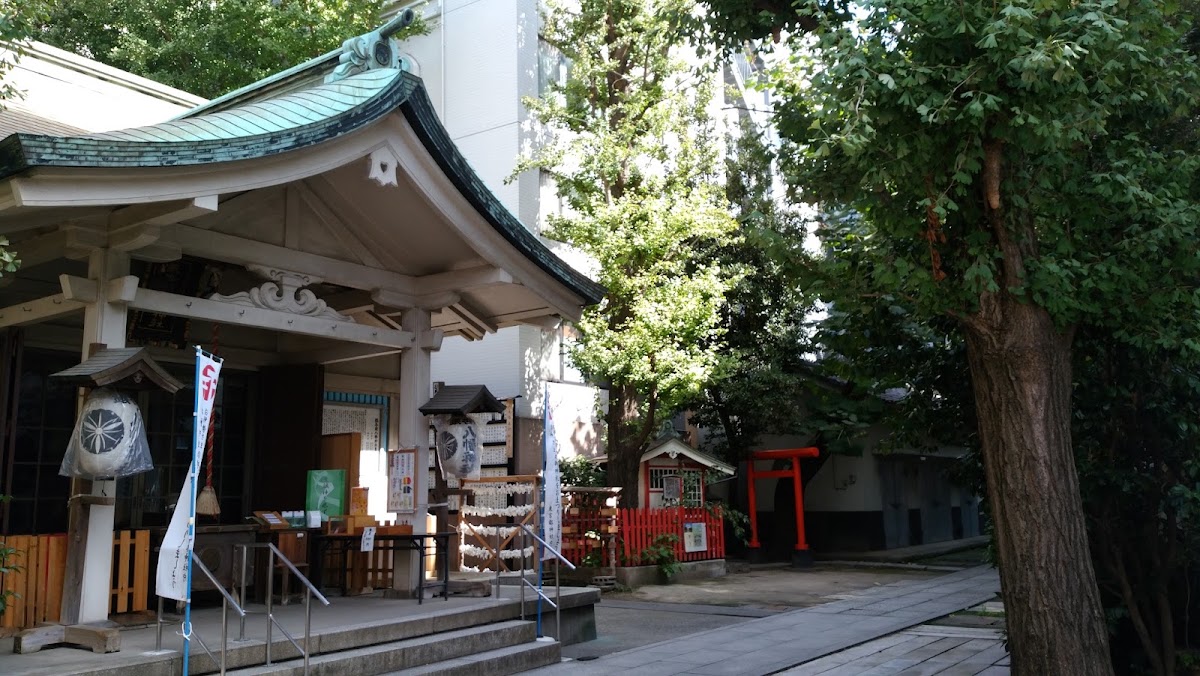
Complete Guide to Ichogaoka Hachiman Shrine (Taito Ward, Tokyo) | History, Goshuin (Shrine Seals), Access, and Blessings
Ichogaoka Hachiman Shrine, located in Asakusabashi, Taito Ward, Tokyo, is a shrine with nearly a thousand-year history, founded in 1062. The shrine’s name originates from a legend that Minamoto no Yoshiie stopped there on his way to battle during the Former Nine Years’ War, planting a ginkgo branch to pray for victory. This article provides a thorough explanation of Ichogaoka Hachiman Shrine’s history, goshuin (shrine seals), offerings, highlights of the grounds, and access information—all essential for a visit.
Basic Information on Ichogaoka Hachiman Shrine
Shrine Overview
Official Name: Ichogaoka Hachiman Shrine
Common Name: Ichogaoka Hachiman-sama
Location: 1-29-11 Asakusabashi, Taito-ku, Tokyo
Former Shrine Rank: Village Shrine
Former Guardian Grounds: Former Asakusa Fukui-cho
Founded: Kohei 5 (1062)
Deities Enshrined: Hondawake-no-mikoto, Takenouchi-no-sukune-no-mikoto
Ichogaoka Hachiman Shrine maintains a tranquil atmosphere despite its prime location in central Tokyo, just a 1-2 minute walk from Asakusabashi Station on the JR Sobu Line and Toei Asakusa Line. Situated in Asakusabashi, at the southern edge of Taito Ward, surrounded by the Sumida River and Kanda River, it has long been revered as the local guardian deity.
Deities and Benefits
The deities enshrined at our shrine are Emperor Ōjin, also known as Homudawake no Mikoto, and his assistant, Takenouchi no Sukune no Mikoto, who lived a long life.
Main Benefits:
- Good Fortune in Competitions and Victory: Based on the story of Minamoto no Yoshiie’s prayer for victory in battle.
- Health and Longevity: From the legend of Takenouchi no Sukune no Mikoto’s long life.
- Increased Financial Fortune: As the guardian deity of Asakusabashi, a merchant town.
- Protection from Evil and Good Fortune: The divine power of Hachiman, the god of war.
In 2022 (Reiwa 4), the shrine celebrated its 960th anniversary, and as a shrine with nearly a thousand years of history, it continues to attract many worshippers.
History of Ginkgo-oka Hachiman Shrine
The Legend of Minamoto no Yoshiie and the Ginkgo Tree
The founding of Ginkgo-oka Hachiman Shrine dates back to Kohei 5 (1062). This was the year that Minamoto no Yoriyoshi and his son Yoshiie returned victorious after completing the Former Nine Years’ War (the conquest of Oshu).
According to tradition, Minamoto no Yoshiie (Hachiman Taro Yoshiie) stopped at this location to rest on his way to Oshu during the Former Nine Years’ War. At that time, a ginkgo branch floated down the river. Yoshiie considered this a good omen and prayed for victory, saying, May the branches and leaves flourish when the enemies of the court are defeated, and planted the ginkgo branch on the hill.
Upon his return from the campaign, he found that the ginkgo branch had taken root and flourished. Grateful for the divine favor, Yoshiie is said to have enshrined Hachiman in this place. This is the beginning of Ginkgo-oka Hachiman Shrine. ### Origin of the Shrine Name
The shrine’s name, “Ginkgo-oka Hachiman Shrine,” directly derives from the legend of Minamoto no Yoshiie and the ginkgo tree. The name “Ginkgo-oka” (Ginkgo Hill) was given because the Hachiman shrine was built on a hill overgrown with ginkgo trees. Local people affectionately call it “Ginkgo Hachiman-sama.”
Unfortunately, the large ginkgo tree considered sacred was destroyed in a fire during the Edo period and no longer exists. However, its spirit is still carried on as a symbol of the shrine, and ginkgo motifs can be seen throughout the grounds.
From the Edo Period to the Present
During the Edo period, the shrine was revered as the guardian shrine of Asakusa Fukui-cho. The area around Asakusabashi at that time flourished as a wholesale district utilizing the Sumida River’s water transport, and many merchants visited to pray for business prosperity.
In the Meiji era, under the shrine ranking system, it was ranked as a village shrine, positioning it as an important local shrine. Even after enduring the wave of urbanization following the war, the shrine has been carefully preserved to this day, serving as a spiritual anchor for parishioners and local residents, and as a shrine that has walked hand in hand with the town of Asakusabashi.
In recent years, it has also functioned as a center of the local community, with events such as the “Year-Round Hachiman Radio Calisthenics Club,” attracting attention as a shrine where tradition and modernity harmonize.
Highlights of the Shrine Grounds
Shrine Buildings
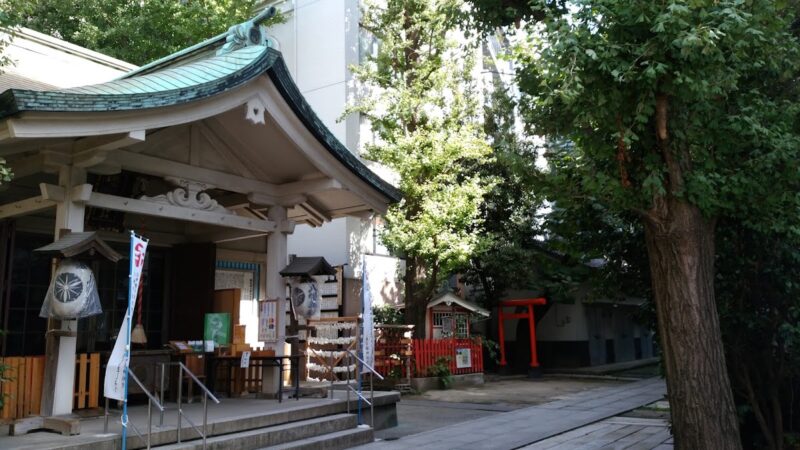
The shrine buildings of Ginkgo-oka Hachiman Shrine are compactly arranged within the limited grounds of the city center, yet they exude a solemn atmosphere. While the main hall and worship hall have a modern design, they follow the style of traditional shrine architecture, warmly welcoming visitors.
Subsidiary Shrines
In addition to the main hall, several subsidiary shrines are enshrined within the grounds. Each offers different blessings, catering to the diverse wishes of visitors.
Ginkgo Motif
Although the sacred ginkgo tree no longer exists, ginkgo motifs can be seen throughout the shrine in its decorations and offerings. Because ginkgo leaves shine with a golden color, they are also cherished as a symbol of increased wealth.
Stone Monuments and Memorials
Within the shrine grounds, there are stone monuments and memorials that tell the story of the shrine’s history. These are valuable historical documents that reveal the shrine’s transformations and are an interesting sight for history-loving visitors.
Goshuin (Shrine Seals) and Goshuincho (Shrine Seal Books)
Types of Goshuin
Ginkgooka Hachiman Shrine offers seasonal goshuin. Different designs are available each season, offering new discoveries with every visit.
The goshuin often feature a ginkgo leaf stamp, representing the shrine’s unique characteristics. Limited edition goshuin are also sometimes offered during special festivals and anniversaries, making them popular among goshuin collectors.
When receiving a Goshuin (temple/shrine stamp), visitors may also receive a candy with a ginkgo leaf illustration as a gift, which is very popular.
Original Goshuin Notebook
Our shrine also offers an original design Goshuin notebook featuring ginkgo leaves. The notebook, beautifully designed with golden ginkgo leaves, is a popular souvenir.
Issuance Hours
Goshuin issuance hours are the same as the shrine office’s opening hours. We recommend checking the latest information on our official website or social media before visiting.
Gifts and Amulets
Ginkgo-themed Gifts
Ginkgo-oka Hachiman Shrine offers a variety of gifts featuring ginkgo leaves.
- Victory Charm: A charm inspired by the story of Minamoto no Yoshiie’s prayer for victory in battle.
- Health and Longevity Charm: A charm bestowing the divine blessings of Takenouchi no Sukune.
- Financial Fortune Charm: A charm for increased financial fortune, inspired by the golden color of the ginkgo tree.
- Exorcism Charm: A charm to ward off misfortune and pray for good fortune.
Other Items Available
In addition to Goshuincho (stamp books), various other items are available, including ema (votive tablets), amulets, and hamaya (demon-repelling arrows). Seasonal items are also available, offering new discoveries with each visit.
Annual Festivals and Events
Grand Festival
The Grand Festival of Ginkgo-oka Hachiman Shrine is held every autumn. The festival features a portable shrine procession and dedication ceremonies, creating a vibrant and community-wide celebration. The sight of the portable shrine parading through the streets of Asakusabashi offers a valuable opportunity to experience the region’s traditional culture.
Annual Events
- New Year’s Day Festival (January 1st): A festival celebrating the New Year
- Setsubun Festival (February): A ritual to ward off evil spirits through bean-throwing
- Summer Purification Ceremony (June 30th): A Shinto ritual to purify oneself of sins and impurities accumulated over the past six months
- Shichi-Go-San Festival (November): A visit to celebrate the growth of children
- Year-End Purification Ceremony (December 31st): A Shinto ritual to purify oneself of sins and impurities accumulated over the past year
Hachiman Radio Calisthenics Club
A distinctive activity of Ginkgo-oka Hachiman Shrine is the Yachiman Radio Calisthenics Club, which is held 365 days a year. Every morning, local residents gather on the shrine grounds to perform radio calisthenics for health promotion. This activity also plays a role in strengthening community bonds, demonstrating the important role that shrines play in modern society.
Access and Visiting Information
Access by Train
Ginkgo-oka Hachiman Shrine is located in a convenient location in central Tokyo.
Nearest Stations:
- Approximately 2 minutes on foot from the East Exit of Asakusabashi Station on the JR Sobu Line (closest)
- Approximately 1 minute on foot from Exit A3 of Asakusabashi Station on the Toei Asakusa Line
Both stations are very close, and the shrine is located right outside the station, so even first-time visitors can arrive without getting lost.
Access by Car
There is no dedicated parking lot for the shrine, so if you are visiting by car, please use a nearby coin-operated parking lot. However, the Asakusabashi area is a bustling wholesale district on weekdays, and parking lots can become crowded, so we recommend using public transportation.
Visiting Hours
While you can generally visit the shrine grounds freely, the shrine office has set opening hours. If you wish to obtain a Goshuin (shrine stamp) or other items, we recommend checking the opening hours on the official website or social media in advance.
Nearby Tourist Attractions
The following tourist attractions are located near Ginkgo-oka Hachiman Shrine:
- Senso-ji Temple: A representative Tokyo temple within walking distance
- Ryogoku Kokugikan: The sacred site of sumo wrestling
- Edo-Tokyo Museum: A museum where you can learn about the history and culture of Edo
- Along the Sumida River: Enjoy strolling and cruises
You can enjoy sightseeing in the Asakusabashi and Asakusa area in conjunction with your visit to the shrine.
The Charm of Ginkgo-oka Hachiman Shrine
An Oasis in the City Center
Despite its prime location in the city center, just a 1-2 minute walk from Asakusabashi Station, stepping into the shrine grounds reveals a tranquil space that makes you forget the hustle and bustle. It is a beloved sanctuary in the heart of the business district.
Nearly a Thousand Years of History
Ginkgo-oka Hachiman Shrine boasts a history of nearly a thousand years since its founding in 1062 (Kohei 5). This shrine has walked alongside people throughout the ages, from the legend of Minamoto no Yoshiie to the faith of Edo-period merchants and its role as a center of the modern community.
Community-Based Activities
The shrine’s active involvement in community-based activities, including the year-round Yawata Radio Calisthenics Club, is another attractive feature. While preserving tradition, it continues to explore new roles for shrines in modern society.
Seasonal Goshuin (Shrine Seals)
The goshuin, with its different designs for each season, offers new discoveries with every visit. The beautiful goshuin featuring ginkgo leaves is a popular memento of the visit.
Shrine Visit Etiquette
Here are some basic manners to observe when visiting a shrine.
How to Pass Through the Torii Gate
The torii gate is the entrance to the sacred area. Bow before passing through. The center of the path is considered the path of the gods, so it is polite to walk along the side.
Proper Ritual for Washing Hands
- Take the ladle in your right hand and wash your left hand.
- Switch the ladle to your left hand and wash your right hand.
- Take the ladle back in your right hand, receive water in your left hand, and rinse your mouth.
- Wash your left hand again.
- Hold the ladle upright, let the water flow down the handle, and return it to its original position.
Proper Ritual for Worshiping at the Main Hall
- Stand in front of the offering box and bow slightly.
- Gently place your offering in the box.
- If there is a bell, ring it.
- Two bows, two claps, one bow (Two deep bows, two claps, one deep bow).
- Take a few steps back and bow once.
Official Information of Ginkgo-oka Hachiman Shrine
Official Website and Social Media
The latest information can be found on the official website and social media accounts of Ginkgo-oka Hachiman Shrine.
- Official Website: https://ichohachiman.or.jp/
- Official X (formerly Twitter): @icho8man
Timely information such as the date of the annual festival, information on limited edition goshuin (temple/shrine stamps), and the state of the shrine grounds is posted here. We recommend checking before your visit.
Inquiries
For inquiries regarding worship and prayers, please contact the shrine office. We also accept various prayers such as weddings, exorcisms, first shrine visits for newborns, and Shichi-Go-San (a traditional Japanese rite of passage for children).
Summary
Icho-oka Hachiman Shrine is a historical shrine founded in 1062 (Kohei 5) located in Asakusabashi, Taito-ku, Tokyo. The shrine’s name originates from a legend that Minamoto no Yoshiie prayed for victory by sticking a ginkgo branch into the ground. It is known for its blessings related to good fortune in competitions, health and longevity, and increased wealth.
Ginkgo-oka Hachiman Shrine boasts exceptional accessibility, being just a 1-2 minute walk from Asakusabashi Station. Its charm lies in its beautiful seasonal goshuin (shrine stamps), ginkgo-themed offerings, and community-based activities such as the year-round Hachiman Radio Calisthenics Club.
Despite its nearly thousand-year history, Ginkgo-oka Hachiman Shrine continues to explore new roles for shrines in modern society. When visiting Asakusabashi, be sure to pay a visit. In this tranquil space amidst the hustle and bustle of the city, you’ll find peace of mind and renewed energy.
While there are many other shrines in Taito Ward, Ginkgo-oka Hachiman Shrine is special, with its unique history rooted in the legend of Minamoto no Yoshiie and its role as a central hub for the local community. It’s a shrine recommended for everyone, whether you’re collecting goshuin, visiting power spots, or interested in history.