Complete Guide to Shinozuka Inari Shrine (Tokyo) | History and Access Information for Two Shrines
There are two shrines named “Shinozuka Inari Shrine” in Tokyo. One is located in Yanagibashi, Taito-ku, and has a history associated with Shinozuka Iga-no-kami Shigehiro, a retainer of Nitta Yoshisada. The other is located in Akatsuka, Itabashi-ku, and is known for its sacred ginkgo tree. This article comprehensively explains the details, history, access methods, and goshuin (shrine stamp) information for these two Shinozuka Inari Shrines.
Basic Information on Shinozuka Inari Shrine (Yanagibashi, Taito-ku)
Location and Access
Address: 1-5-1 Yanagibashi, Taito-ku, Tokyo
Nearest Station:
- Approximately 3 minutes on foot from the East Exit of Asakusabashi Station on the JR Sobu Line
- Approximately 3 minutes on foot from Exit A3 of Asakusabashi Station on the Toei Asakusa Line
Located south of Asakusabashi Station, in the Yanagibashi area where the Kanda River and Sumida River merge. Located very close to the station, it boasts a highly convenient access location.
Phone Number: 03-3851-6094
Deity and Blessings
Deity: Ukanomitama-no-Mikoto
Ukanomitama-no-Mikoto is the god who presides over grains and food, and is believed to bring blessings such as business prosperity, abundant harvests, and family safety. Because it is located in a commercial area, it attracts the faith of local shops and businesses.
History of Shinozuka Inari Shrine (Taito Ward)
Origin of Founding
The exact founding date of Shinozuka Inari Shrine (Taito Ward) is unclear, but it is believed to date back to the Shochu era (around 1324-1326), approximately 700 years ago. Ancient records state, “There is a high hill by the Okawa River, overgrown with bamboo grass, and the villagers enshrined Inari here.” This indicates that the shrine’s origin lies in the enshrinement of Inari on a hill overgrown with bamboo grass along the Kanda River.
The Relationship Between Nitta Yoshisada and Shinotsuka Iga-no-kami Shigehiro
The name of Shinotsuka Inari Shrine originates from Shinotsuka Iga-no-kami Shigehiro (Shinotsuka Shigehiro), one of the four generals of Nitta Yoshisada, a military commander of the Nanboku-cho period. Shinotsuka Shigehiro was a brave warrior, considered the foremost of Nitta’s four generals, and he resided in this area, continuing to pray at the shrine for centuries, hence the name “Shinotsuka Inari.”
Nitta Yoshisada is known as a general who made significant contributions to the overthrow of the Kamakura Shogunate, and his retainer, Shinotsuka Shigehiro, also left his mark on history as a figure who remained loyal to his lord.
From the Edo Period to the Present
In 1681 (Tenna 1), a temple called Shinozukayama Tamazoin Sorinji was established alongside the shrine, creating a form of syncretism between Shinto and Buddhism. However, due to the separation of Shinto and Buddhism in the early Meiji era, Sorinji was abolished, leaving only Shinozuka Inari Shrine.
Throughout the Edo period, its location at a key point for water transport along the Kanda River attracted the faith of boatmen and merchants. Even today, it receives fervent devotion from local residents and nearby businesses as the guardian deity of the area.
Grounds and Cultural Properties of Shinozuka Inari Shrine (Taito Ward)
Features of the Shrine Building
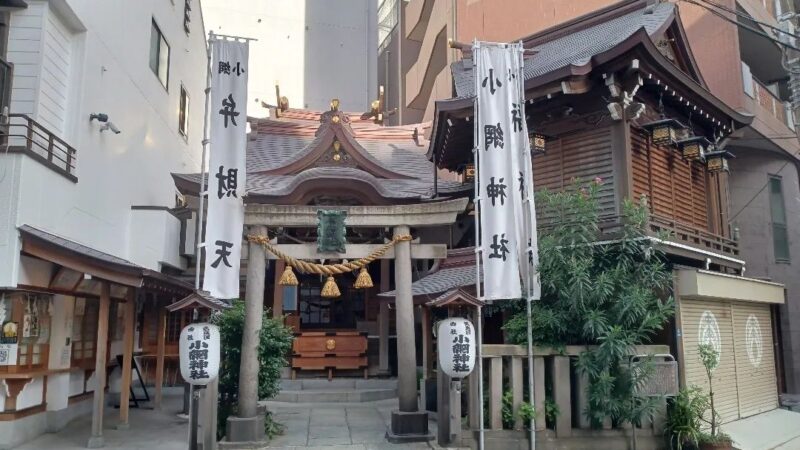
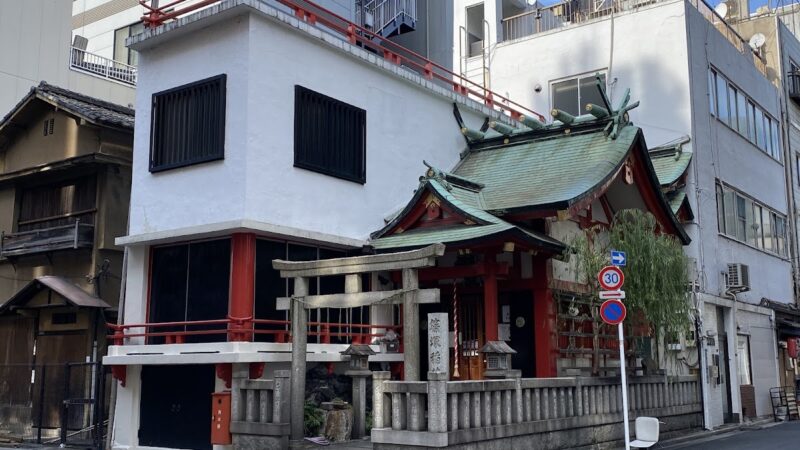
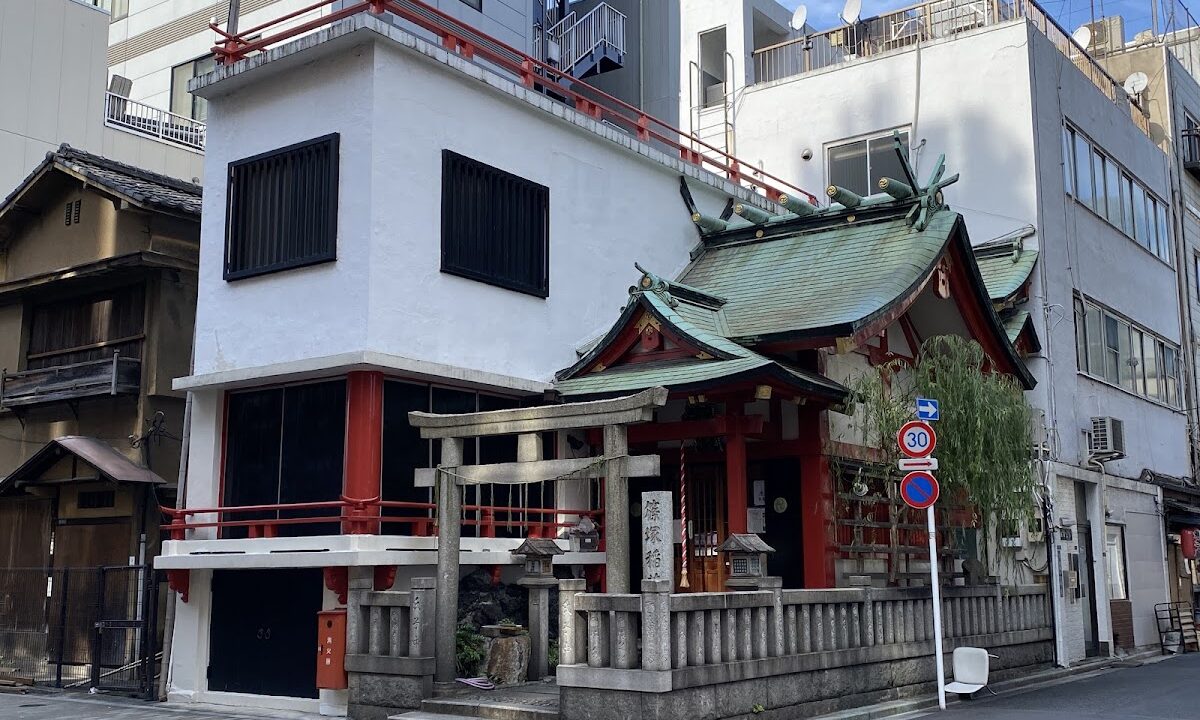
The most distinctive feature of Shinozuka Inari Shrine (Taito Ward) is its unique shrine building integrated with an adjacent building. It’s a modern design that effectively utilizes the limited space in the city center, with the shrine building incorporated into the first floor of the building. While such structures are not uncommon among shrines in central Tokyo, it creates a unique atmosphere where tradition and modernity blend seamlessly.
Highlights of the Shrine Grounds
The shrine grounds, though compact, are kept clean and have a warm, welcoming atmosphere for visitors. Passing through the vermilion torii gate, you immediately come to the main hall, a tranquil space amidst the hustle and bustle of the city.
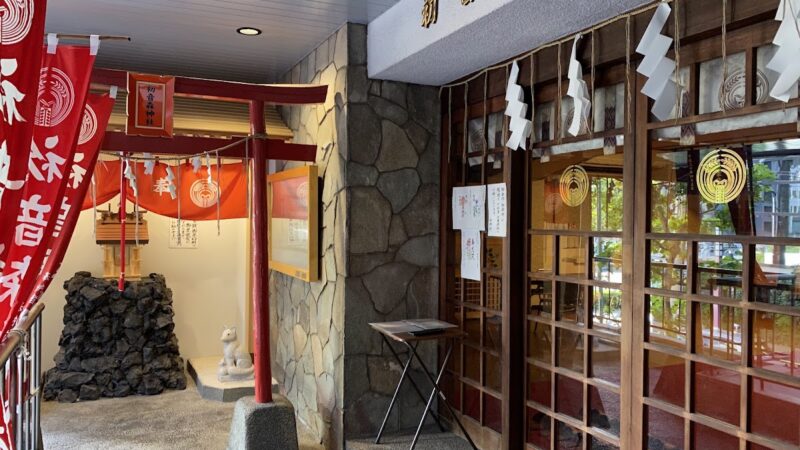
In front of the shrine are guardian lion-dogs, and, as is typical for Inari shrines, a sacred fox (O-Inari-san) is also enshrined. Photography is permitted, and many visitors enjoy taking commemorative photos.
Information on Goshuin (Shrine Seals) at Shinozuka Inari Shrine (Taito Ward)
You can receive a goshuin (shrine seal) at Shinozuka Inari Shrine. The goshuin will have the shrine name and date of visit written in ink, and a red seal stamped on it.
To receive a goshuin, you need to visit during the hours when the shrine office is open. However, since staff may not always be present, it is recommended to call ahead to confirm if you definitely want a goshuin.
Basic Information on Shinozuka Inari Shrine (Akatsuka, Itabashi Ward)
Location and Access
Address: 6-15-24 Akatsuka, Itabashi-ku, Tokyo
Nearest Station:
- Approximately 6 minutes on foot from the North Exit of Shimo-Akatsuka Station on the Tobu Tojo Line
- Approximately 8 minutes on foot from Chikatetsu-Akatsuka Station on the Tokyo Metro Yurakucho Line and Fukutoshin Line
Located in a residential area of Itabashi Ward, it is a beloved local guardian shrine. While it’s a short walk from the station, its location within a residential area provides a quiet environment for worship.
Deity Enshrined
Shinozuka Inari Shrine in Itabashi Ward also enshrines Ukanomitama-no-Mikoto as its main deity. It is believed to bring blessings for abundant harvests, business prosperity, and family safety.
Highlights of Shinozuka Inari Shrine (Itabashi Ward)
The Sacred Ginkgo Tree
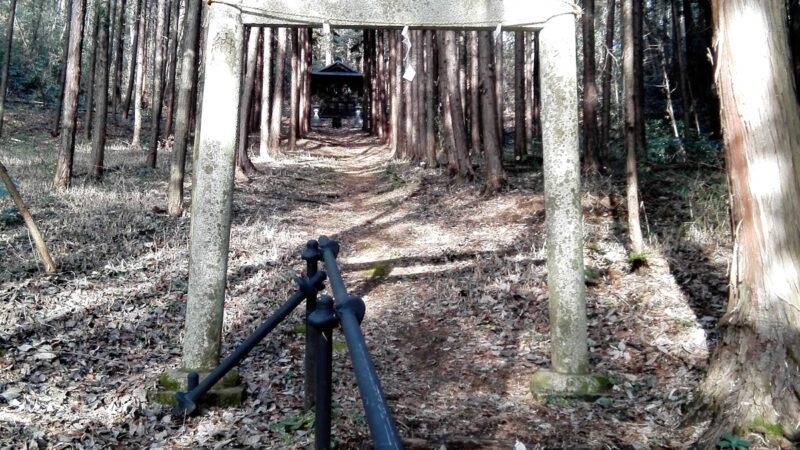
The greatest highlight of Shinozuka Inari Shrine in Itabashi Ward is the sacred ginkgo tree towering over the shrine grounds. Said to be several hundred years old, its majestic presence is truly awe-inspiring.
Especially during the autumn foliage season, the ginkgo leaves turn a golden color, beautifully decorating the shrine grounds. Many worshippers and photography enthusiasts visit to capture its beauty in photographs. In summer, the lush green leaves create a shady and relaxing spot.
A Community Gathering Place
Shinozuka Inari Shrine (Itabashi Ward) is a shrine deeply cherished by the local residents. In summer, a Bon Odori (traditional Japanese dance festival) is held on the shrine grounds, attracting many local residents. During the festival, stalls line the grounds, making it a place for community interaction that can be enjoyed by people of all ages.
The shrine grounds offer ample space and are regularly used by local residents as a walking route and resting place.
Comparison of Two Shinozuka Inari Shrines
Differences in Location and Atmosphere
Shinozuka Inari Shrine in Yanagibashi, Taito Ward:
- Located in a central business and commercial area
- A modern shrine building integrated with a building
- Compact yet deeply historically significant
- Highly accessible
Shinozuka Inari Shrine in Akatsuka, Itabashi Ward:
- Located in a residential area
- Symbolized by a large ginkgo tree, the sacred tree
- A beloved local gathering place
- Quiet and peaceful atmosphere
Points to Note When Visiting
The shrine in Taito Ward is appealing for its historical significance and connection to Nitta Yoshisada. Located in the city center, it’s easy to visit between sightseeing or business trips, and ideal for collecting Goshuin (shrine stamps).
The shrine in Itabashi Ward is appealing for the beauty of its large ginkgo tree and its warm, community-rooted atmosphere. Visiting during the autumn foliage season or summer festivals will make it even more enjoyable.
Tourist Spots Around Shinozuka Inari Shrine
Around Yanagibashi, Taito Ward
Yanagibashi: A bridge spanning the Kanda River, this area exudes the atmosphere of Edo. Once a thriving geisha district, it still boasts numerous restaurants.
Asakusa: Just a few stops from Asakusabashi Station, you’ll arrive in Asakusa. It’s home to many of Tokyo’s most iconic tourist attractions, including Senso-ji Temple and Nakamise Street.
Ryogoku: Home to the Kokugikan (sumo arena) and the Edo-Tokyo Museum, where you can learn about sumo culture and Edo history.
Around Akatsuka, Itabashi Ward
Akatsuka Botanical Garden: A botanical garden where you can enjoy plants of all seasons. It’s within walking distance of Shinozuka Inari Shrine.
Akatsuka Castle Ruins: The remains of a medieval castle, perfect for a historical stroll.
Itabashi Art Museum: A museum primarily exhibiting modern and contemporary art, with a variety of special exhibitions.
Manners and Precautions for Visiting Shrines
Basic Worship Etiquette
- Bow Before Passing Through the Torii Gate: As a sign of respect before entering the sacred area, bow before the torii gate.
- Purify at the Water Basin: If there is a water basin, scoop water with the ladle and purify your left hand, right hand, and mouth in that order.
- Worship at the Main Hall: The basic procedure is two bows, two claps, and one bow. Place your offering, ring the bell if present, bow twice, clap twice, and finally bow once.
Regarding Photography
Photography is generally permitted on the grounds of both shrines. However, please be considerate of other worshippers and refrain from taking photos inside the shrine buildings, or obtain permission beforehand.
Best Time to Visit
While shrines are generally open 24 hours a day, visiting during the daytime (around 9:00 AM to 5:00 PM) is recommended if you wish to receive a Goshuin (shrine stamp) or require assistance at the shrine office.
Annual Events and Festivals
Shinozuka Inari Shrine, Taito Ward
Traditional Inari shrine festivals, such as the Hatsuumasai (First Horse Day Festival) and the Reitaisai (Annual Grand Festival), are held here. Please contact the shrine directly for detailed dates.
Shinozuka Inari Shrine, Itabashi Ward
The summer Bon Odori (Bon Dance) festival is a major local event. Many local residents participate and enjoy the traditional Bon Odori.
Planning a Visit to Shinozuka Inari Shrine
Recommended Visiting Plan
Combining with Central Tokyo Sightseeing (Taito Ward):
A plan to visit before or after sightseeing in Asakusa is recommended. Asakusabashi Station is on the Sobu Line, providing good access to Akihabara and Shinjuku, making it an easily accessible location for Tokyo sightseeing.
Enjoying Nature and History (Itabashi Ward):
A plan combining a visit to the shrine with a tour of historical sites and a visit to the botanical garden in the Akatsuka area is recommended. The autumn ginkgo foliage season is especially a must-see.
A One-Day Plan Visiting Both Shrines
For those with ample time, a one-day plan visiting both Shinozuka Inari Shrines is also recommended. An efficient route would be to visit the Itabashi Ward shrine in the morning to admire the sacred tree, then visit the Taito Ward shrine in the afternoon, followed by sightseeing in Asakusa.
Using the Tobu Tojo Line, Toei Asakusa Line, and JR Sobu Line, the journey, including transfers, takes about an hour.
Summary: The Charms of Shinozuka Inari Shrines
The two Shinozuka Inari Shrines in Tokyo each possess their own distinct charms.
The Shinozuka Inari Shrine in Yanagibashi, Taito Ward, has a history of approximately 700 years, associated with Shinozuka Iga-no-kami Shigehiro, a retainer of Nitta Yoshisada, and features a unique shrine building integrated with modern buildings. These are precious shrines that, despite being in the heart of the city, exude a sense of historical significance.
Shinotsuka Inari Shrine in Akatsuka, Itabashi Ward, is symbolized by its large ginkgo tree and is a beloved place of relaxation for the community. Its beauty is particularly exceptional during the autumn foliage season, and local festivals are also thriving.
Both shrines enshrine Ukanomitama-no-Mikoto as their principal deity and are believed to bring blessings of business prosperity and abundant harvests. These shrines are worth visiting for those who wish to visit an Inari shrine in Tokyo, those who want to visit a historical shrine, and those collecting Goshuin (shrine stamps).
You can choose between Taito Ward for the convenience of city center access and Itabashi Ward for a taste of nature and community warmth. Visiting both shrines will also allow you to experience the diverse shrine culture of Tokyo.
Why not experience Tokyo’s history, culture, and deeply rooted forms of faith through a visit to Shinozuka Inari Shrine?