Tamahime Inari Shrine (Taito Ward, Tokyo) Complete Guide | History, Goshuin (Shrine Seals), Access, and Shoe Market: A Thorough Explanation
Tamahime Inari Shrine, located in Kiyokawa, Taito Ward, Tokyo, is a historic shrine founded in 760 AD. It is characterized by the legend of Nitta Yoshisada’s prayer for victory and its unique reputation as a “shoe shrine,” making it a beloved local guardian shrine for many worshippers.
This article provides a detailed overview of Tamahime Inari Shrine, including its history, enshrined deities, goshuin information, access methods, annual events such as the grand festival and shoe market, and highlights within the shrine grounds.
Basic Information about Tamahime Inari Shrine
Location and Contact Information
- Address: 2-13-20 Kiyokawa, Taito-ku, Tokyo 111-0022
- Phone: 03-3872-3411
- Visiting Hours: 10:00 AM – 4:00 PM (Shrine Office Hours)
- Shrine Rank: Former Village Shrine
Deity Enshrined
The deity enshrined at Tamahime Inari Shrine is Ukanomitama-no-Okami. Widely worshipped as an Inari god, this deity is revered as the god of abundant harvests, business prosperity, and industrial development.
Former Guardian Area
Our shrine has long been the guardian shrine of the former Sanya Asakusa-cho and former Asakusa Tamahime-cho, attracting the faith of local residents. The current Kiyokawa area in Taito-ku is part of the area formerly known as Sanya.
History of Tamahime Inari Shrine
Origin of Founding
According to the shrine’s traditions, Tamahime Inari Shrine was founded in Tenpyo Hoji 4 (760 AD). There is a legend that it was founded by inviting a divided spirit from Fushimi Inari Taisha in Kyoto, making it an ancient shrine with a history of over 1200 years.
Regarding the origin of the shrine’s name, “Tamahime,” an interesting description remains in the Edo geographical record “Edo Sunago,” published during the Kyoho era (1716-1736).
Nitta Yoshisada and Tamahime Inari Shrine
According to “Edo Sunago,” at the end of the Kamakura period, when Nitta Yoshisada Ason advanced to Kamakura to pursue Hojo Takatoki, the regent of the Kamakura Shogunate, he prayed for victory at this shrine.
At that time, Yoshisada was wearing an Inari statue, painted by Kobo Daishi, as a collar ornament, and it is said that he enshrined this statue in a lapis lazuli pagoda and dedicated it to this shrine. One theory suggests that this is the origin of the name “Tamahime Inari.”
This legend indicates that Tamahime Inari Shrine was not merely a local guardian shrine, but a prestigious shrine that also attracted the faith of samurai warriors.
Relationship with Oji Inari Shrine
It is believed to have a connection with Oji Inari Shrine in Oji Village, Toshima District, Musashi Province (present-day Oji, Kita Ward), and is thought to have held an important position within the Inari faith network during the Edo period.
War Damage and Reconstruction
During the Great Tokyo Air Raid on March 10, 1945, Tamahime Inari Shrine, including its main hall and other buildings on its grounds, was completely destroyed by fire. This air raid caused immense damage throughout the downtown area, resulting in the loss of many historical buildings.
After the war, the shrine was rebuilt through the efforts of local residents and remains so to this day. While many of the old pre-war documents and treasures were lost, its role as a center of local faith continues unchanged.
Tamahime Inari Shrine as the “Shoe Shrine”
Deep Connections to the Leather Industry
One of the most distinctive features of Tamahime Inari Shrine is its affectionate reputation as the “Shoe Shrine”.
The Kiyokawa area of Taito Ward, where the shrine is located, has been a thriving center for the leather industry since the Edo period. After the Meiji Restoration, many shoe manufacturers gathered there, and the leather industry developed as a local industry. Therefore, Tamahime Inari Shrine came to be deeply revered as the guardian deity of leather and shoe-related businesses.
Shoe Market
Twice a year, in April and November, a “Shoe Market” is held on the grounds of Tamahime Inari Shrine. This market sells shoes and other leather-related products, attracting many shoppers.
During the shoe market, the following events take place:
- Memorial Service for Old Shoes: A Shinto ritual to express gratitude to shoes that have served their purpose.
- Procession of the Shoe-Shaped Mikoshi: A mikoshi (portable shrine) shaped like a shoe parades through the community.
- Exhibition and Sale of Leather Products: Handmade items by artisans and bargain finds are on display.
This shoe market is a unique event of Tamahime Inari Shrine and has become a local tradition.
As a Guardian Deity of Industry
Even today, not only leather and shoe-related businesses, but also people involved in the fashion and manufacturing industries visit the shrine to pray for business prosperity and technological advancement. The role of Tamahime Inari Shrine as a guardian deity of industry remains unchanged.
Information on Goshuin (Shrine Seals) and Other Items
About Goshuin
Tamahime Inari Shrine offers Goshuin.
- Granting Hours: 10:00 AM – 4:00 PM
- Granting Location: Shrine Office
- Offering Fee: Usually around 300-500 yen (subject to change)
The goshuin (shrine stamp) is carefully written with the shrine’s seal and calligraphy. Many visitors receive a goshuin as a memento of their visit and as proof of their connection to the shrine.
Goshuincho (Shrine Stamp Book)
Please inquire directly with the shrine to find out if they have an original Tamahime Inari Shrine goshuincho. It is also recommended as a goshuincho for visiting shrines in Taito Ward.
Other Items Available
- Amulets: Various amulets are available.
- Fortune Slips: You can have your fortune told.
- Ema (Votive Tablets): You can write your wishes and dedicate them.
There may be special amulets related to shoes, etc. Please inquire at the shrine office during your visit for details.
Annual Festival and Events
Annual Festival
The Annual Festival of Tamahime Inari Shrine is held in early June. This is the most important festival for the shrine, where gratitude is offered to the enshrined deity and prayers are made for the peace and prosperity of the community.
During the festival, the following events take place:
- Portable Shrine Procession: The portable shrine is paraded through the parish area.
- Kagura Performance: Traditional performing arts are offered.
- Stalls: Many stalls line the shrine grounds and surrounding areas.
As a festival where people from the community gather, it is bustling with many worshippers.
New Year’s Visit
At the start of the new year, worshippers visit for their first shrine visit of the year, praying for safety and happiness throughout the year. As the guardian shrine of the community, many people, including parishioners, visit to offer their New Year’s greetings.
Shoe Market (Repost)
As mentioned above, a shoe market is held twice a year, in April and November. This is a unique event at Tamahime Inari Shrine and is looked forward to by many people.
Other Events
- Setsubun Festival: Bean-throwing and other events may be held during Setsubun in February.
- Monthly Festival: Regular monthly festivals are held.
For detailed information on the annual event schedule, please contact the shrine directly or check the Tokyo Metropolitan Shrine Association website.
Highlights of the Shrine Grounds
Shrine Building
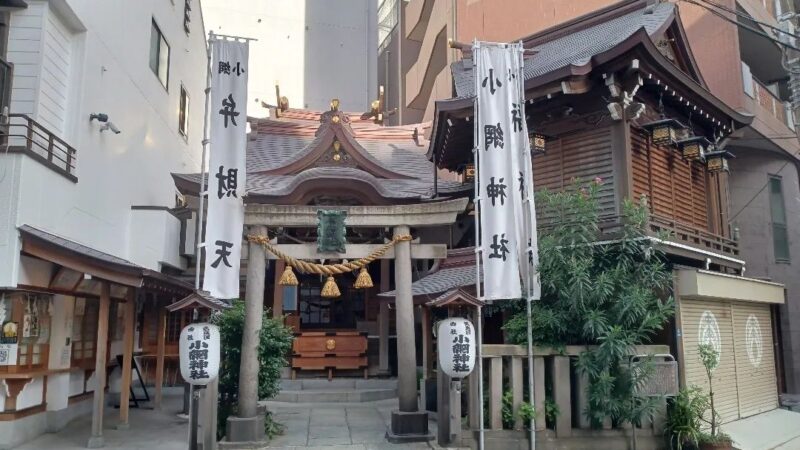
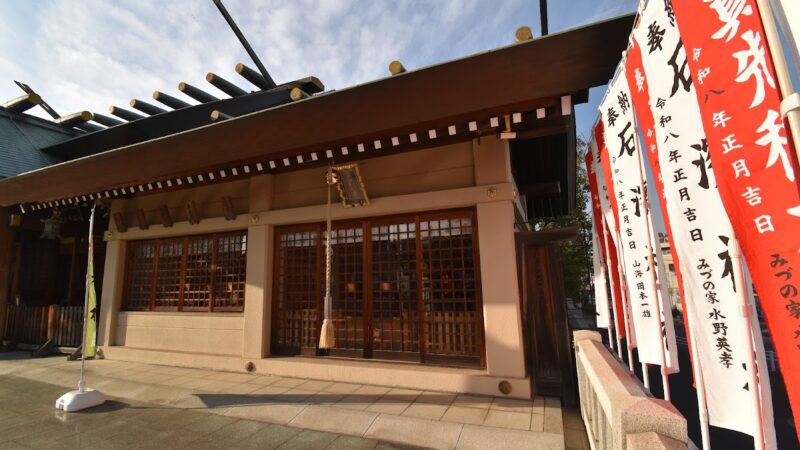
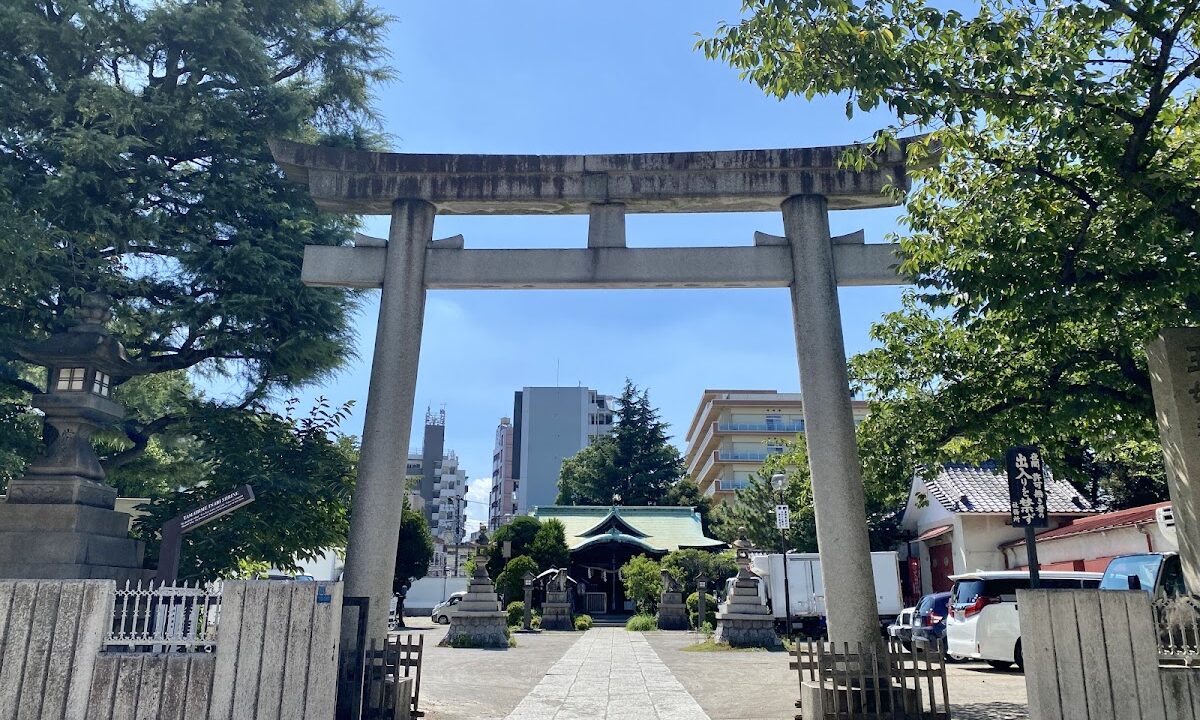
The shrine building, rebuilt after the war, follows traditional shrine architectural styles. It is a small yet solemn building.
Torii Gate and Approach
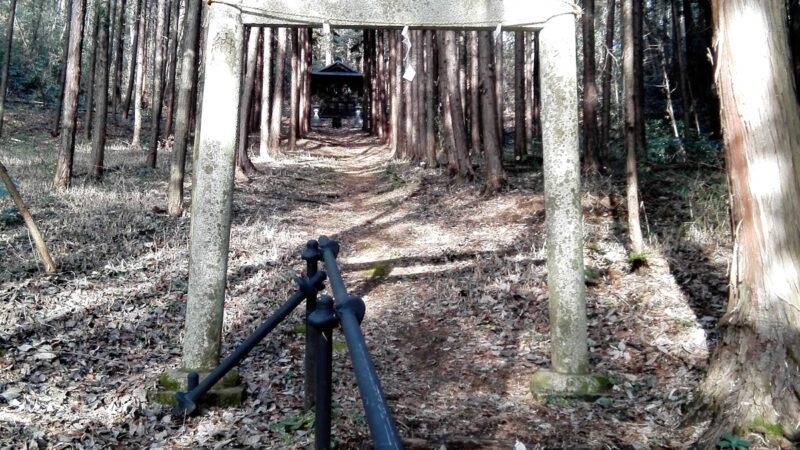
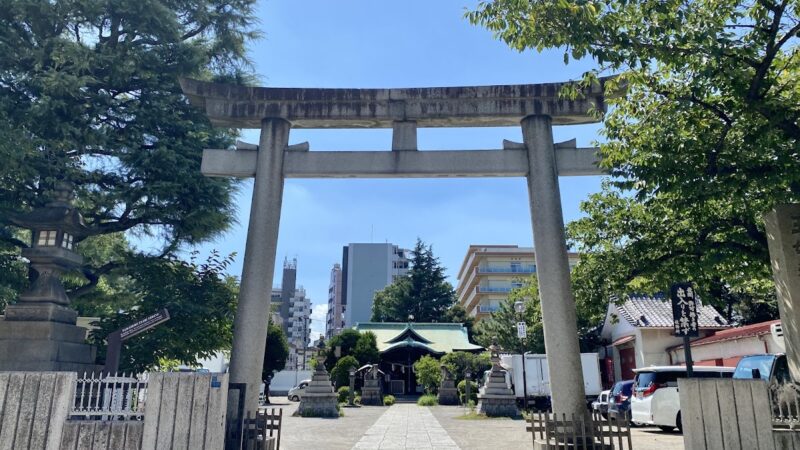
A torii gate stands at the entrance to the shrine grounds, and the approach leads to the shrine building. Despite being in the city, a quiet worship space is maintained.
Komainu (Guardian Dogs) and Stone Monuments
The shrine grounds are dotted with guardian dogs (komainu) and various stone monuments, preserving the history of the shrine. Stone structures that survived wartime destruction are particularly valuable cultural assets.
Subsidiary Shrines
In addition to the main shrine, there may be subsidiary shrines (absent shrines/minor shrines) within the grounds. Paying respects at these smaller shrines during your visit will deepen your religious experience.
Access
Access by Train
The nearest station to Tamahime Inari Shrine is Minami-Senju Station.
Walking from Minami-Senju Station
- JR Joban Line Minami-Senju Station: Approximately 13 minutes on foot southeast (approx. 800m)
- Tokyo Metro Hibiya Line Minami-Senju Station: Approximately 13 minutes on foot southeast (approx. 800m)
- Tsukuba Express Minami-Senju Station: Approximately 13 minutes on foot southeast (approx. 800m)
Minami-Senju Station is a convenient station served by three lines, making it easily accessible from various parts of central Tokyo.
Walking Route
- Exit the South Exit of Minami-Senju Station
- Head south along Meiji-dori
- Turn east at the Kiyokawa 2-chome intersection
- Continue through the residential area to reach Tamahime Inari Shrine
If you get lost, ask a local for directions; they will likely be happy to help.
Access by Bus
You can also use Toei Buses or Taito Ward’s community bus “Megurin”. Travel time from the nearest bus stop varies depending on the route, so we recommend checking in advance.
Access by Car
If using the Metropolitan Expressway:
- Approximately 10 minutes from the Mukojima Exit of the Metropolitan Expressway Route 6 Mukojima Line
- Approximately 15 minutes from the Iriya Exit of the Metropolitan Expressway Route 1 Ueno Line
Parking: Please inquire with the shrine in advance to see if there is a dedicated parking lot on the grounds. There may also be coin-operated parking lots nearby.
Map and Navigation
Searching for “Tamahime Inari Shrine” in your smartphone’s map app will guide you to the route from your current location. You can also search by entering the address: “2-13-20 Kiyokawa, Taito-ku, Tokyo”.
Nearby Tourist Attractions
There are many attractions unique to Taito Ward around Tamahime Inari Shrine.
Asakusa Area
Asakusa Station is just a few minutes away from Minami-Senju Station by train.
- Senso-ji Temple: A representative tourist attraction of Tokyo
- Asakusa Shrine: A shrine famous for the Sanja Matsuri festival
- Nakamise Street: A traditional shopping street
History of the Sanya District
The area around Tamahime Inari Shrine is part of the district formerly known as Sanya. Exploring this area, which retains the atmosphere of old Tokyo from the Edo period, is a fascinating experience.
Along the Sumida River
A promenade is maintained along the Sumida River, making it ideal for a stroll. In spring, the cherry blossom trees are beautiful, and it is also known as the venue for the Sumida River Fireworks Festival.
Other Shrines in Taito Ward
There are approximately 26 shrines in Taito Ward, making it a great place for shrine hopping. Using the Taito Ward Shrine Map as a reference, a “shrine tour” visiting multiple shrines is highly recommended.
Manners and Points for Visiting a Shrine
Basic Worship Etiquette
- Bow before passing through the torii gate.
- Purify your hands and mouth at the water basin.
- Hold the ladle in your right hand and wash your left hand.
- Switch the ladle to your left hand and wash your right hand.
- Switch the ladle back to your right hand, receive water in your left hand, and rinse your mouth.
- Finally, wash the handle of the ladle.
- “Two bows, two claps, one bow” in front of the main hall.
- Bow deeply twice.
- Clap your hands twice at chest height.
- Finally, bow deeply once.
Regarding Photography
Photography is generally permitted on the shrine grounds, but please note the following:
- Refrain from taking photos inside the shrine buildings or in sacred areas.
- Be considerate of other worshippers.
- Refrain from taking photos during religious ceremonies, or obtain permission.
Appropriate Attire for Visiting the Shrine
While everyday attire is acceptable, please dress in clean and subdued clothing, reflecting your respect for the deities.
Summary of the Charms of Tamahime Inari Shrine
Tamahime Inari Shrine possesses a variety of charms, including:
- Over 1200 Years of History: An ancient shrine founded in 760 AD (Tenpyo Hoji 4)
- Legend of Nitta Yoshisada: A place associated with the Kamakura period warrior
- Uniqueness as a “Shoe Shrine”: Deep ties to the leather industry
- Twice-Yearly Shoe Markets: Unique events held in April and November
- Local Guardian Shrine: A beloved presence among the people of Kiyokawa, Taito Ward
- Easy Access: Within walking distance of Minami-Senju Station
- Offering of Goshuin (Shrine Seals): As a memento of your visit
Located in the heart of Tokyo, Tamahime Inari Shrine conveys history, tradition, and the local industrial culture to the present day. Why not extend your Asakusa sightseeing trip a little and visit Tamahime Inari Shrine?
Planning a Visit to Tamahime Inari Shrine
Recommended Time to Visit
- Shoe Market (April & November): The best time to experience the shrine’s unique characteristics
- Annual Festival (Early June): Enjoy the atmosphere of a local festival
- New Year’s Visit (January): For New Year’s prayers
- Weekday Mornings: Recommended for those who want a quiet visit
Estimated Time Required
The shrine grounds are relatively compact, so the visit itself takes about 15-30 minutes. If you plan to get a Goshuin (shrine stamp) or take your time exploring the grounds, allow about an hour.
Combination Plans
- Combine with Asakusa Sightseeing: Visit after visiting Senso-ji Temple
- Taito Ward Shrine Tour: Visit multiple shrines in one day
- Sumida River Walking Course: Walk along the river to the shrines
Summary
Tamahime Inari Shrine is a historic shrine located in Kiyokawa, Taito Ward, Tokyo, founded in 760 AD (Tenpyo Hoji 4). It has a legend of being a place where Nitta Yoshisada prayed for victory in battle, and possesses a unique charm as the “Shoe Shrine,” deeply connected to the leather industry.
It’s easily accessible, about a 13-minute walk from Minami-Senju Station, and offers Goshuin (shrine stamps). Its distinctive events, such as the twice-yearly shoe market and the annual festival in June, are also appealing.
When sightseeing in Asakusa, be sure to extend your trip a little and visit Tamahime Inari Shrine. You’ll be able to experience over 1200 years of history and the industrial culture of downtown Tokyo firsthand.
When visiting the shrine, please remember to show respect, observe proper etiquette, and pray in a calm and peaceful manner. We hope that your visit to Tamahime Inari Shrine will be a memorable one.