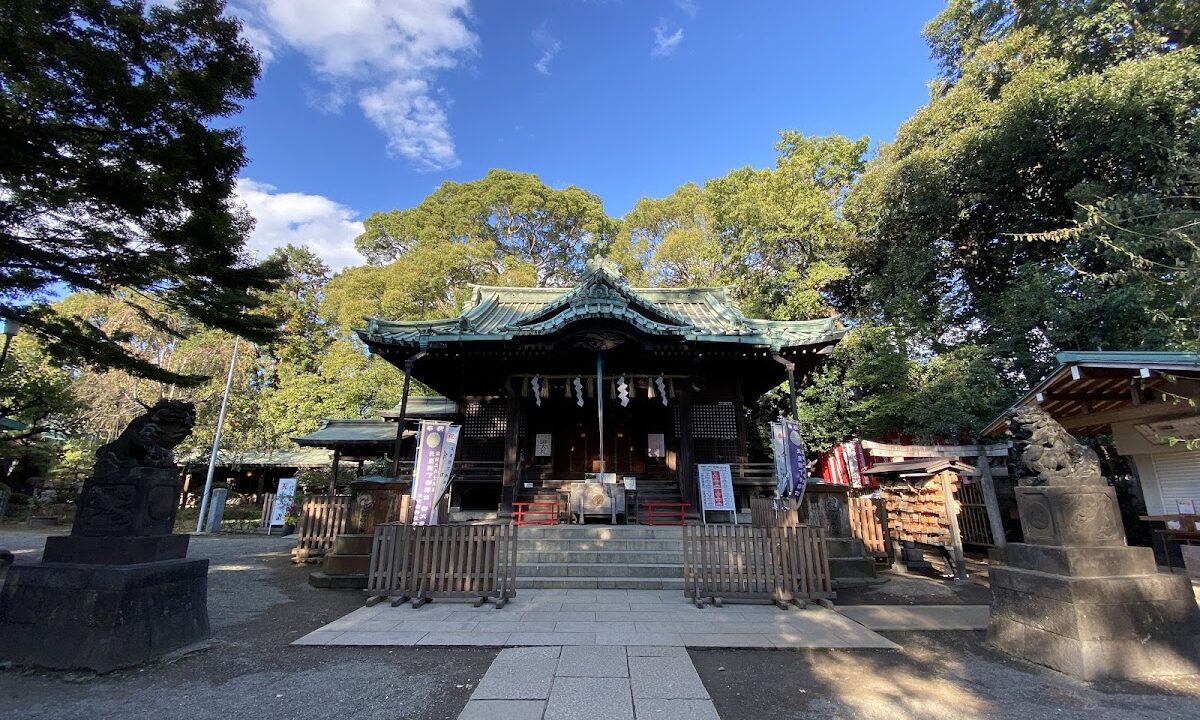
Yoyogi Hachimangu Shrine (Tokyo) Complete Guide | History, Goshuin (Shrine Seals), Access, and Blessings Explained in Detail
Located in Yoyogi, Shibuya Ward, Tokyo, right in the heart of the city, Yoyogi Hachimangu Shrine is surrounded by a lush, sacred forest. With a history spanning over 800 years since the Kamakura period, this shrine, known as a power spot for career advancement and business success, is a popular tourist destination attracting visitors from both the local area and far away.
This article comprehensively covers everything you need to know before visiting Yoyogi Hachimangu Shrine, including its history, origins, highlights within the grounds, information on goshuin (shrine seals) and amulets, and access methods.
History and Origins of Yoyogi Hachimangu Shrine
800 Years of History Beginning in the Kamakura Period
Yoyogi Hachimangu Shrine was founded on September 25, 1212 (Kenryaku 2), during the early Kamakura period. The tragic history of the Minamoto clan is deeply intertwined with the origins of this shrine.
Minamoto no Yoriie, the second shogun of the Kamakura shogunate, met a tragic end, being assassinated in Shuzenji. One of Yoriie’s retainers, Arai Geki Tomoakira, deeply mourned his lord’s death and became a monk, changing his name to Soyu.
The Founding of the Shrine Begins with a Spiritual Dream
One night, while Soyu was mourning his lord’s passing, he had a mysterious experience in a spiritual dream, receiving a sacred mirror. Deeply moved by this mystical event, Soyu decided to establish a Hachiman shrine. The construction of a shrine in Yoyogi marks the beginning of Yoyogi Hachiman Shrine.
Hachiman was revered as the guardian deity of samurai families and had particularly deep ties to the Minamoto clan. Arai Geki Tomoakira’s choice of a Hachiman shrine was also an expression of his loyalty to his lord, Minamoto no Yoriie.
From the Edo Period to the Present
Since its founding, Yoyogi Hachimangu Shrine has been revered by samurai families and the imperial court. During the Edo period, it became established as the guardian shrine of the region, and its former rank was that of a village shrine. Even after the Meiji Restoration, it continued to attract the faith of local residents, and today, it welcomes many visitors as an urban oasis and a power spot for career advancement and good fortune in work.
Deities and Benefits
Main Deity: Emperor Ojin (Hachiman-sama)
The main deity enshrined at Yoyogi Hachimangu Shrine is Emperor Ojin (Ojin Tenno), also known as Hachiman-sama. Emperor Ojin was the 15th Emperor of Japan and has been worshipped since ancient times as the god of military fortune and victory.
Enshrined Deities
Along with the main deity, the following deities are enshrined:
- Amaterasu Omikami – The supreme deity of Japanese mythology, enshrined as the Tenso Shrine
- Hakusan Okami – The deity of Mount Hakusan, a sacred mountain in the Hokuriku region, enshrined as the Hakusan Shrine
Benefits of Yoyogi Hachimangu Shrine
Yoyogi Hachimangu Shrine is known for the following benefits:
- Career Advancement and Success – A particularly famous power spot, visited by many people aiming for career advancement
- Victory and Prayer for Success – Prayers for success in competitions through the divine virtues of Hachiman, the god of war
- Development of Industry and Culture – Revered as the guardian deity of local industry and culture
- Protection from Evil and Good Fortune – Protection from evil and improvement of luck at turning points in life
- Family Safety and Child-rearing – As the guardian shrine of the region, it protects the happiness of families.
In recent years, it has become known as a place where celebrities and business people visit to pray for career advancement, and its reputation as a “god of success” is growing.
Highlights of the Shrine Grounds
Lush Green Forest
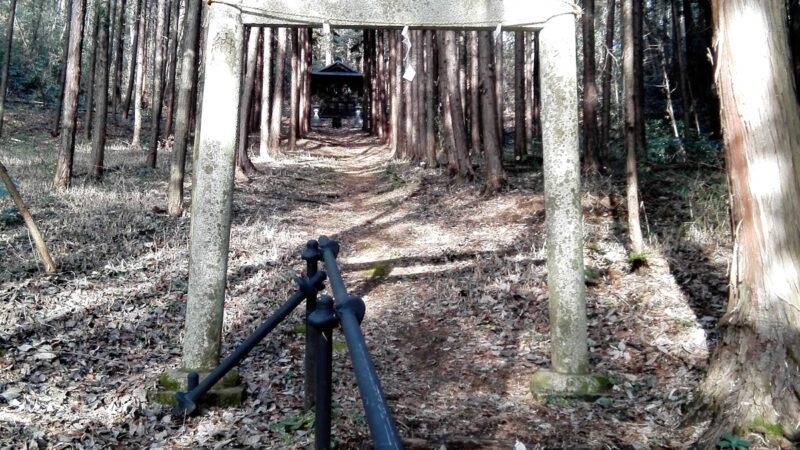
One of the greatest charms of Yoyogi Hachimangu Shrine is its rich natural environment, which is hard to believe is in the heart of the city. Large trees grow densely within the grounds, creating a tranquil space that makes you forget the hustle and bustle of the city. This abundance of greenery provides visitors with healing and peace.
Yoyogi Hachiman Ruins (Jomon Period Dwelling Site)
Within the shrine grounds, there are remains of a Jomon period site, designated as a cultural property of Shibuya Ward. You can see a reconstructed pit dwelling and imagine the lives of people from approximately 4000 years ago.
This site was discovered in 1950 and was found to be the remains of a settlement from the middle Jomon period. Pottery and stone tools have been unearthed, making this a valuable historical site that shows Yoyogi has been a place of human habitation since ancient times.
The overlapping history of a shrine and a Jomon period archaeological site, transcending time, is a unique charm of Yoyogi Hachimangu Shrine.
Shrine Buildings and Grounds Facilities
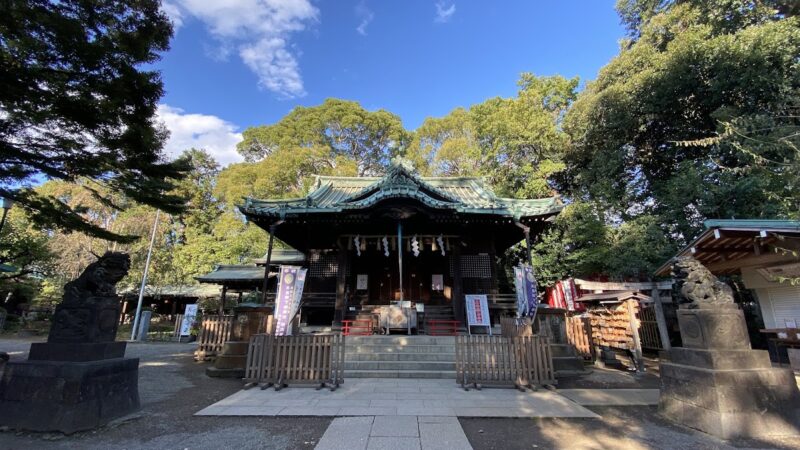
- Main Hall – A solemn shrine surrounded by a quiet forest
- Worship Hall – A place where worshippers offer prayers
- Water Basin – A place to purify oneself before worship
- Kagura Hall – Where Kagura (sacred dance) is performed during festivals
- Shrine Office – Where Goshuin (shrine stamps) and amulets are given out
The shrine grounds are open 24 hours a day, and you can worship at any time (the office is open from 9:00 to 17:00).
Goshuin and Amulet Information
About Goshuin
Yoyogi Hachimangu Shrine offers standard Goshuin.
Goshuin (temple/shrine stamp) reception hours: 9:00 AM – 5:00 PM
Reception location: Shrine office (reception area)
Offering fee: Approximately 300-500 yen (Please confirm at the time of your visit)
The goshuin features the calligraphy of “Yoyogi Hachimangu Shrine” and the shrine’s seal, resulting in a simple yet dignified finish. You can bring your own goshuincho (stamp book) or purchase one on-site.
Amulets and Souvenirs
Yoyogi Hachimangu Shrine offers a variety of amulets and souvenirs:
- Victory Amulet – For success in competitions and exams
- Financial Luck Amulet – For increased financial luck and business prosperity
- Good Fortune Amulet – For overall good fortune
- Health Amulet – For health, longevity, and recovery from illness
- Zodiac Lucky Ema – An ema (votive tablet) featuring the zodiac animal of the year
- Wish Fulfillment Ema – For writing your wish and offering it
- Sacred Talisman for Home Altar – For enshrining in your home altar
Amulets related to career advancement and work luck are particularly popular, and many people seeking career advancement seek them out.
Annual Events and Grand Festival
Main Annual Events
Yoyogi Hachimangu Shrine holds various festivals throughout the year:
- January 1st – Saitansai (New Year’s Day Festival)
- February 3rd – Setsubun Festival (Bean-throwing Ceremony)
- September – Grand Festival (Most Important Annual Event)
- November – Shichi-Go-San (Celebration of Children’s Growth)
- December 31st – Great Purification Ceremony, New Year’s Eve Festival
Grand Festival
The Grand Festival of Yoyogi Hachimangu Shrine is the most important festival, held every September. Held around September 25th, the shrine’s founding date, it features traditional Shinto rituals such as a portable shrine procession and the dedication of Kagura (sacred dance). Local residents participate wholeheartedly in the festival, which is bustling with many worshippers.
Access and Directions
Basic Information
Address: 5-1-1 Yoyogi, Shibuya-ku, Tokyo
Phone: 03-3466-2012
Visiting Hours: 24 hours (grounds freely accessible)
Shrine Office Hours: 9:00 AM – 5:00 PM
Closed: None (Open all year round)
Access by Train
Yoyogi Hachimangu Shrine can be accessed on foot from several nearby stations:
Nearest Stations
- Odakyu Line “Yoyogi-Hachiman Station” – 5-minute walk (closest)
- Tokyo Metro Chiyoda Line “Yoyogi-Koen Station” – 6-minute walk
- JR Yamanote Line “Harajuku Station” – 15-minute walk
- Tokyo Metro Fukutoshin Line “Meiji-jingumae (Harajuku) Station” – 15-minute walk
Directions from Yoyogi-Hachiman Station
The most convenient station is Yoyogi-Hachiman Station on the Odakyu Line. Exit the station and turn left. After passing through the shopping street and entering the residential area, you will see a lush, green approach to the shrine. There are signs, so you shouldn’t get lost.
Directions from Yoyogi-Koen Station
From Yoyogi-Koen Station on the Tokyo Metro Chiyoda Line, use Exit 1 (towards Yoyogi-Hachiman). Exit the station and turn right. After passing through the residential area, you will arrive at the shrine.
Access by Car and Parking
Parking: There is a parking lot for visitors on the shrine grounds (limited spaces available).
Parking Fee: Free (for visitors only)
However, since parking spaces are limited, we recommend using public transportation. Especially on weekends and festival days, congestion is expected.
Nearby Tourist Attractions
The following tourist attractions are located near Yoyogi Hachimangu Shrine:
- Yoyogi Park – 5-minute walk, one of Tokyo’s largest parks
- Meiji Jingu Shrine – 15-minute walk, one of Tokyo’s most representative shrines
- Yoyogi VILLAGE – A complex of stylish shops and cafes
- Harajuku/Omotesando – 15-20 minute walk, a fashion and gourmet district
Visiting these spots before or after your visit to the shrine is highly recommended.
Manners and Points for Visiting a Shrine
Basic Worship Etiquette
- Bow before passing through the torii gate – A courtesy when entering the sacred area
- Walk along the edge of the path – The center is the path for the gods
- Purify yourself at the water basin – Purify your left hand, right hand, and mouth in that order
- Etiquette at the main hall – Two bows, two claps, one bow
Regarding Photography
Photography is generally permitted on the shrine grounds, but please note the following:
- Professional photographers for Shichi-Go-San and Hatsumimeiri (first shrine visit) are only permitted for those receiving prayers.
- Be considerate of other worshippers.
- Do not take photos in areas where photography is prohibited, such as inside the main hall.
Recommended Visiting Times
- Morning hours (8:00-10:00) – Fewer people, allowing for a quiet visit
- Weekdays – Less crowded than weekends
- During the Annual Festival – Recommended for those who want to enjoy a lively atmosphere
The Charm and Reputation of Yoyogi Hachimangu Shrine
Evaluation as a Power Spot
Yoyogi Hachimangu Shrine is highly regarded as a power spot, especially for “career advancement” and “work luck.” Many people have reported career advancement or positive work results after visiting, making it increasingly popular among business professionals and students seeking employment.
An Oasis in the City
Despite being located in the heart of Tokyo’s Shibuya Ward, the shrine grounds are lush with greenery and enveloped in a tranquil atmosphere. This unique “forest in the city” environment provides healing to visitors, creating a space where they can pray with peace of mind.
Coexistence of History and Nature
The coexistence of a shrine founded in the Kamakura period and Jomon period ruins is a major attraction, showcasing a layered history that transcends time. It’s rare to find a place in Tokyo where you can feel thousands of years of history in one location.
Frequently Asked Questions (Q&A)
What is the address of Yoyogi Hachimangu Shrine?
It is located at 5-1-1 Yoyogi, Shibuya-ku, Tokyo. It is a 5-minute walk from Yoyogi-Hachiman Station on the Odakyu Line and a 6-minute walk from Yoyogi-Koen Station on the Tokyo Metro Chiyoda Line.
What are the opening hours of Yoyogi Hachimangu Shrine?
The shrine grounds are open for worship 24 hours a day. However, the reception hours for the shrine office (where goshuin stamps and amulets are given) are from 9:00 to 17:00.
What are the regular closing days of Yoyogi Hachimangu Shrine?
There are no regular closing days; it is open year-round. On special days such as New Year’s Day and the annual festival, rituals may be held at different times than usual.
Can I get a goshuin stamp?
Yes, you can get a goshuin stamp at the shrine office between 9:00 and 17:00. You can bring your own Goshuincho (stamp book) or purchase one on-site.
Is there parking?
There is free parking for visitors on the shrine grounds, but spaces are limited. We recommend using public transportation.
Can I receive prayers/blessings?
Yes, we accept various prayers/blessings, including those for warding off evil, first shrine visits for newborns, Shichi-Go-San (children’s festival), and safety prayers. Please contact the shrine directly for details (Tel: 03-3466-2012).
Can I visit the Jomon period ruins?
The reconstructed pit dwellings on the shrine grounds are open for free viewing. They are designated as a cultural property of Shibuya Ward and are valuable ruins from the middle Jomon period.
Can I have a wedding ceremony here?
Yoyogi Hachimangu Shrine offers Shinto wedding ceremonies. The solemn ceremony in the lush grounds is popular. Please contact the shrine for details.
Summary
Yoyogi Hachimangu Shrine is a special shrine in Tokyo, blending a history dating back to the Kamakura period, the ancient memory of Jomon period ruins, and abundant nature in the heart of the city. Beyond its reputation as a power spot for career advancement and business success, its tranquil atmosphere, perfect for peaceful worship, attracts many visitors.
Its convenient location, just a 5-minute walk from Yoyogi Hachiman Station on the Odakyu Line, makes it easily accessible, allowing visitors to combine a visit with sightseeing in Harajuku or Omotesando. It’s a shrine worth visiting for various purposes, whether for a weekend stroll, a significant life event, or a prayer for career advancement.
When sightseeing in Tokyo, be sure to visit Yoyogi Hachimangu Shrine and experience its over 800 years of history and the power of nature. Forgetting the hustle and bustle of the city and offering a quiet prayer will surely be a special experience.